


Leitfaden für Elektriker-Werkzeugtaschen 2026: So wählen Sie die besten Werkzeugtaschen für Elektriker aus
16. Oktober 2026
The best electrician tool bag combines durable materials, easy-access pockets, secure storage, and comfortable carrying features. Electricians should consider their most-used tools, job requirements, work environment, and preferred carrying style before choosing a bag, tool belt, pouch, or backpack. For businesses, custom designs can also add a company logo, improve team organization, and support a consistent professional image.
Leitfaden für Elektriker-Werkzeugtaschen 2026: So wählen Sie die besten Werkzeugtaschen für Elektriker aus
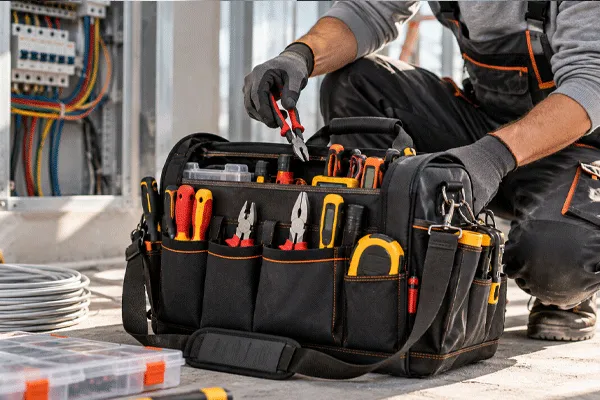
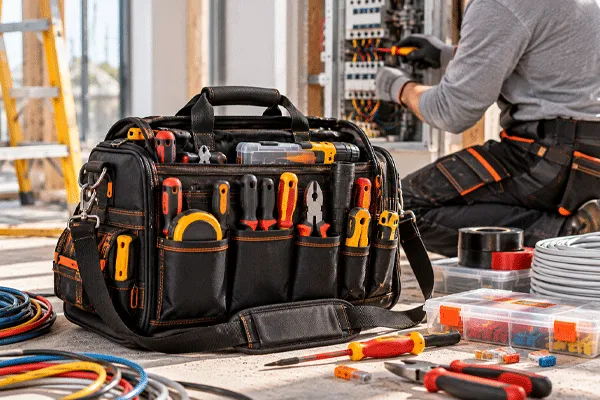
An electrician needs more than a simple bag with enough room for tools. The right design should make it easy to identify, reach, and return each item during a busy workday. A well-planned tool bag can reduce unnecessary searching and help prevent small tools from becoming mixed with larger equipment.
Start by listing the tools you use most often. A basic set may include screwdrivers, pliers, wire strippers, cutters, a measuring tape, a voltage tester, and a hammer. Some electricians also need a drill, spare batteries, connectors, and other electrical supplies. Each item needs a suitable place, and heavier equipment requires a bag with enough structural support.
Before you buy, check these essential features:
A quality electrician tool bag should support your workflow rather than force you to change it. Think about how you work first, then choose the storage system.
Different jobs call for different storage solutions. A residential electrician working on small repairs may prefer a compact pouch, while a commercial electrician may need a larger bag that holds more equipment. Choosing the right style helps balance portability and capacity.
| Taschenart | Best suited for | Main benefit |
|---|---|---|
| Open-top tool bag | Frequent tool access | Easy to see and reach tools |
| Zippered tool bag | General transport and storage | Helps contain tools during travel |
| Tool pouch | Essential hand tools | Compact and lightweight |
| Tool belt | Repeated tasks requiring both hands | Keeps frequently used tools close |
| Werkzeug-Rucksack | Commuting and carrying varied equipment | Distributes weight across both shoulders |
| Tool tote | Larger collections of tools | Wide opening and convenient loading |
| Heavy-duty tool bag | Demanding work environments | Reinforced construction for regular use |
An open-top bag is useful when you move between nearby work areas and need quick access. A zippered design may suit electricians who travel between jobs and want to keep their equipment contained. A backpack can be practical when you need to walk longer distances or carry additional supplies.
Some electricians benefit from combining storage styles. For example, a main bag can hold the full set of hand tools, while a small pouch keeps frequently used screwdrivers and pliers close. This setup can be more practical than carrying one oversized bag everywhere.
The best size depends on the tools you actually carry, not simply the number of pockets advertised. A bag that is too small can strain its seams and make tools difficult to retrieve. One that is too large may encourage unnecessary packing and become uncomfortable to transport.
Make a list of your regular equipment and group it into three categories:
Choose a bag that accommodates the first group comfortably while leaving enough room for the second when required. You do not need to carry every tool on every job.
Pay attention to the bag’s usable dimensions and internal layout. A large main compartment may hold bulky equipment, but it does not replace dedicated pockets for smaller items. Check whether the opening is wide enough for your tools and whether the base supports the expected load. If you regularly transport power tools, verify the bag’s rated capacity and construction rather than judging it by appearance alone.
A good rule is simple: choose a size that supports your regular work without adding unnecessary weight.
Leitfaden für Elektriker-Werkzeugtaschen 2026: So wählen Sie die besten Werkzeugtaschen für Elektriker aus
Material choice affects weight, cost, cleaning, flexibility, and long-term performance. Electricians should select materials based on the job environment, the expected load, and how often the bag will be moved.
Nylon is a popular option for work bags because it can offer a useful balance of weight and abrasion resistance. Performance depends on the fabric specification, weave, coating, and construction. Reinforced panels and strong stitching can be just as important as the fabric itself.
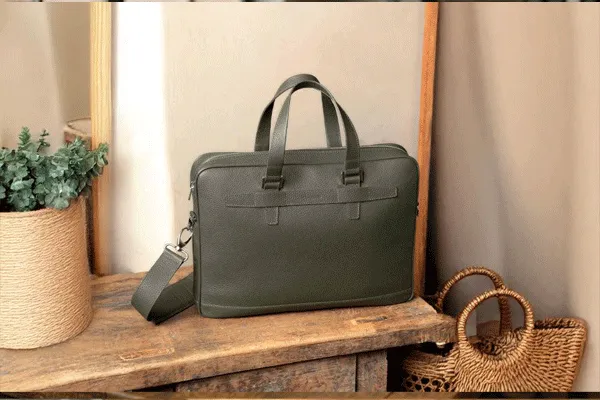
Leather offers a traditional appearance and can work well for certain pouches and tool storage products. However, it may require more care, and its performance depends on the leather type, thickness, and construction. A canvas or reinforced textile bag may be a better choice for businesses prioritizing lighter weight or easier cleaning.
Look beyond the outer material when assessing durability. Important construction details include:
Water-resistant does not mean waterproof. Likewise, a durable tool bag is not automatically insulated or safe for live electrical work. Keep tools de-energized where required, follow workplace safety procedures, and never treat an ordinary bag as electrical protective equipment.
A tool bag, tool belt, and tool pouch solve different storage problems. The right choice depends on whether you need to transport equipment, keep tools within reach, or organize a larger collection.
A tool belt works well for electricians who repeatedly use the same hand tools throughout a task. A suitable belt and pouch combination can reduce trips back to the main storage area. However, carrying too much weight on the waist can become uncomfortable, so the load should remain appropriate for the task and wearer.
A tool pouch is a smaller option for carrying a focused set of tools. It may attach to a belt or be carried separately. Pouches are especially useful when you want to keep pliers, screwdrivers, a measuring tape, or other essential items together.
For many professionals, the most practical arrangement combines these options:
This approach keeps your primary storage organized without requiring you to carry the entire collection throughout the job.
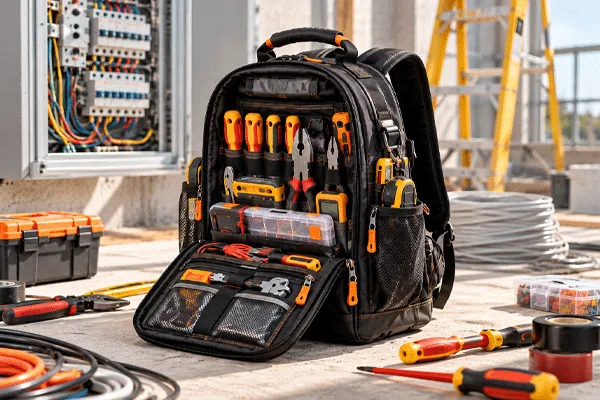
A tool backpack can be a strong option for electricians who commute, use public transportation, walk through large facilities, or carry equipment between different work areas. Unlike a hand-carried bag, a backpack can distribute weight across both shoulders when properly fitted and packed.
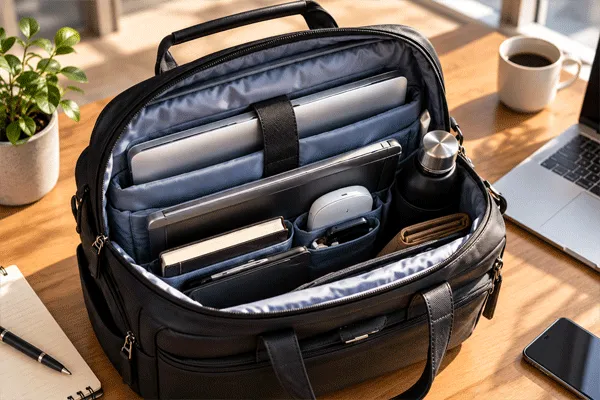
Look for padded shoulder straps, a supportive back panel, durable zippers, and a compartment layout that matches your tools. A dedicated space for a laptop or documents may also be useful for technicians who handle service records, drawings, or digital job information. However, electronics should be stored separately from sharp tools and equipment that could damage them.
A backpack is not always the best choice. Electricians who frequently need to see and select tools may prefer an open-top tote or structured bag. A heavily loaded backpack can also become difficult to manage in tight spaces or on ladders.
Consider how you travel and work before making a decision. If you need both mobility and easy access, a backpack for transport and a compact pouch for active tasks may offer a better solution than relying on one bag alone.
When researching the best tool bags for electricians, shoppers may encounter names such as Klein Tools, DeWalt, Milwaukee, and CLC. Searches may also include model-specific terms such as Custom Leathercraft 1539. These names can help you build a comparison list, but product details should always be checked against current manufacturer specifications.
Instead of selecting a bag by brand alone, compare the features that matter to your work. Check the dimensions, pocket arrangement, material, carrying system, closure, and rated load where provided. Consider whether the bag fits your existing tools and whether replacement parts or accessories are available.
A practical comparison checklist is shown below.
| Merkmal | Worauf Sie achten sollten |
|---|---|
| Tool capacity | Enough room for your regular equipment |
| Taschenaufteilung | Useful separation for hand tools and small accessories |
| Material | Suitable strength and weight for your environment |
| Carrying system | Handle, shoulder strap, backpack straps, or belt attachment |
| Basis | Support appropriate for the expected load |
| Schließung | Open-top, zippered, or covered design |
| Maintenance | Easy cleaning and accessible inspection points |
| Individualisierung | Logo, color, dimensions, and pocket options where offered |
The best choice is the bag that suits your actual work. A more expensive product is not necessarily better for every electrician, and a lower-priced option may not offer the construction needed for demanding daily use.
For business buyers, comparing total value is especially important. Material quality, expected service life, replacement needs, and purchasing volume can all affect the long-term cost.
The contents of an electrician’s bag depend on the work being performed, the applicable safety procedures, and the tools approved for the job. A basic collection may include common hand tools and testing equipment, while specialist work may require additional items.
A typical tool checklist includes:
Keep small items in separate pockets or an organizer. A dedicated compartment can make it easier to identify missing tools before leaving the jobsite. Sharp tools should be stored so their edges do not damage the bag or injure the user during retrieval.
Do not assume that storing insulated tools in a bag makes the entire bag safe for electrical work. Inspect tools before use and follow the correct procedures for testing, isolation, and protective equipment.
An organized tool bag supports better work habits. It does not replace training, inspection, or job-specific safety planning.
Leitfaden für Elektriker-Werkzeugtaschen 2026: So wählen Sie die besten Werkzeugtaschen für Elektriker aus
Customization can help electrical contractors, tool distributors, wholesalers, and private-label brands create products that better suit their users. Instead of accepting a standard layout, buyers can specify the size, materials, pockets, colors, carrying options, and branding.
Als in China ansässiges Hersteller von individuellen Taschen, bieten wir OEM, ODM, and private-label solutions for B2B buyers. Depending on the project, a custom tool bag can include a company logo, reinforced handles, dedicated screwdriver pockets, a larger main compartment, or a shoulder strap designed around the expected load.
Zu den gängigen Anpassungsmöglichkeiten gehören:
| Custom feature | Potential business benefit |
|---|---|
| Company logo or woven label | Supports brand recognition |
| Benutzerdefinierte Farben | Creates a consistent product range |
| Dedicated tool pockets | Matches the needs of a specific trade |
| Reinforced base and handles | Supports the intended load and usage |
| Verstellbarer Schultergurt | Offers more carrying flexibility |
| Custom dimensions | Fits a defined set of tools |
| Verpackungen für Eigenmarken | Supports retail and distribution programs |
For example, a contractor supplying bags to several installation teams may want a standard layout with different colors for different departments. A distributor may prefer a retail-ready design with its own branding. These are illustrative use cases; the best specifications depend on the buyer’s actual requirements.
Before production, define the intended tools, target user, material preferences, logo method, order quantity, and budget. A sample can help confirm dimensions, pocket access, stitching, and carrying comfort before a larger order proceeds.
If you are sourcing tool bags for a business, provide your expected quantity and design requirements so the manufacturer can assess feasibility, sampling, and production options.
The best option depends on the tools you carry and your work environment. An open-top bag offers easy access, a zippered bag helps contain equipment during transport, and a backpack can suit electricians who travel on foot. Choose based on capacity, comfort, construction, and organization.
Not in every situation. A tool belt keeps frequently used tools close during a task, while a tool bag carries a larger collection between locations. Many electricians use both, keeping the main equipment in a bag and moving essential tools to a pouch or belt when needed.
Nylon, reinforced textiles, canvas, and leather can all suit different applications. Compare the material’s weight, abrasion resistance, maintenance needs, and construction quality. Reinforced seams and handles are important when the bag carries heavy tools regularly.
There is no ideal number for every user. Choose enough pockets to separate your most-used tools and small accessories without making storage confusing. Pocket size, placement, and access matter more than the total number.
Yes. Many B2B manufacturers offer logo application, custom colors, pocket layouts, dimensions, and private-label options. Available features, minimum order quantities, sampling, and lead times depend on the design and supplier.
Remove dust and debris regularly, clean the material according to its care instructions, and inspect the seams, handles, straps, zippers, and base. Avoid carrying more weight than the bag is designed to support. Replace a bag when damage affects its ability to hold tools securely.
If you are developing a tool bag range for electricians, contractors, distributors, or private-label retail, prepare your target dimensions, material preferences, pocket requirements, logo artwork, and estimated order quantity. These details provide a practical starting point for discussing a custom design and requesting a production quotation.


Wir werden Ihnen innerhalb von 24 Stunden antworten. Wenn für dringenden Fall, fügen Sie bitte WhatsApp/WeChat: +86 15066236153,. Oder rufen Sie direkt +86 17657177170 an.
*Wir respektieren Ihre Vertraulichkeit und alle Informationen sind geschützt.
Wir verwenden Ihre Daten nur zur Beantwortung Ihrer Anfrage und senden Ihnen niemals unaufgefordert E-Mails oder Werbenachrichten.
 letzter Blog
