


Personalized Reusable Totes: A B2B Guide to Custom Reusable Shopping Bags
November 04, 2026
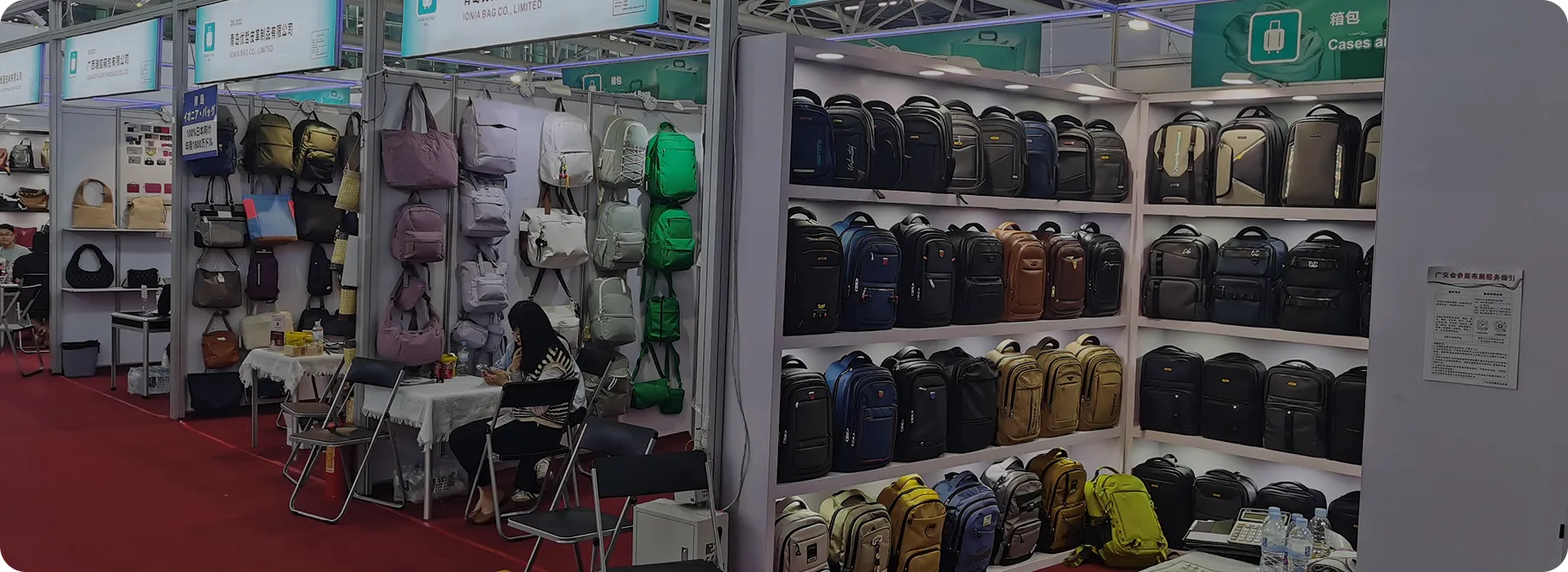
A reusable tote can carry your logo for months—or disappear after one use because the handles fail, the size feels wrong, or the design has little practical value. For brands buying in bulk, real reuse starts with better product planning, not simply printing “eco-friendly” on a bag.
Personalized reusable totes work best when material, construction, size, branding, and intended use are designed together. A strong custom reusable shopping bag should be useful enough for repeated use, durable enough for its expected load, and consistent enough for bulk and repeat orders. Brands should validate these points through clear specifications, sampling, functional checks, and controlled production.
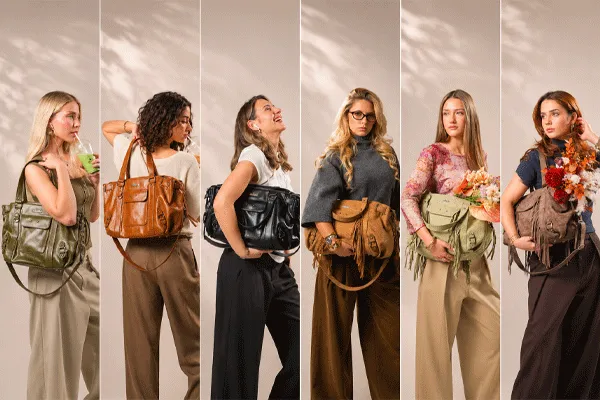
Personalized Reusable Totes: A B2B Guide to Custom Reusable Shopping Bags
A tote bag becomes more valuable when people choose to carry it again.
That sounds obvious, but it changes how a B2B buyer should develop the product. A cheap giveaway may succeed if it carries brochures for one afternoon. A retail tote, employee gift, customer loyalty bag, or private-label product has a different job. It needs to remain useful after the campaign ends.
That is where personalized reusable totes can create value for a brand.
A useful tote may travel between:
Every additional use gives the product another chance to show a brand’s logo.
This makes a reusable bag different from many short-life promotional products. The product itself performs a practical job while also carrying the visual identity of the company.
For importers and distributors, that also creates a commercial opportunity. A well-developed custom tote bag can become a repeat SKU rather than a one-time promotional purchase.
For brand owners, private-label retailers, promotional product suppliers, and marketing agencies, the question should therefore be:
Will people actually want to use this tote again?
That question should come before logo size, print color, or unit price.
The word reusable describes intended repeated use, but printing that word on a product does not automatically make the product useful for repeated carrying.
A reusable tote bag needs a suitable combination of material strength, sewing quality, handle construction, capacity, comfort, and ease of storage.
The United Nations Environment Programme has emphasized that reuse frequency matters. Its review of life-cycle studies found that the environmental result of different shopping bags depends strongly on how many times they are reused. For climate impact in the studies UNEP reviewed, thick polypropylene bags generally needed roughly 10–20 uses, while cotton bags could require substantially more uses. These figures are not universal product guarantees; they vary with materials, manufacturing, transport, disposal, and the assumptions used in each life-cycle study.
That makes durability commercially important as well as practically important.
If a bag is designed for repeated grocery shopping but its handle seam breaks after a few heavy loads, its reusable positioning becomes weak.
| Area | Question for the Buyer | Why It Matters |
|---|---|---|
| Fabric | Can it handle the intended load repeatedly? | Prevents tearing and early wear |
| Handles | Are the attachment points reinforced? | Handles are common stress areas |
| Size | Is it useful for the intended activity? | Useful bags get reused |
| Construction | Are seams suitable for repeated loading? | Supports long service life |
| Cleaning | Does the care method fit real use? | Dirty bags are often abandoned |
| Storage | Can the tote fold or store easily? | Convenience encourages reuse |
| Branding | Will the design still look good after use? | Protects brand presentation |
A good tote does not need to be extremely heavy.
It needs to be appropriate.
A lightweight promotional product and a heavy grocery tote serve different users. Over-engineering the first adds unnecessary cost. Under-engineering the second increases failure risk.
Material is important, but there is no single “best” fabric for every reusable tote program.
IONIA BAG already has separate content explaining what reusable shopping bags are made from, so B2B buyers should go one step further: match the material to the expected use cycle, selling price, branding method, load, and distribution channel.
| Material | Typical Character | Good Fit | Main Buying Consideration |
|---|---|---|---|
| Cotton | Soft, natural appearance | Retail, events, lifestyle | Weight and shrinkage |
| Cotton canvas | More structured and substantial | Retail, corporate gifts, merchandise | Fabric weight and construction |
| Non-woven PP | Lightweight and economical | High-volume promotions | Expected load and service life |
| Woven PP | Stronger shopping-bag structure | Grocery and retail | Lamination and print requirements |
| Polyester | Flexible and functional | Travel, promotions, foldable bags | Fabric denier and coating |
| Recycled polyester | Suitable for specified recycled-content projects | Retail and promotional programs | Documentation and claim wording |
| Jute | Natural, textured appearance | Food, gift, lifestyle retail | Rough texture and edge finishing |
Cotton tote bags are popular because they offer a simple surface for branding and a familiar natural look.
Light cotton works well for lower-load applications. Heavier cotton canvas can create a more structured product for retail merchandise or daily carry.
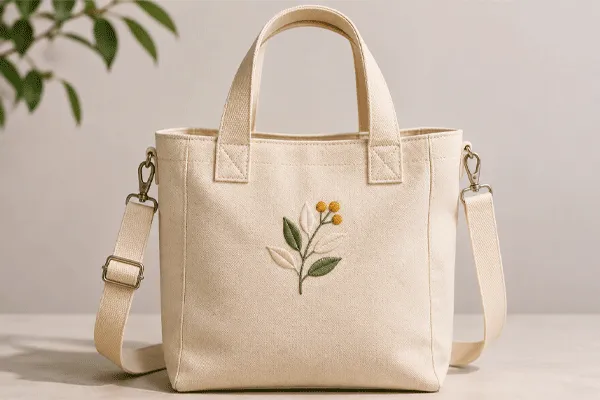
For a premium collection, cotton canvas tote bags may include a gusset, lining, inside pocket, zipper, longer handles, or stronger reinforcement.
Non-woven tote bags work well when the project needs high quantities and relatively simple construction.
They are common in promotions, conferences, retail distribution, and event programs. However, buyers should not treat every non-woven bag as equal. Fabric weight, sewing or ultrasonic construction, handle design, and intended load still matter.
For recycled bags, ask exactly what is recycled and what documentation supports the claim.
A product described as made from recycled material may contain recycled material in only part of the product. The fabric, sewing thread, zipper, labels, coating, and handles can have different compositions.
Specific language is better than broad language.
That becomes especially important when selling into regulated or environmentally conscious markets.
The easiest way to customize a tote is to print a logo.
It is not always the best way.
A more useful custom reusable product starts with the bag itself and then builds the branding around it.
Buyers can personalize areas such as:
These customization options help separate ordinary bags with logo from a product developed specifically for your market.
For example, a marketing agency buying a conference tote bag may need:
A private-label lifestyle brand may need:
Both are branded tote bags, but they require different specifications.
The same applies to personalized bags.
A corporate buyer may personalize several batches with different department names. A retailer may create one fixed personalized tote design and sell it as part of a collection.
Before you request a quotation, decide whether you need simple totes with logo or full product development.
That difference has a direct effect on sampling, cost, production complexity, and lead time.
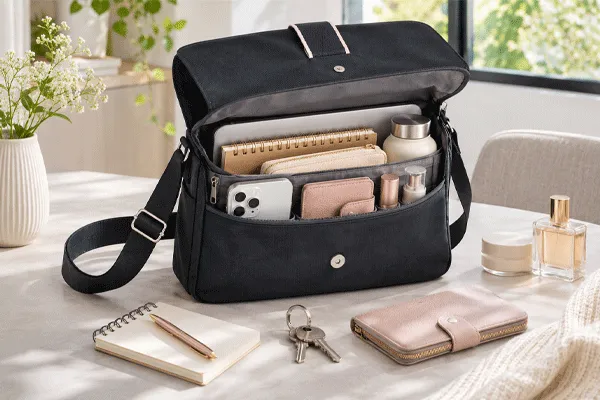
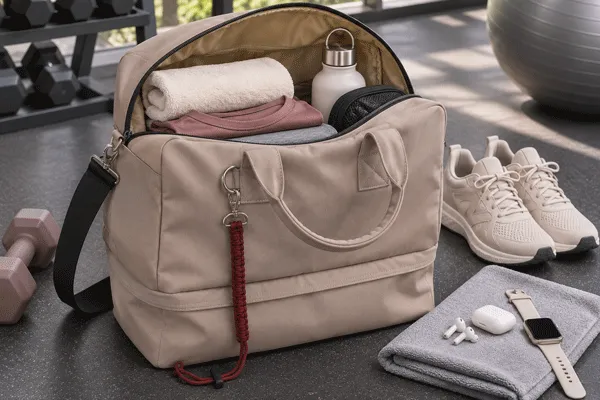
A successful tote bag style should follow the way the end user carries it.
Not every tote should have the same size, handle length, gusset, or fabric.
| Program | Useful Tote Features |
|---|---|
| Retail merchandise | Better fabric, strong branding, finished interior |
| Grocery shopping | Wide opening, gusset, reinforced handles |
| Trade show | Lightweight, easy distribution, visible logo |
| Corporate gift | Higher perceived quality, refined branding |
| E-commerce merchandise | Easy packing and strong retail presentation |
| Outdoor/lifestyle | Functional fabric, stronger construction |
| Food or beverage promotion | Broad base, practical capacity |
| Loyalty program | Everyday-use design that encourages repeat use |
A grocery tote, for example, benefits from a wide opening and practical bottom capacity.
Reusable grocery bags may also need stronger handle attachment because bottled drinks, packaged foods, and household items can create concentrated loads.
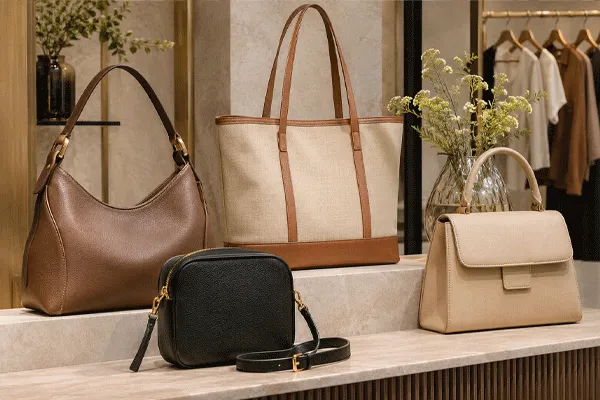
A fashion-oriented tote, however, may sacrifice some maximum capacity for a cleaner silhouette.
Some programs require insulated tote bags or cooler bags.
A custom insulated bag involves more than changing the outer fabric. Insulation, lining, closure design, seam construction, and cleaning requirements all affect the product.
For that reason, buyers should treat insulated products as their own product-development project rather than simply another printing variation.
A useful rule is simple:
Choose the function first. Customize the appearance second.
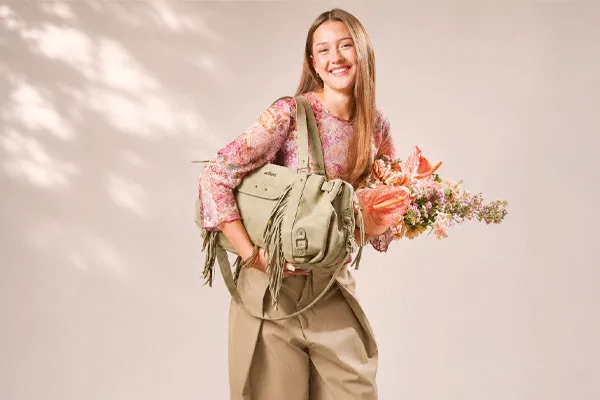
Personalized Reusable Totes: A B2B Guide to Custom Reusable Shopping Bags
A promotional product only continues working if people keep it.
That is why promotional tote bags should not be designed only for the day they are distributed.
Imagine two products at a trade show.
The first bag is thin, uncomfortable, and just large enough to carry brochures. Visitors use it at the show and leave it in their hotel room.
The second has comfortable handles, enough capacity for normal shopping, a clean design, and good construction. Some visitors take it home and keep using it.
Both were promotional products.
Only one had a strong chance of continuing to promote your brand.
The following is a planning framework, not industry performance data.
| Priority | Event Giveaway | Corporate Program | Retail Merchandise |
|---|---|---|---|
| Low unit cost | ★★★★★ | ★★★ | ★★ |
| Repeated use | ★★★ | ★★★★★ | ★★★★★ |
| Premium appearance | ★★ | ★★★★ | ★★★★★ |
| Large branding area | ★★★★★ | ★★★★ | ★★★ |
| Product customization | ★★ | ★★★★ | ★★★★★ |
This is why promotional bags should be specified around campaign objectives.
A very large custom printed logo can work for an event. A lifestyle product may need more subtle tote bags with your logo, such as a small print, woven label, embroidered mark, or custom color combination.
The objective is not always maximum logo size.
It is maximum useful exposure.
Words such as eco-friendly, green, sustainable, recycled, and recyclable can influence purchasing decisions.
They also need care.
The U.S. Federal Trade Commission advises marketers against broad, unqualified environmental benefit claims such as “green” or “eco-friendly” because such statements can imply benefits that are difficult to substantiate. It recommends describing the specific environmental benefit instead.
ISO 14021:2026 similarly provides requirements and guidance for self-declared environmental claims and emphasizes documented support for the validity of such claims.
For B2B buyers, that means this:
Instead of:
“100% eco-friendly tote.”
Use a specific, supportable statement when appropriate, such as:
“Main body fabric contains X% recycled material.”
The exact wording should match the evidence available for the specific project.
If you are sourcing custom eco-friendly bags or recycled tote bags, confirm:
Do not assume that replacing plastic bags with cotton automatically makes every environmental indicator better.
UNEP’s life-cycle review stresses that different materials create different environmental trade-offs and that repeated use is critical.
So for a reusable product program, one of the most practical design goals is simple:
Build a bag people can and want to keep using.
A beautiful photo is not enough to approve a bulk order.
Use the sample.
Fill it. Carry it. Fold it. Open it. Close it. Check the seams.
For a durable tote, physical use reveals problems that measurements alone may not show.
| Checkpoint | What to Confirm |
|---|---|
| Finished dimensions | Width, height, depth |
| Material | Composition, weight, feel |
| Color | Approved reference or Pantone |
| Logo | Size, position, color |
| Coverage, registration, adhesion | |
| Handles | Width, length, symmetry |
| Reinforcement | Stitching at load points |
| Gusset | Finished depth and shape |
| Size and placement | |
| Closure | Smooth function if included |
| Labels | Content and location |
| Packing | Folding and presentation |
| Carton | Quantity and export protection |
If you are developing quality tote bags for repeat retail sales, also load the sample with representative contents.
For example, if your target customer will use the bag for books, test it with books.
If it is meant for grocery shopping, load typical grocery items.
If it is a conference product, fill it with catalogs, notebooks, bottles, and merchandise.
Consider a distributor developing a 12,000-piece campaign.
The first idea is a lightweight flat tote because it offers a lower unit cost. But the final campaign requires attendees to carry catalogs, a water bottle, samples, and a notebook.
After sample testing, the buyer realizes the narrow handles feel uncomfortable and the flat body has too little useful capacity.
The specification changes to a wider handle and a bottom gusset before production.
This example is illustrative, not an actual IONIA BAG case result. But it shows why sampling matters.
The cheapest untested specification can become the expensive choice if the product does not perform its job.
The first order gets attention.
The second order tests the supplier.
When buying tote bags in bulk, brands should think beyond the current shipment, especially if the design may become a permanent SKU, regular corporate program, or annual promotion.
You need repeatability.
Important controls include:
These details matter for wholesale tote bags because even small changes can be visible when inventory from two batches appears together.
Bulk pricing is not based on quantity alone.
Common cost drivers include:
A simple custom tote bag with one-color printing and a complex lined tote with hardware cannot be compared on quantity alone.
The same principle applies to wholesale bulk purchasing.
Send a complete specification whenever possible. You will receive a more useful quotation and make supplier comparisons easier.
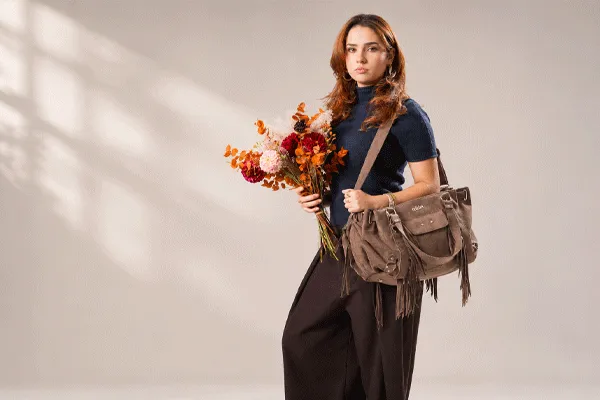
Personalized Reusable Totes: A B2B Guide to Custom Reusable Shopping Bags
For B2B buyers, there are two very different ways to purchase a tote.
The first is to buy a finished blank product and add a logo.
The second is to develop the actual product.
As a China-based custom bag manufacturer, we focus on the second model for buyers who need OEM, ODM, private-label, and scalable bulk production.
With OEM manufacturing, you provide the design or technical specification.
We manufacture according to your required:
This works well for established brands with a defined custom design.
With ODM, you may begin with a target market, product reference, function, budget level, or existing structure and then customize it.
This can be useful for distributors, e-commerce sellers, promotional product companies, or new private-label brands that do not yet have a complete technical drawing.
Private-label projects can include more than bags with your logo.
Depending on the project, buyers may specify:
For custom reusable bags, our goal is to help buyers turn the initial concept into a repeatable production specification.
The general process is:
Requirement → Material Selection → Design Review → Sampling → Sample Approval → Bulk Production → QC → Packing → Shipment
This structure is especially important when you expect repeat orders.
Consistency matters more each time the program grows.
There is no single best material. Cotton, canvas, polyester, woven polypropylene, non-woven polypropylene, jute, and recycled materials each suit different uses. Choose based on expected load, reuse frequency, branding, target price, care requirements, and selling channel.
Yes. Custom reusable shopping bags can include printed logos, embroidery, woven labels, custom colors, handles, pockets, closures, packaging, and other details. Factory-level production allows deeper customization than simply printing a standard blank product.
Not automatically. Environmental impact depends on production, weight, reuse frequency, transport, washing, disposal, and other factors. UNEP’s review of life-cycle studies shows that cotton bags generally need substantial repeated use to offset their higher production impact in some environmental categories.
Yes. Recycled bags can use materials such as recycled polyester, depending on the project. If you plan to make a recycled-content claim, confirm the percentage, scope, documentation, and applicable market requirements instead of using a vague environmental statement.
For a custom order, send your quantity, target dimensions, material preference, logo artwork, intended use, target market, packaging needs, and requested delivery schedule. Reference photos or sketches also help when a full specification is not available.
Yes. Promotional reusable bags can be developed for company events, corporate gifts, loyalty programs, exhibitions, marketing campaigns, retail launches, and employee programs. The structure and branding should match the expected use and budget rather than relying on one universal tote design.
A bag becomes a stronger marketing product when people choose to keep it.
That is why buyers should look beyond print size and initial unit cost.
Think about how the tote will feel after ten shopping trips. Think about the handles when the bag is full. Think about whether the design still makes sense outside your event booth. Think about whether your next shipment can match the first one.
For importers, distributors, private-label retailers, e-commerce sellers, promotional product suppliers, corporate buyers, and lifestyle brands, those details determine whether custom reusable tote bags become a short campaign item or a product customers continue to use.
As a factory-direct custom bag manufacturer, we support OEM, ODM, and private-label projects from material selection and sampling through bulk manufacturing, quality control, packaging, and export preparation.
If you are developing branded reusable totes, start with the real use case.
Then build the product around it.
We will reply you within 24 hours. If for urgent case, please add WhatsApp/WeChat: +86 15066236153,. Or call +86 17657177170 directly.
*We respect your confidentiality and all information are protected.
We will only use your information to respond to your inquiry and will never send unsolicited emails or promotional messages.
 last blog
