







Quel est le meilleur cuir pour un portefeuille ? Les différents types de cuir pour des portefeuilles haut de gamme
30 juin 2026
Choisir un cuir inadapté peut entraîner l'apparition de fissures, un écaillage ou une déformation prématurée du portefeuille. Cela nuit aux avis sur vos produits, aux commandes répétées et à la confiance accordée à votre marque. La solution est simple : identifiez le type de cuir adapté à votre marché avant de lancer la production de portefeuilles.
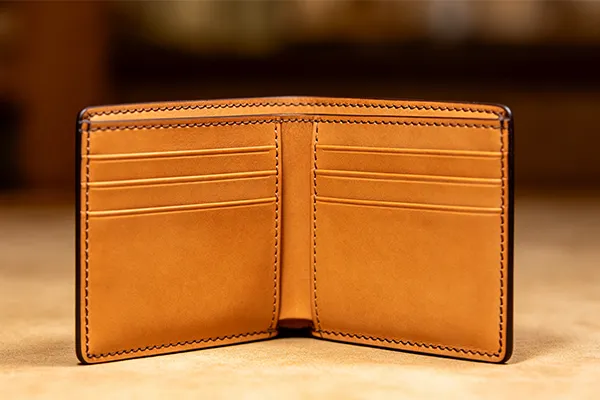
Le meilleur cuir pour un portefeuille est généralement le cuir pleine fleur, car il conserve la couche externe la plus résistante, offre un toucher naturel et acquiert une belle patine au fil du temps. Pour un aspect plus lisse et un prix plus abordable, le cuir de première fleur constitue également un excellent choix. Évitez le cuir reconstitué pour les portefeuilles haut de gamme, car il est fabriqué à partir de chutes de cuir et présente une durabilité moindre.
Un portefeuille est petit, mais il est mis à rude épreuve au quotidien. On l'ouvre, on le plie, on s'assoit dessus, on en sort des cartes et on le glisse dans des poches chaudes. C'est pourquoi le choix du cuir est essentiel. Un cuir adapté permet au portefeuille de conserver sa fermeté, de bien vieillir et de s'embellir avec le temps. Un cuir inadapté peut paraître beau sur les photos, mais s'avérer décevant dans la vie de tous les jours.
Pour les importateurs, les distributeurs, les détaillants de marques de distributeur, les vendeurs en ligne et les fournisseurs d'articles promotionnels, le cuir n'est pas seulement un matériau. C'est une promesse commerciale. Un acheteur qui commande un portefeuille en cuir s'attend à un toucher agréable, des bords soignés, des coutures solides et une longue durée de vie. Si le produit en cuir donne une impression de mauvaise qualité, c'est toute la marque qui peut en pâtir.
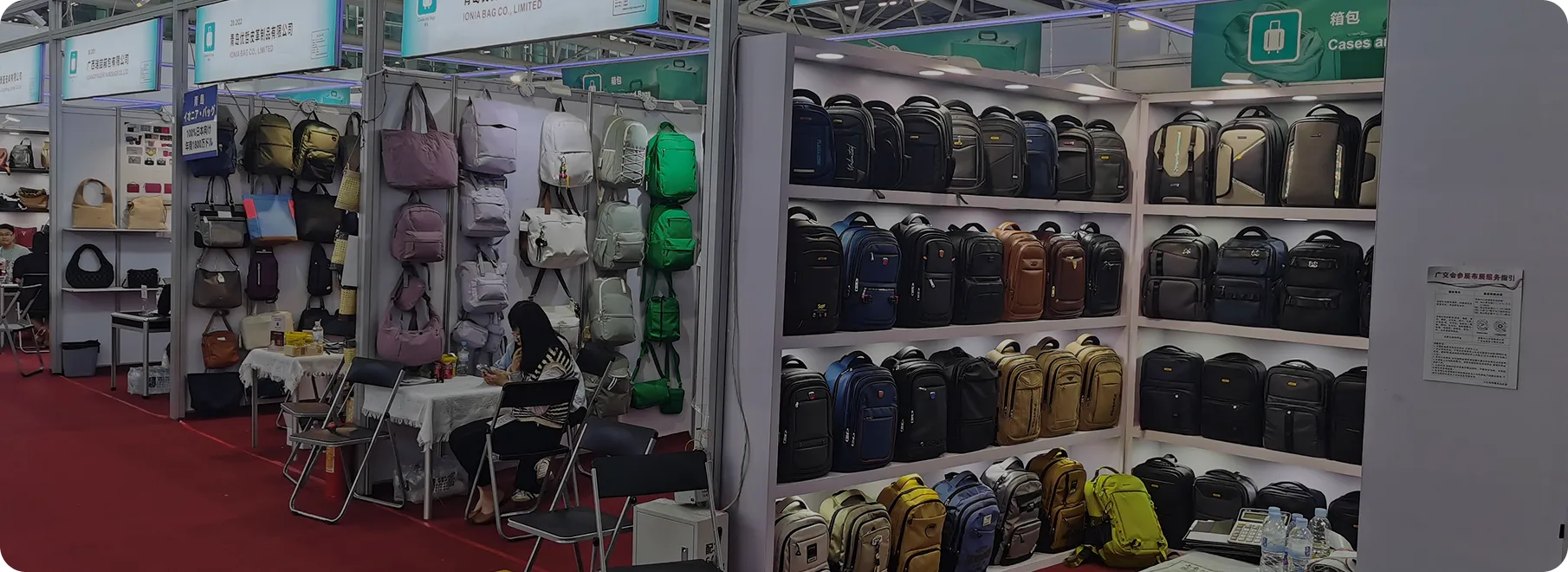
En tant qu'entreprise basée en Chine fabricant de sacs sur mesure En proposant des solutions OEM, ODM et de marque de distributeur, nous abordons le cuir pour portefeuilles sous deux angles : la conception du produit et la production en série. Un bel échantillon ne suffit pas. Le cuir doit également permettre une découpe, une couture et un conditionnement stables, ainsi que la gestion des commandes récurrentes.
Quel est le meilleur cuir pour un portefeuille ? Les différents types de cuir pour des portefeuilles haut de gamme
Pour la plupart des portefeuilles haut de gamme, le cuir pleine fleur est le meilleur choix. Il conserve sa surface à grain naturel, ce qui signifie que la couche la plus résistante de la peau reste intacte. Le Laboratoire de recherche sur le cuir définit le cuir pleine fleur comme un cuir dont la surface à grain d'origine a été conservée et n'a pas été éliminée par polissage, ponçage ou refendage.
C'est pourquoi de nombreux acheteurs optent pour du cuir pleine fleur lorsqu'ils souhaitent acquérir un portefeuille qui durera longtemps. Ce type de cuir peut présenter de petites marques, un grain particulier et un aspect naturel. Il ne s'agit pas toujours de défauts. Dans de nombreux cas, ces caractéristiques prouvent que le cuir est un matériau naturel. Le portefeuille peut également se patiner, ce qui signifie que sa couleur et sa surface s'enrichissent avec l'usage.
Pour autant, le cuir pleine fleur n'est pas la seule solution. Une marque peut opter pour du cuir de première couche afin d'obtenir un aspect plus épuré, un meilleur contrôle des couleurs et un meilleur rapport qualité-prix. Le choix du cuir le mieux adapté à un portefeuille dépend de votre marché, de votre gamme de prix, de votre style de conception et des attentes de vos clients.
Le cuir pleine fleur provient de la couche supérieure de la peau. Cette couche se caractérise par des fibres serrées, une texture naturelle et une grande résistance à l'usure. Comme il ne subit pas de corrections importantes, il conserve davantage l'aspect d'origine du cuir. C'est ce qui confère au cuir pleine fleur sa solidité, son toucher et son caractère durable.
Dans les collections de portefeuilles en cuir haut de gamme, le cuir pleine fleur raconte une histoire forte. Il renforce le positionnement haut de gamme et permet d'offrir la meilleure expérience possible aux acheteurs qui apprécient le vieillissement naturel, le toucher et la durabilité. De nombreux portefeuilles en cuir pleine fleur s'assouplissent et acquièrent un caractère plus personnel au fil du temps.
Le compromis est clair. Le cuir pleine fleur peut présenter une imperfection, telle qu’une petite marque, une cicatrice ou une variation de couleur. Pour lmarques de luxe et de tradition, cela peut constituer un argument de vente. Pour les marques de mode qui recherchent un aspect cuir très homogène, cela peut nécessiter un tri minutieux et des critères de sélection des matières plus stricts.
Oui. Le cuir de première qualité peut être un excellent choix pour les portefeuilles, en particulier lorsque votre marque recherche une surface plus lisse et plus homogène. Dans le jargon du secteur, le cuir de première qualité est souvent légèrement poncé ou traité afin d'atténuer les marques visibles. Il peut présenter un aspect plus net que le cuir pleine fleur et s'harmoniser plus facilement sur les commandes en grande série.
Les portefeuilles en cuir de première qualité constituent un excellent choix pour les programmes de vente au détail, les cadeaux d'entreprise et les produits destinés au commerce en ligne qui exigent une couleur et un aspect de surface stables. Même s'ils ne développent pas la même patine profonde que le cuir pleine fleur, ces portefeuilles n'en restent pas moins résistants, pratiques et esthétiques.
Si vous hésitez entre le cuir pleine fleur et le cuir de première fleur, pensez à votre client. Un amateur de produits traditionnels appréciera peut-être les marques naturelles. Un acheteur de cadeaux d'entreprise préférera peut-être une finition lisse, noire ou marron. Lorsque vous comparez les options de cuir pleine fleur et de première fleur, le cuir idéal est celui qui correspond à votre canal de vente.
L'expression « cuir véritable » semble évocatrice, mais elle peut prêter à confusion chez les acheteurs. Elle signifie que le matériau est du vrai cuir, mais ne donne pas toujours d'indication sur la qualité de celui-ci. Un portefeuille en cuir véritable peut convenir pour des produits bon marché, mais il n'est pas comparable à du cuir pleine fleur de haute qualité.
Le site « Leather Naturally » décrit le cuir reconstitué comme un matériau composé de poussière, de chutes et de copeaux de cuir, liés entre eux par une substance de base, souvent synthétique. C'est pourquoi le cuir reconstitué est généralement un choix de moindre qualité pour les portefeuilles qui doivent présenter une longue durée de vie, des plis résistants et une bonne finition des bords.
Pour les programmes de marque sérieux, demandez des informations précises sur les matériaux. Ne vous contentez pas d'étiquettes vagues. Demandez si le cuir est de pleine fleur, de première fleur, refendu, corrigé, enduit, contrecollé, tanné végétal, tanné au chrome ou recyclé. Des désignations claires vous aideront à choisir le meilleur type de cuir et à éviter les mauvaises surprises.
Chaque modèle de portefeuille exige des propriétés différentes du cuir. Un portefeuille à deux volets nécessite un cuir qui se plie facilement sans se fissurer. Il ne doit pas être trop épais, sinon le portefeuille fini sera trop volumineux. Le cuir pleine fleur ou de première qualité, d'une épaisseur équilibrée, convient souvent bien à ce type de portefeuille.
Un portefeuille minimaliste se caractérise par une forme épurée, des fentes à cartes bien ajustées et une structure fine. Dans ce cas, un cuir plus épais n'est pas forcément l'idéal, à moins que le design ne soit très simple. Un portefeuille à poche avant doit rester fin ; l'épaisseur du cuir, la doublure et la finition des bords sont donc plus importantes qu'une structure trop lourde.
| Modèle portefeuille | Sens de grain recommandé pour le cuir | Principale préoccupation des acheteurs |
|---|---|---|
| Pliage classique en deux | Cuir pleine fleur ou cuir de première qualité | Équilibre entre résistance et confort de pliage |
| Portefeuille minimaliste | Cuir fin de première qualité ou cuir fin | Forme fine et accès facile à la carte |
| Portefeuille à poche avant | Cuir pleine fleur ou de première couche, léger | Peu encombrant et confortable au quotidien |
| Portefeuille cadeau haut de gamme | Cuir pleine fleur tanné végétal | Histoire, toucher et vieillissement |
| Portefeuille de tous les jours à petit prix | Cuir véritable ou cuir refendu | Maîtrise des coûts et aspect général |
En ce qui concerne les portefeuilles en cuir pour homme, de nombreuses marques privilégient le marron, le noir, le beige, le bleu marine ou le vert foncé. Pour les marques lifestyle, les portefeuilles sur mesure peuvent également intégrer des mélanges de matières, des fils contrastés, des logos en relief, des plaques métalliques ou des coffrets cadeaux griffés.
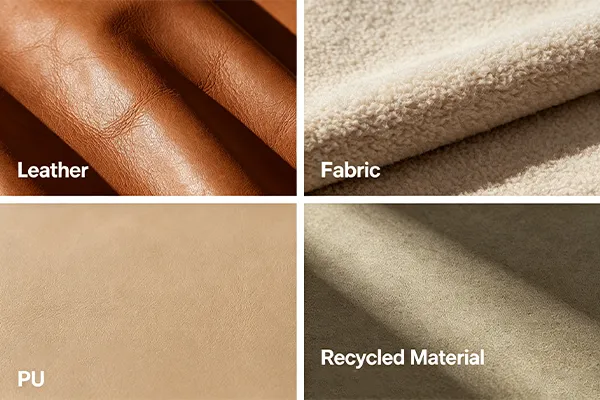
Le cuir tanné végétal est obtenu à l'aide de tanins d'origine végétale ; il est apprécié pour son vieillissement naturel, son toucher ferme et son style classique. Pour un portefeuille vintage, le cuir tanné végétal est idéal, car il peut foncer et développer un aspect unique au fil du temps. Il est souvent utilisé dans la maroquinerie traditionnelle et les projets d'artisanat.
Le cuir tanné au chrome est plus couramment utilisé dans la fabrication moderne. Il est généralement plus souple, plus flexible et se décline en de nombreuses couleurs et finitions. Il peut s'agir d'un choix judicieux lorsque votre marque a besoin d'une couleur uniforme en grande quantité, d'un toucher plus doux ou d'un approvisionnement plus rapide.
Le choix dépend de votre plan de fabrication d'un portefeuille. Si votre marque commercialise des articles haut de gamme qui vieillissent lentement, le cuir tanné végétal pourrait mieux convenir. Si vous avez besoin d’une gamme de portefeuilles souples, colorés et évolutifs, le cuir tanné au chrome pourrait s’avérer plus pratique. Les deux options peuvent être valables à condition que le cuir utilisé soit de qualité constante et que la finition soit soigneusement contrôlée.
Pour évaluer la qualité, ne vous fiez pas uniquement aux photos. Demandez des échantillons de matière, précisez l'épaisseur, le type de finition, le nuancier, les tests à effectuer et des échantillons de portefeuilles. Touchez le cuir. Pliez-le. Observez les bords. Vérifiez si l'aspect du cuir correspond au niveau de votre marché.
L'inspection du cuir est importante car les peaux naturelles peuvent présenter des marques, des cicatrices et des irrégularités de surface. Les recherches menées sur la détection des défauts du cuir soulignent que le prix et la qualité du cuir dépendent fortement des défauts de surface, et que l'inspection visuelle constitue une étape clé dans la production du cuir.
Suivez cette vérification rapide :
| Point de contrôle | Ce qu'il faut rechercher |
|---|---|
| Surface | Grain naturel, finition lisse, pas de décollement important |
| Essai de flexion | Pas de fissures faciles au niveau des plis |
| Épaisseur | Adapté à la structure d'un portefeuille |
| Couleur | Ombrage constant sur l'ensemble des panneaux |
| Odeur | Une odeur de cuir naturel, et non une odeur chimique âcre |
| Edge | Coupe nette et belle finition ou peinture |
| Couture | Des lignes droites, une tension parfaite, aucun fil qui pend |
Pour choisir un portefeuille en cuir de qualité, il faut également vérifier la doublure, la qualité de la colle, l'espacement des emplacements pour cartes, la forme des coins et la finition des bords. Un portefeuille est un petit objet. Les petits défauts se remarquent tout de suite.
Avant de contacter un fabricant, préparez votre cahier des charges, votre marché cible, vos échantillons de référence, le type de cuir, la couleur, l'épaisseur, le mode d'apposition du logo, le type d'emballage et la quantité commandée. Cela facilitera grandement la première discussion.
Un résumé succinct peut notamment inclure :
Si vous recherchez un portefeuille qui dure dans le temps, ne vous contentez pas de demander le cuir d'occasion le moins cher. Précisez quel type de cuir vous souhaitez afin que le produit réponde au mieux aux attentes de vos clients. Un cahier des charges clair nous aide à choisir le cuir idéal pour votre portefeuille et à limiter les modifications sur les échantillons.
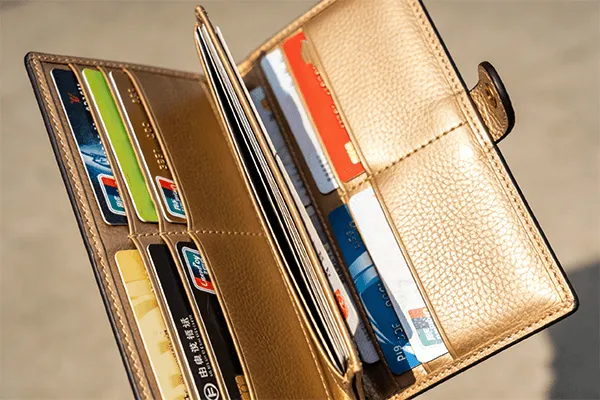
Quel est le meilleur cuir pour un portefeuille ? Les différents types de cuir pour des portefeuilles haut de gamme
Un bon fabricant ne doit pas se contenter de découper et de coudre. Pour les acheteurs B2B, la véritable valeur réside dans le développement de produits, l'approvisionnement en matières premières, la maîtrise des coûts, la réalisation d'échantillons, le contrôle qualité et l'accompagnement à l'exportation. C'est là qu'un fournisseur de sacs et de portefeuilles sur mesure peut devenir un partenaire de production à long terme.
En tant que fabricant chinois de sacs sur mesure, nous proposons des solutions OEM, ODM et de marque blanche pour les importateurs, distributeurs, sociétés commerciales, propriétaires de marques, vendeurs en ligne, acheteurs professionnels, agences de marketing, ainsi que pour les marques de produits de plein air, de voyage et de lifestyle. Nous pouvons vous aider à comparer les cuirs disponibles sur le marché, à examiner la fabrication et à adapter le design en vue d'une production en série.
Par exemple, si votre marque souhaite un portefeuille haut de gamme en cuir pleine fleur, nous pourrions vous proposer un cuir plus épais, une structure simple et une finition à bords naturels. Si votre client recherche un portefeuille destiné à un cadeau d'entreprise, nous pourrions vous proposer un cuir de première qualité, une couleur stable, un logo estampé et un emballage dans un coffret cadeau. L'objectif est simple : rendre le portefeuille attractif, reproductible et en adéquation avec votre marque.
Un acheteur de marque de distributeur peut s'adresser à nous avec deux objectifs : offrir un produit haut de gamme et maîtriser le prix de vente au détail. Dans un premier temps, il peut demander du cuir pleine fleur, car il a entendu dire que c'était la meilleure qualité. C'est un bon début, mais ce n'est pas toujours la solution idéale.
Après avoir examiné le modèle, on constate peut-être que le portefeuille comporte de nombreux emplacements pour cartes, un compartiment à pièces et un profil fin. Si le cuir est trop épais, le portefeuille devient encombrant. Dans ce cas, nous pouvons proposer un modèle en cuir pleine fleur plus fin ou une option en cuir de première qualité offrant un meilleur confort de pliage.
Voilà comment fonctionne réellement le développement d'un produit. La qualité ne se résume pas à la marque du cuir. Elle dépend aussi matériau assorti, la structure, le prix et les besoins des utilisateurs. C'est ainsi que les marques choisissent la meilleure option et fabriquent des portefeuilles de grande qualité que les clients apprécient d'utiliser.
| Option cuir | Meilleur pour | Résistance | Attention à |
|---|---|---|---|
| Cuir pleine fleur | Portefeuilles haut de gamme, marques de tradition | Solide, naturel, vieillit bien | Coût plus élevé, marques naturelles |
| Cuir grain supérieur | Portefeuilles destinés au grand public, cadeaux d'entreprise | Fluide, cohérent, pratique | Caractère moins naturel |
| Cuir véritable | Portefeuilles d'entrée de gamme | Du cuir véritable à moindre coût | De manière générale, la qualité varie |
| Cuir aggloméré | Articles à très bas prix | Prix bas | Durabilité moindre, qualité inférieure |
| Cuir tanné végétal | Portefeuilles vintage et artisanaux | Patine et toucher ferme | Sensible à l'eau et aux traces |
| Cuir tanné au chrome | Des gammes de portefeuilles souples et colorés | Flexible et évolutif | Cela dépend de la qualité de la tannerie |
La norme d'audit du Leather Working Group couvre des domaines tels que la traçabilité, la gestion environnementale, la gestion des produits chimiques, la consommation d'eau, la consommation d'énergie, les déchets, les effluents, la santé et la sécurité, ainsi que la responsabilité sociale, ce qui est utile pour les marques soucieuses d'un approvisionnement responsable.
Le cuir pleine fleur est généralement le meilleur choix pour un portefeuille, car il conserve son grain naturel, offre une grande résistance et se patine avec le temps. Le cuir de première couche constitue également un excellent choix lorsque l'on recherche un aspect plus épuré et une finition plus homogène.
Le cuir véritable peut être utilisé pour la fabrication de portefeuilles, mais ce terme est très large. Il désigne du cuir authentique, mais pas nécessairement de grande qualité. Pour un portefeuille haut de gamme, demandez des précisions sur le “ cuir pleine fleur ” ou le « cuir de première fleur » plutôt que de vous contenter de la mention « cuir véritable ».
Le cuir pleine fleur est préférable pour son caractère naturel, sa résistance et son vieillissement. Le cuir de surface est préférable pour un aspect plus lisse, une couleur plus uniforme et un meilleur contrôle des coûts. Le choix du cuir idéal pour un portefeuille dépend du niveau de la marque et de la clientèle cible.
Pour un portefeuille fin, optez pour du cuir pleine fleur plus fin, du cuir de première qualité ou un cuir fin offrant une bonne souplesse. Évitez le cuir trop épais, car il risque de rendre le portefeuille encombrant et difficile à fermer.
Le cuir pleine fleur peut présenter des rayures, car sa surface naturelle est moins retouchée. De nombreux acheteurs apprécient cette caractéristique, car les portefeuilles en cuir acquièrent ainsi un aspect unique au fil du temps. Si votre clientèle recherche une surface plus lisse, le cuir de première couche pourrait être plus facile à vendre.
Les chutes de cuir peuvent être utilisées pour de petits projets de maroquinerie ou des articles à faible coût, mais elles ne constituent pas la solution idéale pour une production en série stable. Pour les commandes sous marque de distributeur, il est plus important de s'approvisionner en cuir de manière régulière que d'utiliser des chutes de cuir aléatoires.
Nous vous répondrons dans les 24 heures. En cas d'urgence, veuillez ajouter WhatsApp/WeChat : +86 15066236153,. Ou appelez directement +86 17657177170.
*Nous respectons votre confidentialité et toutes les informations sont protégées.
Nous n'utiliserons vos informations que pour répondre à votre demande et n'enverrons jamais de courriels non sollicités ou de messages promotionnels.
 dernier blog
