








Custom Men’s Wallet Manufacturer: How to Choose Leather Wallets for Men, Materials, Styles, and OEM Options
September 01, 2026
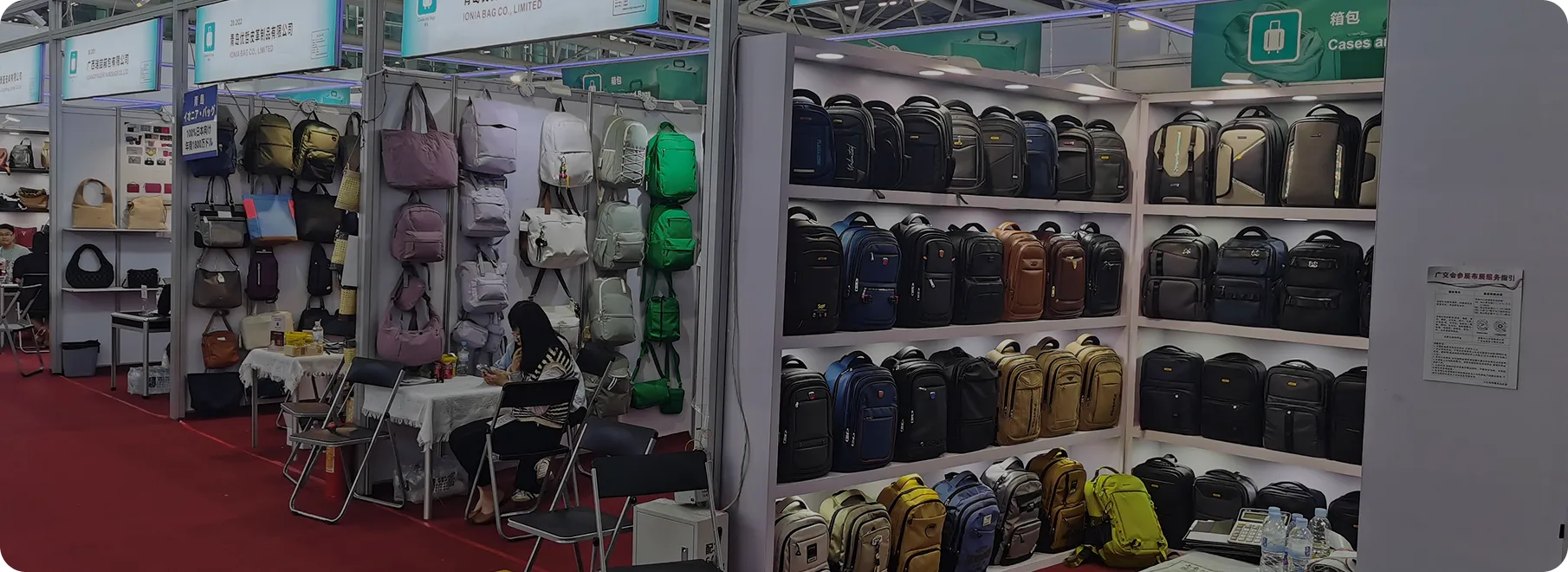
A wallet can look premium in a sample but fail after bulk production if the leather, stitching, logo, lining, or card-slot construction changes. For brands and importers, the solution is to control specifications before mass production and work with a custom men’s wallet manufacturer that understands repeatable OEM manufacturing.
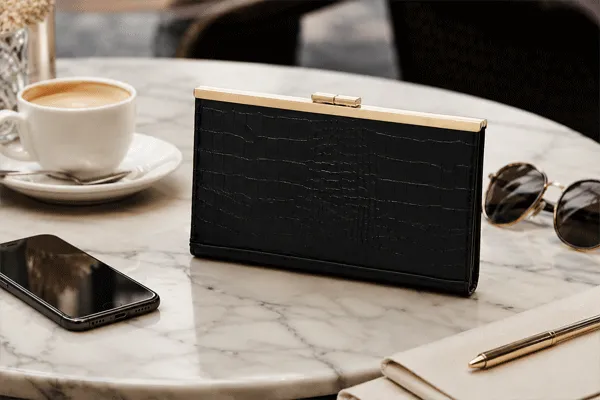
A custom men’s wallet manufacturer produces wallets for men according to a buyer’s design, material, size, logo, color, packaging, and quantity requirements. Buyers can customize bifold, trifold, minimalist, card-holder, coin, and money-clip styles using real leather, synthetic materials, or mixed constructions. The best supplier should support sampling, OEM/ODM development, quality inspection, private labeling, bulk production, packaging, and international shipping.
Custom Men’s Wallet Manufacturer: How to Choose Leather Wallets for Men, Materials, Styles, and OEM Options
For a consumer, choosing a wallet may take five minutes.
For an importer ordering 5,000 pieces, the decision is much bigger.
A small change in leather thickness, edge paint, lining, thread tension, card-slot width, or logo position can affect thousands of finished products. That is why successful bulk sourcing starts with a detailed product specification, not just a reference photo.
As a China-based custom bag manufacturer serving global B2B buyers, we approach men’s wallets in the same way we approach bags and other accessories: understand the target market first, develop the right construction, approve a physical sample, then control mass production against that approved standard.
This guide explains what importers, distributors, private-label brands, e-commerce sellers, promotional companies, and lifestyle brands should check before ordering a custom wallet.
A professional factory does much more than sew pieces of material together.
For an OEM project, the buyer normally supplies a design, reference sample, technical drawing, or product idea. The manufacturer then develops the item according to the requested materials, dimensions, logo, internal layout, and packaging.
For ODM, the process can begin earlier. A buyer may only know the target customer, selling price, and preferred style. The manufacturer can then help develop a suitable wallet structure.
Typical services include:
This is especially useful for a brand that does not want to build its own product-development department.
A buyer might say:
“We need a slim men’s wallet for an outdoor lifestyle brand, six card slots, RFID lining, dark brown leather, embossed logo, and recycled gift packaging.”
That is enough to begin an engineering discussion.
The manufacturer turns the idea into a repeatable product.
The first decision is structure.
Different customers carry different amounts of cash, cards, coins, and identification. That is why one wallet cannot serve every market equally well.
| Geldbörsenmodell | Typical Features | Gut für |
|---|---|---|
| Brieftasche | Folds once, card slots + cash section | Mainstream retail |
| Dreifach | Three folding sections | More storage |
| Minimalistische Geldbörse | Compact, fewer slots | Urban / lifestyle brands |
| Kartenhalter | Small card-focused design | Premium minimalist market |
| Geldklammer-Brieftasche | Clip + limited card storage | Slim carry |
| Coin wallet | Coin compartment included | Markets using more coins |
| Travel wallet | Larger dimensions | Travel customers |
| Geldbörse mit Fronttasche | Compact shape | Everyday carry brands |
The traditional bifold remains popular because it balances storage and size.
A leather bifold may include four, six, eight, or more card slots, a cash section, hidden pockets, and optional ID windows.
For customers who want more storage, trifold wallets can provide additional compartments. However, they also become thicker when full.
For modern lifestyle brands, minimalist wallets and a leather card holder are often attractive because they reduce bulk.
A buyer can also design custom structures that combine several ideas—for example, a bifold with removable holder, coin pocket, or magnetic money clip.
There is no single best leather for every product.
The right choice depends on your target price, appearance, durability requirements, brand positioning, and market.
Common leather options can include:
Full-grain leather retains the natural outer grain surface and is often selected for premium products where buyers want natural character and long-term aging.
A high-quality full grain leather wallet can develop a patina over time and age beautifully.
But the term “full-grain” should be used accurately.
The U.S. Federal Trade Commission’s leather-product guidance covers wallets, billfolds, coin purses, card cases, and similar goods and warns against misleading representations about leather composition.
For B2B buyers, that means product descriptions should match the actual material.
Do not ask the factory to label a product “full grain” unless the supplied material supports that claim.
Custom Men’s Wallet Manufacturer: How to Choose Leather Wallets for Men, Materials, Styles, and OEM Options
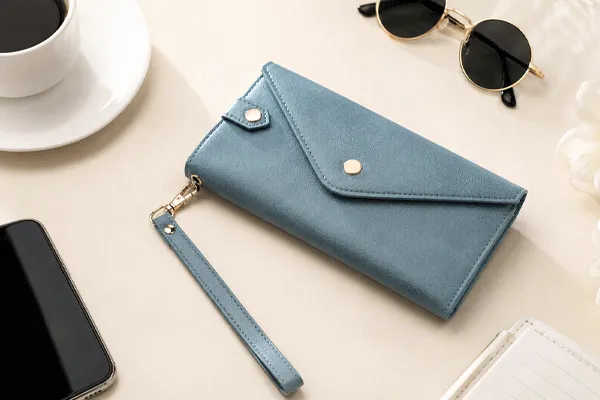
These materials can provide a more uniform surface.
They can work well for large-volume leather wallets for men where consistent color and finish are important.
Not every Benutzerdefinierte Brieftasche needs real leather.
Brands can also use:
The important question is not “Which material sounds most premium?”
Ask:
Which material fits the customer, retail price, design, durability target, and compliance requirements?
Nicht unbedingt.
This is an important B2B distinction.
Many handmade leather wallets involve both machinery and manual work.
For example, a factory may use machines for:
Workers may still perform manual operations such as:
This combination creates consistent production while preserving important craftsmanship.
For buyers looking for custom handmade leather wallets, it is better to define exactly which parts must be hand-finished rather than relying on the word handmade alone.
A highly handcrafted wallet may carry a higher labor cost.
That can be perfect for a premium lifestyle collection.
It may be unnecessary for a mass promotional order.
Good sourcing is about matching manufacturing methods to the intended product.
Leather quality gets most of the attention.
Construction often determines whether the wallet is actually built to last.
A strong wallet depends on several details working together.
Material that is too thin may feel weak.
Material that is too thick can make a bifold wallet bulky and difficult to fold.
Card pockets receive repeated pulling and stretching.
Poorly reinforced edges may deform.
Check:
Edges may be:
Each creates a different look and production cost.
A leather surface does not mean every internal layer is leather.
Some wallets use textiles or reinforcement materials inside the construction.
This can improve structure while controlling thickness.
A good seam should remain neat when the wallet bends repeatedly.
When we evaluate a new accessory design for production, we look at the complete structure rather than one visible material.
That is what protects long-term durability.
There are many ways to personalize a wallet.
Logo treatment is only the beginning.
A minimalist luxury brand may prefer a small blind-debossed logo.
A promotional company may want a large visible print.
A fashion retailer may choose custom metal hardware.
For some projects, buyers want each personalized wallet to carry an individual name, initial, number, or message.
This is common for:
In these cases, the manufacturing workflow changes because every piece may require different personalization data.
The buyer needs a clear system for:
For personalized wallets for men, even a small spelling mistake can make the item unsellable.
Data checking becomes part of production quality.
Private-label development usually starts with the target market.
Before asking a supplier to customize anything, define:
Then build the specification.
Custom Men’s Wallet Manufacturer: How to Choose Leather Wallets for Men, Materials, Styles, and OEM Options
Product: Men’s bifold wallet
Material: Full-grain or top-grain leather
Color: Dark brown
Size: Custom
Card capacity: 8 slots
Cash section: 1
Coin pocket: None
Logo: Debossed
Lining: Customized textile
Packaging: Rigid gift box
Quantity: 3,000 pcs
The same basic men’s wallet can be repositioned dramatically through different material and branding choices.
A rugged outdoor version might use:
A formal business version might use:
A fashion collection might use:
This is where OEM/ODM becomes useful.
The product is not simply another generic wallet.
It becomes part of the brand system.
For higher-end leather goods, raw material sourcing matters.
Leather can vary by:
Terms such as American leather or full-grain American leather may appear in retail markets, but buyers should request actual sourcing documentation if origin is an important selling claim.
Do not treat an origin phrase as a decorative marketing term.
For brands with environmental or traceability goals, the Leather Working Group is one commonly used industry framework. Its Leather Manufacturer Standard evaluates areas including traceability, chemical management, water and energy use, waste, emissions, health and safety, and environmental management.
A buyer may therefore ask:
Not every project requires certified material.
But sustainability claims should be supported rather than guessed.
Never move directly from an image to mass production if the design is new.
Probenahme is essential.
A typical process looks like this:
Idea → Specification → Material Selection → Prototype → Revision → Approved Sample → Mass Production
The first sample checks:
The buyer may request changes such as:
After all changes are finalized, a pre-production sample becomes the reference for mass production.
This sample should define:
For bulk buyers, the approved sample is one of the most important quality-control tools.
A production inspector can compare finished pieces against something physical—not just a photograph.
A high-quality wallet needs consistent workmanship across the complete order.
Quality control should begin before final inspection.
Check:
Check:
Check:
For a wallet expected to last for years, buyers may also request performance testing such as repeated folding, abrasion, colorfastness, seam strength, or hardware testing.
Testing requirements should be agreed before production because different countries and retailers may use different standards.
A wallet sold as an everyday accessory has a simple job.
But it may be opened hundreds or thousands of times.
That repeated use should influence construction.
These terms are often mixed together.
OEM normally means the buyer already has the design.
The manufacturer makes the product according to the specification.
This is ideal for:
ODM involves more product-development support from the manufacturer.
The customer may say:“We need a minimalist premium wallet for men aged 25–40.”
The supplier helps turn that request into a finished design.
ODM may include:
Neither method is automatically better.
A mature brand may prefer strict OEM production.
A new e-commerce seller may benefit from ODM support.
MOQ depends on customization.
There is no universal number.
A simple existing wallet with only a logo change may support a lower MOQ.
A completely new custom leather wallet with special leather, unique hardware, individual colors, and custom packaging may require more units.
Factors affecting MOQ include:
For wholesale buyers, the lowest MOQ should not always be the main goal.
Very small orders can increase unit cost significantly.
Instead, compare:
MOQ + unit price + tooling + sample cost + packaging + freight
That gives a more realistic sourcing picture.
For an e-commerce brand testing a new style, a smaller trial order may make sense.
For an importer supplying retailers, a larger production run can improve cost efficiency.
Lead time depends on design complexity and season.
The full production and shipping timeline normally includes:
The biggest mistake is counting only sewing time.
Custom leather may require its own procurement lead time.
Custom boxes may take another production cycle.
Custom metal logos may require molds.
Holiday production periods can also affect capacity.
For buyers planning retail launches, we recommend building extra time into the schedule.
Do not tell the supplier:
“We need 10,000 wallets delivered next week.”
after spending two months deciding the design.
A realistic calendar reduces expensive air freight and rushed QC.
Packaging serves three jobs:
Protection + presentation + branding
A low-cost promotional wallet may only need:
A premium retail leather wallet may use:
Packaging also affects freight.
A beautiful oversized box can dramatically increase carton volume.
For international bulk buyers, packaging decisions should consider:
Private-label retailers may also require:
Product claims and material descriptions should be accurate. FTC guidance for leather and imitation-leather products applies to wallets and similar articles and specifically addresses potentially deceptive representation of composition.
This is especially important if packaging says:
Only make claims the product can support.
Working with a China-based factory can give B2B customers control over design, production, and sourcing in one place.
For global bulk buyers, useful advantages can include:
The bigger advantage is communication between product development and production.
If the same supplier helps develop the sample and manufactures the bulk order, there is less information loss between design and factory execution.
As a China-based custom bag manufacturer, our focus is not limited to producing one generic wallet.
We work with importers, distributors, brand owners, e-commerce businesses, promotional suppliers, marketing companies, and travel/lifestyle brands that need products built around their own market positioning.
That may mean a timeless leather bifold.
Or a rugged wallet for an outdoor collection.
Or a low-cost branded corporate gift.
Different buyer.
Different product.
Different manufacturing solution.
Yes. Buyers can often change material, color, logo, lining, packaging, card capacity, and other details of an existing design. More significant structural changes may require a new pattern and sample.
It depends on the target market. Full-grain leather is popular for premium products because of its natural surface and longevity, while other leather grades can provide more uniform appearance or lower cost.
Yes, individual names or initials can be added using suitable personalization methods. The production workflow must carefully match each personalized item with the correct customer data.
Yes. The bifold wallet remains a practical mainstream format because it combines cash storage, card capacity, and relatively compact dimensions.
Yes. Custom structures can include a coin purse, removable card case, ID window, card holder, money clip, or additional compartments depending on the design.
Yes. Private-label projects can use custom boxes, pouches, tissue paper, labels, inserts, barcodes, and shipping cartons to match the buyer’s branding and retail requirements.
Wir werden Ihnen innerhalb von 24 Stunden antworten. Wenn für dringenden Fall, fügen Sie bitte WhatsApp/WeChat: +86 15066236153,. Oder rufen Sie direkt +86 17657177170 an.
*Wir respektieren Ihre Vertraulichkeit und alle Informationen sind geschützt.
Wir verwenden Ihre Daten nur zur Beantwortung Ihrer Anfrage und senden Ihnen niemals unaufgefordert E-Mails oder Werbenachrichten.
 letzter Blog
