








Herstellungsprozess von Tragetaschen: Eine Schritt-für-Schritt-Anleitung für Tragetaschen, Schüttgutsäcke und die individuelle Fertigung im Werk
29. Juni 2026
Viele Käufer wissen zwar, welche Tasche sie möchten, wissen aber nicht, wie diese hergestellt wird. Diese Wissenslücke kann zu einer schlechten Materialauswahl, schwachen Nähten, verspäteten Lieferungen und nicht bestandenen Prüfungen führen. Ein klar definierter Herstellungsprozess für Taschen hilft Ihnen dabei, Qualität, Kosten, Vorlaufzeit und Markenergebnisse vom ersten Muster bis zum Versand zu kontrollieren.
Der Herstellungsprozess von Taschen ist ein schrittweises Verfahren, bei dem aus Rohmaterial durch Design, Materialauswahl, Zuschnitt, Bedruckung, Nähen, Zusammenbau, Prüfung, Verpackung und Versand eine fertige Tasche entsteht. Für B2B-Einkäufer hilft das Verständnis dieses Prozesses dabei, Fabriken zu vergleichen, die Qualität zu kontrollieren und Tragetaschen, Großbeutel, Werbetaschen sowie Eigenmarkenprodukte individuell anzupassen.
Die Taschenherstellung Der Produktionsprozess umfasst den gesamten Weg von der Idee bis zur fertigen Tasche. Er beginnt mit dem Design, den Maßen, dem Rohmaterial, der Farbe, der Funktion, der Platzierung des Logos und den Verpackungsanforderungen. Anschließend fertigt die Fabrik ein Muster an, klärt die Details mit dem Einkäufer ab, schneidet den Stoff zu, näht die Teile zusammen, prüft die Qualität, verpackt die Ware und bereitet den Versand vor.
Einfach ausgedrückt besteht der Herstellungsprozess aus vielen kleinen Schritten. Jeder Schritt wirkt sich auf den nächsten aus. Wenn das Material nicht geeignet ist, hält die Tasche möglicherweise nicht genug Gewicht aus. Wenn der Zuschnitt nicht präzise ist, kann die Form ungleichmäßig aussehen. Wenn die Naht zu schwach ist, kann die Tasche im Gebrauch versagen. Kleine Fehler werden bei Großaufträgen zu großen Problemen.
Als in China ansässiger Hersteller von maßgeschneiderten Taschen erleben wir dies häufig. Importeure, Markeninhaber, Anbieter von Werbeartikeln und E-Commerce-Händler benötigen nicht nur einen niedrigen Preis. Sie benötigen eine klare Prozesssteuerung, stabile Qualität, Unterstützung bei der Eigenmarkenentwicklung und ein Fabrikteam, das ihre Idee in ein verkaufsfähiges Produkt umsetzen kann.

Herstellungsprozess von Tragetaschen: Eine Schritt-für-Schritt-Anleitung für Tragetaschen, Schüttgutsäcke und die individuelle Fertigung im Werk
Ein Verständnis des Herstellungsprozesses hilft Einkäufern dabei, gezieltere Fragen zu stellen. Außerdem können sie so Lieferanten fairer miteinander vergleichen. Ein günstiges Angebot mag auf den ersten Blick verlockend wirken, doch dahinter können sich dünnerer Stoff, minderwertige Tragegriffe, minderwertige Reißverschlussteile, schlechte Druckqualität oder zu kurze Prüfzeiten verbergen.
Für B2B-Einkäufer geht es bei der Herstellung von Taschen nicht nur ums Nähen. Dazu gehören auch die Beschaffung, Tests, Mustererstellung, Produktionsplanung, das Aufbringen des Logos, die Verpackung, die Qualitätskontrolle, Exportdokumente und die Lieferung. Importeure und Händler benötigen stabile Folgeaufträge. Markeninhaber benötigen über alle Chargen hinweg einheitliche Farben und Designs. Unternehmenskunden benötigen Werbe-Tragetaschen, die pünktlich für ihre Kampagnen geliefert werden.
Dieses Wissen schützt auch Ihr Budget. Wenn Sie den gesamten Herstellungsprozess von Taschen verstehen, können Sie entscheiden, wo Sie Geld sparen können und wo nicht. So können Sie beispielsweise ein einfacheres Taschendesign wählen, um Kosten zu senken, aber bei den Tragegriffen auf stabilere Nähte setzen, da hier die Haltbarkeit eine größere Rolle spielt.
Durch Design und Prototypenentwicklung wird aus einer Idee ein echtes Muster. In dieser Phase werden Größe und Form der Tasche, der Stoff, die Farbe, die Länge der Henkel, die Position des Reißverschlusses, die Innentasche, das Etikett, das Logo und die Verpackungsart festgelegt. Ein guter Designprozess sollte dafür sorgen, dass die Tasche nicht nur schön, sondern auch praktisch ist.
Für OEM- und ODM-Projekte, kann computergestütztes Design dabei helfen, Maße und Struktur vor der Produktion zu überprüfen. Das Werk kann ein Schnittmuster, ein Muster oder eine digitale Zeichnung erstellen. So lassen sich spätere Unklarheiten vermeiden. Wenn Sie hochwertige Taschen, Outdoor-Taschen, Reisetaschen, wiederverwendbare Taschen oder Tragetaschen aus Segeltuch entwickeln, ist die Mustererstellung besonders wichtig.
Ein Muster hilft dem Käufer zudem dabei, die Tasche zu testen. Passt der Laptop hinein? Liegt der Griff gut in der Hand? Lässt sich der Reißverschluss leicht öffnen und schließen? Sieht das Logo richtig aus? Bleibt die Tasche aufrecht stehen? Ein kluger Käufer lässt sich bei diesem Schritt Zeit. Ein paar Tage Musterprüfung können wochenlange Produktionsprobleme verhindern.
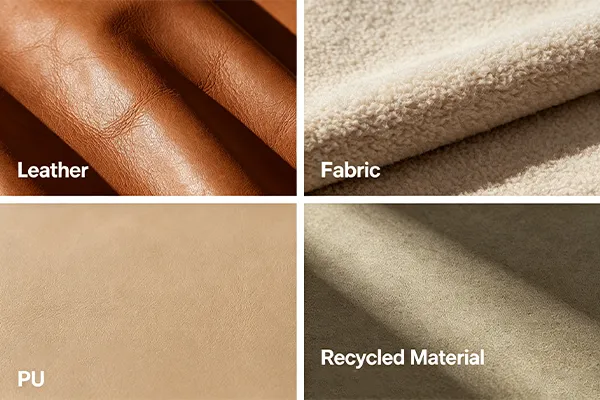
Die Materialauswahl ist einer der wichtigsten Schritte bei der Herstellung von Tragetaschen. Zu den häufig verwendeten Materialien für Tragetaschen zählen Baumwolle, Canvas, Polyester, Nylon, Vliesstoff, laminierter Stoff, Kraftpapier, Jute und recycelter Stoff. Bei einigen Industrieprodukten kommt gewebtes Polypropylen für gewebte Tragetaschen oder laminierte Materialien für BOPP-Tragetaschen zum Einsatz.
Jedes Material hat einen anderen Verwendungszweck. Baumwoll- und Segeltuchtaschen fühlen sich natürlich an und sind bei Lifestyle-Marken beliebt. Polyester ist leicht, strapazierfähig und eignet sich für viele Reise- und Werbetaschen. Papiertüten eignen sich für die Verpackung im Einzelhandel. Plastiktüten kommen zwar immer noch in einigen Verpackungsbereichen zum Einsatz, doch viele Käufer bevorzugen mittlerweile umweltfreundliche, wiederverwendbare Alternativen.
Hier ist eine kurze Übersicht über die Materialien:
| Material | Gängige Beuteltypen | Hauptvorteil | Am besten für |
|---|---|---|---|
| Baumwolle | Tragetasche, Kordelzugbeutel, Geschenktüte | Weich und natürlich | Einzelhandel, Lifestyle, Veranstaltungen |
| Segeltuch | Robuste Tragetasche, Einkaufstasche | Robust und langlebig | Großhandel mit Tragetaschen, hochwertige Markenpräsenz |
| Polyester | Rucksack, Sporttasche, Reisetasche | Leicht und flexibel | Outdoor, E-Commerce, Werbung |
| Vliesstoff | Einkaufstasche, Veranstaltungstasche | Kostengünstig | Werbekampagnen |
| Gewebtes PP | Großsack, Verpackungsbeutel | Hohe Festigkeit | Industrieverpackungen und Landwirtschaft |
| Laminiertes Gewebe | BOPP-Beutel, Einkaufstaschen | Bedruckbarkeit und Feuchtigkeitsbeständigkeit | Einzelhandel und Verpackung |
Wenn Ihre Marke mit Umweltfreundlichkeit werben möchte, fragen Sie den Hersteller, welche Zertifikate und Materialnachweise vorliegen.
Beim Zuschneiden werden Stoffrollen zu geformten Taschenteilen verarbeitet. Aus diesen Teilen entstehen die Vorder- und Rückseite, der Boden, der Seitenfalten, die Tasche, das Futter, der Tragegriff und weitere Bestandteile der Tasche. Das Zuschneiden muss präzise erfolgen, da schon ein kleiner Fehler die endgültige Form verändern kann.
Je nach Auftragsgröße und Material können Fabriken manuelles Schneiden, Stanzen oder automatisierte Schneidemaschinen einsetzen. Bei kleinen Sonderanfertigungen kann das manuelle Schneiden eine flexible Lösung darstellen. Bei größeren Aufträgen können moderne Fertigungsanlagen die Geschwindigkeit und Gleichmäßigkeit verbessern.
Vor dem Zuschnitt prüft das Werk in der Regel die Stoffbreite, die Farbe, eventuelle Mängel, den Schrumpf und die Laufrichtung. Anschließend legt das Team das Schnittmuster so aus, dass möglichst wenig Verschnitt entsteht. Ein guter Zuschnitt spart Material und sorgt für einheitliche Maße. Ein schlechter Zuschnitt führt zu ungleichmäßigen Nähten, verzerrten Formen und Qualitätsbeanstandungen.
Beim Nähvorgang nimmt die Tasche ihre Form an. Die Mitarbeiter nähen die Stoffteile zusammen, bringen die Henkel an, fügen das Futter ein, nähen Taschen ein, setzen den Reißverschluss ein, versäubern die Kanten und verstärken die Belastungspunkte. Das Ziel ist einfach: Die Tasche soll robust, sauber und einheitlich verarbeitet sein.
Ein guter Stich sollte gerade, gleichmäßig und für den jeweiligen Stoff geeignet sein. Für schweres Canvas-Gewebe sind möglicherweise dickeres Garn und verstärkte Nähte erforderlich. Leichtes Polyester erfordert einen sauberen Stich ohne Faltenbildung. Bei einer Reisetasche sind an den Griffstellen möglicherweise Riegelstiche zur Verstärkung erforderlich. Bei einer Tragetasche sind an der Stelle, an der der Griff auf den Taschenkörper trifft, möglicherweise Kreuzstiche erforderlich.
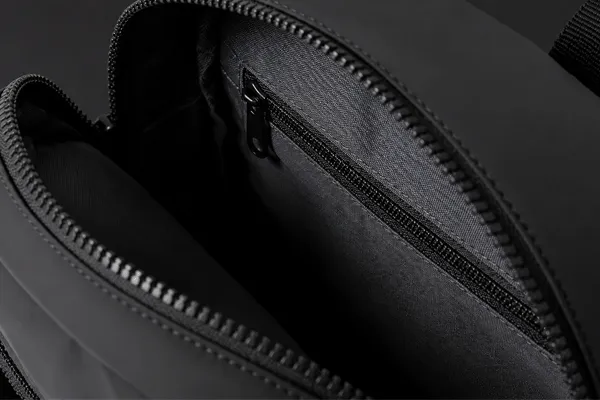
Taschenkonstruktion Dazu gehören auch Details wie Einfassband, Reißverschlusszüge, Schnallen, Druckknöpfe, Etiketten und Innenfächer. Diese Details entscheiden darüber, ob das Endprodukt billig oder hochwertig wirkt. Wenn Sie die Tasche für den Einzelhandel geeignet machen möchten, muss die Fabrik sowohl die Funktion als auch das Erscheinungsbild kontrollieren.
Herstellungsprozess von Tragetaschen: Eine Schritt-für-Schritt-Anleitung für Tragetaschen, Schüttgutsäcke und die individuelle Fertigung im Werk
Die Qualitätskontrolle sollte nicht erst am Ende stattfinden. Ein professioneller Hersteller überprüft die Qualität in mehreren Phasen: Wareneingang, Vorproduktionsmuster, Zuschnitt, Nähen, Logodruck, Endbearbeitung, Verpackung und Endkontrolle. So wird eine Tasche geprüft, bevor sie den Käufer erreicht.
Zu den wichtigsten Prüfpunkten zählen Größe, Farbe, Stofffehler, Nahtfestigkeit, Funktion des Reißverschlusses, Zugfestigkeit der Griffe, Position des Logos, Flecken, lose Fäden, Stückzahl pro Verpackungseinheit und Kartonkennzeichnungen. Bei Großbestellungen wird im Rahmen der Qualitätskontrolle außerdem geprüft, ob jeder Karton mit der Bestellung übereinstimmt.
Hier ist eine praktische Checkliste für die Qualitätskontrolle:
| QC-Phase | Was ist zu prüfen? | Warum es wichtig ist |
|---|---|---|
| Rohstoffprüfung | Stoff, Farbe, Stärke, Mängel | Verhindert, dass fehlerhaftes Material in die Produktion gelangt |
| Musterfreigabe | Größe, Funktion, Logo, Zubehör | Bestätigt die Anforderungen des Käufers |
| Inline-Prüfung | Nähte, Reißverschluss, Einsätze, Griffe | Erkennt Probleme frühzeitig |
| Endkontrolle | Aussehen, Größe, Verpackung, Menge | Sichert die Qualität der Sendung |
| Kartonprüfung | Etikett, Stückzahl, Barcode, Markierungen | Unterstützt die Abwicklung im Lager und im Einzelhandel |
ISO 9001 ist ein gängiges Rahmenwerk für das Qualitätsmanagement. Laut ISO unterstützt es Organisationen dabei, Systeme für gleichbleibende Produkte und Dienstleistungen, Prozessverbesserungen und Kundenzufriedenheit aufzubauen.
Die Herstellung von maßgeschneiderten Taschen umfasst viele verschiedene Arten von Taschen. Das übliche Sortiment umfasst Tragetaschen, Kühltaschen, Kosmetiktaschen, Rucksäcke, Reisetaschen, Kordeltaschen, Einkaufstaschen, Werkzeugtaschen, Wickeltaschen, Sporttaschen, Papiertüten, Stofftaschen, Schüttgutsäcke und Werbetaschen.
Für Markeninhaber kann die Sonderanfertigung die Auswahl des Stoffes, die Farbanpassung, Eigenmarken, den Logodruck, Stickereien, die Farbe des Reißverschlusses, die Länge der Griffe, das Taschendesign, das Futter, das Etikett, den Barcode und die Verkaufsverpackung umfassen. Für Einkäufer im Werbeartikelbereich stehen möglicherweise die Kosten, eine schnelle Lieferung und ein klares Branding im Vordergrund.
Verschiedene Taschen sind für unterschiedliche Verwendungszwecke konzipiert. Eine Werbegeschenktasche erfordert eine saubere Platzierung des Logos. Eine Outdoor-Tasche muss robust und wasserabweisend sein. Eine Einkaufstasche für den Einzelhandel muss gut aussehen und im Regal ansprechend wirken. Ein Großraumbeutel muss eine hohe Tragkraft aufweisen. Eine Taschenmarke sollte die Konstruktion anhand des tatsächlichen Verwendungszwecks auswählen und sich nicht nur vom Aussehen leiten lassen.
Nach der Freigabe des Musters beginnt die Serienfertigung. Das Werk legt den Materialeinkauf, den Produktionsplan, den Zuschnittplan, die Anordnung der Nählinien, den Druckprozess, die Prüfpunkte, die Verpackungsmethode und den Liefertermin fest. Eine gute Planung sorgt für einen reibungslosen Produktionsablauf.
Bei der Massenproduktion muss das Werk die Farbkonsistenz, die Maßtoleranzen, die Nahtfestigkeit, die Genauigkeit des Logos und die Stückzahl pro Verpackung kontrollieren. Für Großabnehmer können Produktionsberichte und Fotos dabei helfen, den Fortschritt zu verfolgen. Dies ist nützlich für Importeure, Distributoren, Marketingagenturen und E-Commerce-Händler, die die Waren zu einem festgelegten Einführungstermin benötigen.
Der Versand ist zwar der letzte Schritt, sollte aber frühzeitig geplant werden. Kartongröße, Bruttogewicht, Versandkennzeichnung, Polybeutel, Barcode, Palettenanforderungen und Exportdokumente – all diese Faktoren beeinflussen die Lieferung. Ein starker Lieferant hilft den Einkäufern dabei, Probleme bei der Wareneingangsabwicklung, der Zollabfertigung und dem Vertrieb im Einzelhandel zu vermeiden.
Ein zuverlässiger Taschenhersteller sollte sich sowohl mit der Produktion als auch mit dem B2B-Service auskennen. Der Lieferant sollte Sie nach Ihrem Zielmarkt, der Stückzahl, dem Material, der Funktion, dem Logo, der Verpackung, dem Budget und dem Liefertermin fragen. Seien Sie vorsichtig, wenn ein Lieferant einen Preis nennt, bevor er sich ein Bild vom Produkt gemacht hat.
Achten Sie auf Produktionsstätten, die über Musterfertigungskapazitäten, Materialbeschaffung, erfahrene Nähteams, Mitarbeiter in der Qualitätskontrolle, Kenntnisse im Bereich Exportverpackung sowie Unterstützung bei Eigenmarken verfügen. Ein guter Taschenhersteller sollte bei Bedarf auch zur Verbesserung des Designs beitragen. So könnte er beispielsweise einen stabileren Tragegriff, einen besseren Reißverschluss oder eine einfachere Taschenstruktur vorschlagen, um die Kosten zu senken.
Hier ist eine Tabelle zur Lieferantenbewertung:
| Bewertungspunkt | Gutes Zeichen | Risikohinweis |
|---|---|---|
| Probenahme | Übersichtliche Beispiel-Zeitleiste und Unterstützung bei Überarbeitungen | Kein Muster vor der Großbestellung |
| Materialbeschaffung | Stellt verschiedene Stoffoptionen vor und erläutert die Unterschiede | Da steht nur “wie auf dem Bild” |
| Logo-Entwicklungsprozess | Empfiehlt Druck, Stickerei, gewebte Etiketten, Aufnäher | Keine Empfehlung zur Vorgehensweise |
| Qualitätskontrollprozess | Enthält Prüfpunkte und Fotos | Erst nach dem Verpacken werden Kontrollen durchgeführt |
| Exportunterstützung | Erkennt Kartons, Markierungen und Dokumente | Schlechte Erfahrungen mit dem Versand |
| Individualisierung | Unterstützt OEM, ODM und Eigenmarken | Verkauft ausschließlich Modelle in festen Größen |
Der richtige Partner sollte Ihnen den Einkaufsprozess erleichtern. Darin liegt der Vorteil einer direkten Zusammenarbeit mit einem Hersteller für maßgeschneiderte Taschen.
Herstellungsprozess von Tragetaschen: Eine Schritt-für-Schritt-Anleitung für Tragetaschen, Schüttgutsäcke und die individuelle Fertigung im Werk
Eine Tasche ist nicht nur ein Behältnis. Für viele Käufer ist sie eine Markenbotschaft. Das Logo, das Etikett, der Anhängeanhänger, der Reißverschlussgriff, das Futter und die Verpackung – all das beeinflusst, wie Kunden das Produkt wahrnehmen. Selbst eine einfache Tragetasche kann hochwertig wirken, wenn das Branding klar gestaltet ist und das Material stimmt.
Zu den gängigen Verfahren zur Logobeschriftung zählen Siebdruck, Thermotransferdruck, Stickerei, gewebte Etiketten, Gummiaufnäher, Lederaufnäher und Metallplaketten. Jedes Verfahren unterscheidet sich hinsichtlich Kosten, Haptik und Mindestbestellmenge. Bei Werbetaschen ist der Siebdruck üblich. Bei hochwertigen Einkaufstaschen wirken Stickereien oder gewebte Etiketten oft ansprechender.
Auch die Verpackung spielt eine Rolle. E-Commerce-Anbieter benötigen möglicherweise einzelne Folienbeutel und Barcode-Etiketten. Einzelhändler benötigen möglicherweise Anhängeetiketten. Firmenkunden benötigen möglicherweise Geschenkverpackungen. Großhändler benötigen möglicherweise stabile Exportkartons. Das Endprodukt sollte so geliefert werden, dass es für den Vertriebskanal des Käufers bereit ist.
Ein Einzelhändler mit Eigenmarken beauftragte uns mit der Entwicklung von Canvas-Taschen für eine Lifestyle-Kollektion. Der erste Entwurf sah gut aus, aber der Tragegriff war für den intensiven Alltagsgebrauch zu schmal. Der Einkäufer wünschte sich ein schlichtes Design, doch eine Tasche ist nur dann strapazierfähig, wenn die Belastungspunkte richtig ausgelegt sind.
Wir haben die Breite der Griffe angepasst, Verstärkungsnähte hinzugefügt, die Innentasche verbessert und einen besseren Reißverschluss für das kleine Fach getestet. Das Logo ist schlicht geblieben. Die Kosten sind leicht gestiegen, aber die Haltbarkeit hat sich deutlich verbessert.
Das Ergebnis war ein besseres Endverbraucherprodukt. Der Einkäufer behielt das gleiche schlichte Design bei, doch die Tasche fühlte sich in der Hand stabiler an. Aus diesem Grund hilft der Herstellungsprozess den Einkäufern dabei, Produkte zu verbessern, bevor sie auf den Markt kommen.
Viele Käufer von Taschen machen Fehler, weil sie sich ausschließlich auf den niedrigsten Preis oder die schnellste Lieferung konzentrieren. Geschwindigkeit und Kosten spielen zwar eine Rolle, sollten aber nicht zu Lasten der Qualität gehen. Eine minderwertige Tasche führt zu Beschwerden, Rücksendungen und einem Imageverlust der Marke.
Vermeiden Sie diese häufigen Probleme:
Ein praktischer Leitfaden hilft dabei, diese Probleme leichter zu vermeiden. Eine gute Planung spart mehr Geld als Notfallmaßnahmen.
Der erste Schritt besteht darin, das Produktdesign und die Anforderungen des Käufers zu bestätigen. Dazu gehören Taschentyp, Größe, Material, Farbe, Logo, Funktion, Menge, Verpackung und der angestrebte Liefertermin.
Das hängt vom Design, vom Material, von der Stückzahl und vom Verfahren zur Logoprägung ab. Einfache Taschen lassen sich möglicherweise schneller herstellen, während maßgefertigte Taschen mit Spezialstoffen, mehreren Fächern, Stickereien oder Eigenmarkenverpackungen mehr Zeit in Anspruch nehmen.
Eine strapazierfähige Tasche benötigt einen geeigneten Stoff, eine gute Konstruktion, verstärkte Belastungspunkte, eine angemessene Stichdichte, robustes Garn und hochwertiges Zubehör. Der Bereich der Tragegriffe ist dabei besonders wichtig.
Ja. Viele Fabriken können wiederverwendbare Taschen aus Baumwolle, Canvas, recyceltem Polyester, Vliesstoff, Jute oder anderen umweltfreundlichen Materialien herstellen. Käufer sollten bei Umweltversprechen nach Zertifikaten oder Materialnachweisen fragen.
OEM bedeutet, dass die Fabrik Taschen nach dem Entwurf des Käufers herstellt. ODM bedeutet, dass die Fabrik den Käufer bei der Entwicklung oder Anpassung von Entwürfen unterstützen kann. Bei der Eigenmarkenproduktion werden in der Regel das Logo, das Etikett, der Anhängeetikett und die Verpackung des Käufers verwendet.
Die Qualitätskontrolle sorgt dafür, dass Mängel bereits vor dem Versand beseitigt werden. Dabei werden Material, Schnitt, Nähte, die Funktion der Reißverschlüsse, die Größe, die Platzierung des Logos, die Verpackung sowie die Angaben auf dem Karton überprüft. Dies schützt sowohl den Käufer als auch den Endkunden.
Wenn Sie ein neues Projekt für Tragetaschen, Werbetaschen, Outdoor-Taschen, Einkaufstaschen oder maßgefertigte Taschen in Großmengen planen, sollten Sie als Nächstes Ihr Design, den Verwendungszweck, die Stückzahl und die Verpackungsanforderungen vor Produktionsbeginn mit einem erfahrenen Team des Herstellers besprechen.



Wir werden Ihnen innerhalb von 24 Stunden antworten. Wenn für dringenden Fall, fügen Sie bitte WhatsApp/WeChat: +86 15066236153,. Oder rufen Sie direkt +86 17657177170 an.
*Wir respektieren Ihre Vertraulichkeit und alle Informationen sind geschützt.
Wir verwenden Ihre Daten nur zur Beantwortung Ihrer Anfrage und senden Ihnen niemals unaufgefordert E-Mails oder Werbenachrichten.
 letzter Blog
