









Sırt Çantası Nasıl Seçilir: İyi Bir Sırt Çantası, Sırt Çantası Paketi veya En İyi Seyahat Sırt Çantasını Akıllı Yolla Satın Alın
14 Mayıs 2026
Yanlış sırt çantası almak çok kolaydır. İnternette bakıldığında gayet iyi görünebilir, ancak daha sonra omuzlarınızı ağrıtabilir, yer israfına neden olabilir ya da ilk gezinizde işlevini yerine getiremeyebilir. İyi bir sırt çantası ise bu sorunları daha ortaya çıkmadan çözer.
A good backpack fits your real use first, then your body, then your gear. To choose a backpack well, look at type, liter capacity, fit, laptop protection, compartment layout, zipper quality, fabric durability, and carry comfort. The best choice depends on whether you need a laptop backpack, a backpacking pack, or the best travel backpack for carry-on travel.
Why do so many people buy the wrong backpack?
What type of backpack do you really need?
How many liters should a backpack have?
How do you tell if a backpack fits correctly?
Which materials, zipper details, and durability features matter most?
Do you need a laptop backpack or a more flexible everyday bag?
What makes the best travel backpack for carry-on travel?
Is a backpacking pack different from a travel pack?
Which compartments and pockets are actually useful?
How should B2B buyers choose the right backpack supplier or private-label partner?
Many people start with looks, not function. They see a sleek backpack, a trendy color, or a low price. But REI’s sizing and fit guides make it clear that the right backpack depends on activity, capacity, features, and fit, not appearance alone. A backpack for commuting, a day pack, and a backpacking pack are built for different jobs, so one shape cannot solve every problem.
I always tell buyers to start with one honest question: what will this backpack carry most days? If the answer is a laptop, charger, notebook, and water bottle, you need a different build than someone planning to go backpacking or someone doing carry-on travel. The mistake happens when shoppers buy one bag for every possible use, then end up with something too bulky for the office or too small for a backpacking trip.
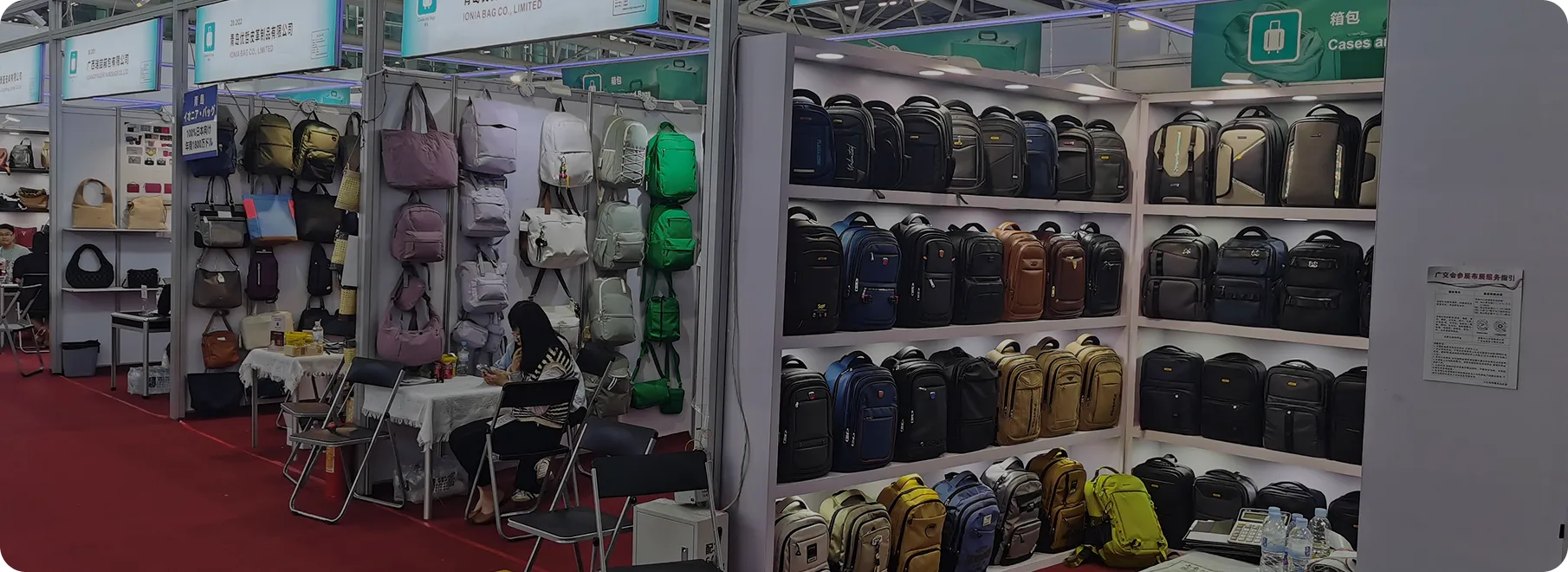
From our side as a China-based OEM, ODM, and private-label manufacturer, we see this clearly: the backpack models that sell best are not the most complicated. They are the ones with clear purpose, smart compartment design, and comfort that feels right from day one. That matters for importers, distributors, private-label brands, and online sellers who need products that are easy to explain and easy to reorder.
The first step is to match the type of backpack to the job. REI breaks the market into clear categories: travel backpacks, daypacks, laptop backpacks, and backpacking packs. That is the right place to begin, because the wrong category creates the wrong expectations. A school or office bag should not be judged like a hiking bag, and a carry-on travel bag should not be built like a trail pack.
Here is a simple way to find the right format:
| Use case | Best format | What to look for |
|---|---|---|
| Office / commute | Dizüstü bilgisayar sırt çantası | Laptop compartment, sleek shape, quick-access pouch, clean main compartment |
| Daily errands / city use | Everyday backpack or day pack | Light weight, water bottle pocket, easy zipper access, simple organizer |
| Flights / short trips | Travel pack | Carry-on-friendly shape, luggage-friendly design, laptop sleeve, smart compartments and pockets |
| Hiking / trekking | Backpacking pack | Hip belt, back panel support, sternum strap, frame structure, higher liter range |
This decision tree follows how outdoor and travel retailers classify bags today, and it works because it reduces confusion fast.
If you are looking for a backpack for mixed use, buy for your main use, not your occasional one. A backpack for the office can still handle a weekend trip, but a large military backpack or oversized trekking model will usually feel too bulky in daily urban use. That is why many people who want one bag for everything are happiest with an everyday backpack or travel-focused laptop backpack.
Size matters, but not in the way most people think. REI says 10 liters or less is very small, 11–20 liters works for compact day use, and 21–35 liters is the sweet spot for most hiking and travel daypacks. For true backpacking, REI says many packs start around 45 liters and can go up to 80 liters, depending on trip length and gear bulk.
That means your ideal liter range depends on use:
Those ranges are grounded in current REI guidance for daypacks and backpacking packs.
A common mistake is thinking a bigger backpack is always better. It is not. A heavy load inside a loose, half-empty pack shifts around and feels worse than a smaller bag that fits well. If you usually carry a laptop, a water bottle, a light jacket, and daily items, a smaller backpack with a smart main compartment will often beat a larger, floppy pack. Choose the best size for your routine, not for a fantasy packing list.
This is where smart buyers separate a good backpack from a disappointing one. REI and Osprey both emphasize that torso length matters more than total height, and both say the hip belt should sit on the hip area correctly so the pack weight does not hang from the shoulders alone. Osprey also recommends tightening the hip belt first, then adjusting the harness and straps.
Look for these fit signs:
These points align directly with REI and Osprey fit guidance.
If you plan to carry a heavy load, do not skip fit testing. Even padded shoulder straps will not save a poor shape. A good backpack should feel comfortable to carry, not just when empty but with real weight inside. For backpacking, this matters even more, because poor fit turns a backpacking trip into shoulder pain.
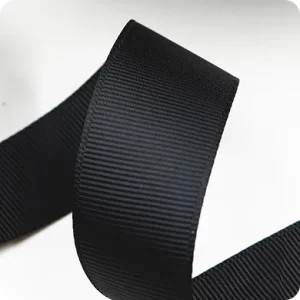
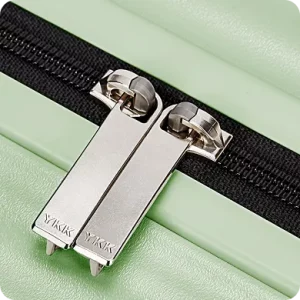
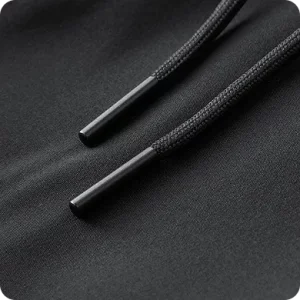
Fabric, stitching, and zipper quality tell you a lot about long-term value. Official product pages for top travel models like the Peak Design Travel Backpack highlight weatherproof recycled shell fabric, durable bottom materials, and heavy-duty access zippers because these are true performance points, not small extras. Peak Design also calls out weatherproof UltraZips and a recycled naylon shell, which shows how premium brands use materials to support both function and durability.
When I review a backpack design, I check five areas first:
These are the first parts that show weakness in lower-quality bags, and they are also the first parts buyers touch. The best backpack is not just stylish. It has visible construction confidence.
For wholesale or private-label programs, material choices affect return rates, reviews, and customer trust. A low-cost bag may look similar in photos, but poor durability shows up fast around the zipper path, pad placement, and stress seams. That is why serious backpack brands focus on materials, reinforcement, and testing standards.
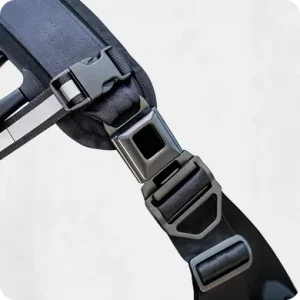
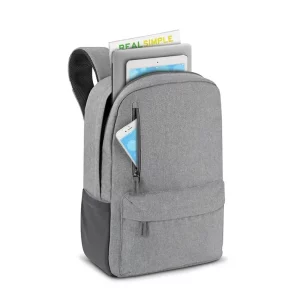
If you carry tech often, yes, you should lean toward a laptop backpack. REI’s travel and luggage advice specifically points buyers toward features like laptop compartments and carry-on compatibility, while official travel-bag brands highlight padded sleeves as one of the main selling points. Pakt says its Travel Backpack includes a padded laptop compartment for devices up to 16 inches, and Peak Design highlights padded laptop and tablet sleeves as core features.
A flexible daily bag can work if you only carry tech occasionally. But a true laptop backpack gives you better structure, safer storage, and cleaner organization. I suggest looking for:
That mix works for commuting, school, and backpack for the office use.
For many B2B buyers, this is also the most commercially stable category. A good laptop backpack works for e-commerce sellers, promotional programs, student markets, office gifting, and lifestyle brands. It is broad, practical, and easy to position.
The best travel backpack solves airport problems. It opens easily, fits overhead or under-seat goals depending on size, protects tech, and works better than rigid luggage when you move fast. REI says the best travel backpacks share comfortable carry systems and smart organizational features, and highlights the Cotopaxi Allpa 35L as a strong carry-on example.
Two strong reference models in this category are the Peak Design Travel Backpack and the Pakt Travel Backpack. Peak Design says its bag meets international carry-on requirements, has padded laptop and tablet sleeves, side pockets, tuck-away shoulder straps, and a weatherproof recycled shell. Pakt positions its Travel Backpack as the ultimate carry-on, with a padded laptop compartment, luggage pass, and an expanding compartment for extra items.
That gives us a practical checklist for choosing a travel backpack:
A strong travel style bag should help you pack light, move fast, and stay organized. That is what makes one of the best options today.
Very much so. REI says backpacking packs often start around 45 liters, and are chosen by trip length, frame type, and load support. These packs are made for longer carrying time, uneven terrain, and more weight. A travel pack, by contrast, is designed for airports, trains, hotels, and city movement. Both are backpacks, but they are built around different kinds of stress.
A real backpacking pack will usually include features like a stronger hip belt, load support, more breathable contact areas, and outdoor-focused access. A travel pack may include suitcase-style opening, cleaner external lines, and a design shaped around airline use. If you want to go backpacking, buy a backpacking model. If you want one-bag travel, buy a travel pack.
This is why I warn buyers not to confuse “travel backpack” with “backpacking.” They sound similar, but the use case is not the same. A bag that feels perfect in an airport may feel wrong on a trail. A technical trekking pack may also feel too tall, too sporty, or too bulky for hotels and daily transit. Choose the right tool for the route ahead.
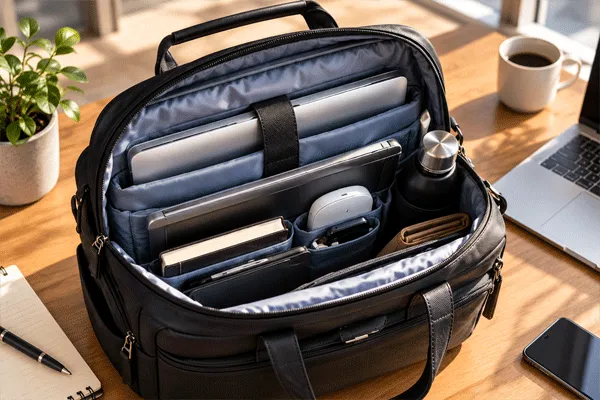
More pockets do not always mean a better backpack. What matters is whether the layout matches how people use the bag. For most buyers, the most useful setup includes one main compartment, one protected laptop area if needed, a front access pocket, a top quick-grab pocket or pocket at the top, and a water bottle pocket. Travel bags may also benefit from internal split layout or expansion features.
Useful pocket layout usually looks like this:
| Özellik | Neden önemlidir |
|---|---|
| Ana bölüm | Holds your largest daily items |
| Dizüstü bilgisayar bölmesi | Protects work and school tech |
| Ön cep | Fast access for keys, passport, cables |
| Side pockets | Useful for a water bottle or umbrella |
| Top pouch | Best for quick access items |
| Internal pouch | Keeps small items from getting lost |
That structure is common because it works. It keeps the backpack simple enough for daily use but organized enough for travel or office routines.
I also suggest checking how the backpack behaves when full. Do the side pockets still work? Does the front pocket stay useful? Does the zipper path stay smooth? These small details tell if a backpack is truly designed well or only styled well. That is often how you can tell if a backpack is good before you commit to larger-volume buying.
If you are a distributor, importer, private-label brand, or e-commerce seller, product selection is only half the job. Supplier selection matters just as much. A strong manufacturer should help you choose the best layout, materials, fit, branding method, packaging, and commercial price level for your channel. A supplier should not just make samples. A supplier should help you build the right backpack program.
When we work with B2B clients, the best projects usually start with clear product positioning:
That kind of focused line is easier to market than a random mix. It also helps buyers across outdoor, lifestyle, pet, and promotional markets explain the value faster. Your product line should feel edited, not crowded.
Can they modify fabric, pad structure, zipper pullers, and logo details?
Do they understand the difference between a laptop backpack, a backpacking pack, and a travel model?
Can they help balance durability, appearance, and target price?
Can they build bags that last for real retail use?
That is how you move from “just another backpack” to a product customers trust and reorder.
Use this quick scorecard before you buy:
| Kontrol Noktası | Ask yourself | Pass sign |
|---|---|---|
| Use case | What will I carry most often? | The bag matches your real routine |
| Fit | Does it fit torso length and shoulders well? | Comfortable to wear with weight |
| Kapasite | Is the liter range right? | Enough room without wasted space |
| Kuruluş | Are the pockets useful? | Easy access, no clutter |
| Malzeme | Does it feel durable? | Strong fabric, clean zipper path |
| Tech protection | Do I carry a laptop? | Safe, padded laptop compartment |
| Seyahat amaçlı kullanım | Will I fly with it? | Carry-on travel friendly |
| Stil | Does it fit work or lifestyle use? | Clean, not overly bulky |
This framework combines fit guidance from REI and Osprey with common travel-bag design logic from Peak Design and Pakt.
How do I choose a backpack for everyday use?
Start with your main use. If you carry tech, choose a laptop backpack. If you mostly need light daily storage, a 20–30 liter everyday backpack or day pack is often enough. Focus on fit, compartment layout, and comfort before looks.
What size backpack is best for travel?
For many travelers, a 30–40 liter travel pack works well for short trips and carry-on travel, while larger backpacking sizes are better for outdoor gear-heavy use. The right size depends on route, packing style, and airline goals.
Is a waterproof backpack necessary?
Not always. But weather-resistant or waterproof materials become more important if you commute, travel often, or carry electronics. Material and zipper quality matter more than marketing language alone.
What matters more, shoulder straps or hip belt?
For light urban use, padded shoulder straps matter a lot. For heavier loads and backpacking, the hip belt becomes critical because it helps move weight off the shoulders and supports the pack better.
Can one backpack work for work and travel?
Yes, especially a well-designed laptop backpack or travel backpack. The best hybrid models combine a protected laptop compartment, clean outer design, and enough capacity for short trips without feeling oversized for daily use.
How do I know if a backpack is good quality?
Check fit, zipper quality, stitching, fabric feel, structure, and how the pockets work when the bag is full. Good quality shows up in comfort, consistency, and useful design—not just brand name.
Choose a backpack by use first, not looks first.
Torso length, hip belt support, and comfort matter more than height.
A laptop backpack, travel pack, and backpacking pack solve different problems.
Liter capacity should match your real packing habits, not your worst-case fantasy.
Good zipper quality, strong fabric, and smart compartment layout improve long-term durability.
The best travel backpack should be easy to carry, easy to organize, and carry-on friendly.
For B2B buyers, the best supplier helps shape the product, not just manufacture it.

Size 24 saat içinde cevap vereceğiz. Acil bir durum için lütfen WhatsApp/WeChat ekleyin: +86 15066236153. Ya da doğrudan +86 17657177170'i arayın.
*Gizliliğinizi saygı gösteriyoruz ve tüm bilgiler korunmaktadır.
Bilgilerinizi sadece sorgunuza yanıt vermek için kullanacağız ve asla istenmeyen e-postalar veya tanıtım mesajları göndermeyeceğiz.
 son blog
