


Suede Shoulder Bags: Designer Handbags, Popular Styles, Materials & Care Guide
October 26, 2026
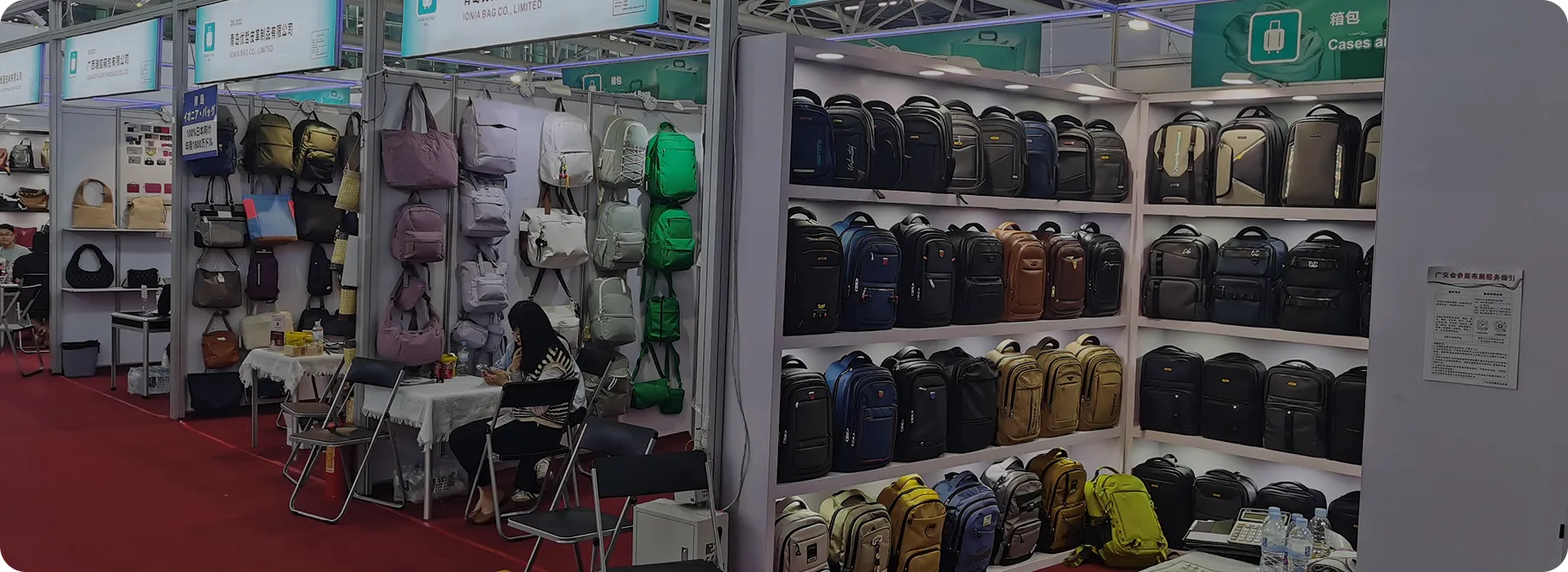
A suede bag can make an outfit look elegant, but the wrong material, shape, or finish can quickly affect its appearance and daily use. For shoppers and brands, understanding suede quality, design, and care is essential before choosing or developing a new collection.
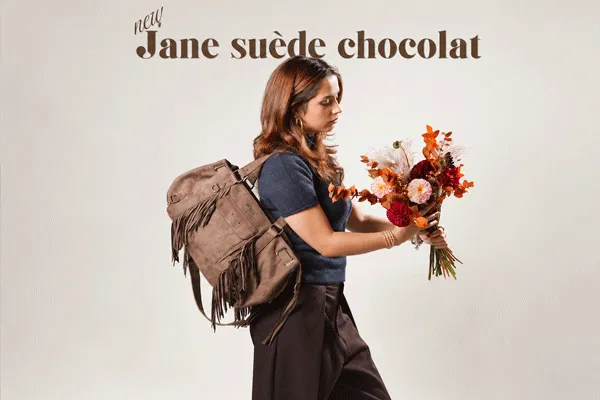
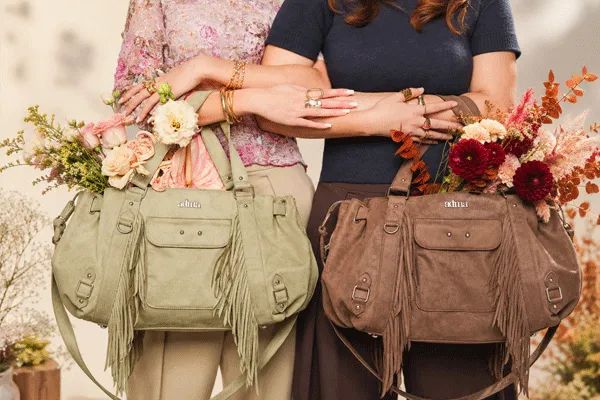
Suede shoulder bags combine a soft surface, rich texture, and relaxed appearance. They are available in styles such as hobo bags, tote bags, bucket bags, and compact shoulder purses. The best choice depends on material quality, bag structure, color, storage needs, and how the product will be used.
Suede Shoulder Bags: Designer Handbags, Popular Styles, Materials & Care Guide
What Makes Suede Shoulder Bags Special?
Which Suede Materials and Finishes Are Best for a Bag?
What Are the Most Popular Suede Bag Styles?
Which Colors Are Best for Suede Shoulder Bags?
What Can Designer Handbags Teach Us About Suede Design?
How Should a Suede Bag Balance Softness and Structure?
How Do You Clean and Care for Suede Bags?
How Can Brands Develop Custom Suede Shoulder Bags?
What Should Buyers Check Before Bulk Production?
Frequently Asked Questions About Suede Shoulder Bags
Suede is popular because it offers a different look and feel from smooth leather. Its soft, brushed surface creates a warm appearance that works well with casual, elegant, and luxury-inspired outfits. Unlike glossy leather, suede has a matte finish that gives a bag more visual depth.
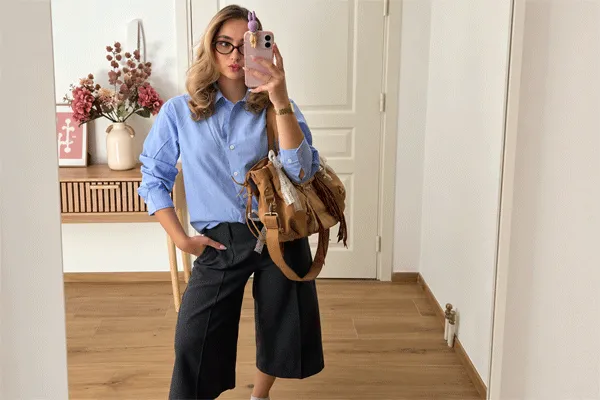
A suede shoulder bag can be both practical and stylish. It is easy to pair with jeans, dresses, coats, and boots. The material also works with many shapes, from a relaxed hobo to a structured handbag. This flexibility makes suede a useful option for brands developing seasonal and everyday collections.
Several features make suede attractive to customers:
Soft texture: Creates a comfortable and refined appearance.
Matte surface: Gives the product a natural, understated finish.
Rich color: Suede can show beautiful depth in brown, chocolate, tan, and neutral shades.
Design flexibility: Works with different bag shapes and sizes.
Fashion versatility: Matches casual, office, and seasonal outfits.
For manufacturers and private-label buyers, suede also creates opportunities to develop products with a distinct material identity. A well-designed collection can combine different sizes, colors, and silhouettes while keeping a consistent visual style.
Not all suede materials are the same. Differences in raw material, fiber structure, thickness, surface treatment, and finishing can affect the final appearance and performance of a bag.
Natural suede is commonly produced from the inner split of animal hide. Its brushed fibers create the familiar velvety surface. The length and direction of the nap can change how the material reflects light, so two suede samples in the same color may look slightly different.
For commercial development, buyers should compare the following options:
| Material Type | Main Characteristics | Suitable Applications |
|---|---|---|
| Natural suede leather | Soft nap and natural texture | Premium shoulder bags |
| Split suede | Brushed surface and flexible feel | Hobo and casual bags |
| Microfiber suede | Consistent synthetic texture | Fashion and lifestyle bags |
| Suede-like PU | Leather-like backing with a suede-style finish | Budget-conscious collections |
| Suede fabric | Textile-based soft surface | Casual and seasonal designs |
Material selection should follow the target market and selling price. Natural suede may suit a premium collection, while microfiber alternatives can offer more consistent color and surface control.
Buyers should also examine the material’s thickness, colorfastness, surface consistency, backing, and suitability for stitching. A beautiful sample is not enough. The material must also work with the bag’s structure and intended production process.
For a brand developing women’s suede shoulder bags, requesting several material samples is a practical first step. Compare them under natural and indoor lighting before selecting the final specification.
Suede works with many shapes because its soft surface can create either a relaxed or structured appearance. The right style depends on storage needs, carrying comfort, and the image a brand wants to build.
Here are several popular styles to consider:
| Style | Design Features | Target Use |
|---|---|---|
| Suede Hobo Bag | Soft body and curved opening | Everyday fashion |
| Suede Tote | Spacious body and two handles | Work and shopping |
| Suede Bucket Bag | Rounded body and drawstring closure | Casual lifestyle |
| Suede Mini Shoulder Bag | Compact size and short strap | Fashion and outings |
| Suede East-West Bag | Wide horizontal shape | Modern everyday styling |
| Suede Moon Bag | Curved crescent-like silhouette | Contemporary collections |
| Suede Barrel Bag | Rounded, elongated body | Casual and travel-inspired lines |
| Suede Clutch | Small handheld construction | Evening occasions |
A hobo bag is a natural match for suede because the material can create a relaxed, slouchy silhouette. A tote bag, on the other hand, may need additional reinforcement to maintain its shape and support heavier items.
Bucket bags offer another option. Their rounded shape and adjustable opening can create a distinctive design without requiring complicated external decoration.
For brands, a useful strategy is to develop one core shape in several sizes. A mini version may attract fashion-focused customers, while a medium or oversized version can serve everyday use. This approach helps create a connected collection rather than a group of unrelated products.
Suede Shoulder Bags: Designer Handbags, Popular Styles, Materials & Care Guide
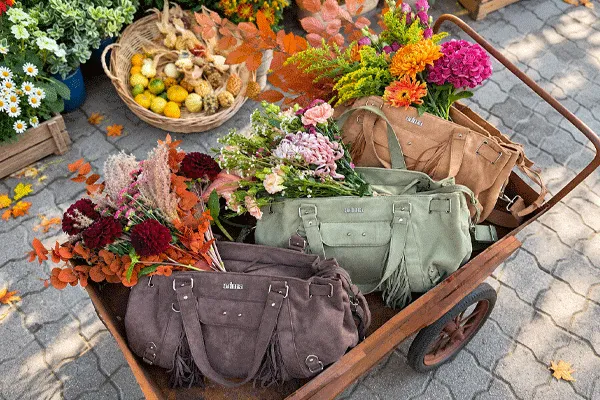
Color is one of the most important elements in a suede collection. Because suede has a brushed surface, it can create subtle changes in appearance when viewed from different angles.
Chocolate brown is a strong option for customers who want a warm and rich appearance. It pairs well with beige, cream, black, denim, and other neutral clothing. Brown suede can also create a vintage-inspired look without requiring additional decorative details.
Other colors worth considering include:
Tan: A warm, classic shade for everyday collections.
Black: Suitable for minimalist and formal designs.
Camel: Creates a soft and natural appearance.
Burgundy: Adds depth and seasonal character.
Olive: Works well with outdoor and casual fashion.
Cream: Creates a light, elegant appearance.
For a commercial collection, neutral colors can serve as core products, while seasonal shades help refresh the range.
However, color selection should not rely only on a digital image. Suede can look different under different lighting conditions. Buyers should approve physical color samples and check consistency between material batches.
Designer handbags provide useful references for understanding proportions, material combinations, hardware, and product identity. Their value is not limited to brand recognition. They also show how small design choices can make a bag recognizable.
Several well-known brands offer different design directions worth studying:
| Brand | Design Inspiration |
|---|---|
| Tory Burch | Classic lifestyle styling and recognizable details |
| Coach | Practical everyday shapes and versatile designs |
| Miu Miu | Youthful proportions and fashion-led styling |
| Saint Laurent | Minimalist shapes and refined finishes |
| Strathberry | Structured silhouettes and hardware details |
| Bottega Veneta | Texture, woven surfaces, and craftsmanship |
| Khaite | Understated luxury and soft shapes |
| Vince | Minimalist everyday styling |
For example, the Kira design direction from Tory Burch can inspire research into quilting, proportions, and decorative hardware. Bottega Veneta offers an interesting reference for textured surfaces, while Saint Laurent demonstrates how a simple silhouette can create a strong visual identity.
These references should guide market research, not encourage direct copying. A brand should develop its own signature through original patterns, proportions, materials, and logo placement.
When researching designer handbags, pay attention to:
The relationship between bag width and height.
Handle placement and strap length.
Hardware size and color.
Surface texture and finishing.
Opening and closure design.
Interior organization.
A well-developed collection does not need complicated decoration. Sometimes a distinctive shape and carefully selected material are enough.
One of the main design challenges with suede is balancing its natural softness with the need to maintain a useful bag shape.
A slouchy design may look attractive, but it can lose its form if the body lacks support. On the other hand, excessive reinforcement can make a soft suede product feel stiff and reduce its natural character.
Manufacturers can adjust the construction through several details:
| Component | Design Consideration |
|---|---|
| Main body | Select suitable suede thickness and backing |
| Base | Add reinforcement to reduce sagging |
| Side panels | Control shape and overall volume |
| Shoulder strap | Use suitable width and attachment reinforcement |
| Lining | Improve internal support and usability |
| Closure | Choose zipper, magnetic snap, or drawstring |
| Hardware | Match color, weight, and overall design |
A quilt design can add visual depth, but it requires careful control of stitching and padding. A simple signature detail, such as a metal logo or a special strap connection, can also help establish brand identity.
Other shapes, including a Chelsea shoulder bag, can use a more structured body with a curved side profile. A soft moon bag may need less internal support to keep its relaxed appearance.
For a manufacturer, the important task is to turn the design into clear production specifications. Material, lining, reinforcement, stitching, and hardware should all work together.
Suede needs more careful handling than many smooth leather materials. Its exposed surface fibers can absorb moisture and attract dirt, so regular care helps maintain the original texture.
Follow these basic care steps:
1. Brush away surface dust.
Use a clean, soft suede brush. Brush gently to remove loose dirt and lift flattened fibers.
2. Avoid excessive moisture.
Do not soak suede or clean it with ordinary household liquids. If the bag becomes wet, gently blot the surface with a clean, dry cloth and allow it to dry naturally.
3. Use suitable cleaning products.
Choose products made specifically for suede. Test them on a small, hidden area first. For difficult stains, professional cleaning is usually safer.
4. Protect the surface.
A suitable suede protector may help reduce moisture and stain absorption. Always follow the product instructions and test compatibility with the material.
5. Store the bag correctly.
Keep it in a breathable dust bag in a cool, dry place. Use soft stuffing to help maintain its shape, and avoid prolonged exposure to direct sunlight or heat.
These recommendations are consistent with the suede care guidance published by Burberry and Pierre Hardy.
For brands, including a simple care card with each product can also improve the customer experience and reduce avoidable complaints.
For importers, distributors, retailers, and private-label brands, developing a suede collection requires a clear plan for product design, materials, pricing, and production.
At IONIA BAG, we provide OEM, ODM, and private-label bag manufacturing services for global B2B buyers. Our work covers product development, material selection, sampling, bulk production, quality inspection, and export-ready delivery.
A typical development process includes:
| Stage | Main Work |
|---|---|
| Market Research | Define target customers and retail positioning |
| Design Development | Confirm shape, size, and carrying style |
| Material Selection | Choose suede, backing, lining, and reinforcement |
| Custom Branding | Develop logo, labels, and hardware |
| Sample Production | Check dimensions, materials, and workmanship |
| Sample Approval | Confirm the final production reference |
| Bulk Production | Manufacture according to approved specifications |
| Quality Control | Inspect materials, stitching, structure, and finishing |
| Packing and Shipping | Prepare products for export |
Brands can customize many details:
Material type, thickness, and color
Bag dimensions and internal compartments
Shoulder strap length and width
Zipper, magnetic closure, or drawstring
Metal hardware and logo placement
Lining fabric and reinforcement
Hangtags, dust bags, and retail packaging
If you are developing a suede collection, we recommend confirming material availability and production feasibility before finalizing the design. Natural suede, microfiber alternatives, and suede-like PU may require different construction methods.
A sample should be approved before mass production. This gives both parties a clear reference for material appearance, color, dimensions, stitching, and finishing.
Suede Shoulder Bags: Designer Handbags, Popular Styles, Materials & Care Guide
A product may look excellent in a sample but still develop problems during mass production if specifications are incomplete.
For this reason, buyers should establish a clear quality checklist before confirming a bulk order.
| Inspection Area | What Buyers Should Check |
|---|---|
| Suede Surface | Nap direction, texture, color, and visible marks |
| Material Thickness | Consistency between approved and production materials |
| Color | Shade consistency across panels and batches |
| Stitching | Straight seams and secure thread connections |
| Shoulder Strap | Attachment strength and comfortable width |
| Hardware | Finish, installation, and operation |
| Lining | Clean construction and correct dimensions |
| Bag Shape | Symmetry and shape retention |
| Logo | Correct position and appearance |
| Packaging | Surface protection and product presentation |
One important point is material consistency. Natural suede can show variations in shade and surface texture. Buyers should agree on acceptable natural variations before production.
The direction of the nap also matters. If different panels reflect light differently, the finished bag may appear uneven even when the color is technically the same.
At IONIA BAG, we emphasize clear specifications and sample approval as part of the manufacturing process. Our existing shoulder bag production capabilities include customization of materials, structure, straps, hardware, and branding, with multiple inspection stages.
For long-term B2B cooperation, these controls help buyers maintain product consistency and build a reliable collection.
Yes. Suede shoulder bags can be suitable for everyday use if customers handle and maintain them properly. Choose a practical size, suitable structure, and material that matches the intended use.
Neither material is always better. Suede offers a soft, matte texture, while smooth leather generally provides easier surface cleaning. The choice depends on design preferences, maintenance expectations, and target customers.
Chocolate brown, tan, black, camel, and beige are versatile choices. Brown and chocolate shades are particularly useful for creating warm, understated collections.
Avoid overloading the bag, store it with soft stuffing, and choose a suitable reinforced base and internal structure. Proper storage also helps maintain its original silhouette.
Yes. Brands can explore logo embossing, metal logo plates, labels, custom hardware, and branded packaging. The method should be selected according to the suede material and the desired appearance.
Yes. A suitable manufacturer can support material sourcing, design development, sampling, customization, bulk production, quality inspection, and export arrangements. Buyers should confirm the material specification, MOQ, sample cost, pricing, and delivery schedule before placing an order.
Suede shoulder bags offer a soft surface, rich texture, and versatile styling.
Natural suede, microfiber suede, and suede-like PU serve different market positions.
Hobo, tote, bucket, moon, barrel, and mini shoulder designs offer different product opportunities.
Chocolate brown, tan, black, and neutral shades are useful for building a commercial collection.
Designer brands can provide market inspiration, but private-label products should have original designs.
Bag structure, reinforcement, lining, straps, and hardware affect both appearance and performance.
Proper cleaning and storage help maintain suede texture and shape.
Sample approval and material consistency are important before bulk production.
OEM and ODM cooperation helps brands develop customized products for their target markets.
Develop Your Custom Suede Shoulder Bag Collection with IONIA BAG
IONIA BAG supports global importers, distributors, brand owners, and retailers with OEM, ODM, and private-label bag manufacturing.
Whether you are planning a chocolate brown suede hobo, a structured suede tote, a mini shoulder bag, or a complete women’s handbag collection, we can help you explore material options, product structures, branding, and manufacturing requirements.
Explore our shoulder bag collection and handbag manufacturing solutions.
Contact IONIA BAG to discuss your next custom bag project.
We will reply you within 24 hours. If for urgent case, please add WhatsApp/WeChat: +86 15066236153,. Or call +86 17657177170 directly.
*We respect your confidentiality and all information are protected.
We will only use your information to respond to your inquiry and will never send unsolicited emails or promotional messages.
 last blog
