







Do People Still Use Briefcases, or Has the Backpack Replaced the Traditional Briefcase?
May 09, 2026
Many buyers think the briefcase is outdated. But when work demands a polished look, safe storage for a laptop, and clean organisation, the wrong bag can hurt both comfort and professional image. The solution is not to avoid briefcases. It is to choose the right one.
Yes, many professionals still use briefcases, especially in law, finance, consulting, sales, and client-facing roles. The traditional briefcase has changed significantly, but it has not disappeared. Today’s versions are lighter, sleeker, and built to hold a laptop, chargers, and documents while fitting both formal and business casual work environments.
Why do people still use briefcases today?
Has the briefcase changed compared with the traditional briefcase?
Briefcase vs backpack: which is better for daily work?
Are leather briefcases still popular in modern workplaces?
When is a messenger bag better than a briefcase?
What should professionals carry in a modern briefcase?
Which materials work best for a briefcase: leather, nylon, or more?
Who should choose a briefcase in today’s market?
What features make a briefcase practical for daily use?
Why do B2B buyers and private-label brands still invest in briefcases?
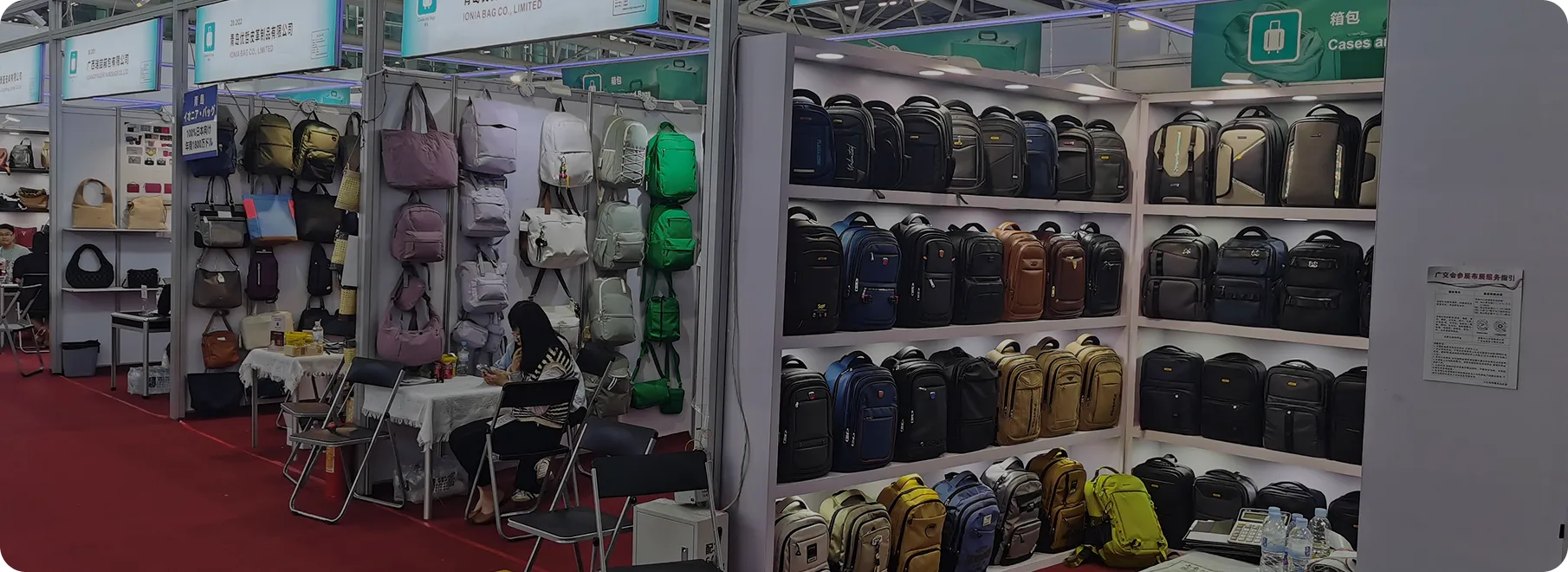
As a China-based custom bags and pet products manufacturer, we work with importers, distributors, private-label brands, e-commerce sellers, and corporate buyers across many markets. From our side of the industry, one thing is clear: briefcases are still relevant. They are just being redesigned to match modern work habits, new commuting patterns, and changing buyer expectations.
Many people still use a briefcase because work has not become less professional. In many roles, appearance still matters. A clean, structured bag sends a message. It says the user is prepared, organised, and serious about the meeting ahead. That matters in corporate environments, client presentations, and industries where trust is part of the sale.
The modern worker may carry fewer paper files than before, but they still need space for a laptop, charger, notebook, pens, business cards, and sometimes important documents. A briefcase is designed to separate and protect those items better than many casual bags. That practical value keeps the category alive.
We also still see buyers who want products that balance status and utility. A bag is not just a container. It is part of daily presentation. That is why briefcases remain a strong product line for formal and semi-formal business markets.
Yes, the traditional briefcase has changed significantly. Older styles were often stiff, boxy, and formal. Some people picture a hard-sided briefcase, an attache, or a hard case carried by lawyers or executives. Those products still exist, but they are now a smaller part of the market.
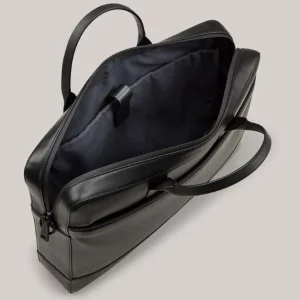
Today’s modern briefcase is usually lighter, softer, and more flexible. Many are soft-sided, made with smooth leather, PU, or even nylon, and designed to fit a laptop bag use case. They often include a shoulder strap, trolley sleeve, and extra pockets. In other words, briefcases are sleeker than before.
That is why the question is not whether briefcases anymore exist. They do. The better question is what kind of briefcase fits today’s worker. The answer is simple: a bag that looks clean, protects electronics, and supports real daily work needs.
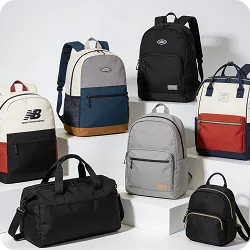
The debate between briefcase and mochila is really about function, comfort, and image. A backpack is great for hands-free movement, heavy commuting, and all-day carrying. It spreads weight better and can feel more ergonomic for long travel or public transport. For someone who carries a lot of gear every day, a backpack may be the better answer.
But a briefcase offers something different. It looks sharper in formal settings. It keeps paperwork flatter. It often makes it easier to organise accessories, folders, and small tech. If you are heading into client meetings, a structured bag often feels more polished than a sport-style backpack.
In many cases, the best answer is not either-or. Some professionals use a backpack or messenger bag on heavy travel days and switch to a briefcase for presentations or office use. The right choice depends on the type of professional, the dress code, and what they need to carry.
Quick Comparison Table
| Tipo de bolsa | Mejor para | Principal fortaleza | Main Trade-Off |
|---|---|---|---|
| Maletín | Meetings, office, formal settings | Structure, image, neat organisation | Less hands-free |
| Mochila | Commute, travel, heavy loads | Comfort, capacity, mobility | Less formal |
| Messenger bag | Hybrid daily carry | Easy access, casual-professional look | One-shoulder load |
Yes. A leather briefcase still has strong appeal, especially among professionals who want a refined look. A good leather briefcase can age well, feel premium, and build a better first impression in roles where trust and presentation matter. That is why many buyers still use a leather option for executive, law, finance, and consulting markets.
Not every leather product needs to be stiff or old-fashioned. A modern leather bag can be slim, soft, and simple. A soft leather exterior paired with a padded interior creates a more flexible product for today’s users. For brands that want an upscale product line, full-grain or top-grain leather can be a better investment than cheaper synthetic options.
Still, not every market wants real leather. Some buyers prefer vegan materials, lower-cost finishes, or lighter-weight fabrics. That is why private-label development matters. A premium-looking briefcase can also be made in PU or mixed materials, depending on the target market and price point.
A messenger bag works well when the user wants quicker access, more casual styling, and easier movement. In creative, sales, and flexible office settings, the messenger format feels natural. It is often less formal than a briefcase, but more polished than a casual backpack. That makes it a strong middle ground.
Some users prefer a messenger bag because they can swing it to the front, grab a tablet or charger quickly, and keep moving. A leather messenger bag can look professional enough for many business-casual offices, especially when paired with a simple outfit and slim tech gear. In many urban markets, this format remains popular.
That said, a briefcase with a shoulder strap can solve the same problem. It offers the clean look of a briefcase with easier mobility. In fact, many of today’s best-selling office bags are really hybrid products: part messenger-style, part briefcase. That design shift explains why the category stays strong.
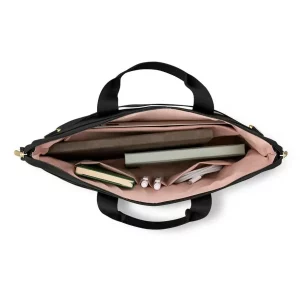
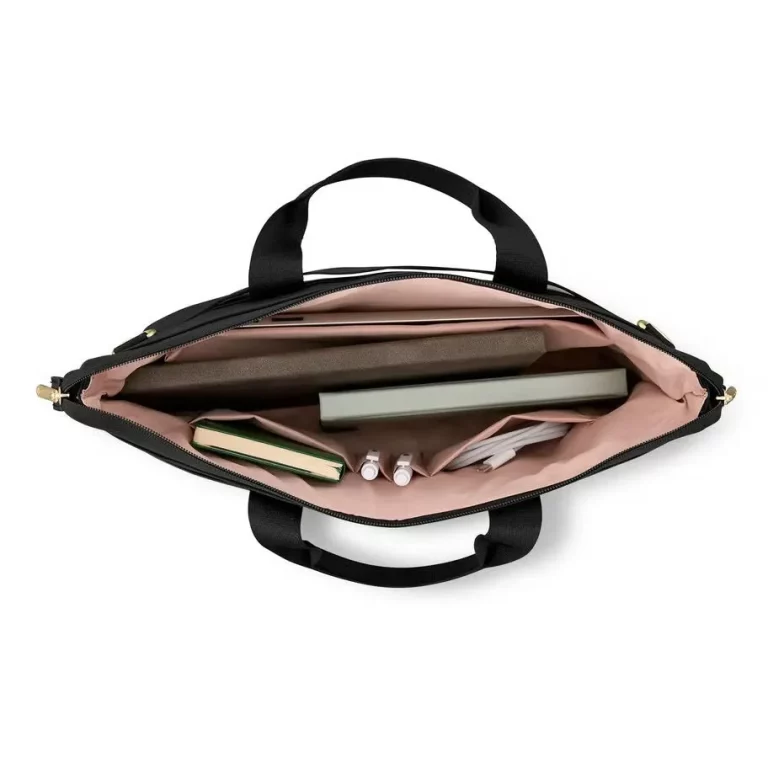
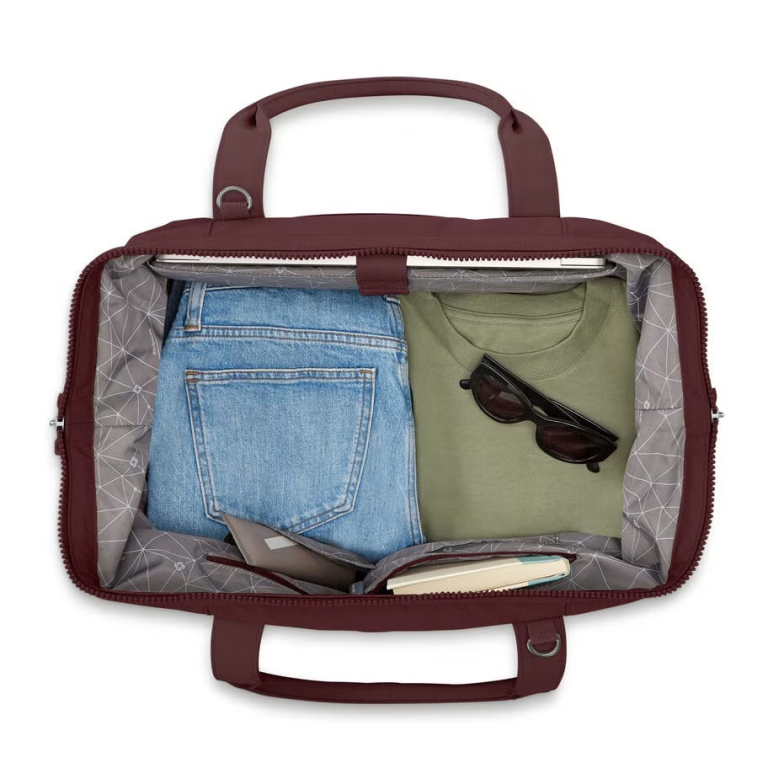
A modern briefcase is no longer just for paper files. Most users want room for a laptop, charger, notebook, phone, cables, pens, wallet, and a few business tools. Many also want a safe section for a tablet, a notebook, or legal pads. In some roles, they also carry samples, contracts, or small personal items.
That means modern products need smart organisation. A main compartment for laptops and documents, a front pocket for daily access, and internal sleeves for small tech items make a big difference. A good office bag should not just hold things. It should help users find them quickly during a busy day.
We also see rising demand for a laptop sleeve, a dedicated laptop section, or a padded laptop sleeve. These features matter because users now carry tech every day. Whether the customer uses a MacBook Pro or another device, protection is no longer optional. The briefcase must support digital work, not just paper work.
Common Daily Carry Items
The best material depends on brand positioning and end use. Leather feels premium, looks more formal, and tends to age well. For office and gifting markets, a leather briefcase with a shoulder strap often sells well because it combines appearance with convenience. Leather is especially strong where formality matters.
For lighter and more price-sensitive products, nylon works well. It is durable, lighter, and better at handling wear and tear during a long commute or frequent travel. This makes it a good choice for younger buyers, urban professionals, and brands targeting flexible work routines. A nylon briefcase can feel modern and practical without looking cheap.
There are also blended options. Some products combine leather trim with synthetic panels. Others use PU with fabric lining to reduce cost while keeping a premium look. In custom manufacturing, the best answer is usually not one material for all. It is matching the material to the user, the channel, and the price point.
Material Snapshot
| Material | Look | Peso | Mejor uso |
|---|---|---|---|
| Cuero de grano completo | Premium, formal | Más pesado | Executive office, gifting |
| PU / synthetic leather | Clean, affordable | Medio | Mass retail, private label |
| Nylon | Light, durable | Ligero | Daily commute, travel, hybrid office |
| Mixed materials | Balanced | Medio | Mid-range branded products |
A briefcase is ideal for professionals who want a clean shape, fast access, and a more polished work look. This includes people in law, consulting, finance, real estate, management, and business development. It also fits anyone who frequently carry a laptop, papers, and small work tools but does not want a bulky bag.
It is also a strong choice for professionals in formal or semi-formal settings. If someone works in offices where dress still matters, a briefcase often feels more natural than a sports backpack. It fits better with jackets, suits, and smart-casual wardrobes. In that sense, the briefcase supports personal branding as much as storage.
Of course, not every worker will choose a briefcase. Some need more space. Some want fully hands-free movement. Some prefer a bag like a tote or backpack. But for many users, especially in office-led markets, the briefcase remains one of the most practical and presentable options.
What features make a briefcase practical for daily use?
Good design matters more than category labels. A briefcase can look great and still fail in real life if the handle is weak, the inside layout is poor, or the shoulder strap is uncomfortable. For daily use, the best bags combine structure with comfort. They do not need to be heavy or overly boxy to look professional.
Useful features include:
A well-made structured briefcase also protects corners, keeps shape when partly empty, and helps the user carry around papers without crushing them. That matters when you are moving from office to meeting to airport in one day. In these cases, the right internal layout becomes just as important as the outside look.
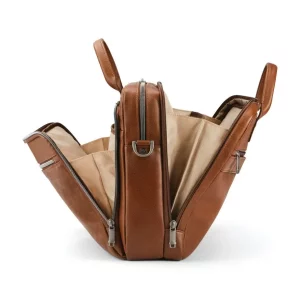
From a manufacturing view, briefcases still make sense because the category serves clear buyer groups. Importers, distributors, and private-label brands continue to order them for office collections, promotional programs, corporate gifts, travel lines, and executive accessories. In many markets, briefcases still fill a real gap between backpack products and fashion bags.
They also work well for customization. Buyers can adjust material, handles, lining, logo method, zipper finish, pocket layout, and dimensions. That flexibility is useful for B2B programs. A brand can build a classic executive line, a travel-friendly laptop bag, or a sleek hybrid for younger office users. This is one reason briefcases are still worth developing.
As a China-based OEM and ODM manufacturer, we see that buyers do not just ask whether people use briefcases. They ask which versions sell now, what price levels work, and how to position a product against modern alternatives. The answer is clear: briefcases still sell when they are designed for today’s work environments, not yesterday’s habits.
Some buyers absolutely use traditional briefcases, especially in legal, executive, and luxury-focused niches. There is still a market for formal designs with a strong frame, classic lock details, and a more serious look. These products appeal to buyers who want heritage styling and a clear business identity.
But the larger market now favors updated versions. The classic brief case shape remains, yet most customers want softer construction, lighter weight, tech-friendly storage, and easier carry. That is why the category has not disappeared. It has simply adapted.
So, do people use briefcases anymore? Yes. But today they are choosing smarter ones. The winning designs combine old strengths, like structure and polish, with modern features like device protection, flexible carrying, and lighter materials.
“The briefcase isn’t dead. It has simply moved from stiff formality to smart function.”
Does anyone still use a briefcase?
Yes. Many professionals still carry a briefcase, especially in office, legal, finance, and client-facing roles. The style has evolved, but the category remains relevant.
Are briefcases better than backpacks for work?
It depends on the job. A backpack is better for comfort and heavier loads. A briefcase is better for formal image, flat document storage, and polished presentation in the workplace.
Is a leather briefcase worth buying?
A leather briefcase can be worth it if the user wants durability, professional style, and a product that can age well. It usually costs more, but it may offer stronger brand value and longer-term use.
What is the difference between a briefcase and a messenger bag?
A messenger bag is more casual and easier for quick access, while a briefcase is usually more structured and formal. A hybrid design can combine both strengths.
Can a briefcase hold a laptop safely?
Yes, if it includes a padded laptop section or a padded laptop sleeve. Most modern office briefcases are built to hold laptops and chargers safely.
Should I choose a briefcase, backpack, or messenger bag?
Choose based on your commute, dress code, and what you carry each day. If you want a polished office look, go with a briefcase. If you want comfort and more capacity, choose a backpack. If you want a flexible middle option, try a messenger style.
The briefcase is still relevant in modern business life.
The traditional briefcase has evolved into lighter, tech-ready, more flexible designs.
A backpack is best for comfort, but a briefcase still leads in professional presentation.
A leather briefcase remains strong in premium and formal markets.
A messenger bag can work well for casual-professional users.
Modern briefcases need smart storage for a laptop, accessories, and documents.
B2B buyers still value briefcases because they fit office, gifting, retail, and private-label programs.
The best product is not the most old-fashioned or the most trendy. It is the one built for real daily work.
Le responderemos en un plazo de 24 horas. Si para el caso urgente, por favor agregue WhatsApp/WeChat: +86 15066236153,. O llame directamente al +86 17657177170.
*Respetamos su confidencialidad y toda la información está protegida.
Sólo utilizaremos sus datos para responder a su consulta y nunca le enviaremos correos electrónicos o mensajes promocionales no solicitados.
 último blog
