








¿Es una bolsa de viaje de 50 litros demasiado grande para un equipaje de mano? Guía de tallas de mochilas y bolsas de viaje de 50 litros
04 de marzo de 2026
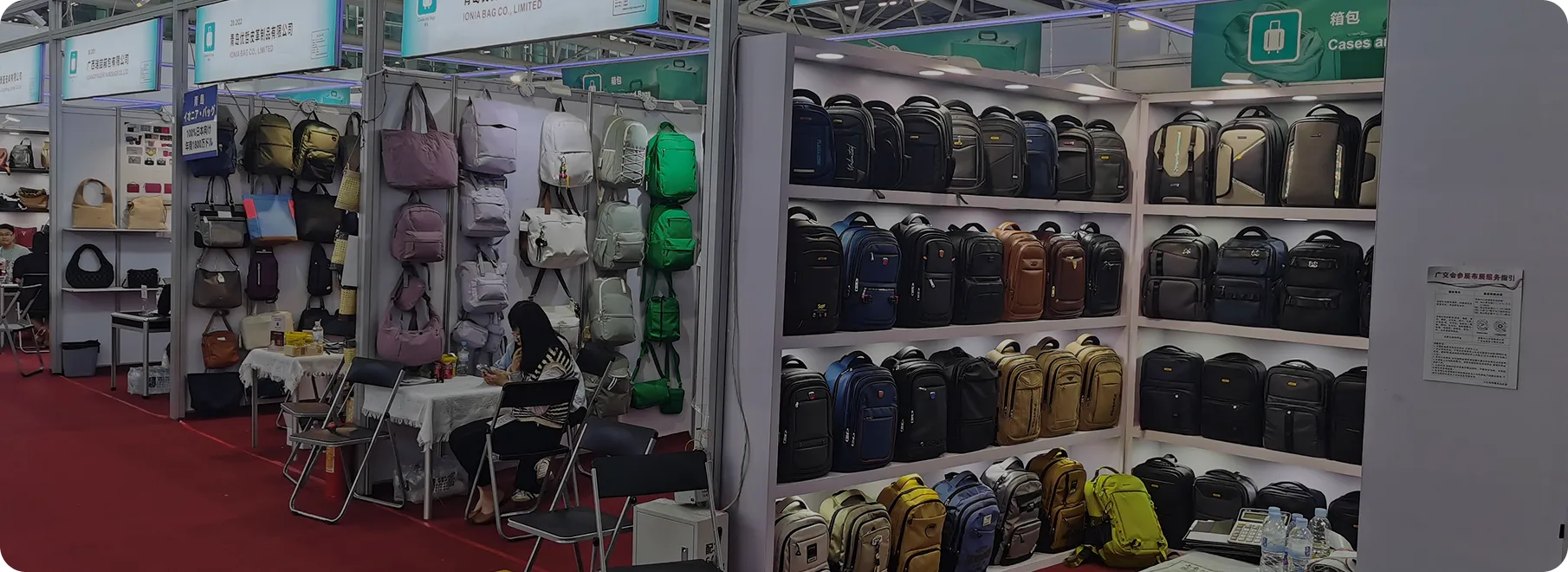
Volar con un equipaje de 50 litros parece sencillo, hasta que llegas a la puerta de embarque y el personal te indica el medidor. El estrés es real. He visto a viajeros obligados a facturar maletas, pagar tasas y reorganizar el equipaje en el suelo. Arreglemos esto con normas claras y un equipaje inteligente.
Un duffel de 50l puede ser un equipaje de mano, pero solo si sus dimensiones coinciden con los límites de su aerolínea y no lo sobrecargas. Muchas aerolíneas utilizan un límite de alrededor de 22 x 14 x 9 pulgadas (56 x 36 x 23 cm), y las bolsas de lados suaves que se pueden comprimir tienen una ventaja: si empacas con disciplina.

MOCHILA DE 50L
¿Qué cuenta como equipaje de mano en la mayoría de las políticas aéreas?
¿Es realmente 50l "demasiado grande", o simplemente mal empacado?
Duffel vs mochila vs maleta: ¿cuál es más fácil en el aeropuerto?
Cómo medir el tamaño de la bolsa de la manera correcta (y evitar sorpresas)
Por qué los duffels de mano funcionan mejor cuando son de lados suaves
Lista de empaque: ¿qué cabe en un duffel de viaje de 50l para un viaje de fin de semana?
Cómo utilizar compartimentos, cubos de empaque y compresión para mantenerte delgado
Reglas de artículos personales: ¿puede tu mochila contar como artículo personal?
Cuando una opción de 45l o 40l es el movimiento más inteligente de "una bolsa"
Elegir el diseño OEM/ODM adecuado para compradores B2B globales
Aquí está la parte que muchos viajeros pasan por alto: el volumen (litros) no es la regla, las dimensiones son. Una bolsa de 50l puede ser corta y ancha, o alta y estrecha. A las aerolíneas no les importa cuántos litros tiene tu bolsa; les importa si cabe en el espacio de almacenamiento de la aeronave.
Para un estándar práctico, varias aerolíneas importantes publican límites de alrededor de 22” x 14” x 9” (manijas y ruedas incluidas). American Airlines indica que tu equipaje de mano no debe exceder las 22 x 14 x 9 pulgadas (56 x 36 x 23 cm). Delta también lista 22” x 14” x 9” como el máximo para longitud/ancho/altura. United describe el mismo límite en un orden diferente: 9 pulgadas x 14 pulgadas x 22 pulgadas.
Otra realidad: las restricciones de tamaño y peso varían según la ruta, el tipo de avión, la clase tarifaria y la región. IATA señala que muchas aerolíneas aplican dimensiones máximas para el equipaje de mano (y algunas también aplican límites de peso, a menudo comenzando en 5 kg/11 lb). Por eso siempre les digo a las personas que verifiquen la política para su vuelo, no solo un artículo genérico de un blog.
Una bolsa de 50l se convierte en "demasiado grande" de dos formas comunes:
La bolsa está construida en un tamaño excesivo (más larga/alta que las dimensiones típicas del equipaje de mano).
La bolsa está sobrecargada, por lo que se infla más allá del medidor incluso si el tamaño del caparazón está bien.
Si tu duffel de 50l tiene un cuerpo cuadrado y lados rígidos, puede que no se apriete. Pero si es suave, estructurado en los lugares correctos, y empacas como un minimalista, a menudo puede pasar.
Aquí hay una forma simple de pensarlo: las aerolíneas permiten un equipaje de mano que cabe en el compartimento superior, no una bolsa que "técnicamente" funcionó una vez en un vuelo. Si tu bolsa puede expandirse como un pan al ser empacada, estás apostando cada vez que abordas.
Mi nota de campo (de la fabricación y prueba de bolsas para compradores B2B globales): la misma capacidad de 50l puede comportarse de manera muy diferente dependiendo de la rigidez de los paneles, el diseño de las costuras y la trayectoria del cierre. Un diseño inteligente hace que la bolsa mantenga la forma sin convertirla en una caja dura.
Compararemos las tres grandes opciones en lenguaje simple:
Duffel: rápido de empacar, flexible, a menudo más ligera, fácil de almacenar cuando está vacía.
Mochila: manos libres, excelente para escaleras y tránsito, buen equilibrio con correas de mochila.
Maleta: más fácil en suelos planos, pero puede ser voluminosa; las ruedas ocupan espacio y pueden fallar.
Si haces muchos trenes, autobuses y calles desiguales, a menudo gana una mochila. Si deseas acceso rápido y una gran abertura, un duffel gana. Si solo caminas por suelos de aeropuerto suaves, una maleta puede ser cómoda.
Pero aquí está la verdad del equipaje de mano: un duffel con ruedas (con un marco y ruedas) a menudo pierde espacio interno y gana volumen, lo que puede empujarte sobre el límite, especialmente si tu bolsa tiene ruedas y manijas que cuentan en la medición.
Este es el paso que ahorra dinero.
Coloca la bolsa vacía en el suelo.
Mide los puntos más largos incluyendo la trayectoria del cierre, las manijas y cualquier acolchado en la base.
Ahora empácala, luego mide de nuevo. Las bolsas suaves pueden crecer mucho.
Muchas dimensiones de equipaje de mano publicadas utilizan el formato 22 x 14 x 9. United la lista como x 14 x 9 pulgadas en un orden diferente: 9 in x 14 in x 22 in. Esa es la misma caja, solo que rotada.
Consejo profesional: si deseas una bolsa como equipaje de mano que sea indulgente, elige una que esté ligeramente por debajo de las dimensiones de equipaje de mano publicadas para que tengas espacio para expandirse.
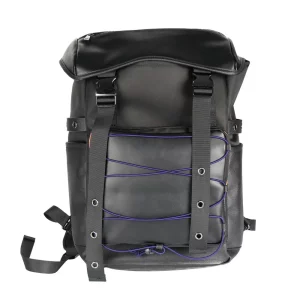
A duffel de lados suaves puede "perdonar" pequeños errores de empaque. Eso es muy importante en la puerta de embarque.
Cuando empujas una bolsa suave en el medidor, puede cambiar de forma. Un estuche rígido no puede. Por eso un duffel de tamaño apropiado a menudo se siente más fácil que un caparazón cuadrado, incluso cuando ambos lucen similares en papel.
Pero la suavidad por sí sola no es suficiente. Aún necesitas estructura:
Un panel base estable (para que la bolsa no se hunda)
Un compartimento principal que se abre ampliamente
Bolsillos y compartimentos inteligentes para que el peso no se acumulen en una esquina
En nuestro trabajo OEM y de marca privada, generalmente prototipamos con una regla simple: la bolsa debe pasar el medidor cuando está empacada hasta alrededor del 80%. Eso brinda seguridad en el mundo real.
La mayoría de la gente no necesita empacar todo. Necesitan empacar las cosas correctas.
Aquí tienes una lista práctica de empaque para un viaje de fin de semana utilizando un bolso de viaje que se mantiene estilizado:
| Categoría | Qué empacar | Notas |
|---|---|---|
| Ropa | 2-3 camisetas, 1-2 pantalones, 1 capa ligera | Elige telas de secado rápido |
| Zapatos | 1 par (o usa el par voluminoso) | Mantén los zapatos en una bolsa dentro de la bolsa |
| Artículos de tocador | Kit pequeño | Mantén los líquidos fáciles para la seguridad de facturación |
| Tecnología | Cargador, auriculares, adaptador compacto | Guarda en un bolsillo exterior |
| Extras | Chubasquero ligero, gorra | Elige materiales resistentes al agua |
Si intentas empacar un 'armario de vacaciones' completo, un 50l se convierte rápidamente en territorio de equipaje facturado. Pero si empacas de manera inteligente, puedes meter una buena cantidad de ropa sin que la bolsa se convierta en un globo.
Mini 'tabla de capacidad' (vibras de la vida real, no matemáticas perfectas):
40l: ██████ (ajustado, disciplinado)
45l: ████████ (punto dulce)
50l: ██████████ (cómodo... si controlas el volumen)
60l: █████████████ (generalmente empuja hacia el facturado)
Aquí es donde la mayoría de las personas ganan o pierden el juego del equipaje de mano.
Un buen bolso es básicamente una caja limpia con zonas útiles. El objetivo es evitar que la bolsa se hinche hacia afuera.
Prueba este método:
Coloca artículos densos (zapatos, cargadores) cerca de la base.
Usa cubos de empaque para mantener la ropa plana y compacta.
No dejes que un lado se convierta en una 'pared de bultos'.
Si tu bolsa tiene un gran compartimento y nada más, es fácil crear un abultamiento. Si tiene de 3 a 5 secciones (bolsillo para zapatos, parte superior de acceso rápido, bolsillo lateral), mantiene mejor su forma. Esa es la razón por la que me gustan los diseños con una base firme y un panel superior estructurado.
Un consejo más que suena pequeño pero funciona: deja un poco de espacio extra para que puedas guardar una chaqueta o bocadillos en el último minuto. Ese pequeño margen reduce el estrés en la puerta de embarque.
La mayoría de las aerolíneas permiten dos artículos: un equipaje de mano para el compartimento superior y un artículo personal. El artículo personal generalmente necesita caber debajo del asiento frente a ti; sí, debe caber debajo del asiento y no oprimir tus pies.
Si viajas con un bolso, una mochila delgada a menudo se convierte en la segunda pieza perfecta. Así es como veo a los viajeros frecuentes hacerlo:
El bolso va en el compartimento superior
La mochila va debajo del asiento de enfrente
Un pequeño bolso cruzado va dentro de la mochila (no se cuenta por separado)
Aquí es donde los viajeros se llevan la sorpresa: si traes una gran mochila más un gran bolso, el personal puede decir que tienes dos bolsas grandes, no una grande + un artículo personal. Usado como un artículo personal significa 'suficientemente pequeño para calificar', no 'quiero que califique'.
Si vuelas con aerolíneas estrictas, subes a aviones más pequeños, o odias el riesgo, un 50l no siempre vale la pena.
Considera reducir el tamaño cuando:
A menudo vuelas en aeronaves regionales con compartimentos más pequeños
Empacas artículos voluminosos de invierno
Eres sensible a las sorpresas de tarifas de equipaje facturado
No quieres discutir en la puerta de embarque
En muchas líneas de productos que construimos, un 45l es la zona de 'seguro y espacioso'. A menudo recomiendan una bolsa de 45l cuando el objetivo es el cumplimiento constante a través de muchas aerolíneas. Un 40l es aún más fácil, pero debes empacar ligero y elegir telas más inteligentes.
Además: un paquete de 50l puede ser perfecto para viajes por carretera o trenes, pero no siempre es el mejor para rutas de aerolíneas mixtas.
Ahora hablaré como un fabricante de bolsas personalizado con sede en China que trabaja con importadores, distribuidores y marcas de etiqueta privada.
Cuando los compradores me preguntan: “¿Podemos hacer una bolsa de deporte de 50l que cumpla con las reglas de equipaje de mano?” Yo respondo: Sí, si diseñamos para el límite, no solo para los litros. Eso significa que empezamos con la caja del límite de tamaño, luego diseñamos paneles de patrón para maximizar el espacio utilizable dentro de la bolsa.
Lo que construimos para compradores B2B al por mayor (opciones típicas):
Marca de etiqueta privada (parche con logo, transferencia de calor, bordado)
Caminos de cremallera reforzados (incluidas cremalleras bloqueables)
Opciones de tela hechas de materiales ligeros pero duraderos
Correas de hombro opcionales y sistemas de cinturón de cadera para un transporte híbrido
Organización adicional: funda para laptop, sección para zapatos, bolsillo húmedo
Y siempre probamos un prototipo con un enfoque de "caja medidora"—porque el viaje real es físico. Las especificaciones en papel no son suficientes.
Si eres dueño de una marca, vendedor de comercio electrónico o proveedor promocional, esta es la gran ventaja: puedes vender una bolsa de deporte como equipaje de mano diseñada para comportarse bien en aeropuertos reales, no solo para verse bien en fotos.

¿Una bolsa de deporte de 50l es automáticamente sobredimensionada?
No. Los litros no deciden. El tamaño del bolso exterior decide. Una bolsa de deporte de 50l puede aprobar si se mantiene dentro de la caja de la aerolínea y no se infla al empacar.
¿Cuál es el tamaño de equipaje de mano más seguro para apuntar?
Muchas aerolíneas publican límites alrededor de 22 x 14 x 9 pulgadas, pero las reglas varían. Usa eso como base, luego confirma la política de tu aerolínea para tu vuelo específico.
¿Por qué las bolsas suaves pasan más a menudo que las duras?
Una bolsa blanda puede comprimirse ligeramente en un medidor y en espacios ajustados sobre la cabeza. Las cajas duras mantienen su forma completa, por lo que cualquier exceso de volumen se convierte en un problema.
¿Puede una mochila ser mi segundo artículo?
Sí, si califica como un artículo personal y cabe debajo del asiento delantero. Manténla delgada y no intentes llevar bolsas "ocultas" adicionales.
¿Debería elegir 45l en lugar de 50l?
Si volarás a menudo, especialmente en aviones más pequeños, 45l suele ser el punto óptimo más seguro. Es más fácil de empacar y más fácil de pasar.
¿Cómo evito que me obliguen a facturar mi bolsa?
Mide la bolsa empacada, no la llenes en exceso, mantén los artículos voluminosos cerca de tu cuerpo y elige un diseño que mantenga su forma sin abultarse. También controla las restricciones de peso en algunas rutas.
Los litros no deciden el equipaje de mano—las dimensiones lo hacen.
Una bolsa de deporte de 50l puede funcionar si coincide con los límites de la aerolínea y no se abulta.
Las bolsas de lados suaves a menudo pasan más fácilmente porque pueden reconfigurarse.
Usa empaque inteligente: cubos, carga equilibrada y volumen controlado.
Mantén tu mochila delgada si es tu artículo personal.
Si quieres menos sorpresas, 45l suele ser la opción más segura de "una bolsa".
Para marcas B2B, los mejores productos provienen de diseños construidos alrededor del comportamiento real del equipaje de mano, no solo de la capacidad.
Le responderemos en un plazo de 24 horas. Si para el caso urgente, por favor agregue WhatsApp/WeChat: +86 15066236153,. O llame directamente al +86 17657177170.
*Respetamos su confidencialidad y toda la información está protegida.
Sólo utilizaremos sus datos para responder a su consulta y nunca le enviaremos correos electrónicos o mensajes promocionales no solicitados.
 último blog
