









Custom Dog Beds for Large Dogs: OEM Extra Large & Personalized Pet Bed Guide
September 23, 2026
Buying a dog bed for a large breed sounds simple until poor sizing, thin filling, weak seams, or hard-to-clean covers cause complaints. For retailers and pet brands, these problems become expensive at scale. A well-planned custom dog bed solves them before bulk production begins.
Custom dog beds for large dogs should combine enough sleeping space, supportive filling, durable fabric, easy cleaning, and a shape suited to the dog’s sleeping style. For B2B buyers, OEM and private-label development also allows control over dimensions, materials, colors, branding, packaging, and support levels for different retail markets.
Custom Dog Beds for Large Dogs: OEM Extra Large & Personalized Pet Bed Guide
A large dog puts very different demands on a bed than a small pet. More body weight means the filling must resist flattening. A longer body needs more usable sleeping area. Stronger seams, reliable zippers, and stable bottom materials also matter more.
This is why simply enlarging a small pet bed is not always enough. A successful product should be designed around weight distribution, sleeping position, cleaning needs, floor space, and the intended retail customer.
For importers and private-label brands, a customized approach also creates more room to build a clear product range. One collection might include a soft plush model for home use, a supportive rectangular model for senior pets, a crate pad, and an extra large lounge bed for big breeds.
As a China-based custom manufacturer serving global B2B buyers, we approach product development from both sides: what the dog needs and what the buyer needs to sell the product successfully.
That means looking at:
A good product begins with these decisions, not with a logo.
Size is one of the first specifications buyers should define.
A bed may be labeled L, XL, or XXL, but these names do not tell the full story. Actual dimensions matter much more. Two suppliers can both call a product an XL dog bed while offering very different sleeping areas.
For end users, a practical approach is to measure your dog from nose to the base of the tail while the dog is resting naturally. Looking at the dog from nose to tail helps estimate the minimum usable length. Extra room should then be added so the dog can stretch, turn, or change position without hanging off the edge.
Sleeping style matters too.
A dog that curls into a ball may feel comfortable in a smaller bolstered design. A dog that sleeps fully stretched may need a longer rectangle bed without raised edges.
| Product Position | Typical User | Design Focus |
|---|---|---|
| Medium/Large | Medium and large dogs | Balanced size and shipping volume |
| XL | Labrador-sized and similar breeds | More sleeping area |
| XXL | Large and giant breeds | Longer and wider sleeping surface |
| Giant | Giant breeds | Maximum support and usable space |
| Crate Size | Matching dog crate dimensions | Accurate fit |
There is no universal dimension that fits every breed. Labrador Retrievers, Golden Retrievers, German Shepherds, Great Danes, and other dogs have different body proportions and sleeping habits.
For private-label product development, it is usually better to define dimensions first and apply marketing names such as L, XL, and XXL afterward.
That approach helps size dogs more accurately and reduces confusion between markets.
The word orthopedic is common in the pet bedding market, especially for products made for larger or older dogs. In practical product design, the key issue is whether the bed maintains useful support rather than collapsing quickly under body weight.
A basic fiber-filled cushion may feel soft, but a heavier dog can compress it much more quickly. A structured foam core can provide a more stable sleeping surface.
Common filling approaches include:
| Filling Type | Main Characteristic | Typical Positioning |
|---|---|---|
| Fiberfill | Soft and lightweight | Entry-level comfort |
| Standard foam | Stable basic support | Mid-market |
| High-density foam | Firmer structure | Large-dog support |
| Memory foam | Conforms under body weight | Premium comfort |
| Layered foam | Combines different firmness levels | Premium/orthopedic positioning |
For a large breed, high-density foam can help the product keep its shape. A memory foam layer can also be used where a softer pressure-responsive surface is required.
PetMD notes that giant-breed beds should offer good support and that supportive foam is an important consideration for larger and older animals. Its 2026 veterinary-reviewed guide also notes that orthopedic beds commonly use memory foam or other sturdy foam to support the dog’s body without excessive sagging.
An orthopedic dog bed should still be marketed carefully. A bed provides comfort and joint support; it should not be presented as a treatment for disease.
That distinction matters when marketing products for dogs with joint issues or older animals.
Older dogs often spend more time resting, so the sleeping surface becomes an important part of everyday comfort.
Larger breeds can also be more vulnerable to joint problems. VCA Animal Hospitals notes that hip dysplasia occurs predominantly in larger dogs and lists breeds including German Shepherds, Saint Bernards, Labrador Retrievers, and Golden Retrievers among those affected.
That does not mean an orthopedic bed prevents or cures hip dysplasia. It does mean that buyers designing products for senior pets or heavy dogs should think carefully about pressure distribution, ease of entry, and surface firmness.
PetMD also notes that dogs with arthritis or joint concerns may benefit from supportive orthopedic bedding and that some dogs prefer low-entry designs rather than high bolsters on every side.
For product development, useful features can include:
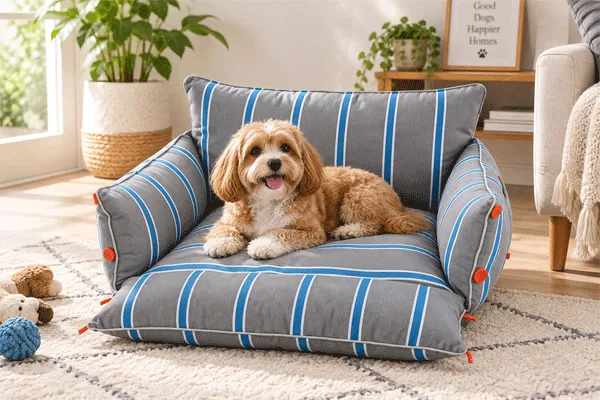
An orthopedic dog sofa can combine these elements with raised sides, while a flat mattress-style design may better suit a dog that likes to stretch.
The right choice depends on the intended customer, not simply on adding the word “orthopedic” to the package.
Custom Dog Beds for Large Dogs: OEM Extra Large & Personalized Pet Bed Guide
The outer fabric affects appearance, cleaning, durability, price, and how the product feels in the home.
A soft faux fur surface can create a warmer, premium look. Woven polyester can provide a cleaner and more practical appearance. Oxford-style fabrics may suit more functional products. Different materials can also be combined—for example, soft sleeping fabric on top with a stronger sidewall and anti-slip bottom.
For retailers, a washable design is especially important because large beds collect hair, dirt, moisture, and everyday household debris.
A removable washable cover gives the buyer a simple cleaning benefit without requiring the full foam insert to go into a washing machine.
A practical construction might include:
Outer cover → inner protective liner → foam core
A well-positioned zipper allows the cover to be removed. Depending on the chosen textile and construction, the cover may be designed as machine washable, but care instructions should always match the tested material.
The product label should clearly explain whether customers should:
Do not assume every textile or assembled bed can use the same care instructions.
From a B2B point of view, cleaning claims should be confirmed during development and testing before they appear on packaging.
There are many dog bed options, and shape affects both use and retail positioning.
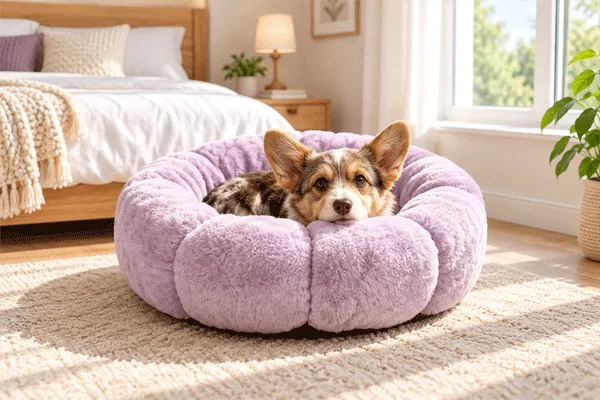
A rectangle mattress is simple, easy to size, and suitable for dogs that stretch out. A dog couch has raised edges that can create a more enclosed resting area. A flat mattress may work well for older dogs that need easy entry.
A crate mat serves a different purpose. It must match the usable floor dimensions of the dog crate without bunching or leaving too much uncovered space.
Here is a simple comparison:
| Style | Best Feature | Buyer Consideration |
|---|---|---|
| Flat Mattress | Easy entry | Foam thickness |
| Bolster Bed | Head and side support | Usable inner space |
| Dog Sofa Bed | Furniture-style appearance | Higher shipping volume |
| Crate Pad | Compact, defined fit | Accurate dimensions |
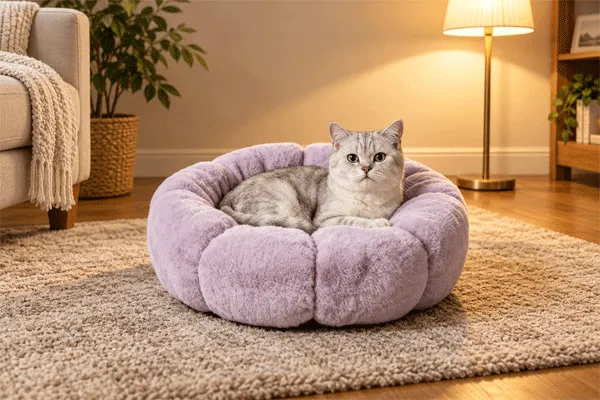
| Round Bed | Curling and nesting | Less efficient carton shape |
| XXL Rectangle | Maximum sleep area | Freight and packaging |
A dog sofa bed can suit premium home collections, while giant dog beds often benefit from simpler shapes that maximize the sleeping surface.
Remember that outside dimensions are not the same as usable inner dimensions. Thick bolsters can make a large product look impressive but leave less room for the dog.
For a serious bed for dogs, inner sleeping space should always be part of the specification sheet.
“Durable” is a broad marketing term. Buyers should define what they actually expect.
A heavy-duty pet bed may use stronger woven fabric, reinforced stress points, covered zipper construction, stronger seams, or a more abrasion-resistant base.
A chew-resistant design may reduce easy access to loose edges and exposed components. However, no soft textile product should automatically be described as completely chew-proof unless testing supports that claim.
This is especially important for a big dog. More body weight and stronger movement can put greater force on seams and handles.
During sample evaluation, B2B buyers can check:
For a foam-filled pet bed, the inner liner also matters. A removable outer cover is useful, but the internal foam should remain protected during normal use.
These small structural decisions often have more impact on customer satisfaction than decorative features.
Personalization gives retailers another way to move beyond generic pet bedding.
A personalized dog bed can feature a name, logo, patch, printed pattern, woven label, or custom color combination. Some brands also offer an embroidered name as an upgrade.
If buyers want to embroider the cover, logo size, thread color, placement, and fabric stability should be confirmed during sampling.
However, personalization can mean more than adding text.
Personalized dog beds can also be designed around a brand’s visual identity:
A custom pet bed collection may also use one recognizable design language across several sizes.
For example:
S/M → basic home bed
L → standard large breed model
XL → premium large dog version
XXL → large and giant breed version
That makes the collection easier to present to distributors and retail buyers.
One SEO caution is also worth noting. If competitors use protected names or wording such as Dog Beds®, do not automatically copy that wording into your own product title. Buyers should check trademarks before placing third-party brand terms on products or packaging.
Likewise, a China-made product should never use claims such as “beds made in USA” unless the claim is factually true for that specific product.
Custom Dog Beds for Large Dogs: OEM Extra Large & Personalized Pet Bed Guide
For B2B sourcing, an OEM project should start with a clear specification rather than a vague request for “a premium dog bed.”
As a China-based custom manufacturer working with importers, distributors, brand owners, e-commerce sellers, promotional suppliers, and lifestyle businesses, we recommend defining the commercial target first.
A practical project brief can include:
| Requirement | Example Information |
|---|---|
| Product | Large rectangular pet bed |
| Target Size | XL / XXL |
| Market | EU, North America, Australia, etc. |
| Cover | Woven polyester |
| Filling | Layered foam |
| Feature | Removable cover |
| Branding | Woven label + embroidery |
| Packaging | Compressed or standard carton |
| Quantity | Expected bulk order |
| Retail Position | Entry / mid / premium |
From there, the custom dog bed can move through material selection, prototype development, sample review, revisions, branding confirmation, and bulk production.
Private-label buyers should also decide whether they want one universal model or several foam option levels.
For example:
Standard: regular foam
Support: firmer foam
Premium: layered orthopedic support
This makes it easier to build clear price levels without completely redesigning the product.
The same strategy works for importers supplying multiple channels. One construction platform can support different fabrics, labels, and packaging for different customers.
A good sample is only the beginning.
Before bulk manufacturing starts, the approved specification should define the size, material, fabric weight or type, foam structure, color, logo position, stitching, care label, packaging, and acceptable tolerances.
For an extra large dog bed, packaging deserves special attention because shipping volume can become a major part of landed cost.
Vacuum or compression packing may reduce carton volume for suitable products, but the buyer should confirm how well the filling recovers after unpacking. Some structures handle compression better than others.
For a large dog bed, buyers should also inspect:
Testing the sample in realistic conditions is valuable.
If the product is aimed at medium and large dogs, ask whether one size truly covers the whole target group. If it is marketed as a dog bed for large breeds, make sure the actual dimensions support that claim.
Good sizing ensures that marketing language matches the physical product.
Imagine a private-label pet brand wants a premium bed for large breeds.
The brand wants a clean look for home interiors, enough room for large dogs, simple maintenance, and a product that can sit above basic fiber-filled beds in its assortment.
A possible concept could be:
Shape: rectangular lounge
Target: large and giant breeds
Structure: supportive foam base
Comfort layer: softer upper layer
Cover: removable woven fabric
Entry: low front opening
Sides: three-sided bolster
Bottom: anti-slip fabric
Branding: woven side label
Optional upgrade: embroidered name
Packaging: branded retail insert
The product could be positioned as an orthopedic dog sofa or premium XL dog bed, depending on the construction and supported marketing claims.
For the buyer, the real advantage is not simply adding more foam. It is creating a defined retail product with a clear customer, clear feature set, and clear price position.
That is the difference between buying a generic bed and developing a private-label product.
Choose the bed according to the dog’s actual body length and sleeping position, not only its weight or breed name. Dogs that stretch out need more usable length than dogs that curl up. Measure the dog while resting and add extra space for comfortable movement.
Not necessarily. Memory foam can provide a comfortable conforming surface, but support also depends on density, thickness, layering, and the dog’s weight. Some products work better with a firmer support layer underneath the comfort layer.
There is no single best filling. Fiberfill creates a softer feel, while structured foam usually provides a more stable base. Products marketed for larger or older dogs often use firmer or layered foam to maintain support.
Yes. Many extra large dog beds can use removable covers. For private-label development, the zipper position, fabric type, washing method, and internal liner should be confirmed before production.
No. An orthopedic design can also be used as a comfort-focused product for younger large dogs. However, senior dogs and dogs that need more supportive resting surfaces are common target users. A bed should not be marketed as a medical treatment.
Yes, these are common areas for OEM and private-label development when supported by the selected construction. Buyers can define dimensions, cover fabrics, foam structure, colors, labels, embroidery, packaging, and other details during product development.




We will reply you within 24 hours. If for urgent case, please add WhatsApp/WeChat: +86 15066236153,. Or call +86 17657177170 directly.
*We respect your confidentiality and all information are protected.
We will only use your information to respond to your inquiry and will never send unsolicited emails or promotional messages.
 last blog
