









Backpack vs Rucksack: What Is the Difference Between a Backpack and a Rucksack?
May 27, 2026
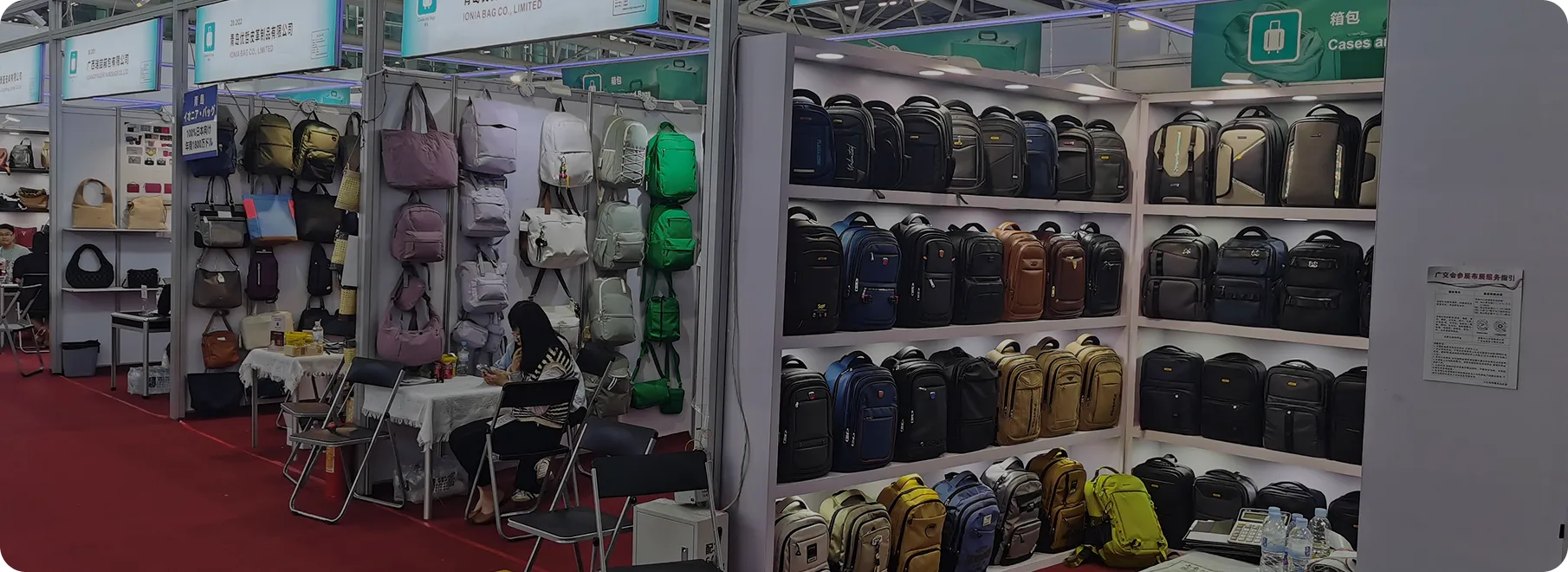
Choosing the wrong bag can make daily use, travel, or outdoor activities uncomfortable. A small backpack may lack support, while a rugged rucksack may feel too heavy for commuting. Understanding the difference helps buyers choose a better bag for real use.
The main difference between a backpack and a rucksack is use and structure. A backpack is a general bag carried on the back with two shoulder straps, often used for school, work, commute, and daily use. A rucksack is usually a more rugged backpack designed for hiking, camping, trekking, outdoor adventures, and heavier loads.
What is a backpack?
What is a rucksack?
What is the key difference between a backpack and a rucksack?
Backpack vs rucksack: which is better for daily use?
When should you choose a rucksack for outdoor adventures?
What straps, pads, belts, and compartments matter most?
How do backpack and rucksack materials compare?
What are the different types of backpacks and rucksacks?
How should B2B buyers choose the right backpack or rucksack?
How can OEM/ODM manufacturing improve backpack and rucksack design?
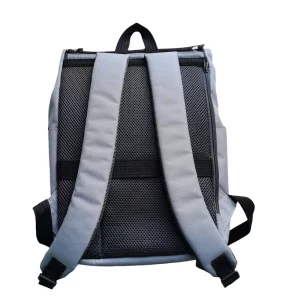
A рюкзак is a bag that is carried on the back, usually with two shoulder straps. Merriam-Webster defines a backpack as a pack that usually has two shoulder straps and is carried on the back. It may be made from canvas, nylon, polyester, leather, or other materials.
In everyday use, a backpack is often used for school, work, commute, gym, travel, shopping, and light outdoor activities. A modern backpack may include a main compartment, front pocket, zipper closure, padded back panel, laptop sleeve, side bottle pocket, and small organizer pockets.
For many customers, the backpack is the most practical type of backpack because it keeps the hands free and spreads weight better than a one-shoulder bag. It can carry a laptop, books, clothes, snacks, cables, and daily essentials without looking too technical or too rugged.
A rucksack is also a bag carried on the back, but the word often suggests a stronger, more outdoor-focused design. Merriam-Webster traces “rucksack” to German dialect, from words meaning “back” and “sack,” with first known use in English in 1853.
In common product language, a rucksack is often used for camping, hiking, trekking, military-style carrying, and rugged travel. A rucksack may have a top-loading design, buckle closure, drawstring opening, larger main compartment, external straps, padded hip belts, and stronger fabric.
A rucksack is a bag for people who need to carry more than daily essentials. It is often designed for outdoor activities like hiking and camping, where users may carry heavy loads, jackets, water, food, tools, sleeping gear, or travel items over longer distances.
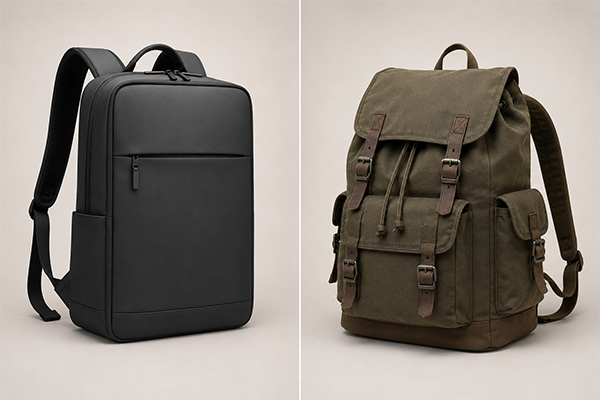
The key difference is that a backpack is a broad everyday bag category, while a rucksack is usually a more rugged backpack made for outdoor or heavier-duty use. In simple terms, every rucksack can be considered a type of backpack, but not every backpack is a rucksack.
A backpack usually focuses on convenience, daily organization, and light-to-medium carrying. A rucksack usually focuses on durability, space, load support, and outdoor function. This is why a laptop backpack may have a padded laptop sleeve and zippered pockets, while a rucksack may have buckles or drawstrings, compression straps, and a hip belt.
| Характеристика | Рюкзак | Rucksack |
|---|---|---|
| Common Use | School, work, commute, daily use | Trek, camping, travel, outdoor adventures |
| Структура | Often zippered and compact | Often rugged, spacious, and top-loading |
| Carry Support | Two shoulder straps, sometimes chest strap | Shoulder straps, hip belt, chest strap, load straps |
| Отделения | Laptop sleeve, organizer pockets | Large main compartment, gear pockets |
| Материал | Nylon, polyester, canvas, leather | Heavy-duty nylon or polyester, canvas, coated fabric |
| Стиль | Urban, casual, business, school | Outdoor, military, trekking, adventure |
| Load Level | Light to medium | Medium to heavy |
Understanding the difference helps both consumers and B2B buyers choose the right bag for the target market.
For daily use, a backpack is usually the better choice. It is lighter, cleaner in shape, easier to match with work clothes, and more suitable for school to travel needs. A daily backpack often has a laptop sleeve, zipper compartments, cable pockets, and a clean front panel.
A rucksack may feel too rugged for office or city use. It may also be bulkier than needed. If the user only needs to carry a laptop, notebook, wallet, water bottle, and charger, a smaller backpack is usually enough.
A good daily backpack should include:
For e-commerce sellers, corporate buyers, and private-label brands, daily backpacks are a strong product category because they suit a wide customer base. They work for students, office workers, travelers, commuters, and promotional buyers.
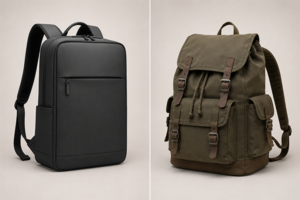
You should choose a rucksack when you need a bag for travel, trekking, hiking, camping, outdoor work, or heavier loads. A rucksack is often designed for outdoor use, with stronger stitching, better load support, larger capacity, and extra attachment points.
REI explains that backpack fit depends on torso length and hip size, and that adjustment of straps is important for comfort. This matters more when a user carries heavier loads for hiking or longer trips.
A rucksack is useful when the user needs to carry:
For outdoor adventures, a rucksack or backpack should not only be spacious. It should transfer the weight from shoulders to your hips when carrying heavier loads. REI notes that the majority of a backpack’s weight should be supported by the hips when using a properly fitted pack with a hip belt.
The strap system decides how the backpack or rucksack feels on the body. A good bag should have comfortable shoulder straps, a padded back panel, and enough adjustment. For outdoor or heavy-duty use, a hip belt and chest strap can improve stability.
Cleveland Clinic notes that two straps are better than one for load distribution and that chest and waist straps can add support when carrying a heavy load. This is why outdoor rucksacks often include padded hip belts, sternum straps, and load lifter straps.
Important structure details include:
| Design Feature | Почему это важно |
|---|---|
| Ремень через плечо | Supports the main carry position |
| Back pad | Improves comfort and airflow |
| Hip belt | Helps transfer weight to the hips |
| Chest strap | Keeps shoulder straps stable |
| Основной отсек | Holds clothing, books, or gear |
| Laptop sleeve | Protects electronics |
| Zipper pockets | Organize small items |
| Buckle or drawstring | Common on rugged rucksack styles |
| Side pocket | Holds bottle or umbrella |
For OEM/ODM design, these details decide whether the bag feels cheap, comfortable, rugged, or premium.
Materials used in backpacks and rucksacks affect durability, weight, cost, style, and water resistance. A daily backpack may use nylon or polyester because these materials are light, flexible, and cost-effective. A fashion backpack may use canvas or premium leather. A rugged rucksack may use thicker nylon, polyester, canvas, coated fabric, or reinforced panels.
A school or commute backpack should be lightweight and easy to clean. A business backpack should look neat and protect electronics. A hiking rucksack should resist abrasion, support outdoor use, and handle heavier loads.
Common materials include:
| Материал | Лучшее для | Main Advantage |
|---|---|---|
| Нейлон | Travel, outdoor, daily backpack | Lightweight and strong |
| Полиэстер | School, promotional, casual bags | Cost-effective and versatile |
| Холст | Fashion, outdoor lifestyle | Rugged look and natural texture |
| PU кожа | Stylish urban bags | Flexible colors and fashion appeal |
| Premium leather | Business and gift markets | High-end appearance |
| Coated fabric | Outdoor and travel rucksack | Better weather resistance |
For B2B buyers, material choice must match the target price and customer group. A promotional product supplier may need polyester. An outdoor brand may need rugged nylon. A lifestyle brand may prefer canvas or leather.
There are many different types of backpacks. The right bag depends on lifestyle and needs. A student does not need the same backpack as a hiker. A business traveler does not need the same rucksack as a camper.
Popular backpack and rucksack types include:
| Тип сумки | Лучшее использование |
|---|---|
| School backpack | Books, notebooks, student daily use |
| Рюкзак для ноутбука | Work, commute, business travel |
| Travel backpack | Short trips, carry-on packing |
| Hiking backpack | Trail walking and outdoor activities |
| Camping rucksack | Larger outdoor gear carrying |
| Tactical rucksack | Heavy-duty and rugged use |
| Drawstring backpack | Light sports and promotional use |
| Fashion backpack | Lifestyle and daily styling |
| Camera backpack | Camera body, lenses, accessories |
| Pet travel backpack | Small pet carrying and travel use |
A backpack vs rucksack decision should begin with use. A compact office bag should not be designed like a large camping rucksack. A rugged backpack for outdoor activities should not be too soft or weak.
B2B buyers should choose a backpack or rucksack based on customer use, not only appearance. Importers, distributors, trading companies, private-label brands, e-commerce sellers, promotional product suppliers, corporate buyers, outdoor brands, and pet product brands all have different needs.
A practical selection checklist:
| Buyer Question | Почему это важно |
|---|---|
| Who will use the bag? | Student, commuter, traveler, hiker, pet owner |
| What will they carry? | Laptop, clothes, tools, outdoor gear, pet items |
| How heavy is the load? | Decides strap, pad, belt, and structure |
| What style is required? | Business, outdoor, fashion, casual, promotional |
| What material fits the market? | Nylon, polyester, canvas, leather, coated fabric |
| Is a laptop sleeve needed? | Important for work and school bags |
| How many compartments are needed? | Affects organization and production cost |
| Is water resistance required? | Important for travel and outdoor use |
| What logo method is needed? | Printing, embroidery, woven label, rubber patch |
| What packaging is expected? | E-commerce, retail, gift, or bulk packing |
As a China-based custom bags and pet products manufacturer, we support OEM, ODM, and private-label solutions for global B2B buyers. Our product range includes custom bags, backpacks, rucksacks, pet carriers, pet toys, pet beds, and pet houses.
OEM/ODM manufacturing helps buyers turn a market idea into a real product. Some buyers already have a drawing. Others only have a sample photo, target price, or buyer group. A good manufacturer helps adjust size, strap, compartment, pad, zipper, material, logo, color, and packaging.
For example, a commuter backpack may need a padded laptop sleeve, hidden anti-theft pocket, water bottle pocket, and clean business look. A hiking rucksack may need compression straps, hip belt, chest strap, strong buckle, breathable back pad, and rugged fabric.
A good OEM/ODM process usually includes:
For B2B buyers, this process reduces risk. It helps ensure the bag fits real use instead of only looking good in photos.
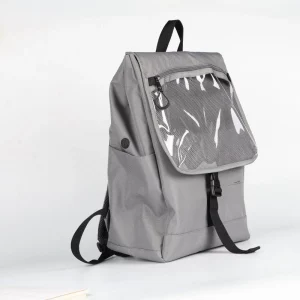
Противоугонный водоотталкивающий нейлоновый рюкзак для городских поездок и повседневных путешествий
A private-label e-commerce buyer wanted a travel backpack for commute and short trips. The first sample looked stylish, but the shoulder strap was too thin, the laptop sleeve had weak padding, and the main compartment did not open wide enough.
We adjusted the design:
| Problem | OEM/ODM Improvement |
|---|---|
| Strap felt thin | Added wider padded shoulder straps |
| Laptop protection was weak | Improved laptop sleeve padding |
| Main compartment was narrow | Changed zipper opening angle |
| Bag lacked travel function | Added luggage strap |
| Logo looked too large | Changed to subtle woven label |
| Material felt too soft | Upgraded to stronger polyester |
The final backpack was still clean and stylish, but it became more useful for travel and daily use. This is the real value of custom bag manufacturing: small details can improve comfort, reviews, and repeat orders.
What is the difference between a rucksack and a backpack?
The difference between a rucksack and a backpack is mostly use and structure. A backpack is a general back-carried bag for daily use, school, work, and travel. A rucksack is usually more rugged and designed for hiking, camping, trekking, and heavier loads.
Is a rucksack better than a backpack?
A rucksack is better for outdoor adventures, heavy gear, and long walking routes. A backpack is better for daily use, commute, school, work, and light travel.
Is a rucksack a type of backpack?
Yes. A rucksack can be seen as a type of backpack. It is carried on the back with shoulder straps, but it is usually more outdoor-focused and rugged.
Why is it called a rucksack?
The word rucksack comes from German roots meaning “back” and “sack.” It refers to a sack or bag carried on the back.
Should I choose a rucksack or backpack for travel?
Choose a backpack for light travel, business trips, and city commuting. Choose a rucksack for outdoor travel, hiking and camping, or trips where you need to carry heavier gear.
What makes a right backpack comfortable?
A right backpack should have padded shoulder straps, a supportive back pad, suitable size, useful compartments, and stable weight distribution. For heavier loads, a hip belt and chest strap can improve support.
What material is best for backpacks and rucksacks?
Nylon and polyester are common because they are light and practical. Canvas gives a rugged look. Leather looks premium. Coated fabrics are useful for outdoor or weather-resistant rucksacks.
A backpack is a general bag carried on the back with two shoulder straps.
A rucksack is usually a more rugged backpack for hiking, camping, trekking, and heavier loads.
The key difference is mainly use, structure, and carrying support.
Backpacks are better for school, work, commute, daily use, and light travel.
Rucksacks are better for outdoor adventures, camping, trekking, and carrying heavier gear.
Straps, pads, hip belt, compartments, zipper quality, and material all affect comfort.
Nylon, polyester, canvas, coated fabric, PU leather, and premium leather all serve different markets.
B2B buyers should choose designs based on target users, load weight, material cost, branding method, and sales channel.
OEM/ODM manufacturing can improve backpack and rucksack comfort, function, branding, and market fit.
A reliable custom bags manufacturer can help global buyers develop backpacks, rucksacks, travel bags, pet carriers, pet toys, pet beds, and private-label product lines.
Мы ответим вам в течение 24 часов. Если для срочного случая, пожалуйста, добавьте WhatsApp/WeChat: +86 15066236153,. Или позвоните по телефону +86 17657177170.
*Мы уважаем вашу конфиденциальность и защищаем всю информацию.
Мы будем использовать вашу информацию только для ответа на ваш запрос и никогда не будем отправлять незапрашиваемые электронные письма или рекламные сообщения.
 последний блог
