


Guia de Bolsas de Ombro Vintage: Como Comprar Bolsas Vintage de Grife e Desenvolver Coleções de Inspiração Vintage
27 de outubro de 2026
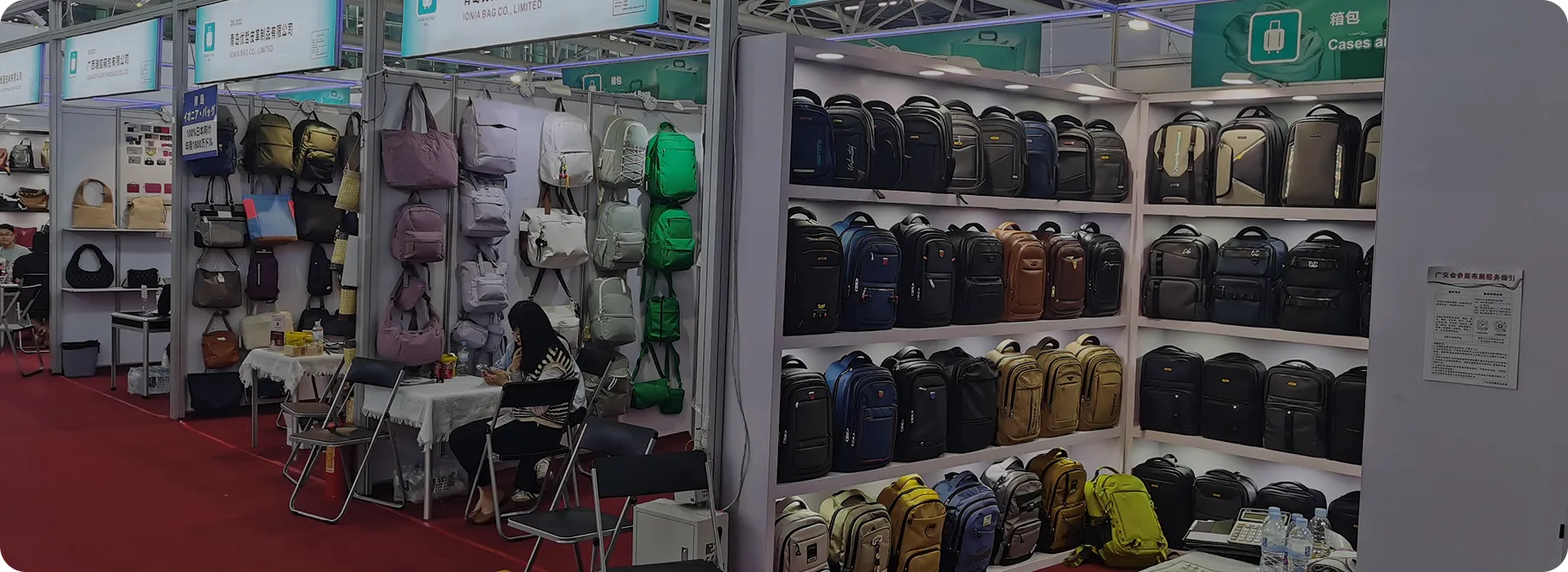
Vintage shoulder bags appeal to buyers because they combine distinctive design, nostalgic details, and a sense of individuality. However, choosing a second-hand designer bag requires careful checks, while developing a vintage-inspired collection requires a different approach to materials, construction, and brand identity.
A vintage shoulder bag is a handbag that reflects the design, materials, and styling of an earlier fashion period. Buyers can explore authentic second-hand vintage bags from brands such as Chanel, Louis Vuitton, Gucci, Dior, Fendi, and Hermès, or choose newly manufactured vintage-inspired designs. The best choice depends on authenticity, condition, budget, intended use, and personal or brand preferences.
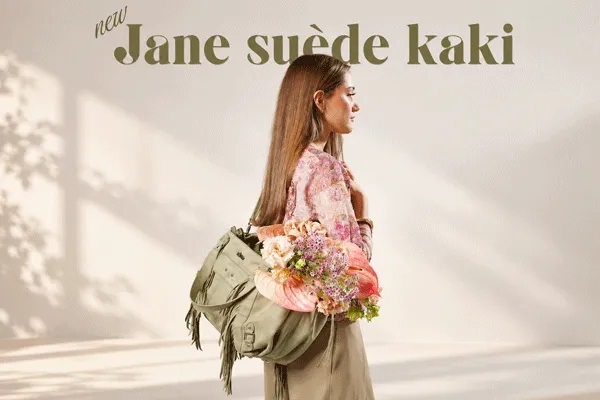
Guia de Bolsas de Ombro Vintage: Como Comprar Bolsas Vintage de Grife e Desenvolver Coleções de Inspiração Vintage
A vintage shoulder bag is more than an older handbag. It represents the fashion ideas, materials, and craftsmanship of the period in which it was made. Many vintage bags feature details that are less common in modern mass-produced products, such as metal clasps, carefully shaped flaps, decorative stitching, and distinctive leather finishes.
In the resale market, vintage often refers to products that are around 20 years old or older, although definitions can vary between sellers and marketplaces. A second-hand bag is not automatically vintage. It may simply be a recently purchased item that someone has used and resold.
The main differences are:
| Tipo de bolsa | Principais características | Typical Buyer Interest |
|---|---|---|
| Vintage bag | Made in an earlier fashion period | History and originality |
| Second-hand bag | Previously owned, regardless of age | Price and availability |
| Vintage-inspired bag | Newly manufactured with retro details | Appearance and modern usability |
| Designer vintage bag | Older product from an established fashion house | Brand heritage and collectability |
What makes vintage bags attractive is their individual character. Natural leather may develop a unique patina, metal hardware may show signs of age, and the original shape may reflect a particular period of fashion.
For collectors, these details can add charm. For modern handbag brands, they provide valuable design inspiration.
Fashion history has influenced the shape and construction of every generation of shoulder bags. Understanding these changes helps buyers identify older designs and gives product developers a clearer direction when planning a retro collection.
The 1950s often featured structured handbags, compact proportions, defined handles, and secure closures. During the 1960s and 1970s, fashion became more experimental, with softer shapes, earthy colors, and decorative materials gaining attention. The 1980s introduced stronger visual statements, including prominent hardware, larger logos, and bold proportions.
The 1990s brought a different direction. Compact shoulder bags, narrow straps, simple closures, and close-fitting silhouettes became popular. Later Y2K fashion introduced playful proportions and more experimental shapes.
| Fashion Period | Common Design Features | Modern Design Inspiration |
|---|---|---|
| 1950s | Structured body, frame closure | Elegant structured shoulder bags |
| 1960s | Geometric shapes, decorative details | Retro-inspired handbags |
| 1970s | Earthy colors, relaxed forms | Bohemian shoulder bags |
| 1980s | Bold hardware, strong branding | Statement accessories |
| 1990s | Compact bodies, short straps | Minimalist shoulder bags |
| Early 2000s | Small silhouettes, distinctive details | Y2K-inspired collections |
These periods are useful references when researching a collection of vintage handbags. However, a successful modern product does not need to reproduce every historical detail. A brand can select one or two design elements and combine them with updated functionality.
For example, a compact 1990s-inspired shoulder bag can retain its original visual proportions while adding a more secure zipper, improved lining, and a reinforced strap connection.
The archives of established fashion houses provide useful references for understanding how designers create recognizable products. Chanel, Louis Vuitton, Gucci, Dior, Fendi, and Hermès have all developed distinctive handbag identities over different periods.
Chanel is widely associated with quilted surfaces, chain details, and elegant flap constructions. Older Chanel shoulder bags are especially interesting to collectors because their materials, hardware, and production details can vary by period.
Louis Vuitton offers a different design direction, with recognizable coated-canvas patterns, leather trims, and travel-inspired construction. Vintage shoulder bags from this fashion house often attract buyers who appreciate the combination of practicality and brand history.
Gucci has explored many handbag shapes and decorative details. Its vintage collections provide examples of how recognizable hardware, leather textures, and signature design elements can influence a product’s identity.
Other brands also offer useful references:
These brands should be viewed as market references rather than templates to reproduce. Their original designs, logos, trademarks, and protected elements belong to their respective owners.
For a buyer building a new collection, the more useful question is not simply which designer bag is popular. It is which design characteristics customers appreciate and how those characteristics can inspire an original product.
Buying a second-hand vintage designer bag requires more research than buying a new handbag. The product may have been used for many years, repaired, stored incorrectly, or modified by a previous owner.
Start by identifying the exact model, approximate production period, material, and original retail details. Search for several examples of the same bag rather than relying on one listing. Compare the shape, hardware, stitching, logo placement, and interior construction.
When shopping online, request clear photographs of the front, back, bottom, corners, strap, interior, brand markings, and hardware. A seller who provides detailed photographs and answers questions clearly is generally easier to evaluate.
Useful purchasing channels include:
For example, eBay’s Authenticity Guarantee offers physical inspection for eligible handbags. Eligibility depends on factors such as brand, listing category, price, and destination. Not every second-hand listing receives this service.
When comparing listings, check the following:
| Buying Factor | O que verificar |
|---|---|
| Seller reputation | Reviews, transaction history, and business information |
| Product photographs | Clear images of all important areas |
| Preço | Comparison with similar models and conditions |
| Description | Age, material, repairs, and included accessories |
| Return policy | Return conditions and refund procedures |
| Authentication | Independent expert inspection where available |
Marketplace searches may also show wallets, accessories, and storage cases for sale. Use the correct category filters to avoid comparing unrelated products.
Most importantly, do not let an attractive sale price replace careful research.
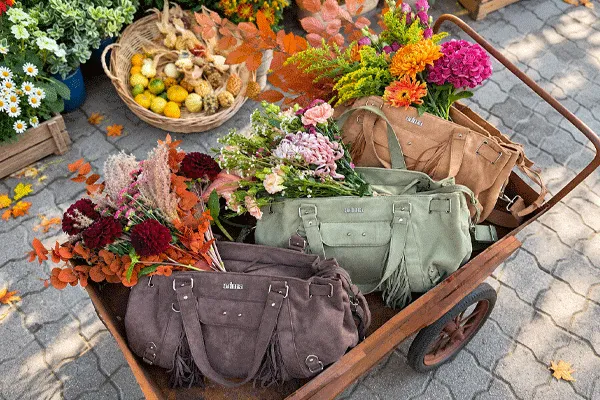
Guia de Bolsas de Ombro Vintage: Como Comprar Bolsas Vintage de Grife e Desenvolver Coleções de Inspiração Vintage
Condition is one of the most important factors when buying vintage bags. Two handbags from the same year and model can have very different values because of their storage history, frequency of use, and previous repairs.
Begin with the exterior. Examine the bottom corners, edges, handle attachments, and areas around the opening. These locations experience frequent contact and may show scratches, discoloration, cracking, or material separation.
Next, inspect the interior. Look for stains, loose lining, damaged pockets, unusual odors, and broken closures. A bag can look attractive from the outside but still require expensive restoration.
Use this checklist before making a purchase:
| Área de inspeção | Warning Signs | O que procurar |
|---|---|---|
| Exterior material | Cracks, peeling, deep scratches | Consistent surface and manageable wear |
| Bottom corners | Heavy abrasion, holes | Stable construction |
| Costura | Loose threads, missing stitches | Even and secure seams |
| Alça de ombro | Cracking, stretched attachment | Strong connection points |
| Acessórios | Rust, loose parts, discoloration | Working closures and stable fittings |
| Interior | Odor, stains, damaged lining | Clean and usable interior |
| Forma | Severe sagging or deformation | Original structure where possible |
Natural aging is not always a problem. A little patina can make an older leather bag more attractive. However, serious structural damage should never be confused with desirable vintage character.
Professional auction houses also use condition reports to describe wear and damage.
If restoration is needed, ask about the work already completed and whether original parts remain. Replaced handles, altered hardware, and major repairs can affect both appearance and resale value.
Authenticity is a major concern in the second-hand luxury market. Counterfeit products can imitate logos, materials, packaging, serial numbers, and even older production details.
A reliable authentication process examines the entire product rather than one feature.
1. Logo and brand markings
Check the font, spacing, position, and quality of the brand markings. Compare them with verified examples from the same model and production period.
2. Stitching and construction
Examine stitch consistency, seam placement, edge finishing, and the way different parts connect. Construction methods can provide useful clues, although no single stitching detail proves authenticity.
3. Materials and texture
Compare the leather, coated canvas, lining, and other materials with documented examples. Genuine vintage products may show natural changes caused by age and use.
4. Hardware and closures
Review the shape, weight, engraving, finish, and attachment of metal components. Hardware should match the relevant model and period.
5. Serial numbers and production codes
Some brands use date codes, serial numbers, or other identification systems. Their format can change over time, so buyers should avoid treating one number as complete proof.
6. Provenance and supporting documents
Original receipts, purchase records, dust bags, and other accessories may help explain a product’s history. However, accompanying documents can also be copied or separated from the original item.
The safest approach is to use a professional authentication service when purchasing an expensive vintage designer handbag. Sotheby’s also recommends buying sought-after vintage Chanel products through established resellers and auction houses experienced in authentication.
Vintage shoulder bags remain attractive because they offer something different from standard seasonal products. Their appeal comes from recognizable proportions, individual details, and a nostalgic connection with earlier fashion periods.
Many consumers also enjoy finding a piece that is not widely available in ordinary retail stores. A vintage handbag can become a statement accessory, especially when its color, hardware, or silhouette differs from current mainstream products.
Another important factor is reuse. Purchasing a second-hand bag gives an existing product another period of use instead of immediately replacing it with a newly manufactured item. However, the environmental benefit depends on the product’s condition, transportation, repair needs, and the buyer’s overall consumption habits.
For modern fashion brands, vintage inspiration offers an opportunity to develop products that feel familiar without looking outdated.
Consider a few design directions:
The objective is to create a wearable product that captures the mood of an earlier period while meeting present-day customer expectations.
For importers, distributors, private-label retailers, and fashion brands, vintage fashion can become a useful direction for developing a new handbag collection.
However, developing a new product is different from buying an authentic second-hand designer item. A manufacturer creates a new product using selected materials, construction methods, and design details. It should not be presented as an original vintage item or an authentic product from another designer.
At IONIA BAG, we are a China-based custom bag manufacturer providing OEM, ODM, and private-label solutions for global B2B buyers. Our manufacturing services cover seleção de materiais, product development, sampling, bulk production, quality inspection, and export-ready packaging.
A nossa atual coleção de bolsas a tiracolo includes different product directions, such as quilted hobo designs, cylindrical shoulder bags, vegan leather styles, and denim shoulder bags. These provide useful starting points for brands interested in developing their own vintage-inspired products.
A custom project can include:
| Customization Area | Available Development Directions |
|---|---|
| Forma | Crescent, flap, baguette-inspired, hobo, compact shoulder |
| Material | Genuine leather, PU leather, polyester, canvas, and other fabrics |
| Cor | Chocolate brown, tan, black, burgundy, beige |
| Acessórios | Antique-finish metal, polished metal, customized buckles |
| Fecho | Zipper, magnetic snap, turn-lock, flap |
| Marcação | Embossed logo, metal logo, printed label, woven label |
| Interior | Custom lining, zipper pockets, compartments |
| Embalagem | Dust bags, hangtags, labels, branded packaging |
A brand may begin with a mood board, technical drawing, reference photograph, or existing sample. The manufacturer can then help translate the concept into measurable product specifications.
For example, a buyer may want a retro-inspired shoulder bag with a curved body, chocolate-brown surface, antique-finish buckle, and adjustable strap. The design team can develop the pattern, select suitable materials, confirm the hardware, and prepare a sample for review.
This approach allows brands to create original products with a vintage mood while maintaining their own identity.
Materials play a major role in the appearance of a vintage-inspired handbag. The right surface, color, and finishing method can change how a new product looks and feels.
Leather is often selected for its natural texture and ability to develop character over time. Smooth leather creates a cleaner appearance, while textured leather can give a bag a more traditional feel.
PU leather offers more flexibility in cost and surface design. It can be developed in different grain patterns, colors, and finishes, making it useful for fashion collections with specific price targets.
Coated canvas and woven fabrics provide additional options for brands that want a lighter product or a distinctive patterned exterior.
| Material | Visual Character | Suitable Product Direction |
|---|---|---|
| Couro genuíno | Natural grain and aging characteristics | Premium vintage-inspired bags |
| Couro PU | Flexible colors and surface finishes | Fashion and retail collections |
| Camurça | Soft, matte surface | Heritage and casual styles |
| Coated canvas | Printed or coated surface | Mochilas de viagem e de uso diário |
| Lona de algodão | Natural textile appearance | Casual retro collections |
| Tecido de poliéster | Flexible structure and color options | Affordable fashion products |
Beyond material, small construction details help define the final design.
Consider these elements:
For mass production, these details must also work technically. Hardware needs consistent finishing, stitching must remain secure, and surface treatments should be checked for color consistency and wear resistance.
A product may look excellent in a sample but fail to deliver the same appearance across hundreds or thousands of units if the specifications are unclear.
That is why sampling and production quality control matter.
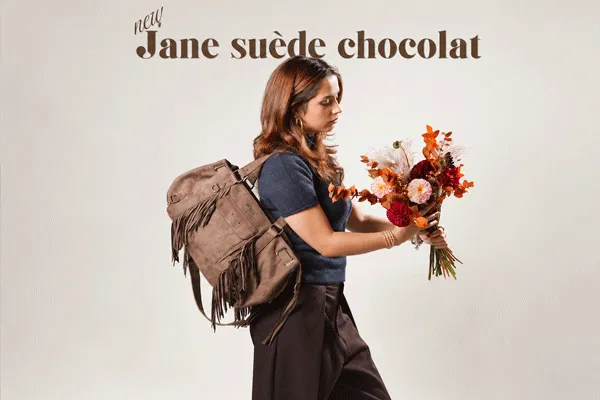
Guia de Bolsas de Ombro Vintage: Como Comprar Bolsas Vintage de Grife e Desenvolver Coleções de Inspiração Vintage
The definition varies by marketplace and product category. Many luxury resale discussions use approximately 20 years as a reference point, but buyers should check how each seller defines vintage.
They can be worthwhile purchases for collectors and fashion enthusiasts who value older designs, materials, and brand history. However, the purchase should depend on authenticity, condition, price, and personal preference rather than brand name alone.
Chanel, Louis Vuitton, Gucci, Dior, Fendi, and Hermès are frequently explored in the luxury resale market. Popularity and resale value depend on the specific model, production period, rarity, and condition.
Check its construction, materials, hardware, logo markings, production details, and provenance. For expensive purchases, use an established professional authentication service rather than relying only on photographs or seller claims.
Yes. Manufacturers can develop new shoulder bags using retro-inspired shapes, materials, colors, hardware, and decorative details. These products are newly manufactured rather than authentic vintage or second-hand designer bags.
Yes. OEM and ODM manufacturers can help brands develop original designs, select materials, customize hardware, apply logos, prepare samples, and arrange bulk production. Buyers should provide their target market, design direction, estimated quantity, and product requirements.
Develop Your Own Vintage-Inspired Shoulder Bag Collection
If you are an importer, distributor, retailer, or brand owner planning a new handbag collection, IONIA BAG can support your project from concept development to bulk delivery.
Explore nossa soluções de fabricação OEM e ODM, review our sample development service, ou contacte a nossa equipa to discuss your custom shoulder bag requirements.
Nós responderemos dentro de 24 horas. Se for um caso urgente, adicione WhatsApp/WeChat: +86 15066236153. Ou ligue diretamente para +86 17657177170.
*Respeitamos sua confidencialidade e todas as informações são protegidas.
Usaremos suas informações apenas para responder à sua consulta e nunca enviaremos e-mails não solicitados ou mensagens promocionais.
 último blog
