









Para que serve um saco de viagem? Utilizações práticas do saco de viagem para viagens, desporto, trabalho e muito mais
17 de julho de 2026
Escolher a mala errada pode resultar numa má organização, num transporte desconfortável ou num desperdício de espaço. Estes problemas agravam-se durante as viagens ou na utilização diária. Um saco de viagem bem concebido resolve o problema com um espaço de arrumação flexível, uma abertura ampla, alças resistentes e características adaptadas à atividade do utilizador.
A saco de duffel É utilizada para transportar roupa, calçado, equipamento desportivo, artigos de viagem, equipamento de trabalho e objetos pessoais. O seu design espaçoso e com laterais flexíveis torna-a adequada para idas ao ginásio, viagens de fim de semana, viagens de avião, atividades ao ar livre, desportos coletivos, presentes empresariais e programas promocionais. Os diferentes tamanhos, materiais, alças e compartimentos permitem diversas utilizações.
Uma mochila tipo duffel é um dos modelos de mala mais versáteis que existem. Pode ser uma mala de ginásio compacta, uma bagagem de mão leve, um saco resistente para transportar equipamento ou uma mala de viagem de couro de alta qualidade. Este guia explica as suas utilizações, história, principais tipos, materiais e fatores-chave a ter em conta na compra, tanto para utilizadores particulares como para compradores por grosso no setor B2B.
Para que serve um saco de viagem? Utilizações práticas do saco de viagem para viagens, desporto, trabalho e muito mais
A saco de duffel é um saco de lado mole concebido para transportar roupa, equipamento e outros objetos pessoais. As versões tradicionais tinham uma forma cilíndrica alongada e uma abertura na parte superior. Os modelos modernos são frequentemente horizontais, com fecho de correr e equipados com pegas ou uma alça de ombro.
O Merriam-Webster define-a como um saco macio e oblongo para objetos pessoais e regista a primeira utilização conhecida do termo “duffel bag” em 1903. O dicionário também define “duffel” como um tecido de lã pesado, bens transportáveis ou o próprio saco.
Um saco de viagem moderno costuma ter:
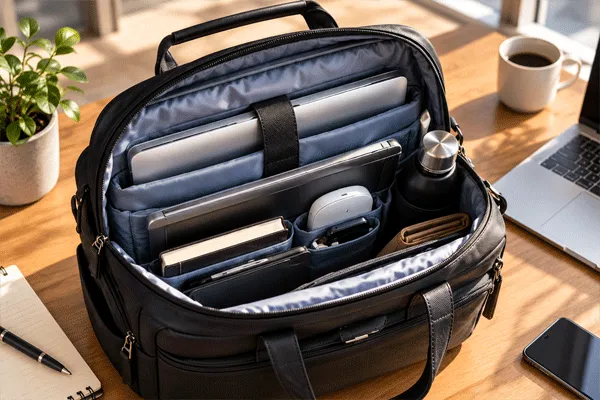
Alguns modelos também incluem alças tipo mochila, rodas, um compartimento almofadado para o portátil, bolsos para guardar objetos molhados ou compartimentos separados para sapatos.
O termo “duffle bag” é uma variação ortográfica aceite. Nas fichas de produto, «duffel» é amplamente utilizado na América do Norte, enquanto ambas as grafias aparecem nos mercados internacionais. Para efeitos de SEO e de vendas de marca própria, as marcas podem utilizar a grafia que melhor se adequar aos seus clientes-alvo.
A principal vantagem de um saco de viagem é a sua versatilidade. Um único modelo pode ser utilizado em viagens, desporto, trabalho, atividades ao ar livre ou para fins promocionais. A abertura ampla e as paredes flexíveis facilitam o arrumar do saco, mesmo quando os objetos não têm uma forma uniforme.
Entre as utilizações mais comuns do saco de viagem contam-se:
Ao contrário de uma mala rígida, um saco flexível pode expandir-se ligeiramente à volta do conteúdo. Isto torna-o útil quando os utilizadores precisam de transportar roupa, sapatos, toalhas, capacetes, equipamento de proteção ou outros artigos volumosos.
Um saco de viagem é uma boa opção para quem valoriza a rapidez na arrumação. Em vez de colocar cada objeto numa divisão fixa, o utilizador pode abrir a parte superior, colocar os objetos maiores no centro e organizar os mais pequenos nos bolsos laterais.
| Tipo de utilizador | Conteúdos comuns | Funcionalidades recomendadas |
|---|---|---|
| Viajante | Roupa, calçado, artigos de higiene pessoal | Alça almofadada, compartimento para bagagem, bolsos seguros |
| Utilizador do ginásio | Roupa de treino, toalha, garrafa | Compartimento para sapatos ventilado, forro resistente à água |
| Atleta | Uniformes, equipamento desportivo, proteções | Base resistente, abertura ampla, logótipo da equipa |
| Viajante em negócios | Roupa, documentos, computador portátil | Forma rígida, compartimento acolchoado |
| Utilizador de atividades ao ar livre | Roupa, botas, equipamento | Tecido resistente, base revestida, correias de compressão |
| Comprador empresarial | Presentes ou materiais para eventos | Cores personalizadas, logótipo impresso, embalagem de retalho |
O produto certo não é simplesmente o de maiores dimensões. Tem de ser adequado à atividade, ao peso da carga, ao método de transporte e ao preço pretendido.
Para que serve um saco de viagem? Utilizações práticas do saco de viagem para viagens, desporto, trabalho e muito mais
Um saco de viagem dá-se bem como um mala de viagem porque é espaçoso, versátil e fácil de carregar. É especialmente prático para uma escapadela de fim de semana, uma viagem de carro ou uma curta viagem de negócios.
Os viajantes podem utilizar o compartimento principal para guardar roupa e colocar calçado, carregadores, documentos e artigos de higiene pessoal nos bolsos mais pequenos. Um modelo com uma abertura ampla e laterais flexíveis pode ser mais fácil de arrumar do que uma mala com uma tampa estreita.
Um saco de viagem compacto também pode servir como bagagem de mão, mas os compradores nunca devem partir do princípio de que todos os modelos são aceites em todos os voos. A TSA afirma que as dimensões da bagagem de mão variam consoante a companhia aérea e aconselha os passageiros a contactarem a sua companhia aérea. A FAA refere que muitas companhias aéreas aplicam um limite de 45 polegadas lineares no total, mas as restrições das aeronaves e das companhias aéreas podem variar.
A estrutura em tecido macio proporciona alguma flexibilidade nos compartimentos superiores, mas as dimensões quando cheia continuam a ser importantes. As pegas, as rodas, os bolsos laterais e o conteúdo embalado podem aumentar o tamanho final.
No que diz respeito a produtos de marca própria destinados ao setor das viagens, costumamos recomendar:
Um saco de viagem é perfeito para levar roupa para dois ou três dias, mas pode não substituir uma mala rígida quando o utilizador transporta roupa formal, artigos frágeis ou muitos objetos pequenos que necessitam de uma organização bem definida.
Sim. Uma mochila tipo duffel é frequentemente utilizada como saco de ginástica, uma vez que o seu compartimento principal oferece espaço suficiente para roupa de treino, sapatos, uma toalha, artigos de higiene pessoal e uma garrafa de água.
Quem pratica desporto tem frequentemente de fazer as malas rapidamente antes ou depois do treino. Uma grande abertura com fecho de correr permite o acesso direto ao interior. Os bolsos separados evitam que as chaves, os telemóveis ou a roupa limpa se misturem com o equipamento desportivo usado.
Entre as funcionalidades úteis relacionadas com o ginásio e o desporto, destacam-se:
Para clubes e equipas escolares, um saco de desporto personalizado também pode reforçar a identidade visual. O mesmo modelo pode ser produzido nas diferentes cores da equipa, com nomes bordados, logótipos serigrafados, imagens aplicadas por transferência térmica ou emblemas tecidos.
O tamanho de um saco de desporto deve ser adequado à atividade em questão. Um saco de natação precisa de materiais resistentes à água e de um compartimento para guardar o equipamento molhado. Um saco de futebol ou hóquei requer muito mais volume e costuras mais resistentes. Um saco para ioga ou dança pode necessitar de alças externas para transportar o tapete.
Os sacos de viagem grandes são úteis para transportar equipamento desportivo, mas um tamanho maior também aumenta a carga exercida sobre as alças, o fecho, a alça de ombro e a base. A resistência da estrutura do produto deve aumentar à medida que o volume aumenta.
Moderno tipos de sacos de viagem diferenciam-se na forma, no modo de transporte, na construção e na finalidade de utilização.
A versão tradicional é um saco cilíndrico com uma abertura na parte superior ou numa das extremidades. É simples, espaçoso e adequado para uniformes, equipamento ou armazenamento em geral.
Este formato permite transportar objetos volumosos, mas pode oferecer menos opções de organização interna do que um modelo de viagem horizontal.
Este é o modelo que a maioria das pessoas reconhece hoje em dia. Normalmente tem um fecho de correr comprido na parte superior, duas alças e uma alça de ombro.
A forma horizontal da mala permite ao utilizador aceder diretamente ao compartimento principal. Pode ainda incluir bolsos laterais, espaço para sapatos e uma manga para o trolley.
Uma mochila-saco de viagem inclui alças de mochila ocultas ou removíveis. Os utilizadores podem transportá-la na mão, num ombro ou nos dois ombros.
Este modelo é útil para passeios ao ar livre, viagens urbanas e situações em que o utilizador precisa de ter as mãos livres.
Um modelo com rodas inclui rodas e uma pega retrátil. Combina a capacidade de um saco de viagem com algumas das vantagens de uma mala com rodas.
As rodas e a estrutura de suporte aumentam o peso, o custo e a complexidade estrutural. O compartimento das rodas também reduz parte do espaço interior útil.
Um modelo desportivo inclui frequentemente ventilação, compartimentos para guardar objetos molhados, bolsos para garrafas e um material de base resistente.
O design deve refletir o desporto. Um saco de ginástica compacto e um saco grande para o equipamento da equipa não são intercambiáveis.
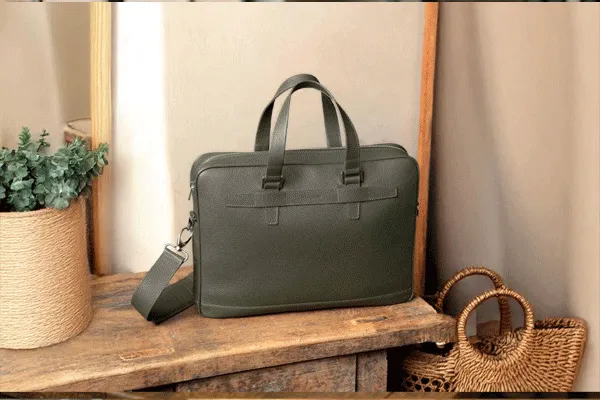
Uma mala de viagem em pele tem um aspeto sofisticado e é frequentemente destinada a viagens de negócios, presentes ou ao retalho de artigos de estilo de vida.
O couro pode conferir um aspeto sofisticado e ter uma longa vida útil, mas é mais pesado e requer mais cuidados do que muitos tecidos sintéticos. Para programas de marca própria em que o custo é um fator determinante, os materiais revestidos a PU ou as alternativas em microfibra podem proporcionar um aspeto semelhante.
Este modelo compacto dobra-se e cabe na sua própria bolsa pequena. É útil como companheiro de viagem extra, saco para as compras ou saco de roupa suja de reserva.
A estrutura leve poupa espaço, mas oferece menos proteção e resistência à carga.
Este design robusto pode incluir correias, cintas de compressão, tecido revestido, bases reforçadas e pontos de fixação modulares.
É adequado para acampamentos, trabalho, situações de emergência ou marcas de atividades ao ar livre que necessitem de uma identidade visual e funcional mais forte.
Para que serve um saco de viagem? Utilizações práticas do saco de viagem para viagens, desporto, trabalho e muito mais
A escolha depende da forma como a mala vai ser utilizada. Não existe um modelo único que seja o ideal para todas as ocasiões.
Uma mala oferece uma melhor estrutura, permite organizar melhor a roupa e protege contra impactos. Muitas vezes, é mais fácil deslocar-se com ela pelos aeroportos.
Um saco de viagem é mais leve, mais versátil e mais fácil de guardar. É ideal para viagens de carro, desporto, escapadelas de fim de semana e artigos volumosos e não rígidos.
| Característica | Bolsa de viagem | Mala |
|---|---|---|
| Estrutura | Abre ou semiestruturado | Rígido ou estruturado |
| Peso | Normalmente mais baixo | Normalmente mais elevado |
| Flexibilidade na embalagem | Alto | Moderada |
| Proteção | Moderada | Alto |
| Armazenamento quando vazio | Fácil | Requer mais espaço |
| Prós | Desporto e viagens curtas | Viagens organizadas ou de longa duração |
Uma mochila distribui o peso por ambos os ombros e deixa as duas mãos livres. É ideal para caminhadas, deslocações diárias e para transportar aparelhos eletrónicos.
Um saco de viagem oferece, normalmente, um espaço de arrumação único e mais amplo, bem como um acesso mais rápido pela parte superior. Pode ser mais adequado para roupa, calçado e artigos desportivos, mas é menos confortável em caminhadas longas.
Um híbrido entre mochila e saco de viagem pode oferecer as vantagens de ambos os formatos.
Um saco de compras tem um corpo simples e aberto, com duas alças. É prático para fazer compras, transportar os artigos essenciais do dia-a-dia ou para uso promocional leve.
A mochila de viagem oferece normalmente maior capacidade, um fecho de correr seguro e mais opções de transporte. É a melhor opção quando o utilizador precisa de transportar objetos mais pesados ou mais valiosos.
Ao escolher entre estes produtos, tenha em conta a distância de transporte, o tipo de artigo, a proteção necessária, o acesso e armazenamento de sacos vazios.
O material influencia a aparência, a durabilidade, o peso, o custo, a resistência à água, a impressão e a perceção do cliente.
O poliéster é frequentemente utilizado na confeção de sacos desportivos, de viagem e promocionais. Está disponível em diversas gramagens, texturas e revestimentos.
Suporta uma vasta gama de cores e métodos de personalização. Além disso, oferece um equilíbrio prático entre custo, resistência e consistência nas encomendas em grande quantidade.
O nylon oferece uma elevada resistência ao rasgo, apesar do seu peso relativamente baixo. É frequentemente escolhido para produtos de exterior, de viagem e desportivos de alta gama.
É necessário confirmar o tipo de material, as especificações do fio, a densidade do tecido e o revestimento, uma vez que a palavra “nylon”, por si só, não define o desempenho.
A lona confere um aspeto natural e resistente. A lona de algodão é comum em coleções de estilo de vida, tradicionais, promocionais e de viagem casual.
O acabamento em lona encerada confere uma superfície robusta e uma maior resistência à humidade ligeira. No entanto, as variações de cor e as marcas na superfície podem fazer parte do aspeto pretendido.
O couro contribui para um posicionamento de gama alta, enquanto o PU e outras opções sintéticas proporcionam uma cor mais uniforme e um custo mais baixo.
Um artigo em pele requer, normalmente, um planeamento de confeção mais rigoroso, uma vez que o material é mais pesado e menos flexível durante a costura.
Os materiais revestidos a PVC ou TPU são adequados para produtos destinados ao uso no exterior, à navegação, ao trabalho e a ambientes húmidos. A construção soldada ou revestida pode melhorar a proteção contra as intempéries.
“Os termos ”resistente à água“ e ”impermeável» não devem ser utilizados de forma intercambiável. A construção das costuras, o tipo de fecho de correr, o revestimento e o design do fecho são fatores que afetam o desempenho global da mochila.
| Material | Principais vantagens | Aplicações típicas |
|---|---|---|
| Poliéster | Económico, imprimível, versátil | Promoção, ginásio, viagens |
| Nylon | Leve e resistente | Atividades ao ar livre e viagens de luxo |
| Lona de algodão | Aspecto natural e toque firme ao toque | Estilo de vida e retalho |
| Lona encerada | Aspecto tradicional e superfície rugosa | Atividades ao ar livre e moda |
| Couro | Aspecto de alta qualidade | Mercados empresariais e de presentes |
| Couro PU | Aspecto uniforme e custo mais baixo | Moda e marcas próprias |
| Lona revestida | Elevada resistência à humidade | Utilização em ambiente marítimo, no trabalho e ao ar livre |
Enquanto fabricante de sacos personalizados, não recomendamos um tecido apenas com base na sua aparência. Comparamos a carga prevista, o preço de venda, o método de impressão, a exposição à abrasão, o volume da encomenda e o mercado-alvo.
Para escolha a opção certa modelo, comece por considerar o que o utilizador vai transportar e até onde o vai transportar.
Uma mala grande pode parecer mais útil, mas o excesso de capacidade leva a levar coisas a mais. Uma carga longa e pesada pode tornar-se incómoda quando suportada por apenas uma alça.
Quando os utilizadores escolhem um saco de viagem para uma viagem de avião, devem verificar se as dimensões do saco, quando cheio, cumprem as regras específicas da companhia aérea. O facto de o saco ter uma estrutura flexível não garante que seja aceite como bagagem de cabine.
No caso de um produto para ginásio, o forro lavável e a ventilação podem ser mais importantes do que a aparência. No caso de um modelo de viagem de gama alta, os clientes podem dar mais importância aos painéis estruturados, aos acessórios metálicos, ao bom funcionamento do fecho de correr e a uma alça de ombro almofadada.
O modelo certo deve parecer equilibrado quando estiver cheio. As alças devem situar-se perto do centro de gravidade, enquanto os pontos de fixação aos ombros devem ser reforçados com correias, costura em caixa ou outra construção adequada.
Os importadores, distribuidores, proprietários de marcas e compradores promocionais têm de olhar para além da aparência da amostra. Um saco pode parecer bom numa fotografia, mas mesmo assim falhar quando submetido a cargas repetidas.
Como fabricante de malas personalizadas com sede na China, começamos normalmente por elaborar um resumo do produto que abrange a utilização, as dimensões, o volume, os materiais, o custo-alvo, o método de aplicação do logótipo, a quantidade encomendada, a embalagem e o mercado de destino.
| Decisão | Perguntas para o comprador |
|---|---|
| Tamanho | O que é que tem de caber dentro do saco? |
| Material | Que gramagem, acabamento e revestimento do tecido são necessários? |
| Construção | Que zonas precisam de reforço ou acolchoamento? |
| Compartimentos | Leva-se sapatos, computadores portáteis, roupa molhada ou garrafas? |
| Marcação | Que tamanho, cor e método de aplicação do logótipo são necessários? |
| Acessórios | Fivelas, ganchos e puxadores de fecho de correr de plástico ou de metal? |
| Conformidade | Que normas do mercado e dos clientes se aplicam? |
| Embalagem | É necessária uma embalagem pronta para venda a retalho? |
| Escala de encomendas | Qual é a quantidade de teste e o volume previsto? |
| Entrega | Qual é a data de envio e o destino pretendidos? |
A produção OEM segue o projeto, as especificações ou a amostra de referência fornecidos pelo comprador.
O desenvolvimento ODM começa com um projeto de fábrica já existente ou recém-desenvolvido, que pode ser adaptado em termos de dimensões, tecido, estrutura, cor e características.
A produção de marca própria incorpora a identidade da marca do comprador através de logótipos, etiquetas, cores, embalagens e apresentação do produto.
Uma especificação bem elaborada deve definir mais do que “saco de viagem em poliéster 600D”. Deve indicar:
Antes de aprovar a produção em série, verifique o seguinte:
No caso de produtos sujeitos a cargas elevadas, os compradores devem também definir um teste de carga adequado. O peso e a duração do teste devem refletir a utilização prevista, em vez de um valor aleatório.
Imaginemos uma marca de artigos para atividades ao ar livre que precise de uma coleção de viagem para o fim de semana. Em vez de encomendar um único produto genérico, pode criar três modelos relacionados:
Os produtos podem partilhar o mesmo tecido, estilo de fecho, emblema com logótipo, gama de cores e embalagem. Isto cria uma consistência visual, ao mesmo tempo que atende a diferentes utilizadores.
Os materiais partilhados podem também simplificar o abastecimento e o controlo da cor. Ao mesmo tempo, cada modelo deve ter uma estrutura adaptada à sua carga. O modelo de 70 litros necessita de pegas mais resistentes e de um reforço na base do que a versão mais pequena.
Esta abordagem ajuda os compradores de marcas próprias a criar uma história mais completa do produto, sem tratar cada artigo como um projeto de desenvolvimento isolado.
A história dos sacos de viagem está ligada à cidade de Duffel, na Bélgica, e a um tecido de lã grossa típico da região.
O dicionário Merriam-Webster define «duffel» como um tecido de lã grossa e pesada, com uma superfície espessa. O nome da mala passou posteriormente a ser associado a um saco macio utilizado para transportar pertences.
A explicação tradicional é que o nome tem origem na cidade de Duffel, na Bélgica, onde se produzia um tecido resistente. Esse tecido era utilizado em artigos como cobertores, agasalhos e sacos. O nome desse material está também associado aos casacos «duffel».
Os primeiros modelos eram simples e práticos. Um saco cilíndrico tradicional podia ser enchido através de uma abertura na parte superior e fechado com um cordão ou um sistema semelhante. Esses sacos eram originalmente utilizados para transportar roupa e equipamento, incluindo pertences militares e marítimos.
Ao longo do tempo, as malas evoluíram de simples sacos com abertura superior para produtos horizontais com fecho de correr, alças, compartimentos, rodas e bases rígidas.
Hoje em dia, um produto denominado «duffel» pode já não ser fabricado com o tecido de lã original nem apresentar a forma cilíndrica exata que conhecemos a partir de exemplos históricos. O nome descreve agora uma ampla categoria de produtos baseada mais na funcionalidade do que num único material.
As versões modernas incluem:
O design continua a evoluir porque a ideia central continua a ser útil: um saco espaçoso e portátil, fácil de encher e transportar.
Um bom produto deve continuar a ser confortável e funcional após uma utilização repetida. Os compradores devem avaliar a construção na sua totalidade, e não basear-se apenas numa alegação relativa ao tecido.
O compartimento principal deve ser espaçoso, sem perder a forma. Painéis, debrum, espuma ou reforços internos podem ajudar um produto de lado mole a manter uma forma mais atraente.
Uma alça de ombro amovível oferece aos utilizadores mais opções de transporte, enquanto as alças de mochila podem aumentar o conforto em percursos mais longos. Os modelos com rodas facilitam o transporte de cargas pesadas, mas exigem suportes de rodas e pegas fiáveis.
O melhor design não é aquele que tem mais bolsos. Cada característica implica mais material, mais tempo de costura, mais peso e mais custos. Um produto de sucesso inclui características que o utilizador-alvo irá realmente valorizar.
É utilizado principalmente para transportar roupa, calçado, equipamento e objetos pessoais. As utilizações mais comuns incluem viagens curtas, exercício físico, desportos de equipa, atividades ao ar livre, trabalho e programas promocionais.
Sim. Um modelo de tamanho médio é muitas vezes ideal para viagens de fim de semana, pois permite levar roupa, sapatos, produtos de higiene pessoal e pequenos aparelhos eletrónicos sem ocupar tanto espaço como uma mala grande.
Alguns modelos podem ser utilizados como bagagem de cabine, mas as dimensões quando cheios têm de respeitar os limites da companhia aérea. As dimensões permitidas variam consoante a companhia aérea, pelo que os viajantes devem verificar os requisitos antes de embarcarem.
Trata-se de variações ortográficas para a mesma categoria de malas. “Duffel” é comummente utilizado no inglês americano e nas descrições internacionais de produtos, enquanto “duffle” também aparece em listagens de retalho.
Um saco de viagem é mais adequado para fazer as malas de forma flexível, para a prática de desporto, para viagens de carro e para um arrumação compacta. Uma mala de viagem é mais indicada quando a estrutura, as rodas, a proteção contra impactos e a organização da roupa são prioridades.
O tamanho correto depende da utilização pretendida. Os produtos compactos de fitness podem ter cerca de 20 a 30 litros, as malas de viagem para o fim de semana situam-se frequentemente na gama média e as malas para equipamento de equipas ou de atividades ao ar livre podem exigir uma capacidade muito maior. As dimensões finais devem basear-se em testes de arrumação com amostras, em vez de se basearem apenas nas indicações de volume.
Utiliza-se um saco de viagem porque combina capacidade, flexibilidade e facilidade de acesso num único formato prático. Pode servir para transportar roupa de treino para o ginásio, equipamento para um campo desportivo, objetos pessoais numa viagem de fim de semana ou brindes com a marca para um evento empresarial.
O seu valor reside na adaptabilidade. A forma, o material, o sistema de alças, os compartimentos e a marca podem ser ajustados a um mercado específico.
Para importadores, distribuidores, retalhistas, vendedores de comércio eletrónico, marcas de atividades ao ar livre e fornecedores de artigos promocionais, o próximo passo útil consiste em elaborar uma ficha técnica clara do produto. Esta deve incluir a utilização pretendida, as dimensões, o sentido do tecido, os compartimentos necessários, o método de personalização da marca, a quantidade pretendida para a encomenda, a gama de preços e o mercado de destino.
Enquanto fabricante de malas com sede na China, especializado em OEM, ODM e marcas próprias, utilizamos esses detalhes para avaliar a estrutura, os materiais, o desenvolvimento de amostras, a aplicação do logótipo, a viabilidade da produção em série e os custos antes de a encomenda final ser efetuada.
Nós responderemos dentro de 24 horas. Se for um caso urgente, adicione WhatsApp/WeChat: +86 15066236153. Ou ligue diretamente para +86 17657177170.
*Respeitamos sua confidencialidade e todas as informações são protegidas.
Usaremos suas informações apenas para responder à sua consulta e nunca enviaremos e-mails não solicitados ou mensagens promocionais.
 último blog
