


Melhores Bolsas Femininas em 2026: Modelos Populares, Inspiração de Grifes e Como Escolher a Bolsa Certa
30 de outubro de 2026
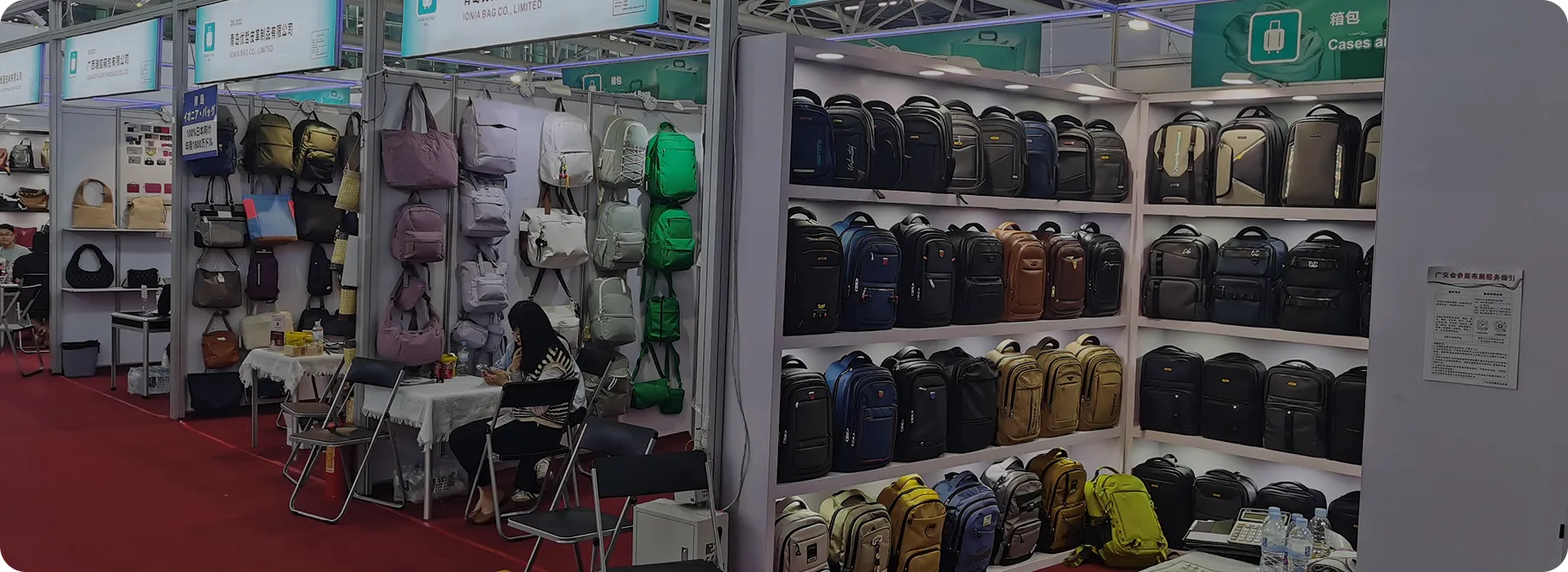
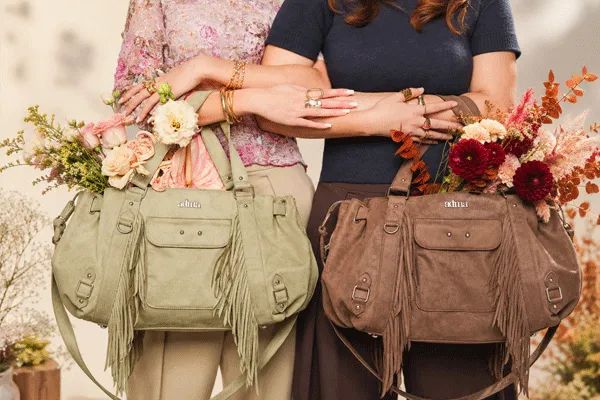
The best handbags for women combine attractive design, practical storage, comfortable carrying, and durable materials. Popular choices include sacolas, sacos de ombro, bolsas a tiracolo, hobo bags, top-handle bags, and compact clutches. The right choice depends on lifestyle, personal style, budget, material preference, and intended use.
Melhores Bolsas Femininas em 2026: Modelos Populares, Inspiração de Grifes e Como Escolher a Bolsa Certa
What Makes the Best Handbags for Women?
Which Handbag Styles Are Most Popular?
How Do You Choose a Handbag for Everyday Use?
Which Materials Are Best for Women’s Handbags?
What Can We Learn from Famous Handbag Brands?
What Size and Interior Features Should You Look For?
Which Handbag Colors and Details Are Worth Considering?
How Can Brands Develop Their Own Handbag Collections?
How Do You Evaluate Handbag Quality Before Buying?
Frequently Asked Questions About Women’s Handbags
A good handbag should do more than complete an outfit. It should help you carry daily essentials, stay organized, and feel comfortable throughout the day. The best designs combine appearance, practicality, material quality, and reliable construction.
When comparing different styles, consider these five factors:
Design: Does the shape match your personal style?
Capacity: Can it hold your phone, wallet, keys, cosmetics, and other essentials?
Comfort: Are the handles and straps comfortable?
Material: Is the surface suitable for regular use?
Construction: Are the stitching, zipper, lining, and hardware reliable?
A designer handbag may attract attention because of its shape or brand identity, but these features do not always guarantee better everyday performance.
For example, a structured leather purse may suit an office environment, while a soft shoulder style may work better for shopping, casual outings, and weekend activities.
For B2B buyers, these same factors are important during product development. A successful product must satisfy the target customer’s expectations while remaining practical to manufacture, price, and reorder.
Different bag styles serve different purposes. Some focus on capacity, while others emphasize fashion, convenience, or a particular carrying experience. Understanding these differences makes it easier to select the right product.
Here are some popular styles worth considering:
| Handbag Style | Main Features | Utilização adequada |
|---|---|---|
| Tote | Open, spacious body and two handles | Work, shopping, travel |
| Bolso de Ombro | Short or medium shoulder strap | Moda para o dia a dia |
| Saco transversal | Long adjustable strap | Walking and travel |
| Mala tipo «hobo» | Soft, curved silhouette | Casual and lifestyle |
| Mala com alça superior | Structured body and upper handle | Office and formal occasions |
| Clutch | Small, compact design | Parties and events |
| Bolsa sling | Compact, body-close construction | Casual and active use |
| Shopper tote | Large carrying capacity | Compras e tarefas do dia a dia |
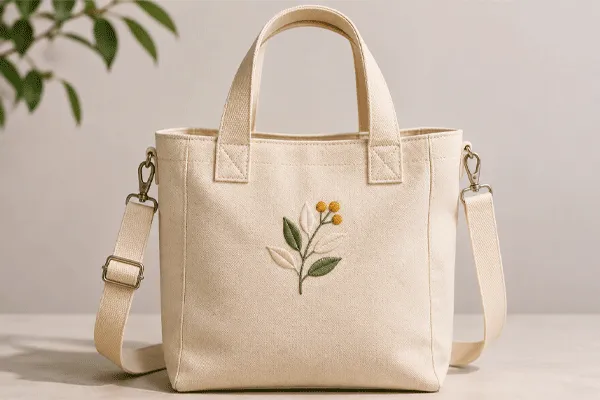
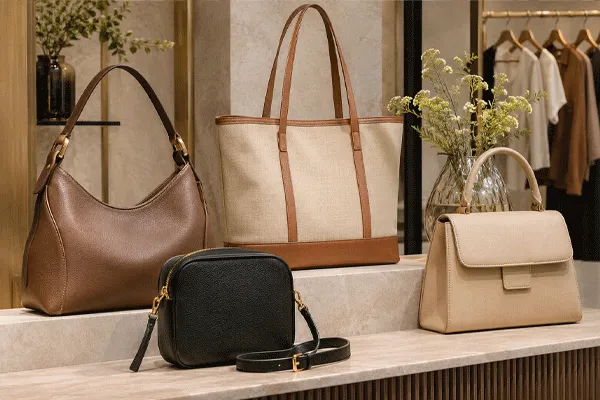
Tote bags remain practical choices for customers who need more storage. A leather tote can create a premium appearance, while a canvas tote suits casual collections.
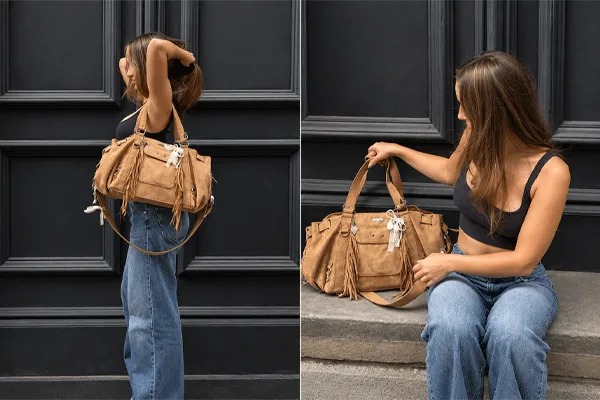
A shoulder bag offers a more compact alternative. A hobo bag or soft leather hobo bag creates a relaxed appearance, especially when designers use flexible materials and a slouchy body.
For customers who prefer hands-free convenience, a crossbody bag or small crossbody design is often a better choice. Meanwhile, a top-handle bag provides a more formal appearance and can work well for office or special occasions.
The best product range usually includes several silhouettes rather than relying on one design.
The right everyday bag depends on how you spend your day. Someone commuting to work may need a different design from someone who spends most of the day shopping, traveling, or attending social events.
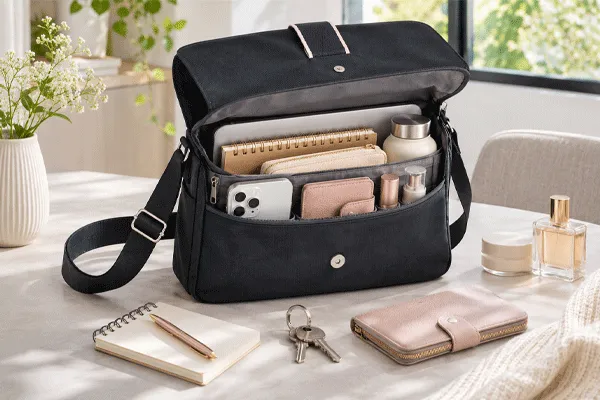
Start by considering what you normally carry. A daily handbag should provide enough room for your wallet, phone, keys, cosmetics, sunglasses, and other personal items without becoming too heavy.
For work, look for a spacious interior, secure closure, and well-organized pockets. If the customer needs to carry a tablet or laptop, the internal dimensions and protective structure become even more important. A work bag should also have reinforced handles and a stable base.
For travel, a cross-body format offers easy access to personal belongings. A leather crossbody or compact sling can keep essentials close to the body. An adjustable strap also makes the product easier to use for people of different heights.
Consider this simple selection guide:
Office: Structured tote or top-handle design.
Shopping: Large tote or shopper tote.
Travel: Crossbody or lightweight shoulder style.
Evening events: Clutch or small pouch bag.
Casual weekends: Hobo, sling, or soft shoulder design.
A good product should fit the customer’s routine, not force the customer to change it.
Melhores Bolsas Femininas em 2026: Modelos Populares, Inspiração de Grifes e Como Escolher a Bolsa Certa
Material selection affects the appearance, weight, durability, price, and overall customer experience of a bag. For brands and importers, it also influences manufacturing costs and product positioning.
The following materials are commonly used in women’s collections:
| Material | Aparência | Principais vantagens | Posicionamento típico |
|---|---|---|---|
| Couro genuíno | Textura natural | Distinctive appearance and long-term use potential | Prémio |
| Pebbled leather | Textured surface | Helps reduce the visibility of minor marks | Prémio |
| Camurça | Soft, matte surface | Rich texture and relaxed appearance | Fashion |
| Couro PU | Smooth or textured | Flexible design and cost options | Intermediário |
| Couro vegano | Leather-like appearance | Alternative material positioning | Lifestyle |
| Tela | Textura do tecido | Lightweight and casual | Everyday |
| Woven leather | Interlaced surface | Distinctive visual appeal | Fashion |
Leather remains an important choice for brands seeking a premium look. Full-grain and other leather grades offer different surface characteristics, costs, and performance. Buyers should confirm the exact material specification rather than relying only on broad descriptions.
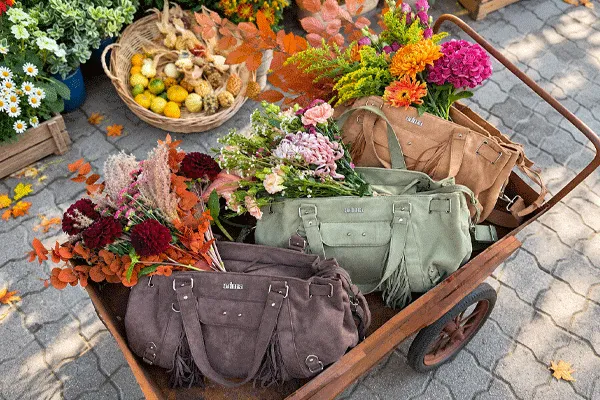
Suede creates a softer appearance and works well for seasonal products such as a suede tote. However, buyers should consider cleaning requirements and surface protection.
PU and vegan leather offer more flexibility in colors, textures, and price points. They can also support structured designs that are difficult to achieve with some softer fabrics.
Other important material details include:
Lining fabric and thickness
Reinforcement materials
Zipper and metal hardware quality
Acabamento das bordas
Reforço das alças
Color consistency between production batches
For private-label buyers, the right material is the one that matches the intended retail price, target market, and product requirements.
Established handbag brands offer useful market references. Their designs show how silhouette, materials, recognizable details, and product positioning can work together to create a strong collection.
Here are several well-known names and design directions worth studying:
| Brand Reference | Recognizable Design Direction | Product Development Inspiration |
|---|---|---|
| Prada | Clean structured shapes | Practical luxury styling |
| Marc Jacobs | Contemporary casual designs | Youthful everyday collections |
| Tory Burch | Classic lifestyle aesthetics | Versatile retail products |
| Bottega Veneta | Woven leather details | Surface texture and craftsmanship |
| Stella McCartney | Modern alternative materials | Material-focused collections |
| Strathberry | Structured shapes and hardware | Refined details |
| Balenciaga | Expressive silhouettes | Fashion-led proportions |
| YSL | Minimalist luxury styling | Clean lines and hardware |
| Loewe | Artisanal shapes and textures | Creative construction |
| Louis Vuitton | Recognizable patterns and travel heritage | Consistent visual identity |
Other familiar references include Coach’s Tabby collection and the Polène Cyme Mini. These examples can help buyers understand different approaches to proportions, handles, closures, and material combinations.
However, studying designer products does not mean copying them.
A private-label brand should develop its own identity. It can learn from the structured shape of a classic designer purse, the visual appeal of woven leather, or the simplicity of a minimalist leather shoulder design without reproducing protected brand elements.
Retail environments such as Saks Fifth Avenue also provide useful references for understanding premium assortment presentation and different price positions.
The important lesson is that a successful collection needs a recognizable design language. Customers should be able to identify its style without depending on another brand’s logo.
Size is one of the most important factors when selecting a bag. A beautiful product can still disappoint if it cannot hold the items customers need.
A small bag may suit customers who only carry a phone, wallet, keys, and lip balm. A medium design offers more flexibility for everyday use, while a large tote or spacious carryall is better for customers who need additional storage.
A well-designed interior may include:
Main storage compartment
Zippered inner pocket
Open slip pockets
Key attachment
Phone compartment
Removable pouch
Secure top closure
For a premium product, a structured leather body can help maintain its shape. A softer leather hobo bag may use a more flexible construction to create a relaxed appearance.
Outras funcionalidades úteis incluem:
Top handle: Provides a traditional carrying option.
Adjustable strap: Allows customers to change the carrying length.
Flap closure: Adds visual structure and helps cover the main opening.
Metal feet: Help protect the bottom of some structured designs.
Detachable accessories: Allow one product to support different styling options.
For product developers, these details should be considered together. Adding too many pockets can increase weight and production complexity. The goal is to create a practical interior without making the bag unnecessarily complicated.
Melhores Bolsas Femininas em 2026: Modelos Populares, Inspiração de Grifes e Como Escolher a Bolsa Certa
Color and surface details influence how customers perceive a product. Neutral colors are useful for core collections because they can match many outfits and suit different retail channels.
Black, brown, beige, cream, and tan are common choices for classic collections. Seasonal colors can then add freshness without changing the entire product structure.
Surface finishes also create different visual effects:
Glossy leather: Creates a polished appearance.
Pebbled leather: Adds visible texture.
Suede: Offers a soft matte finish.
Woven leather: Creates a distinctive surface pattern.
Smooth PU: Supports clean and modern designs.
The shape also affects the final appearance. A sculptural design can become a statement piece, while a minimalist silhouette may appeal to customers looking for an essential everyday product.
For brands developing a new range, a practical approach is to use one core design in several colors and material options. This helps create a consistent collection while giving customers more choice.
Por exemplo:
| Collection | Suggested Colors | Design Direction |
|---|---|---|
| Clássico | Black, brown, tan | Structured and timeless |
| Everyday | Beige, cream, grey | Minimalist and practical |
| Sazonal | Burgundy, olive, blue | Fashion-focused |
| Prémio | Chestnut, dark brown, black | Refined materials and hardware |
This approach can also help buyers manage inventory and product development more effectively.
For importers, distributors, retailers, and fashion brands, developing a successful handbag collection requires more than selecting attractive samples.
The first step is to define the target customer. Is the product intended for a premium boutique, an online fashion store, a lifestyle brand, or a promotional retail channel? Each market has different expectations for materials, design, price, and packaging.
Na IONIA BAG, we support global B2B buyers through OEM, ODM, and private-label manufacturing. Buyers can develop products based on their own designs or work with our team to adjust existing product concepts.
Um processo típico de desenvolvimento inclui:
Market research: Identify customer needs and competing products.
Design selection: Confirm the silhouette, dimensions, and structure.
Material selection: Choose leather, PU, canvas, nylon, lining, and hardware.
Brand customization: Add logo embossing, metal logos, labels, and custom packaging.
Sample development: Produce a sample for review and approval.
Bulk manufacturing: Follow the approved specifications.
Quality inspection: Check materials, stitching, dimensions, hardware, and finishing.
Packing and delivery: Prepare products according to export requirements.
An illustrative collection plan for a new women’s brand might include:
| Produto | Objetivo principal | Positioning |
|---|---|---|
| Structured tote | Work and daily carry | Core collection |
| Medium shoulder bag | Moda para o dia a dia | Core collection |
| Compact crossbody | Travel and casual use | Entry collection |
| Soft hobo | Weekend and lifestyle | Seasonal collection |
| Small clutch | Evening and gifting | Special collection |
This creates a balanced assortment without requiring too many unrelated designs.
The product development process should also consider repeat orders. Consistent material specifications, approved samples, production records, and clear quality standards help reduce differences between batches.
For importers and brand owners, this is especially important when building a long-term supply relationship.
Before placing a bulk order, buyers should inspect the complete product rather than focusing only on the outside appearance.
A handbag may look attractive in photographs, but weak stitching, poor hardware, uneven edges, or an unstable handle can affect the customer’s experience.
Use the following inspection checklist:
| Área de inspeção | O que verificar |
|---|---|
| Material | Texture, thickness, color consistency |
| Costura | Straight lines, secure seams, no loose threads |
| Alças | Reinforcement and attachment strength |
| Zippers | Smooth movement and secure installation |
| Acessórios | Finish, color consistency, attachment |
| Forro | Clean seams and correct dimensions |
| Forma | Symmetry and stable structure |
| Logótipo | Correct placement and clear finishing |
| Embalagem | Protection during storage and transportation |
A reliable manufacturing process should include material checks, in-process inspections, finished-product inspections, and packing checks.
Buyers should also request a sample before confirming bulk production. The approved sample should become the reference for the production team.
At IONIA BAG, we understand that product consistency is important for distributors, trading companies, and private-label retailers. A good supplier should communicate clearly about materials, specifications, sampling, production, and delivery.
The goal is not simply to find a low-cost bag. It is to develop a product that meets market expectations and supports repeat business.
Popular styles include totes, shoulder bags, crossbody bags, hobo bags, top-handle designs, clutches, and shopper totes. The best choice depends on lifestyle, storage needs, and personal style.
A medium shoulder bag, structured tote, or practical crossbody is a good everyday option. Look for comfortable handles, useful compartments, secure closures, and durable materials.
Not always. Leather offers natural material characteristics and premium positioning, while PU provides more flexibility in colors, textures, and price. The right choice depends on the target market and product requirements.
A tote usually has a larger body and focuses on storage capacity. A shoulder bag describes a carrying style and often has a more compact shape. Some totes can also be carried over the shoulder.
Brands can customize materials, colors, dimensions, handles, straps, linings, pockets, hardware, logos, labels, and packaging. OEM and ODM services allow buyers to develop products according to their market needs.
Yes. B2B buyers can work directly with a China-based manufacturer for product development, sampling, material selection, logo customization, bulk manufacturing, quality inspection, and export delivery. Buyers should confirm MOQ, pricing, lead time, and product specifications before placing an order.
The best handbags combine attractive design, practical storage, comfort, and reliable construction.
Tote, shoulder, crossbody, hobo, top-handle, and clutch styles serve different customer needs.
Leather, suede, PU, vegan leather, canvas, and woven materials offer different market positions.
Famous handbag brands can provide design inspiration, but private-label products should maintain their own identity.
Size, compartments, handles, closures, and hardware all affect product usability.
A balanced product collection can include core everyday designs and seasonal fashion styles.
Sample approval and quality inspection are essential before bulk production.
Working with an experienced OEM/ODM manufacturer can help brands control product specifications, customization, and production consistency.
Develop Your Own Women’s Handbag Collection with IONIA BAG
IONIA BAG provides OEM, ODM, and private-label manufacturing solutions for global importers, distributors, brand owners, and retailers.
Whether you are developing a structured tote, leather shoulder bag, crossbody purse, hobo design, or a complete women’s handbag collection, we can support your project from material selection and sampling to bulk production.
Explore nossa custom handbag collection e contacte a nossa equipa to discuss your product requirements.
Nós responderemos dentro de 24 horas. Se for um caso urgente, adicione WhatsApp/WeChat: +86 15066236153. Ou ligue diretamente para +86 17657177170.
*Respeitamos sua confidencialidade e todas as informações são protegidas.
Usaremos suas informações apenas para responder à sua consulta e nunca enviaremos e-mails não solicitados ou mensagens promocionais.
 último blog
