








What Should You Never Carry in Your Wallet? Things You Should Never Keep With Your Cards, Cash, and ID
April 28, 2026
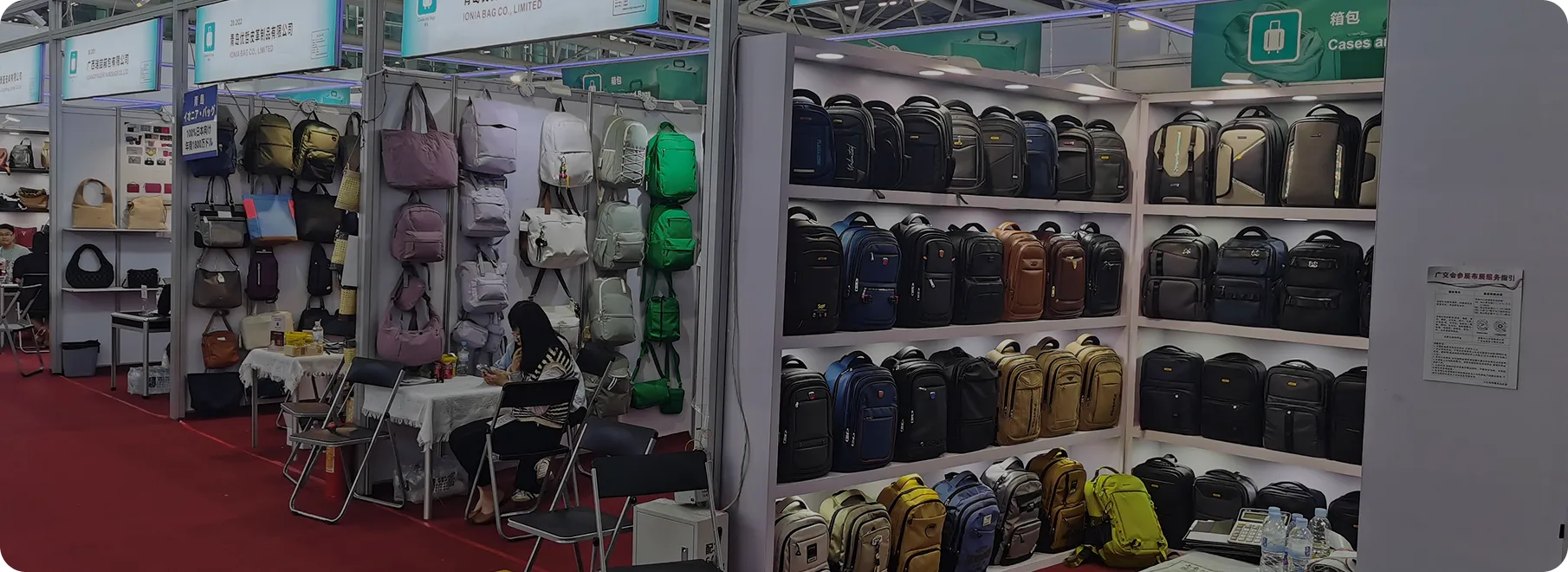
A lost wallet is more than a small mistake. If it holds the wrong items, thieves can steal money, open accounts, or use your personal information. The fix is simple: carry only what you need and keep sensitive documents safely at home.
You should never carry your Social Security card, written passwords, too many credit cards, checkbook, passport, birth certificate, spare house key, old receipts, unused gift cards, or sensitive documents in your wallet. If your wallet is lost or stolen, these items can make identity theft, account fraud, and financial loss much easier.
Why Does Your Wallet Matter for Identity Theft?
What Is the Number One Thing You Should Never Carry in Your Wallet?
Should You Carry Multiple Credit Cards or One Credit Card?
Why Is a Debit Card Riskier Than Many People Think?
Why Should You Never Keep Passwords or PINs in Your Wallet?
Are Old Receipts, Gift Cards, and Library Cards Safe to Carry?
Why Should You Avoid Carrying a Checkbook, Passport, or Birth Certificate?
What Personal Information Should Stay Out of Your Wallet?
What Should You Keep in Your Wallet Instead?
What Should You Do If Your Wallet Is Lost or Stolen?
What Should B2B Wallet Brands Learn from Consumer Safety Needs?
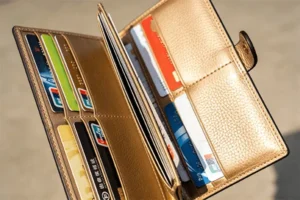
A wallet is small, but it can hold a lot of power. It may include your credit card, debit card, driver’s license, insurance card, receipts, gift cards, work ID, and other personal information. If it falls into the wrong hands, thieves could use those items to buy things, open accounts, or pretend to be you.
That is why the question is not only “What should I keep in my wallet?” The better question is: What should you never carry in your wallet? AARP advises people to keep only essentials and remove items that are not needed often or in an emergency. It also suggests making copies or secure photos of card fronts and backs so you know whom to contact if your wallet is lost.
For wallet brands, private-label buyers, e-commerce sellers, and promotional product suppliers, this is also a product design lesson. A good wallet should help users stay organized without encouraging them to carry too much sensitive information. As a China-based custom bags and pet products manufacturer, IONIA BAG supports OEM, ODM, and private-label wallet, bag, pet carrier, pet toy, pet bed, and pet house solutions for global B2B buyers. Safety, practical layout, material selection, and everyday use should be considered together.
The number one thing you should never carry is your Social Security card. Your social security number is one of the most valuable pieces of identifying information. A fraudster can use it with other details, such as your name, address, date of birth, or driver’s license, to apply for loans, open credit card accounts, or steal your identity.
AARP lists the Social Security card as one of the items you should remove from your wallet because criminals could use it to open lines of credit in your name or sell it to another criminal.In daily life, most people do not need to carry the physical card. It is better to keep it at home in a secure location and only take it out when you truly need it.
The same rule applies to any card or document that shows your social security number. If an older insurance card, Medicare card, tax document, or school record includes that number, don’t keep it in your wallet. The less information you carry, the less damage a thief can do.
Many people carry too many cards. It feels convenient, but it increases risk. If your wallet is stolen, you’ll need to contact each issuer, freeze or replace every card, and monitor every account. More cards mean more stress and more possible fraud.
A safer rule is to carry one credit card for daily use and leave the rest at home in a secure place. AARP recommends choosing one credit card and one debit card you use most, then keeping the others at home. This makes your wallet lighter and easier to manage.
Credit cards usually provide stronger fraud protection than cash or gift cards. Still, you should monitor transactions. The FTC says that if a credit, ATM, or debit card is lost or stolen, you should report the loss immediately; federal law limits liability, but your protection depends on card type and how quickly you report it.
A debit card connects directly to a bank account. That makes it convenient, but also more sensitive. If thieves use your debit card, money can leave your account quickly. Even if your bank helps you recover it, you may have bills, payments, or cash flow problems while the issue is being fixed.
The FTC explains that for ATM and debit cards, what you owe depends on how quickly you report the loss; before unauthorized charges, the maximum loss is $0, within two business days it can be $50, later it can be $500, and after more than 60 calendar days after the statement is sent, losses can be much higher.
This does not mean you should never carry a debit card. But you should carry only the one you need. Avoid carrying around extra cards linked to multiple bank’s accounts. If you want to carry in your wallet a backup payment method, choose carefully and keep phone banking access protected with strong authentication.
A written password or PIN is one of the worst things you can keep in your wallet. If a thief steals your wallet and finds your card plus the PIN, the thief has both the door and the key. The same problem applies to online banking passwords, email passwords, app passwords, and cryptocurrency recovery phrases.
The FTC advises people not to carry the PIN for an ATM or debit card in a wallet, purse, or pocket, and never to write the PIN on the card itself. AARP also lists passwords, PINs, and crypto recovery phrases among the items that should not be in a wallet.
Use a trusted password manager instead. A password manager can store login details more safely than a paper note. Also use multi-factor authentication when available. That way, even if one password is exposed, criminals may still need another step to access your online accounts.
Old receipts seem harmless, but they can create problems. Some receipts may show store details, partial card numbers, purchase history, loyalty information, or return data. A smart identity thief may use this information to create convincing phishing emails or social engineering attacks.
AARP warns that even though a full credit card number may not appear on a receipt, a criminal may still use partial information to make fake messages appear more believable. The FTC also tells consumers to keep cards, PINs, receipts, and deposit slips safe and dispose of them carefully.
Gift cards are also risky because they are often like cash. If someone steals them, you may not recover the balance. Library cards may seem small, but they can still contain information or create account issues. So clean your wallet often. If you don’t need a receipt today, don’t keep it in your wallet.
A checkbook should not sit in a daily wallet. A blank check contains a routing number and account number. In the wrong hands, this can expose your bank account to fraud. AARP lists checkbooks and blank checks as items that should not be kept in a wallet.
A passport or birth certificate is even more sensitive. These are official identity documents. A fraudster can use them with other personal identifying information to open accounts, apply for loans, or create fake identity records. These documents should stay home in a secure place unless you need them for travel, government service, or a specific appointment.
This is especially important for people who travel, attend trade shows, or carry a larger bag. You may need to carry your passport during international travel, but you should not treat it like a casual everyday wallet item. Use a secure travel wallet or hidden document pouch when required.
Any sensitive information that is not needed for daily payment or identification should stay out of your wallet. Think of your wallet as a small daily tool, not a filing cabinet.
Things you should never carry include:
| Item | Why It Is Risky | Safer Choice |
|---|---|---|
| Social Security card | Can help criminals open accounts | Store at home in a secure place |
| Written password or PIN | Gives direct access to accounts | Use a password manager |
| Multiple credit cards | More accounts to freeze or replace | Carry one credit card |
| Extra debit cards | Direct bank account exposure | Carry one debit card only if needed |
| Checkbook | Shows routing and account details | Leave at home |
| Passport | High-value identity document | Carry only when required |
| Birth certificate | Can support identity fraud | Store in a secure file |
| Old receipts | May support phishing or fraud | Shred or store digitally |
| Gift cards | Can be used like cash | Carry only when shopping |
| Spare house key | Combined with ID, creates home risk | Leave with a trusted person |
| Work ID | May help targeted workplace scams | Carry only when needed |
| Sensitive documents | Too much personal data | Store safely at home |
The main rule is simple: things you should never carry are the things that make it easier to steal your identity, access your accounts, or find your home.
A good wallet should stay lean. You should keep in your wallet only what you use often and what you may need in an emergency. For most people, that means one ID card, one credit card, one debit card if needed, a small amount of cash, a health or emergency contact card, and maybe one insurance card.
Here is a simple daily wallet setup:
Driver’s license or government ID
One credit card
One debit card if you truly need it
Small amount of cash
Emergency contact card
Current insurance card if needed
Transit card or access card
One or two key membership cards only if used often
This is also useful for wallet product design. A wallet does not need too many card slots if too many slots encourage risky carrying habits. For private-label wallet brands, a slim design with secure card sections, a cash pocket, and optional RFID blocking can meet modern consumer needs without turning the wallet into a cluttered storage bag.
About RFID: consumers often ask about RFID wallets. The bigger everyday risk is still losing a wallet that contains too much sensitive information. RFID blocking can be a feature, but it should not replace smart habits like carrying fewer cards and protecting passwords.
If you lose your wallet, act fast. First, retrace your steps. Then freeze or report missing credit and debit cards. Call your bank and card issuers. Check recent transactions. If you see fraud, report it quickly.
The FTC recommends reporting lost or stolen credit, ATM, or debit cards immediately, watching accounts, and checking credit reports for accounts or charges you do not recognize. If identity theft happens, the FTC recommends calling companies where fraud occurred, asking them to close or freeze accounts, changing logins, placing a fraud alert, getting credit reports, and reporting identity theft at IdentityTheft.gov for a personal recovery plan.
Use this quick action checklist:
The best time to prepare is before the wallet is lost or stolen. Take a secure photo or written list of the cards you carry, including issuer contact numbers, and store it safely at home.
For importers, distributors, trading companies, private-label brands, e-commerce sellers, promotional product suppliers, corporate buyers, outdoor brands, and lifestyle brands, consumer safety should shape wallet design. A wallet is not only a fashion accessory. It is a daily security product.
For custom wallet development, brands can consider:
| Design Feature | User Benefit |
|---|---|
| Slim card layout | Encourages fewer cards |
| Clear ID window | Easy access without extra documents |
| Hidden card pocket | Better organization |
| RFID-blocking material | Added perceived security |
| Zipper pocket | Keeps coins and small items secure |
| Durable stitching | Longer service life |
| Lightweight body | Comfortable daily carry |
| Gift packaging | Better retail and promotional value |
| Private-label logo | Brand recognition |
| Material options | PU, leather, canvas, polyester, recycled fabrics |
As a China-based custom bags and pet products manufacturer, IONIA BAG can support OEM, ODM, and private-label wallet projects along with custom bags, pet carriers, pet toys, pet beds, and pet houses. For a wallet collection, the goal should be simple: clean design, stable quality, practical organization, and clear brand positioning.
Good wallet design cannot stop every thief. But it can help users carry less, organize better, and avoid turning a lost wallet into a full identity theft problem.
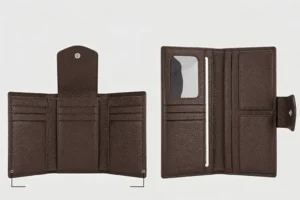
Imagine a customer named Alex. Alex used to carry five credit cards, two debit cards, a Social Security card, several gift cards, old receipts, a work ID, a spare house key, and a password note. That wallet was heavy, messy, and risky.
After cleaning it out, Alex kept only:
One driver’s license
One credit card
One debit card
A small amount of cash
One emergency contact card
One insurance card
One transit card
Everything else went into secure home storage or a smartphone app. The wallet became thinner. The risk became lower. If the wallet is lost or stolen, Alex has fewer accounts to freeze and fewer sensitive documents to replace.
For brands selling wallets, this is the modern user story: people want convenience, but they also want control.
What should you never carry in your wallet?
You should never carry your Social Security card, written passwords, PINs, birth certificate, passport, checkbook, spare house key, too many credit cards, old receipts, or sensitive documents in your wallet.
Why should I not carry my Social Security card?
Your Social Security card can help criminals steal your identity. They may use your social security number to open accounts in your name, apply for loans, or combine it with other identifying information.
Is it bad to carry multiple credit cards?
It is risky to carry too many. If your wallet is lost or stolen, you must freeze, replace, and monitor each card. Carrying one credit card is simpler and safer for everyday use.
Should I carry a debit card in my wallet?
You can carry one debit card if you need it, but avoid carrying several. Debit cards connect directly to your bank account, so you should report loss or fraud quickly.
Is it safe to keep receipts in my wallet?
It is better not to keep old receipts in your wallet. Receipts may contain partial account information or purchase details that could help a scammer create convincing messages.
Should I carry my passport in my wallet?
No, not for daily use. You should carry your passport only when required for travel or official identification. At other times, store it securely at home.
Are gift cards safe to carry?
Gift cards are often like cash. If they are lost or stolen, you may not get the balance back. Carry them only when you plan to use them.
What is the safest wallet setup?
A safe wallet setup includes one ID, one credit card, one debit card if needed, small cash, emergency contact information, and only the cards you use often. Keep the rest at home in a secure place.
A wallet should be a daily-use tool, not a storage folder.
The number one thing you should never carry is your Social Security card.
Do not keep written passwords, PINs, or recovery phrases in your wallet.
Carry one credit card and only one debit card if you need it.
Avoid carrying your checkbook, passport, birth certificate, spare key, and sensitive documents.
Old receipts and unused gift cards can still create risk.
If your wallet is lost or stolen, report cards quickly, monitor accounts, and check your credit reports.
For wallet brands, safer product design means slim storage, clear organization, durable construction, and practical security features.
The best wallet is not the one that holds the most. It is the one that helps users carry only what they truly need.

We will reply you within 24 hours. If for urgent case, please add WhatsApp/WeChat: +86 15066236153,. Or call +86 17657177170 directly.
*We respect your confidentiality and all information are protected.
We will only use your information to respond to your inquiry and will never send unsolicited emails or promotional messages.
 last blog
