


Women’s Tote Bag Collection Planning: Building a Solid Handbag Range with Leather Tote Bags for Retail Sale
09 de noviembre de 2026
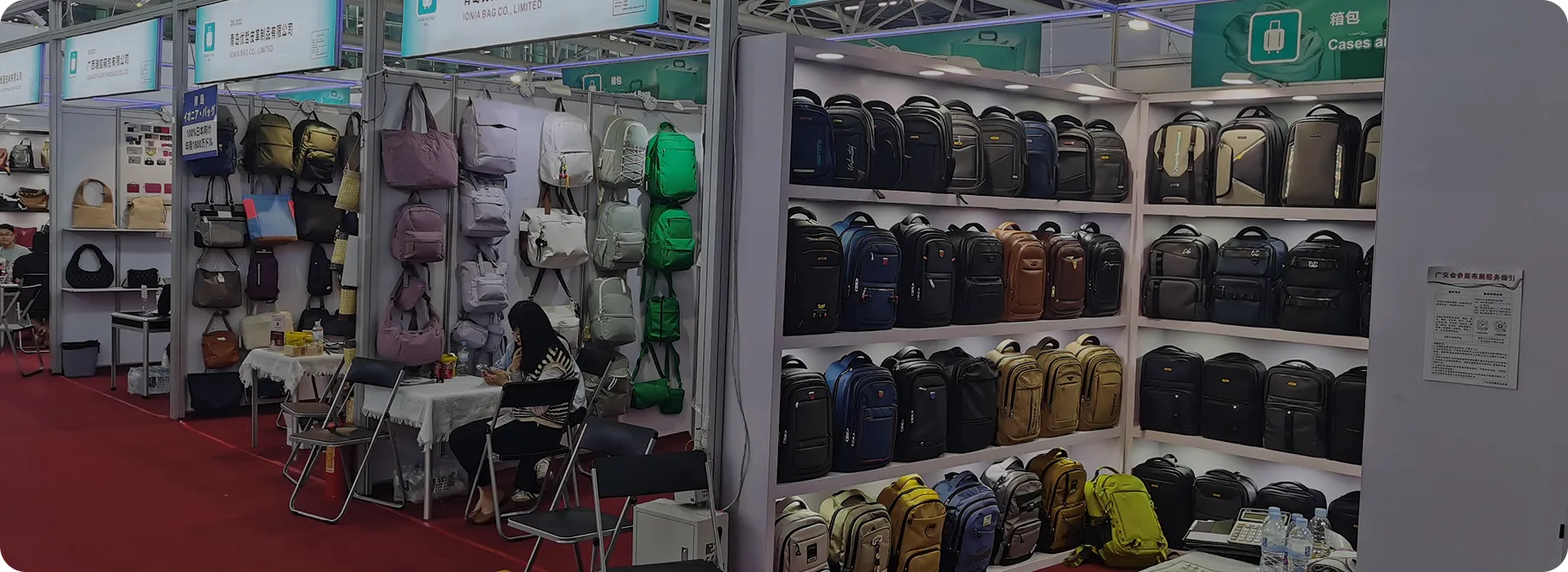
Many brands add attractive totes to a product line but give every SKU the same job. The result is a crowded range, slow-moving stock, and avoidable markdowns. A clear collection plan gives every bag a purpose, helping retailers offer useful choices without creating unnecessary inventory.
A strong women’s tote collection combines a small number of clearly different products: a core everyday design, a lightweight cotton or canvas option, and a premium leather tote bag, supported by selected sizes, colors, and features. Plan each SKU around a target customer, retail price, and use case, then validate the range through samples and controlled buying quantities.
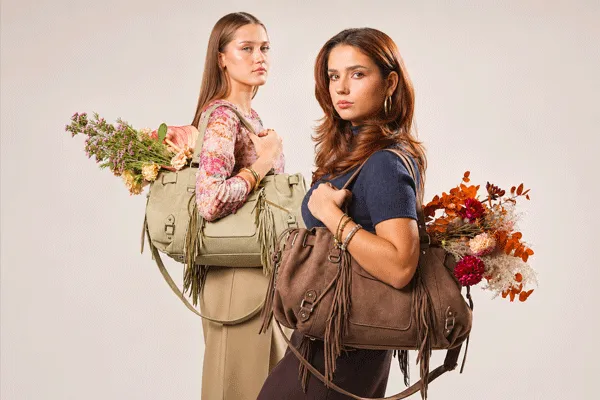
Women’s Tote Bag Collection Planning: Building a Solid Handbag Range with Leather Tote Bags for Retail Sale
A successful collection should offer more than several bags with different colors. Each product needs a clear purpose. One may serve as a daily shopping companion, another may suit office customers, while a premium handbag can attract buyers looking for a more refined product.
For importers, distributors, and private-label retailers, this approach makes product planning easier. Instead of ordering many similar designs, buyers can build a range that serves different customer groups and price expectations.
When developing tote bags for women, consider four main product roles:
The goal is to create a collection that customers can understand quickly. A shopper should see the difference between each product without needing to compare several nearly identical options.
For a manufacturer, this also creates a clearer production plan. Related designs can share selected materials, hardware, or construction methods while keeping their individual market positions.
Product variety does not always require completely different designs. Small changes in shape, capacity, material, and finishing can create distinct products within one collection.
A practical approach is to develop a main silhouette first. This becomes the foundation for additional versions. For example, a simple rectangular tote can be developed into a larger shopping model, a structured office handbag, or a smaller fashion accessory.
A sample collection structure could look like this:
| Collection Level | Enfoque del producto | Main Customer Need | Posicionamiento en el mercado |
|---|---|---|---|
| Entry | Bolso de algodón ligero | Shopping and daily use | Accessible |
| Core | Bolso de lona con estructura | Regular retail use | Gama media |
| Premium | Bolso tote de cuero | Office and lifestyle | Premium |
| Functional | Large zippered tote | Trabajo y viajes | Gama media a prémium |
| Estacional | Printed fashion tote | Gifts and seasonal campaigns | Flexible |
This is an illustrative product-planning model, not a sales forecast. The final number of SKUs should depend on your customer base, sales channels, and purchasing budget.
For a growing brand, a smaller collection with clear differences is often easier to manage than a large group of products competing for the same customer. You can also reuse selected components across designs to simplify sourcing and future repeat orders.
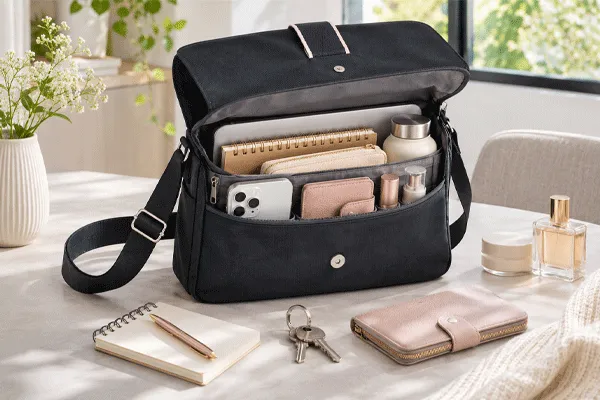
Different customers expect different things from a handbag. A woman buying a bag for her office commute may need room for a laptop, documents, and personal items. Someone looking for a weekend accessory may prefer a lighter structure and a more relaxed appearance.
Understanding these use cases helps retailers develop a collection with a wider market reach.
Consider the following product directions:
A perfect tote bag does not need to include every possible feature. It needs to perform its main job well. For example, a work model may require a padded laptop compartment, while a shopping design may benefit more from a sturdy base.
Other bag categories can also complement the collection. A crossbody tote offers a different carrying option, while a compact messenger or backpack may serve customers who prefer hands-free movement.
The important point is to avoid making every product compete with the same use case. A clear product role helps customers understand why they should choose one design over another.
Material selection influences the appearance, price position, and customer perception of a product. However, retailers should consider material as part of the overall collection rather than treating it as an isolated purchasing decision.
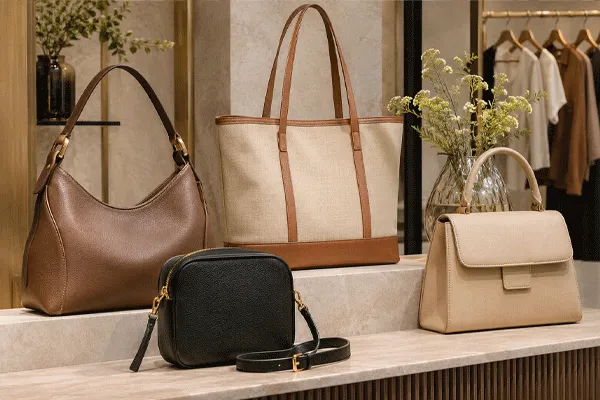
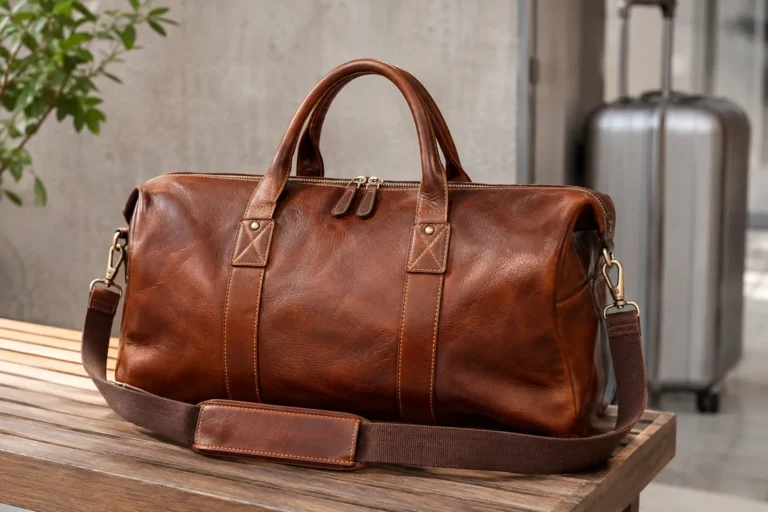
A leather tote can support a premium product line. Depending on the selected material and construction, it may offer a more structured appearance and work well with refined hardware, clean stitching, and carefully finished edges.
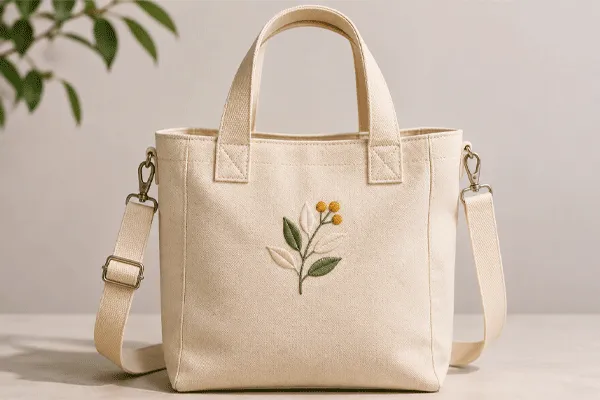
Cotton and canvas offer another direction. A canvas tote can support relaxed lifestyle collections, while cotton products may suit lightweight shopping and promotional ranges. These options also allow brands to develop different price levels without changing the entire product concept.
Other materials, such as PU and PVC, may suit particular design or maintenance requirements. Their suitability should be confirmed against the intended appearance, performance expectations, and destination-market requirements.
A useful material portfolio might include:
| Dirección de materiales | Collection Role | Design Approach |
|---|---|---|
| Piel auténtica | Premium | Structured and refined |
| Cuero sintético | Fashion and mid-range | Consistent surface and varied finishes |
| Algodón | Lightweight retail | Simple and practical |
| Lienzo | Lifestyle and shopping | Relaxed or structured |
| Tejidos reciclados | Eco-oriented | Functional and market-specific |
For example, a collection could use a solid brown leather design as its premium anchor, supported by neutral canvas products and a lighter cotton option.
The purpose is not to offer every possible material. It is to choose a practical combination that matches your target customer and retail positioning.
IONIA BAG supports different material directions across its custom tot e bag collection y handbag manufacturing range.
Before developing a new collection, review the products already available in your target market. Look at competing retailers, online stores, department stores, and lifestyle brands. Pay attention to the differences between their core products and seasonal releases.
Do not focus only on which designs look fashionable. Study how each product is presented, what customer problem it solves, and how its price compares with similar products.
Useful research questions include:
Neutral colors such as black, beige, and brown can provide a practical foundation for many collections. Additional seasonal shades can create variety without requiring a complete redesign.
You should also review customer feedback. Comments about uncomfortable straps, poor interior organization, or difficult closures can reveal product development opportunities.
Search terms such as “best deals on tote” and “cheap tote bag” may attract consumer shopping traffic, but they do not necessarily describe the needs of wholesale buyers. For B2B planning, focus on market positioning, expected retail value, customer use, and repeat purchasing potential.
A good collection should reflect actual market demand rather than simply copy the most visible products from competitors.
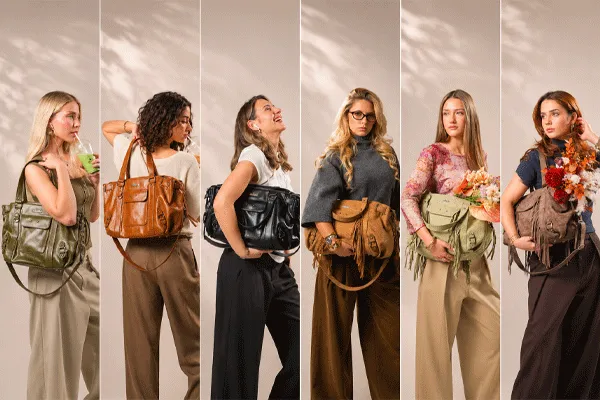
Women’s Tote Bag Collection Planning: Building a Solid Handbag Range with Leather Tote Bags for Retail Sale
A best-selling product usually succeeds because several factors work together. Appearance attracts attention, but practical use, price positioning, and consistent quality help customers decide whether to purchase again.
For retailers, it is useful to separate visual appeal from long-term product performance. A fashionable design may attract initial interest, but uncomfortable carrying features or weak construction can reduce customer satisfaction.
Consider these product factors:
| Factor | What Buyers Should Evaluate |
|---|---|
| Aspecto | Does the design fit the target market? |
| Capacidad | Can it hold the items customers expect? |
| Comodidad | Are the carrying proportions practical? |
| Organización | Is the interior easy to use? |
| Calidad | Can the product maintain its appearance during normal use? |
| Precio | Does the product offer reasonable perceived value? |
An illustrative example is a retailer developing a three-product lifestyle range.
The first product is a simple cloth tote for shopping. The second is a structured handbag for office customers. The third is a premium leather model with refined finishing.
Each product serves a different purpose. The retailer can test demand for the three directions and use actual sales results to decide which one deserves a larger reorder.
This is more useful than assuming that one design will suit every customer.
A collection needs a clear price structure. If all products sit at almost the same price, customers may struggle to understand their differences. On the other hand, a very wide price gap may make the range feel disconnected.
A practical collection can include three levels:
The objective is to offer affordable prices without reducing the quality needed for the product’s intended use. A cheap product that generates complaints can create higher long-term costs through returns and customer service.
Retailers should also consider their sale calendar when planning purchases. Seasonal promotions, new collection launches, and clearance periods can affect which products need flexible inventory planning.
A useful approach is to keep the core collection relatively stable and introduce selected seasonal products in controlled quantities. This gives the retailer more flexibility when demand changes.
From a manufacturing perspective, the selected material, dimensions, accessories, packaging, and order quantity all influence the final quotation. Buyers should confirm these details before setting their target retail margins.
A well-planned range gives each product a clear commercial role instead of relying on discounts to create demand.
Small construction decisions can make a significant difference to the final product. Retailers should evaluate these details according to the intended customer and product role.
For an office-oriented design, multiple pockets can improve organization. A zippered top may provide a more secure closure, while reinforced attachment points can support regular use.
Other considerations include:
A product intended for light shopping does not necessarily need heavy-duty construction. However, a larger bag designed for regular loading should have suitable reinforcement and a tested structure.
Retailers should also consider how the product fits into a customer’s wider lifestyle. A stylish design may complement clothing for work, casual activities, or a weekend outing. A simple fashionable silhouette can also become a statement accessory when its proportions and finishing are well considered.
The best approach is to select functional details that support the product’s purpose rather than adding features simply to increase the specification.
Once the collection concept is clear, the next step is to translate it into production-ready specifications.
For B2B buyers, OEM and ODM offer different starting points. OEM is suitable when you already have a confirmed design, technical drawing, or reference sample. ODM is useful when you need assistance with product structure, material selection, and manufacturing feasibility.
At IONIA BAG, our manufacturing support covers product development, material and structure proposals, sampling, bulk production, quality control, and export packing. This helps importers, distributors, retailers, and private-label businesses develop products based on their market requirements.
The sampling stage is particularly important. It allows buyers to review the actual product before committing to a bulk order.
For a new collection, confirm the following:
IONIA BAG supports reference sample matching, new design development samples, and pre-production samples. You can learn more through our OEM/ODM manufacturing solution y custom bag sample service.
For products using sustainable materials, buyers can also review the available options through our ECO bag solutions.
The approved sample should become the reference for mass production. This is especially important when several related products share materials, hardware, or construction details.
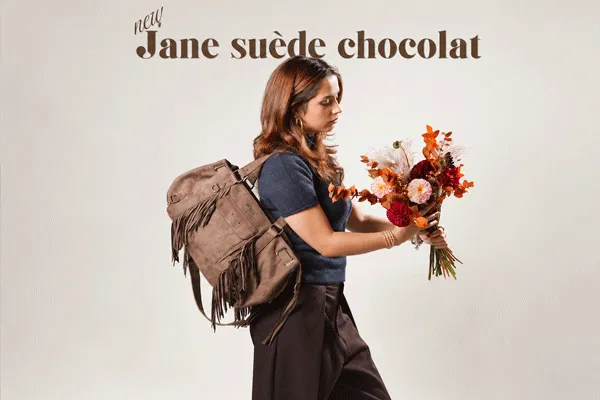
Women’s Tote Bag Collection Planning: Building a Solid Handbag Range with Leather Tote Bags for Retail Sale
A collection should not remain unchanged forever. Once products reach the market, retailers need to review performance and decide which designs deserve further investment.
Start by tracking practical indicators:
Avoid expanding the collection simply because one product receives positive attention. First understand why customers like it. Is it the shape, material, price, capacity, or overall appearance?
If a product performs well, consider developing a related version rather than introducing an entirely unrelated design. For example, a successful office tote may support a smaller version, a different material option, or a more structured variation.
You can also explore adjacent categories, such as shoulder bags, crossbody handbags, or other lifestyle products. This allows retailers to build a wider product portfolio while maintaining a consistent visual identity.
For long-term manufacturing cooperation, keep approved specifications, sample references, material details, and packaging requirements organized. This makes future product development and repeat purchasing easier to manage.
At IONIA BAG, we understand that a successful collection depends on more than an attractive sample. It requires clear communication, practical customization, controlled production, and reliable support throughout the order process.
If you are preparing a new tote collection, share your target market, preferred designs, material direction, and estimated order quantity with our team. We can discuss suitable OEM/ODM options and help turn your product concept into a workable manufacturing plan.
A balanced collection can include everyday shopping totes, structured office handbags, lightweight canvas designs, and premium leather options. The final range should reflect the target market, retail positioning, and customer needs.
Yes. Leather and PU options can support premium and mid-range collections. Buyers should confirm the material grade, surface finish, construction details, hardware, and product specifications during development and sampling.
There is no fixed number. A smaller group of clearly differentiated products can help new retailers test market demand before expanding. The right number depends on the purchasing budget, sales channels, and target customer.
Yes. IONIA BAG supports customization of product dimensions, materials, colors, structures, accessories, and branding methods. Specific options are confirmed according to the design and project requirements.
Yes. We support OEM production based on confirmed designs and ODM development for buyers who need help with product structure and manufacturing feasibility. Sampling is used to confirm specifications before bulk production.
Prepare the product type, reference photos or drawings, target dimensions, material preferences, logo requirements, estimated order quantity, destination market, and packaging expectations. More detailed information helps the manufacturer evaluate the project and prepare a suitable quotation.
Planning a new women’s tote collection? Contact IONIA BAG to discuss your product ideas, customization requirements, and bulk manufacturing plans.
Le responderemos en un plazo de 24 horas. Si para el caso urgente, por favor agregue WhatsApp/WeChat: +86 15066236153,. O llame directamente al +86 17657177170.
*Respetamos su confidencialidad y toda la información está protegida.
Sólo utilizaremos sus datos para responder a su consulta y nunca le enviaremos correos electrónicos o mensajes promocionales no solicitados.
 último blog
