









Backpack Sourcing 101: How Backpacks Are Made Through Factory Supply Chains and Global Supply Production Line
June 14, 2026
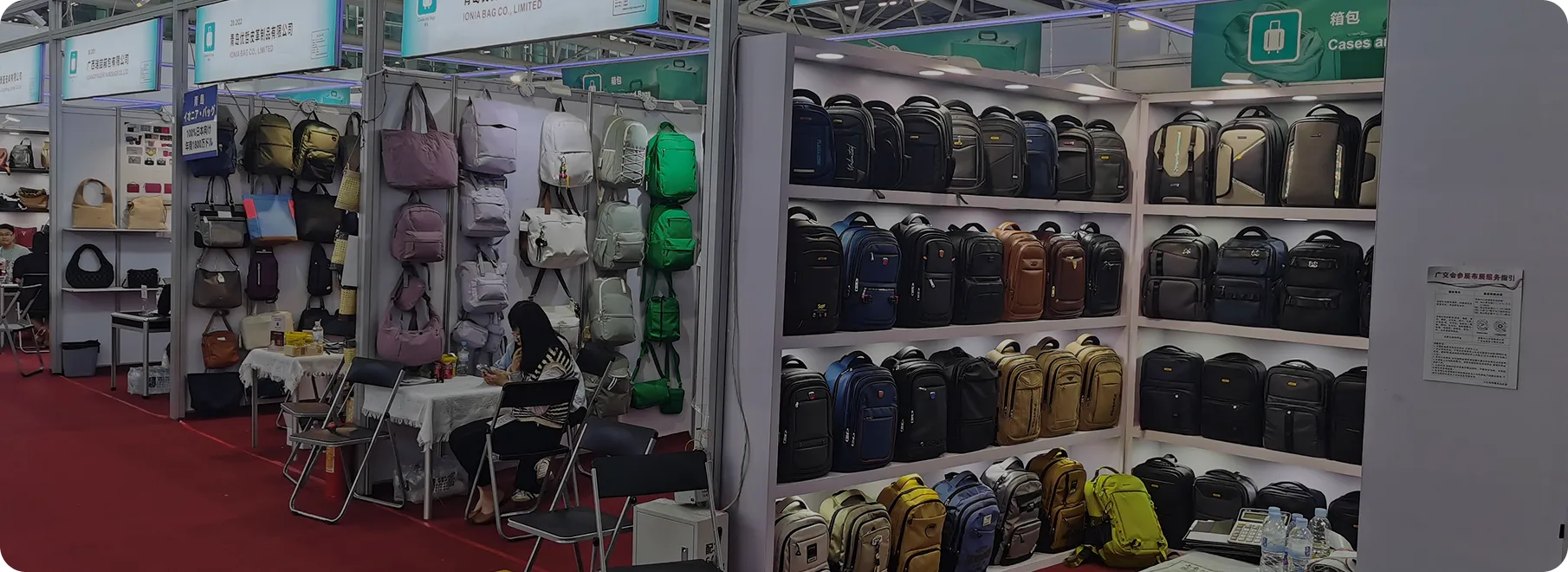
A backpack may look simple from the outside, but behind every finished bag is a detailed journey of planning, material selection, cutting, sewing, testing, packing, and shipping. For brands, importers, distributors, and private label buyers, understanding how backpacks are made can help reduce production risks, improve product quality, and choose the right manufacturing partner.
This guide is worth reading because it explains the backpack manufacturing process from a buyer’s perspective. You will learn how a backpack moves from original design to final quality inspection, what materials matter most, and how factories manage cost, durability, and customer satisfaction.
1. What Is Backpack Manufacturing and Why Does It Matter?
2. Where Are Backpacks Made in Today’s Global Supply Chains?
3. How Does the Backpack Manufacturing Process Begin?
4. Why Is Material Selection Important for a Reliable Backpack?
5. What Happens During Design and Prototyping?
6. How Are Fabrics Cut Before the Assembly Process?
7. How Does a Factory Assemble Each Backpack?
8. What Role Do Branding, Embroidery, and Screen Printing Play?
9. How Is Final Quality Checked Before Shipping?
10. How Can Buyers Source the Right Backpack Manufacturer?
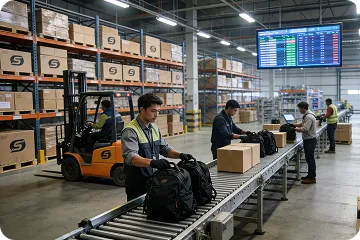
Backpack manufacturing is the complete system of turning design ideas, fabrics and components, and technical requirements into finished bag products. It includes design, sampling, fabric cutting, sewing, assembly, inspection, packaging, and logistics. For B2B buyers, the goal is not only to make a good-looking backpack but also to achieve functionality and durability across every order.
The backpack production process matters because even a small mistake can affect comfort, storage performance, or long-term use. A weak seam, poor zipper, low-grade buckle, or unsuitable fabric can reduce the final product’s value. That is why professional buyers pay attention to quality standards, material performance, and factory capability before placing a batch of backpacks.
Reliable backpack manufacturing also helps brands control production costs and protect the brand’s reputation. Whether the order is for school bags, travel bags, outdoor packs, or promotional items, the production process must balance cost efficiency with craftsmanship.
What Is Backpack Manufacturing and Why Does It Matter?
Backpacks are produced in many manufacturing hubs around the world. Countries like china, Vietnam, India, Indonesia, and bangladesh all play important roles in global supply chains. These regions have developed strong textile, sewing, and export ecosystems, making them suitable for large-scale production and cost-effective production.
Many buyers choose factories in china because they often provide a mature supply base, a wide variety of fabrics, experienced skilled workers, and flexible customization options. In regions like china, a buyer can often find suppliers for polyester, nylon, hardware, packaging, printing, and logistics within the same industrial cluster.
However, factories in these regions differ greatly in management level, technical ability, and commitment to quality. Understanding where backpacks are made is only the first step. The more important question is whether a specific factory can produce backpacks according to the buyer’s design, timeline, and market expectations.
The process begins with a clear product concept. A buyer usually provides a tech pack, reference sample, sketch, or product specification. This document explains the backpack’s size, structure, compartments, fabric type, color, logo method, hardware, stitching requirements, and packaging details.
A professional factory reviews the design to check whether it is practical for manufacturing. This stage may include suggestions about material selection, structure improvement, production plan adjustment, or cost-saving changes. For example, changing pocket placement or strap construction may improve comfort and support while reducing waste.
Making a backpack successfully requires communication between designers, merchandisers, sample makers, and production engineers. The original design must be translated into a physical structure that can be repeated during mass production without losing quality or consistency.
Material selection has a direct impact on appearance, strength, comfort, weight, price, and water resistance. Common materials include polyester, nylon, recycled polyester, organic cotton, and blended fabrics. Polyester is widely used because it is affordable, durable, and available in many colors and textures. Nylon is often chosen for higher strength and lighter weight.
For buyers who focus on eco-friendly product lines, recycled materials are becoming more important. Recycled polyester, also known as rpet, is made from recycled plastic resources and can support sustainable practices. Some brands focused on environmental responsibility also consider organic cotton or other lower-impact materials.
The right materials must match the intended use. A school backpack may need strong polyester fibers and foam padding, while an outdoor model may require nylon and polyester with waterproof coatings. Good material planning improves comfort, function, and long-term customer satisfaction.
Why Is Material Selection Important for a Reliable Backpack?
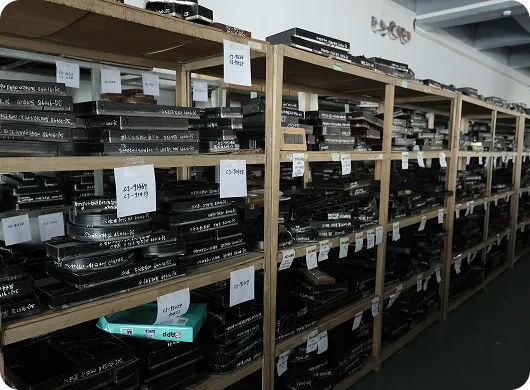
Design and prototyping turn ideas into testable samples. At this stage, the factory creates paper patterns based on the buyer’s specifications. These patterns guide cutting the fabric and help ensure that each panel, pocket, strap, and back panel fits together correctly.
The first prototype allows the buyer to review size, shape, color, storage layout, and overall feel. Adjustments may be made to improve comfort and support, add innovative designs, strengthen stress points, or refine the appearance. This stage is especially important for a custom backpack because small changes can greatly affect usability.
A good prototype also helps confirm whether the backpack production plan is realistic. If the structure is too complex, the factory may suggest simplifying the assembly phase. If the product requires special reinforcement, additional stitching or material changes may be recommended before moving forward.
After the sample is approved, fabric cutting begins. The factory prepares bulk materials and lays them out according to the approved patterns. Accurate fabric cutting helps reduce waste and keeps every backpack consistent in shape and size.
For simple models, cutting may be done manually using cutting knives and templates. For larger orders, automated cutting machines may be used to improve accuracy and speed. This is a key step throughout the production because poor cutting can create sewing problems later.
Each fabric panel must be sorted and prepared for the assembly process. Workers may also prepare foam padding, lining, straps, labels, and other components at this stage. Once all parts are ready, the production line can begin sewing and assembly.
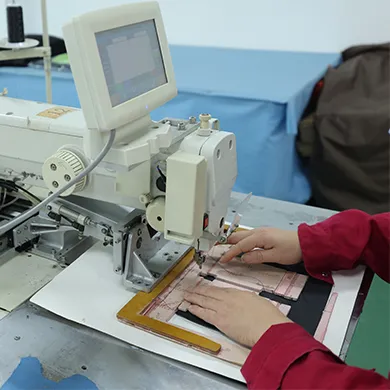
During assembly, skilled labor connects all fabric parts and accessories into a complete backpack. The factory usually divides work into different stations. One group may sew pockets, another may prepare shoulder straps, while another attaches lining, panels, and handles.
The assembly phase requires experience because different materials behave differently under sewing machines. Thicker polyester may need stronger needles and thread, while lightweight fabrics need careful handling to avoid puckering. Reinforcement is often added to stress points such as straps, handles, and bottom panels.
Every backpack must follow the approved sample. This is why production supervisors check work during key steps rather than waiting until the end. By controlling quality throughout the production, the factory can reduce defects and improve order consistency.
Branding is a major part of bag manufacturing because buyers often need products that reflect their market identity. Common branding methods include woven labels, rubber patches, metal logos, embroidery, and screen printing. The best option depends on the design style, order quantity, material, and budget.
Embroidery gives a premium and textured look, especially for fashion, school, and corporate items. Screen printing is often used for simple logos, promotional graphics, and lightweight designs. For outdoor or sports models, rubber patches or woven labels may offer better durability.
Branding must be planned early because logo placement can affect the sewing sequence. If a logo is added before assembly, it must be positioned accurately on the fabric panel. This ensures the finished backpack looks professional and consistent with the buyer’s approved sample.
What Role Do Branding, Embroidery, and Screen Printing Play?
Final quality inspection is the stage where the factory checks whether the products match the approved sample and order requirements. Inspectors review size, stitching, color, logo placement, zipper movement, strap strength, lining, packaging, and overall workmanship. Rigorous quality control helps prevent defective goods from reaching buyers.
A reliable backpack order should be checked against the buyer’s quality standards. This may include pull tests, seam checks, load testing, carton inspection, and appearance review. For export orders, inspection may also cover barcode labels, polybags, carton marks, and shipping documents.
Final quality is not only about finding defects. It is also about confirming that the entire order is ready for sale. When inspection is done correctly, the buyer receives consistent products, fewer complaints, and stronger customer satisfaction.
Sourcing 101 begins with knowing what kind of supplier you need. Some buyers want a low-cost factory for simple promotional bags, while others need a backpack manufacturer with development ability, export experience, and custom engineering support. The best choice depends on product complexity, budget, order quantity, and delivery expectations.
To source effectively, buyers should ask for samples, review previous projects, check material options, confirm production capacity, and understand communication speed. A good partner should be able to explain the manufacturing process clearly and provide practical suggestions instead of simply accepting every request without review.
A professional partner can support backpack production from concept to shipment. For brands planning long-term programs, the ideal supplier should offer stable quality, flexible customization, transparent communication, and the ability to scale from small trial orders to producing millions of backpacks annually.

We will reply you within 24 hours. If for urgent case, please add WhatsApp/WeChat: +86 15066236153,. Or call +86 17657177170 directly.
*We respect your confidentiality and all information are protected.
We will only use your information to respond to your inquiry and will never send unsolicited emails or promotional messages.
 last blog
