








Deri Çantalar Ne Kadar Dayanır? B2B Alıcıları İçin Deri Çanta Ömrü Rehberi
6 Temmuz 2026
Bir deri çanta ilk gününde birinci sınıf bir görünüm sergileyebilir, ancak çok kısa sürede çatlayabilir, rengi solabilir veya şeklini kaybedebilir. Bu durum, müşteri güvenini zedeler ve tekrar satın alımları olumsuz etkiler. İyi haber ise oldukça basit: Doğru deri seçimi, doğru üretim ve doğru bakımla bir deri çanta, uzun yıllar boyunca hem kullanışlı hem de güzel kalabilir.
Bir deri çanta normal kullanımda 5 ila 10 yıl dayanabilirken, tam damarlı deriden yapılmış yüksek kaliteli bir deri çanta genellikle onlarca yıl dayanabilir. Asıl cevap, derinin türüne, dikişlerine, metal aksesuarlarına, astarına, saklama koşullarına, temizliğine ve deri çantanın ne sıklıkla kullanıldığına bağlıdır.
Deri Çantalar Ne Kadar Dayanır? B2B Alıcıları İçin Deri Çanta Ömrü Rehberi
Çoğu tüketici için, günlük kullanım amaçlı deri çanta Genel olarak kullanım ömrü 5 ila 10 yıldır. Sağlam dikişlere, dayanıklı donanımlara sahip ve uygun şekilde bakımı yapılan kaliteli bir deri çanta daha uzun süre dayanabilir. Gerçek deri dayanıklı, onarılabilir ve kullanımla birlikte doğal bir şekilde eskir; bu nedenle bazı tam damarlı deri çantalar onlarca yıl dayanabilir. Leather Naturally, gerçek derinin onarılabileceğini ve doğru şekilde üretilip bakımı yapıldığında onlarca yıl dayanabileceğini belirtmektedir.
Bir deri çantanın ne kadar dayanacağına dair cevap, sadece derinin kendisiyle ilgili değildir. Bir çanta, bütünsel bir deri ürünüdür. Kullanılan deri, astar, iplik, fermuar, saplar, taban desteği, kenar boyası ve saklama alışkanlıkları, çantanın ne kadar dayanacağını etkiler. Sap dikişleri zayıfsa veya donanım yükü taşımak için yeterince sağlam değilse, güzel bir deri çanta erken bozulabilir.
B2B alıcıları için bu husus daha da önemlidir. İthalatçılar, distribütörler, marka sahipleri, e-ticaret satıcıları ve promosyon ürünleri tedarikçileri, marka itibarını koruyan ürünlere ihtiyaç duyar. Daha uzun ömürlü bir deri çanta, şikayetleri azaltabilir, müşteri yorumlarını iyileştirebilir ve tekrar siparişleri destekleyebilir.
Deri çantanın ne kadar uzun süre dayanabileceğini belirleyen ilk faktörlerden biri, derinin türüdür. Farklı deri türleri, lif mukavemeti, yüzey kalitesi, esneklik ve yaşlanma özellikleri bakımından birbirinden farklıdır. Deri doğal bir malzeme olduğundan, her bir deri parçası birbirinden farklılık gösterebilir; ancak derinin kalitesi, alıcılara yine de yararlı bir başlangıç noktası sunar.
İşte basit bir karşılaştırma:
| Deri Türü | Tipik His | Dayanıklılık Seviyesi | En İyi Kullanım |
|---|---|---|---|
| Tam tahıl deri | Doğal, zengin, güçlü | Çok yüksek | Lüks el çantaları, evrak çantaları, seyahat çantaları |
| Üst tahıl deri | Pürüzsüz, zarif, daha hafif | Yüksek | Moda çantalar, iş çantaları |
| Gerçek deri | Daha fazla işlenmiş | Orta | Uygun fiyatlı deri ürünler |
| Bağlı deri | Yeniden yapılandırılmış lifler | Düşük | Ucuz aksesuarlar, uzun vadeli çantalar değil |
Bir deri çanta, pazarlama sloganlarından daha fazlasına bağlıdır. “Gerçek deri” kulağa etkileyici gelse de, gerçek deri her zaman en yüksek kaliteli deri anlamına gelmeyebilir. Çoğu durumda, tam damarlı ve üst damarlı deri, dayanıklılık ve görünüm açısından bölünmüş veya yapıştırılmış deriden daha üstündür. Leather Naturally, tam damarlı deride derinin en üst tabakasının kullanıldığını, üst damarlı deride ise yüzeyin hafifçe zımparalandığını açıklamaktadır; her ikisi de daha düşük kaliteli bölünmüş veya yapıştırılmış derilere kıyasla dayanıklı seçeneklerdir.
Tam damarlı deri, doğal damar tabakasını koruduğu için genellikle deri çanta yapımında en kaliteli seçenek olarak tercih edilir. Tam damarlı deri, derinin yüzey yapısını korur; bu da dayanıklılığı artırır ve malzemeye karakter kazandırır. Leather Naturally, tam damarlı deriyi, derinin en üst tabakasından üretilen deri olarak tanımlamaktadır.
Tam damarlı deri çantalar, iş çantaları olarak popülerdir, lüks el çantaları, hafta sonu çantaları ve seyahat ürünleri. Bu ürünler uzun ömürlü olacak şekilde tasarlanmıştır ve genellikle zamanla daha derin bir görünüm kazanır. Basitçe ifade etmek gerekirse, yağlar, ışık, dokunma ve günlük kullanım yüzeyi yavaşça değiştirdikçe deri zengin bir patina kazanır. Bu bir hasar değildir. Bu, bir kişiliktir. Hafif esneme, yumuşak parlaklık, daha sıcak bir ton… Çanta kendi hikâyesini anlatmaya başlar.
Özel markalı perakendeciler ve yaşam tarzı markaları için tam damarlı deri çantalar, daha yüksek bir fiyat aralığını destekleyebilir. Ayrıca, “daha az al, daha iyisini al” konumlandırması için de oldukça uygundur. Bununla birlikte, tam damarlı deri her proje için her zaman en uygun seçenek olmayabilir. Düzeltilmiş deriye kıyasla daha ağır, daha pahalı ve daha az homojen olabilir. Renk tutarlılığının kusursuz olması gereken moda alıcıları için ise üst tabaka deri daha akıllıca bir seçenek olabilir.
Üst katmanlı deri, dayanıklılık, yumuşaklık ve şık görünüm arasında iyi bir denge sunar. Üst yüzeyi hafifçe düzeltildiği için genellikle tam katmanlı deriden daha pürüzsüzdür. Üst katmanlı deri, kaplaması sağlam ve çanta yapısı dayanıklı olduğunda uzun ömürlüdür. El çantaları, dizüstü bilgisayar çantaları, çapraz askılı çantalar ve kurumsal hediye çantalarında yaygın olarak kullanılır.
Hakiki deri çantalar yine de kullanışlı olabilir, ancak alıcıların beklentileri net olmalıdır. Hakiki deri, gerçek deridir; ancak derinin alt katmanlarından elde edilebilir veya daha fazla son işlemden geçirilmiş olabilir. Tam damarlı deri kadar zengin bir şekilde eskimayabilir. Ayrıca, kaplaması zayıfsa daha çabuk aşınma gösterebilir. Bu, onu kötü yapmaz. Sadece farklı fiyat seviyelerine uygun hale getirir.
Yapıştırılmış deri, bu gruptaki en düşük kaliteli seçenektir. Yapıştırılmış deri, deri lifleri ve bağlayıcı maddelerden üretildiğinden, uzun süre kullanılacak bir deri çanta için genellikle en iyi seçenek değildir. Günlük sürtünme nedeniyle daha çabuk soyulabilir veya çatlayabilir. B2B alıcıları için yapıştırılmış deri, birim maliyeti düşürebilir, ancak satış sonrası riski artırabilir.
Deri çantaların dayanıklılığı, malzemenin özelliklerine bağlıdır, seyahat, ve kullanım. Derinin kalitesi önemlidir, ancak tek etken bu değildir. Fermuar kırılırsa ya da kayış takviyeli değilse, birinci sınıf bir deri ürün bile işlevini yerine getiremeyebilir.
Deri çantaların kullanım ömrünü etkileyen başlıca faktörler şunlardır:
Şöyle düşünün:
| Kullanım Senaryosu | Beklenen Aşınma Seviyesi | Alıcı Önerisi |
|---|---|---|
| Günlük işe gidip gelme | Yüksek | Dayanıklı deri, takviyeli tutamaklar ve sağlam fermuar kullanın |
| Ara sıra ofiste kullanım | Orta | Üst katmanlı veya tam katmanlı deri bu iş için uygundur |
| Tanıtım amaçlı hediye | Düşük ila orta | Deri kalitesi ile bütçe arasında denge kurun |
| Seyahat amaçlı kullanım | Çok yüksek | Güçlü donanım, daha kalın deri, alt kısım koruması |
| Moda perakendeciliği | Orta | Yüzey kalitesi, renk kararlılığı ve şekil korumasına odaklanın |
Bir deri çantanın dayanıklılığı, şekline de bağlıdır. Büyük tote çantalar, daha sağlam saplara ve taban desteğine ihtiyaç duyar. Küçük omuz çantaları ise pürüzsüz kenar boyaması ve esnek askılara ihtiyaç duyar. Sırt çantaları ise omuz noktalarının güçlendirilmesine ihtiyaç duyar. Küçük detaylar mı? Müşteriler bir çantada dizüstü bilgisayarlarını, su şişelerini ve hayatlarının yarısını taşımaya başladıklarında, bunlar artık küçük detaylar olmaktan çıkar.
Deri Çantalar Ne Kadar Dayanır? B2B Alıcıları İçin Deri Çanta Ömrü Rehberi
Deri çantanızın ömrünü en üst düzeye çıkarmak için çantanızı temiz, kuru ve şekli bozulmamış halde tutun. Hafif tozları temizlemek için yumuşak bir bez kullanın. Deri yüzeyini suya batırmaktan kaçının. Daha derinlemesine temizlik için, o deri türüne uygun bir deri temizleyici kullanın. Leather Naturally, kuru bir fırça veya hafif nemli bir bezle dikkatli bir şekilde temizlik yapmanızı ve ayakkabı, çanta ve giysi gibi deri ürünler için uygun bakım ürünlerini kullanmanızı önerir.
Bir deri bakım ürünü, derinin kurumasını ve çatlamasını önlemeye yardımcı olabilir. Kaliteli bir deri bakım ürününü her hafta değil, yalnızca gerektiğinde kullanın. Aşırı miktarda bakım ürünü, deriyi yağlı hale getirebilir veya yüzey rengini koyulaştırabilir. Her zaman önce göze çarpmayan bir bölgede deneme yapın. İhracat ürünleri için, markalara genellikle paketin içine basit bakım talimatları eklemelerini öneririz. Bu, düşük maliyetli bir önlem olmakla birlikte müşteri deneyimini iyileştirir.
Saklama koşulları da önemlidir. Deri çantanızı serin ve kuru bir yerde saklayın. Toz torbası, çantayı tozdan ve ışıktan korurken, malzemenin nefes almasını sağlar. Deri çantanızı uzun süre plastik bir poşet içinde saklamayın; çünkü içinde biriken nem deriye zarar verebilir ve koku veya küf oluşumuna neden olabilir.
Toplu sipariş vermeden önce, B2B alıcıları deri türünü, üretim detaylarını ve kullanım amacını kontrol etmelidir. Kurumsal hediye amaçlı bir deri çanta, lüks perakende el çantasından farklıdır. Seyahat çantası ise küçük bir moda el çantasından farklıdır. Doğru deriyi seçmek, alıcıyı, fiyat aralığını ve pazarı tanımakla başlar.
Sipariş vermeden önce bu basit kontrol listesini kullanın:
| Kontrol Noktası | Neden Önemli | Tedarikçiye Sorulacak Sorular |
|---|---|---|
| Deri türü | Dayanıklılık ve fiyatı kontrol eder | Tam damarlı, üst damarlı, hakiki deri mi, yoksa yapıştırılmış deri mi? |
| Deri kalınlığı | Güç ve his üzerinde etkisi vardır | Gövde ve kulplar için hangi kalınlık kullanılıyor? |
| Renk haslığı | Şikayetleri azaltır | Deri, sürtünme ve renk aktarımı açısından test edildi mi? |
| Dikiş | Ömrü etkiler | Stres noktaları güçlendirilmiş mi? |
| Donanım | Günlük kullanıma uygundur | Hangi fermuar, toka ve metal kaplama kullanılmaktadır? |
| Ambalajlama | Ürünü korur | Toz torbası veya koruyucu dolgu malzemesi dahil mi? |
| Örnek onayı | Toplu riskini azaltır | Üretim öncesi numuneyi onaylayabilir miyim? |
Çin merkezli bir özel üretim çanta üreticisi olarak, OEM, ODM ve özel marka alıcılarının sadece katalogdaki güzel bir fotoğrafın peşinden koşmak yerine pratik malzemeler seçmelerine yardımcı oluyoruz. Bir çanta elbette güzel görünmeli. Ancak aynı zamanda nakliye sürecini, rafta sergilenmeyi, müşteri kullanımını ve çevrimiçi yorumları da başarıyla atlatabilmelidir.
OEM, ODM ve özel etiket çözümleri, alıcıların tasarım, maliyet, işlev ve marka kimliğini kontrol etmelerine olanak tanır. Örneğin, bir ithalatçı, belirli bir toptan satış fiyatı hedefleyen klasik bir deri çantaya ihtiyaç duyabilir. Bir yaşam tarzı markası ise özel astarlı, logosu kabartmalı ve hediye ambalajlı birinci sınıf deri ürünler isteyebilir. Bir e-ticaret satıcısı ise fotoğrafta iyi görünen ve verimli bir şekilde gönderilebilen hafif bir deri çantaya ihtiyaç duyabilir.
Özel yapım deri çanta projesi şunları içerebilir:
İşte bu noktada fabrikadan doğrudan geliştirme süreci önem kazanıyor. Alıcılar, rastgele bir stok çanta satın almak yerine, kendi pazarlarına uygun bir ürün tasarlayabilirler. Açık hava, seyahat ve yaşam tarzı ürün markaları için doğru deriyi seçmek, hem işlevselliği hem de ürünün hikâyesini zenginleştirebilir. Promosyon ürünleri tedarikçileri için ise, daha sade bir tasarım ve istikrarlı maliyet, birinci sınıf deriden daha önemli olabilir.
Deri onarımı, ürünün ana gövdesi hâlâ sağlam olduğunda deri eşyaların ömrünü uzatabilir. Yaygın onarım işlemleri arasında sap dikişi, kenar boyama, fermuar değişimi, astar onarımı ve çizik giderme yer alır. Deri, onarımın gerçekten anlamlı olduğu malzemelerden biri olmaya devam etmektedir. Leather Truthfully, derinin onarımı ve bakımının kolay olduğunu ve bunun da ürünlerin daha uzun süre kullanılmasını desteklediğini belirtmektedir.
Bir deri onarım seti, küçük çiziklerin giderilmesine yardımcı olabilir; ancak derin kesikler, kırık saplar veya renk kaybı gibi durumlarda profesyonel onarım gerekebilir. Markalar için onarılabilirlik de bir satış argümanıdır. Bir deri çanta, çoğu zaman atılmak yerine onarılabilir; bu da daha sorumlu bir ürün hikayesini destekler.
B2B alıcıları için onarım verileri, gelecekteki siparişlere de yön verebilir. Çok sayıda müşteri tutamağın hasar gördüğünü bildiriyorsa, takviyeyi güçlendirin. Köşeler çok çabuk aşınıyorsa, derinin kalınlığını ayarlayın veya koruyucu bir tasarım ekleyin. İyi bir ürün geliştirme sihir değildir. Geri bildirim ve daha iyi kararların birleşimidir.
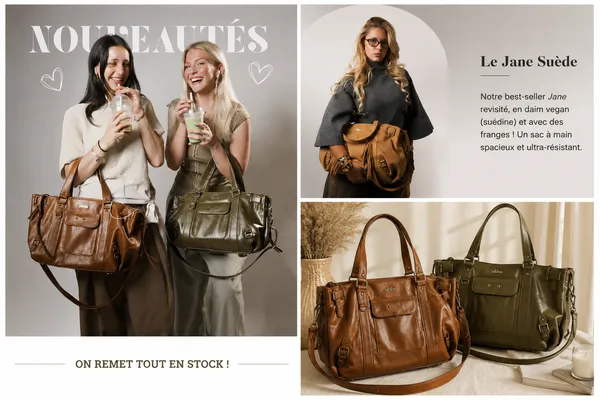
Deri Çantalar Ne Kadar Dayanır? B2B Alıcıları İçin Deri Çanta Ömrü Rehberi
Güvenilir bir tedarikçi seçmek, kaliteli deri seçmek kadar önemlidir. İyi bir üretici, malzeme seçeneklerini, numune hazırlamayı, toplu üretimi, ambalajlamayı ve ihracat gerekliliklerini iyi bilmelidir. Leather Working Group ayrıca, sorumlu deri tedariki ve tabakhane standartlarına önem veren alıcılar için bir tedarikçi arama ve denetim sistemi sunmaktadır.
İthalatçılar, distribütörler, ticaret şirketleri, marka sahipleri ve pazarlama ajansları için, en iyi tedarikçi her zaman en ucuz olan değildir. En iyi tedarikçi, seri üretim başlamadan önce hatalardan kaçınmanıza yardımcı olabilecek tedarikçidir.
Aşağıdaki hizmetleri sunabilecek bir özel çanta üreticisi arayın:
Yüksek kaliteli deri uzun yıllar dayanabilir; gerçek deri ise doğru şekilde üretildiğinde, kullanıldığında ve bakımı yapıldığında on yıllarca dayanabilir. Kesin kullanım ömrü, derinin türüne, yüzey işleme şekline, yapımına, iklim koşullarına ve bakım alışkanlıklarına bağlıdır.
“Deri çantalar günlük kullanımda ne kadar dayanır?” sorusunun cevabı genellikle şöyledir: 5 ila 10 yıl iyi bir çanta için. Birinci sınıf tam damarlı deri bir çanta, uygun bakım, sağlam dikişler ve ara sıra yapılacak onarımlarla daha da uzun süre dayanabilir.
Tam damarlı deri, doğal damar yapısını koruduğu için birçok üst düzey çanta projesinde en dayanıklı deri türüdür. Üst damarlı deri de sağlamdır ve genellikle daha pürüzsüz, daha hafif ve daha homojendir. Birçok moda markası için üst damarlı deri, görünüm, maliyet ve performans arasında pratik bir denge sunar.
Gerçek deri, iyi işlenmiş ve özenle bakılmışsa uzun yıllar dayanabilir, ancak genellikle tam damarlı deri veya üst damarlı deri kadar iyi performans göstermez. Gerçek deri, uygun fiyatlı deri çanta koleksiyonları için iyi bir seçim olabilir.
Evet. Fazla su, deriye zarar verebilir ve lekelenmeye, sertleşmeye veya şekil bozulmasına neden olabilir. Çanta ıslanırsa, hafifçe kurulayın ve ısı kaynağından uzak bir yerde havayla kurumasını bekleyin. Saç kurutma makinesi kullanmayın veya çantayı ısıtıcıya yakın bir yere koymayın.
Deri çantayı serin ve kuru bir yerde, doğrudan güneş ışığından uzak tutun. Şeklini korumak için içine yumuşak kağıt veya bez doldurun. Toz torbası kullanın; nemi hapsedebilecekleri için plastik poşetlerden kaçının.
Deri koruyucu sprey, bazı işlenmiş deri türlerinin hafif suya ve lekelere karşı dayanıklılığını artırabilir. Ürünü her zaman önce görünmeyen bir bölgede deneyin. Süet veya anilin deri gibi bazı hassas deri türleri özel bakım gerektirir.
Birinci sınıf özel markalı deri çantalar için, tam damarlı deri ve üst damarlı deri en uygun seçeneklerdir. Orta sınıf perakende veya promosyon ürünleri için ise, yapım ve son işlem kalitesi güvenilir olduğu sürece hakiki deri de uygun olabilir. Doğru derinin seçimi, fiyata, müşteri beklentilerine ve kullanım amacına bağlıdır.
Size 24 saat içinde cevap vereceğiz. Acil bir durum için lütfen WhatsApp/WeChat ekleyin: +86 15066236153. Ya da doğrudan +86 17657177170'i arayın.
*Gizliliğinizi saygı gösteriyoruz ve tüm bilgiler korunmaktadır.
Bilgilerinizi sadece sorgunuza yanıt vermek için kullanacağız ve asla istenmeyen e-postalar veya tanıtım mesajları göndermeyeceğiz.
 son blog
