









Почему многоразовые сумки для покупок лучше пластиковых: какая экологичная сумка для покупок лучше всего подходит?
29 июня 2026 года
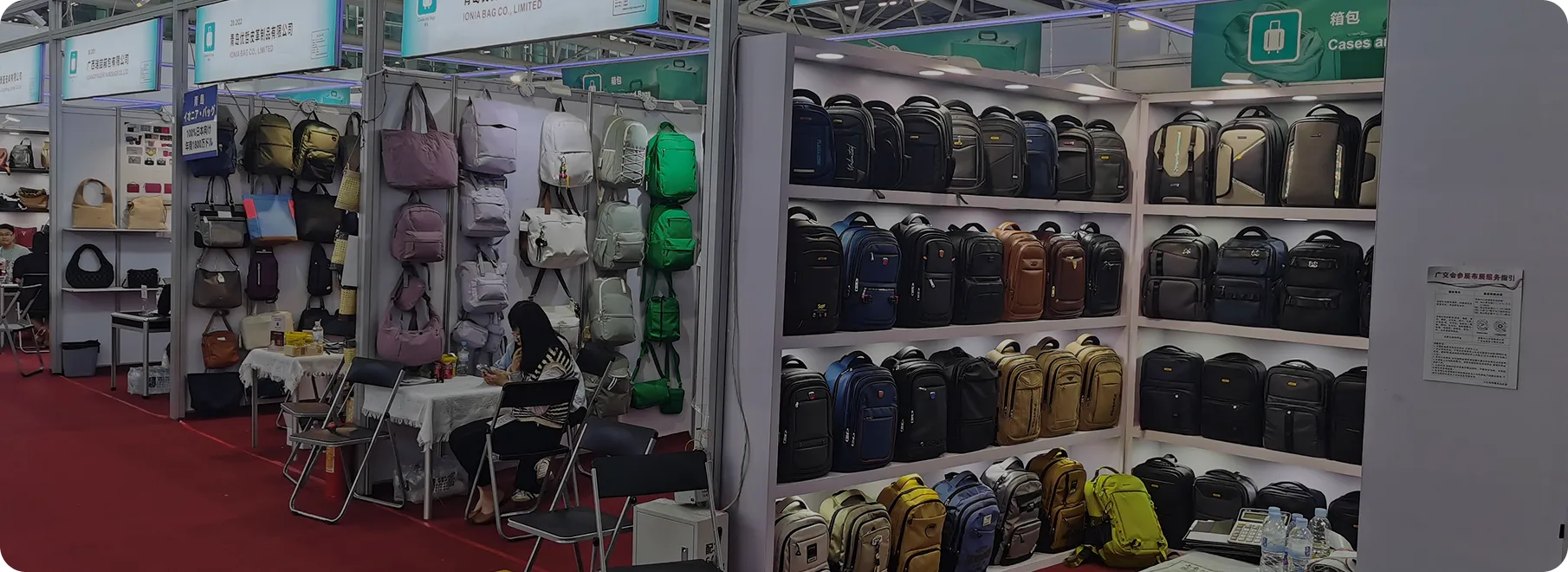
Plastic bag waste looks small at checkout, but it becomes a big problem after disposal. A weak shopping bag can be used for minutes and last for years as litter. A well-made reusable bag solves this by reducing repeat waste, improving brand value, and supporting better shopping habits.
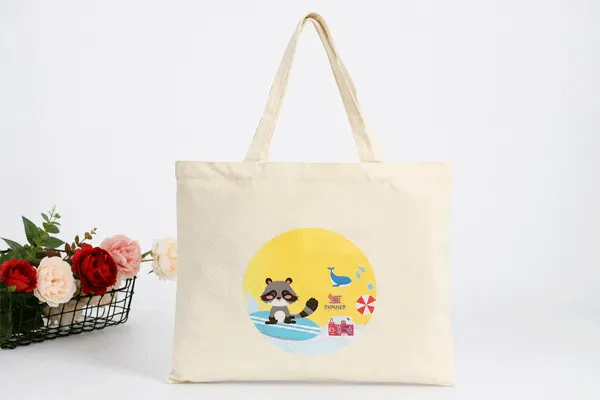
Reusable shopping bags are better than plastic bags when they are used many times. A reusable bag can reduce plastic waste, lower litter risk, support sustainable shopping, and give retailers or brands a stronger long-term packaging option. The best bag depends on material, reuse frequency, durability, recycling options, and real customer behavior.
Reusable shopping bags are better than plastic bags because they are designed for repeated use. A plastic bag is usually thin, light, and used for a very short time. A reusable bag is made to carry more weight, last longer, and replace many single-use plastic bags over its life.
The key phrase is over its life. A reusable bag is not automatically the best choice after one use. It becomes the better choice when shoppers reuse it again and again. That is why durability matters. A strong handle, good stitching, useful size, and washable fabric can turn a simple shopping bag into a long-term daily product.
For importers, distributors, brand owners, promotional product suppliers, and retailers, reusable bags also create business value. A strong reusable bag can carry a logo, support private-label branding, and stay with the customer for months or years. A plastic bag disappears fast. A good reusable bag keeps your brand in sight.
Почему многоразовые сумки для покупок лучше пластиковых: какая экологичная сумка для покупок лучше всего подходит?
The environmental impact of plastic comes from production, short use, poor disposal, litter, and low recycling rates. Plastic bags are lightweight, so they seem harmless. But when billions of plastic bags are consumed every year, the total waste becomes large. UNFCCC has cited that five trillion plastic bags are used globally each year, showing the scale of the problem.
A single-use plastic bag can easily blow away from bins, trucks, or open dumps. It may end up in landfills, rivers, streets, or the ocean. Plastic pollution can harm marine life, break into microplastics, and create long-term cleanup costs. UNEP also warns that plastic waste could nearly triple by 2060 if current patterns continue.
The problem is not only the material. It is the habit. Plastic bags are used quickly and thrown away quickly. When plastic bags end up in the wrong place, they become litter. When bags end up in landfills, they stay for a long time. Many sources say conventional plastic can take hundreds of years to decompose, although the exact time depends on material, sunlight, oxygen, and environment.
A reusable bag must be reused enough times to offset the extra material and energy used to make it. This is called the break even point. In simple words, the stronger bag has a higher starting environmental cost, but that cost spreads across many shopping trips.
The UK Environment Agency’s life cycle assessment found that, compared with a conventional HDPE carrier bag not reused, paper, low-density polyethylene, non-woven polypropylene, and cotton bags need to be reused at least 3, 4, 11, and 131 times respectively to have lower global warming potential. This is where the common “reused 131 times” figure for cotton comes from.
Here is a simplified guide:
| Тип сумки | Общее назначение | Approximate Reuse Needed to Break Even | Practical Note |
|---|---|---|---|
| Thin plastic bag | One-time checkout bag | 1 use baseline | Low weight, but high waste risk |
| Бумажный пакет | Retail or grocery packing | Around 3 times | Harder to reuse many times |
| LDPE reusable plastic bag | Thicker reusable carrier | Around 4 times | Durable if customers keep it |
| Non-woven polypropylene bag | Grocery and promotion | Around 11 times | Good balance of price and strength |
| Хлопковая сумка | Retail, lifestyle, premium tote | Around 131 times | Best when used for years |
The lesson is clear: reuse any bag as many times as possible. The bag you already own often has the smallest carbon footprint because it does not require new production.
The question “which bag is best?” has no single answer for every situation. A plastic bag may have low production impact because it is very light, but it has high litter and waste risk. A paper bag can feel natural, but manufacturing a paper bag may use more water and energy than people expect. A reusable bag can be the sustainable choice only when people actually use it many times.
For brands, stores, and bulk buyers, the better question is: Which shopping bag will customers keep and reuse? If shoppers forget their reusable bags, the environmental benefit drops. If the bag is too weak, too small, or unattractive, people will not use it often.
Вот практическое сравнение:
| Option | Advantages | Limitations | Лучшее использование |
|---|---|---|---|
| Пластиковый пакет | Cheap, light, waterproof | Often single-use, litter risk, hard to recycle curbside | Limited packing use |
| Бумажный пакет | Natural look, printable, recyclable in many systems | Weak when wet, may need more water and energy | Розничная упаковка |
| Reusable PP bag | Low cost, strong, light | Needs repeated use | Grocery, events, promotion |
| Хлопковая сумка | Premium feel, washable, natural look | Higher production footprint | Lifestyle retail, brand merch |
| Recycled fabric bag | Supports sustainability goals | Needs verified material records | Eco campaigns, private label |
For a B2B buyer, high-quality reusable bags usually give the best mix of function, brand exposure, and long-term customer value.
Почему многоразовые сумки для покупок лучше пластиковых: какая экологичная сумка для покупок лучше всего подходит?
Paper bags have some advantages. Paper bags are biodegradable under the right conditions, and many consumers see them as more natural. They also accept printing well, which makes them useful for fashion, gifts, food service, and retail packaging.
But paper is not perfect. Paper bags can tear when wet. They are often heavier than plastic counterparts, which can increase transport impact. Some comparisons also mention that paper can require four times as much water in certain production scenarios. The exact result depends on the paper source, recycled content, factory energy, shipping distance, and reuse.
This is why paper and reusable bags should not be judged by feeling alone. A paper bag can be right for short-term retail packaging. A reusable bag can be better for repeat shopping. A plastic bag may still be used in some cases for hygiene, waterproof packing, or product protection, but reducing plastic should remain the goal when a reusable alternative works.
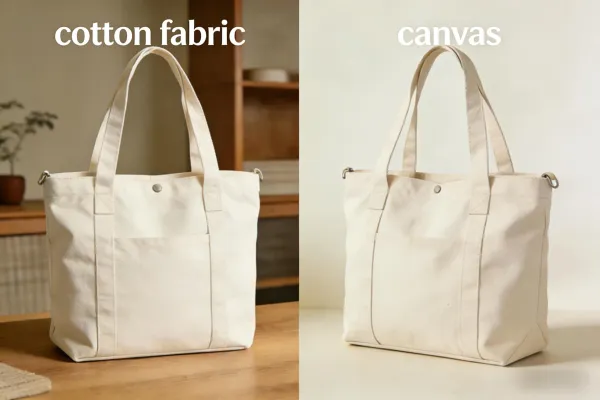
High-quality reusable bags can be made from cotton, canvas, polyester, recycled polyester, non-woven polypropylene, woven polypropylene, jute, RPET, or blended fabrics. Each material has a different cost, look, strength, and sustainability story.
A cotton bag made from cotton looks natural and feels soft. It works well for lifestyle brands and retail tote products. A polypropylene bag is lightweight, cost-effective, and suitable for grocery bags, events, and mass promotions. Recycled polyester can support sustainability claims when backed by documentation. Canvas is thicker and strong, making it suitable for premium reusable tote products.
As a China-based custom bag manufacturer, we help B2B buyers choose material based on real use. A corporate buyer may need promotional tote bags. A supermarket chain may need strong grocery bags. An outdoor brand may need washable, water-resistant fabric. A private-label retailer may need color matching, custom logo, hangtags, and retail packaging.
Reusable bags reduce plastic waste by replacing repeated use of single-use plastic bags. If one shopper uses the same reusable bag for 50 or 100 shopping trips, that can avoid many disposable bags. The impact grows when stores, brands, and distributors promote reuse at scale.
Recycling plastic bags is difficult in many curbside systems. The U.S. EPA says plastic bags and wraps generally should not go into curbside recycling bins unless local programs accept them. Thin plastic film can jam sorting equipment and contaminate recycling streams. This is one reason reducing plastic waste at the source is more reliable than depending only on recycling.
Reusable bags also help reduce litter. A strong reusable bag is less likely to be thrown away after one use. It can be stored in a car, office, backpack, or kitchen. When customers build the habit of bringing their own bag, plastic bags create less daily waste.
A reusable bag must be useful. That sounds simple, but many brands forget it. If the bag is too small, too weak, or uncomfortable, customers will not reuse it. The best reusable bag design starts with daily behavior: what people buy, how far they carry it, and where they store the bag.
For real reuse, design around these points:
The logo should not be the only focus. A useful bag builds a better brand impression than a large logo on a weak product. If the reusable bag is strong, clean, and comfortable, customers will carry it more often. That is when the brand value grows naturally.
Bulk buyers need to check more than the unit price. A low-cost reusable bag may fail if the fabric is too thin, the stitch is weak, or the handle is poorly attached. Importers, distributors, e-commerce sellers, corporate buyers, and marketing agencies need stable quality and reliable delivery.
Before placing a bulk order, review these points:
| Контрольная точка | Почему это важно |
|---|---|
| Material type and GSM | Controls strength, cost, and feel |
| Bag size and handle length | Affects comfort and function |
| Грузоподъёмность | Confirms whether the bag is strong enough |
| Stitching method | Protects handle and seam durability |
| Метод логотипа | Impacts appearance and wash resistance |
| Утверждение образца | Prevents mass production mistakes |
| Однородность цвета | Important for retail and private label |
| Packing method | Affects shipping, storage, and resale |
| Контроль качества | Reduces defects before shipment |
A professional supplier should explain these details clearly. We often ask buyers about use case, target market, quantity, packaging channel, and budget before recommending a material. That is how OEM, ODM, and private-label bag projects become safer.
Reusable bags support sustainable shopping because they remind customers to reuse instead of dispose. This is not only an environmental action. It is also a brand habit. When a customer uses your bag at a store, market, office, or travel location, your brand travels with them.
For retail brands, reusable bags can become paid products. For supermarkets, they can reduce checkout waste. For promotional product suppliers, they create useful campaign items. For outdoor, travel, and lifestyle brands, they match customer values and daily use.
The strongest result comes when the bag is designed for both sustainability and function. A bag must be attractive enough to keep, strong enough to use, and practical enough to carry often. That is how reducing their environmental impact can also create better customer loyalty.
Reusable bags have clear advantages over plastic bags for many commercial programs. They can carry heavier goods, last longer, hold better printing, and support eco-friendly brand messaging. They also give more space for logos, QR codes, slogans, care labels, and retail tags.
A plastic bag is often treated as waste. A reusable bag can become merchandise. That difference matters. A brand owner can sell a reusable tote. A corporate buyer can use it for events. A distributor can stock it as a product line. A retailer can use it to improve the checkout experience.
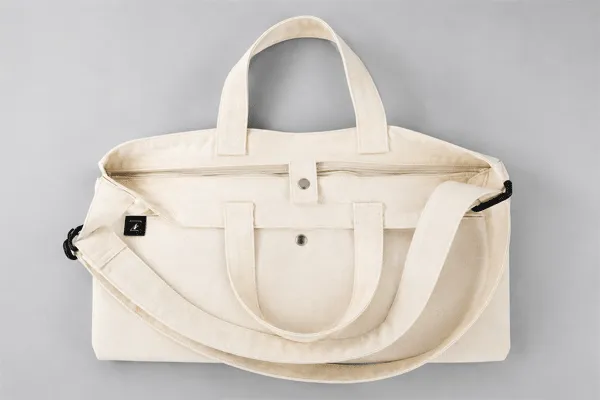
From our factory experience, buyers often start with one simple reusable shopping bag. Later, they expand into cooler bags, foldable bags, canvas totes, drawstring bags, cosmetic bags, travel bags, and promotional kits. A good reusable bag can open a wider product category.
Почему многоразовые сумки для покупок лучше пластиковых: какая экологичная сумка для покупок лучше всего подходит?
A reusable bag works best when it is kept clean. Customers should wash your reusable bags according to the material. Cotton and canvas bags may be washable. Some non-woven or laminated bags should be wiped clean instead. Always follow the care label.
This matters for food safety and customer comfort. Grocery bags may carry fresh produce, packaged meat, frozen items, or household products. If the bag gets dirty, clean it before the next use. A well-maintained reusable bag lasts longer and gives a better shopping experience.
Brands can add a small care label or printed care instruction. This simple detail helps customers reuse the bag correctly. It also makes the final product feel more professional.
A promotional buyer once came to us looking for the cheapest reusable grocery bag. The first idea was a thin non-woven bag with a large logo. It met the price target, but it did not feel strong enough for regular shopping.
We suggested a slightly heavier non-woven polypropylene fabric, reinforced handle stitching, and a cleaner logo layout. The cost increased a little, but the bag became more useful. Customers were more likely to keep it. The campaign also looked more professional.
This is the hidden value of custom manufacturing. The goal is not only to produce bags. The goal is to make bags that people will actually reuse.
Many buyers want an eco-friendly product but forget the details that make reuse happen. A reusable bag must be strong, practical, and matched to the audience.
Avoid these mistakes:
A reusable bag becomes better than a plastic bag only when it is useful enough to be reused.
Reusable shopping bags are better than plastic bags because they can replace many single-use bags over time. They reduce waste when used often, support brand visibility, and can be designed for stronger, longer-lasting use.
It depends on the material. A non-woven polypropylene reusable bag may need around 11 uses to break even for global warming impact, while a cotton bag may need many more uses. The best rule is simple: reuse it as many times as possible.
Paper bags have some advantages, such as a natural look and biodegradability under proper conditions. But they may use more water and energy to make and are not always durable. Paper or reusable bags should be selected based on real use, not only appearance.
Some clean plastic bags and films can be recycled through store drop-off programs, but many curbside recycling systems do not accept them. Always check local rules before recycling plastic bags.
There is no single answer. The most eco-friendly option is the bag you will use the most. Non-woven polypropylene, recycled polyester, cotton, canvas, and jute can all work when matched with the right use case and reuse plan.
Cotton bags feel natural and premium, but they need many uses to neutralize their environmental impact. Polypropylene bags are usually lighter and more cost-effective for grocery or promotional use. Brands should choose based on budget, target users, and reuse frequency.
If you are developing reusable shopping bags for retail, promotion, grocery, e-commerce, or private-label sales, start by reviewing the target use, material, size, logo method, packing needs, and expected reuse frequency with an experienced factory team.
Мы ответим вам в течение 24 часов. Если для срочного случая, пожалуйста, добавьте WhatsApp/WeChat: +86 15066236153,. Или позвоните по телефону +86 17657177170.
*Мы уважаем вашу конфиденциальность и защищаем всю информацию.
Мы будем использовать вашу информацию только для ответа на ваш запрос и никогда не будем отправлять незапрашиваемые электронные письма или рекламные сообщения.
 последний блог
