


Custom Backpack Design Guide: How to Create the Perfect Custom Backpack for Your Brand and Business
February 05, 2026
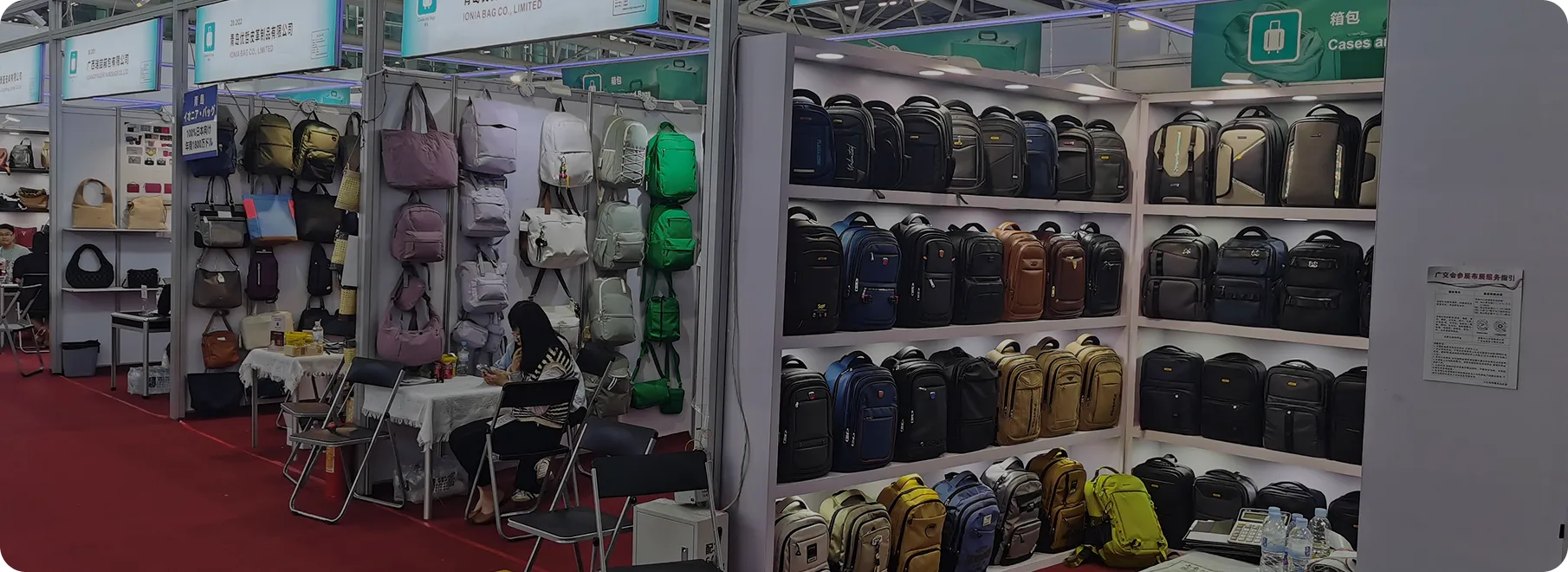
Finding a reliable partner for bulk backpack production can feel risky. Poor quality, unclear pricing, and slow delivery create stress for buyers. Many businesses struggle to balance design, cost, and branding. The right China-based OEM factory solves this with clear communication, stable quality, and scalable manufacturing.
A custom backpack is a fully personalized bag made for business branding, resale, or promotion. Buyers can choose materials, size, colors, logo methods, and packaging while controlling price and quantity. Professional manufacturers provide design support, sampling, production, and global shipping—making bulk sourcing simple and predictable.
1. What Makes a Custom Backpack Different From Standard Backpack Products?
2. Why Do Global Buyers Choose Customizable Backpacks for Branding and Business Growth?
3. How to Design a Custom Backpack That Fits Your Brand Identity?
4. What Logo Methods Work Best: Print, Embroider, or Custom Logo Patch?
5. How to Choose Materials, Colors, and Fabric Quality for Long-Term Use?
6. Understanding Price, Quantity, and Shipping in Bulk Backpack Manufacturing
7. How AI and Modern Tools Help Personalize Your Backpack Faster
8. Backpack Collection Styles: Classic, Sport, Travel, and Corporate Options
9. Step-by-Step Guide to Start Designing and Ordering From a China Factory
10. How to Check Quality, Samples, and Long-Term Supplier Reliability
A standard backpack is mass-produced with fixed features. A custom backpack is built around your needs—brand identity, target market, and functional design. This difference matters for importers, distributors, and e-commerce sellers who must stand out in crowded markets.
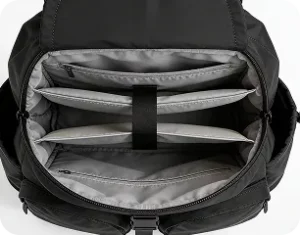
Professional OEM factories allow you to customize structure, pockets, zippers, and accessories. You can also add logo placement, packaging, and labeling that match your retail positioning. This flexibility turns a simple bag into a high-value branded product.
Key differences at a glance:
| Feature | Standard Backpack | Custom Backpack |
|---|---|---|
| Design control | None | Full |
| Logo branding | Not available | Custom logo supported |
| Price flexibility | Fixed | Based on quantity |
| Market uniqueness | Low | High |
| Business value | Limited | Strong |
For global buyers, this customization transforms sourcing from commodity purchasing into brand building.
Across retail, corporate gifting, and sports teams, buyers choose customizable backpacks because they combine practical use with strong brand exposure. Every time someone carries the bag, your logo travels with them.
From my experience working with B2B clients, three motivations appear most often:
In fact, backpacks make great promotional tools because they offer daily use and long visibility compared to disposable items. Many corporate buyers also use them as onboarding gift packages for each employee, improving brand loyalty.
This is why custom backpacks are the perfect balance between utility and marketing impact.
A strong design begins with understanding your target customer. Outdoor users want durability. Students want comfort. Travelers want organization. Your brand positioning defines the structure.
When clients work with our company, we guide them through a simple framework:
Many buyers start with an idea or reference photo. From there, we help start designing technical drawings and samples. This collaborative process ensures the final product feels unique, not generic.
To personalize your backpack, small details matter—zipper pulls, lining color, or hidden pockets. These touches turn a normal bag into a perfect branded solution.

Logo application changes how customers perceive quality. Choosing the right method is essential.
High-end embroidered backpacks are popular for sports teams and premium retail. Meanwhile, print logos suit promotional campaigns with tight price targets.
Some global brands—like nike, ogio, carhartt, armour, patagonia, and north face—demonstrate how consistent logo embroidered branding increases perceived value. Even small businesses can apply the same strategy with OEM production.
If your goal is long-term resale, I usually recommend embroider techniques for durability.
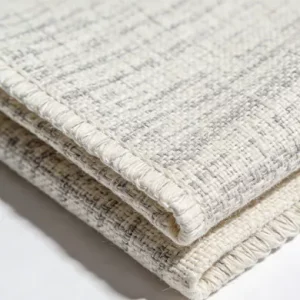
Material selection determines durability, comfort, and price. The most common fabrics include:
Each fabric supports different markets. Outdoor equipment bags often use heavy nylon. Fashion retail prefers coated polyester. Promotional giveaways use lightweight blends to control price.
Color selection also influences buying behavior. Neutral tones sell widely. Bright tones create brand recognition. A wide variety of color options allows buyers to match seasonal trends.
In bulk sourcing, excellent material consistency is critical. Reliable factories maintain stable quality across large quantity orders, preventing costly returns.
Bulk sourcing always returns to three factors: price, quantity, and shipping.
| Factor | Impact on Price |
|---|---|
| Material quality | High |
| Logo method | Medium |
| Order quantity | Very high |
| Packaging | Low |
| Shipping method | Medium |
Higher quantity reduces unit price significantly. This is why importers often request a price quote for multiple tiers.
Professional factories also provide transparent shipping timelines and export documentation. Smooth shipping protects your launch schedule and cash flow.
For buyers planning to shop globally, clarity in these numbers builds trust.
Today, AI tools simplify the early design stage. Buyers can upload sketches, test color combinations, and preview logo placement before sampling.
This reduces development time and avoids costly mistakes. Our team often uses digital mockups to help clients choose faster and add adjustments before production.
While technology speeds things up, human manufacturing expertise still ensures durability and quality. The best results combine AI visualization with factory engineering.
Every backpack collection should match a clear market segment.
Many buyers also browse reference lines such as backpacks from nike or ogio collection ideas to define positioning—then produce OEM versions for their own brand.
A wide selection of structures ensures your collection stays competitive in global markets.
Working with a China OEM company follows a predictable process:
To get a custom manufacturing plan, buyers simply upload their artwork and specifications. Our team then prepares technical drawings and sampling timelines.
This structured workflow reduces risk and supports long-term business partnerships.
Serious B2B buyers always verify three things:
Requesting physical samples allows you to discover stitching strength, zipper smoothness, and material feel. Consistent results indicate reliable quality control.
You should also confirm communication speed and after-sales support. A trustworthy supplier acts like an extension of your team, not just a vendor.
Sampling often requires 7–15 days, while bulk production ranges from 25–45 days depending on quantity and complexity.
Most factories accept 300–1000 pieces, though simple designs may allow lower entry levels.
Yes. You can personalize structure, materials, logo, packaging, and accessories to match your market positioning.
Professional exporters provide shipping, customs paperwork, and tracking support for smooth international delivery.
Absolutely. Personalized backpack products are widely used for corporate marketing, employee programs, and events.
If you are planning your next backpack collection, working directly with an experienced OEM manufacturer is the fastest way to build a unique, competitive brand presence in global markets.
We will reply you within 24 hours. If for urgent case, please add WhatsApp/WeChat: +86 15066236153,. Or call +86 17657177170 directly.
*We respect your confidentiality and all information are protected.
We will only use your information to respond to your inquiry and will never send unsolicited emails or promotional messages.
 last blog
