








OEM ODM Shoulder Bag Manufacturer: Custom Handbags, Crossbody Bags & Wholesale Solutions
September 21, 2026
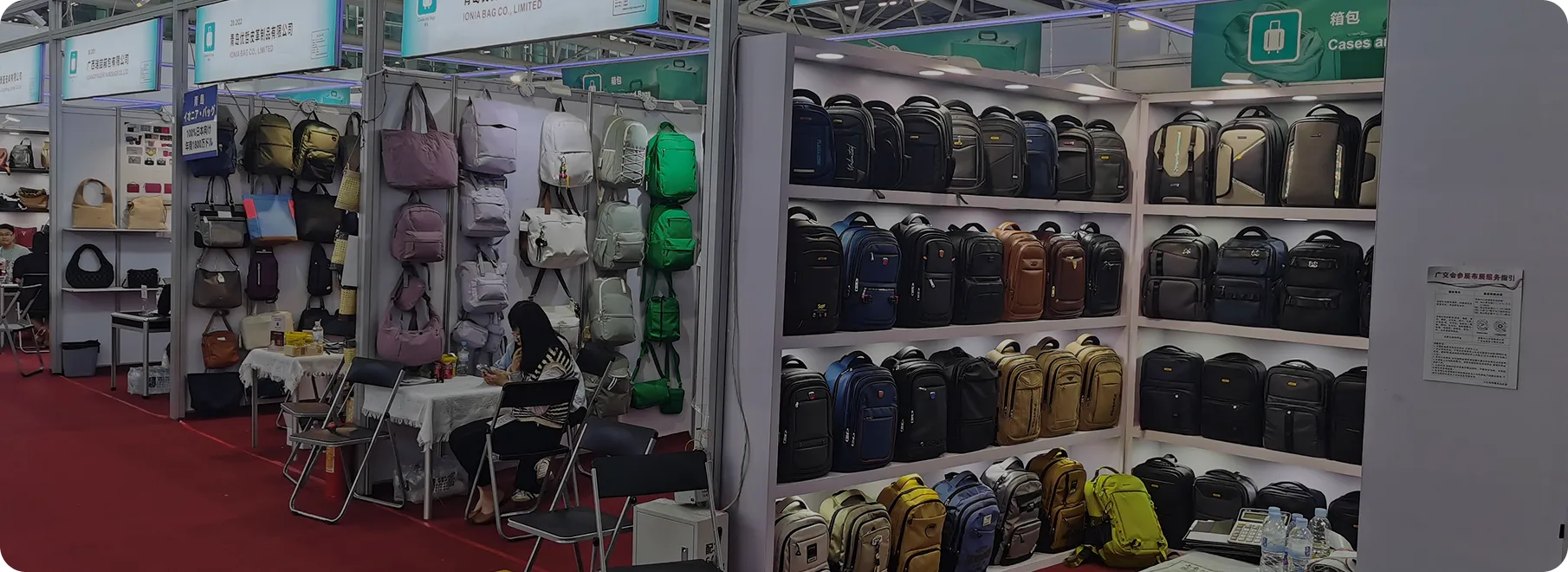
Finding the right bag supplier can be harder than choosing a design. Poor material choices, unclear customization, unstable quality, and missed delivery dates can quickly turn a promising shoulder bag project into costly inventory. A structured OEM and ODM process helps buyers reduce these risks before moving into bulk orders.
Un OEM ODM shoulder bag manufacturer develops and produces bags according to your design, reference sample, target market, or product concept. Buyers can customize materials, size, colors, compartments, hardware, packaging, and branding while choosing between original designs and ready-developed styles. This makes OEM/ODM production suitable for brands, importers, distributors, e-commerce sellers, and promotional product buyers.
OEM ODM Shoulder Bag Manufacturer: Custom Handbags, Crossbody Bags & Wholesale Solutions
OEM and ODM are two common approaches to bag manufacturing, but they serve different buyer needs.
With OEM, you normally provide an existing design, technical drawing, reference samples, specifications, or a clear product concept. The manufacturer then turns those requirements into a production-ready product. This route works well for an established bag brand that already knows its preferred shape, material, dimensions, and market positioning.
ODM gives the buyer a faster starting point. Instead of creating everything from zero, you can select an existing silhouette, modify its material or size, change colors, adjust interior organization, and add your own branding. Good ODM customization services can be useful for retailers that want to shorten development work while still creating a differentiated collection.
For many projects, the process sits somewhere between the two. A buyer may begin with an available crossbody design, change the body structure, add a new pocket, select a different strap, and create a completely new color combination. This flexible OEM and ODM approach is especially practical for seasonal launches.
| Project Type | Best Starting Point | Typical Changes | Suitable Buyer |
|---|---|---|---|
| OEM | Drawing, tech pack, sample or concept | Structure, material, dimensions, hardware, packaging | Established brands |
| ODM | Existing manufacturer design | Color, material, logo, lining, hardware | New or fast-moving brands |
| Private Label | Existing or slightly modified product | Logo, label, packaging | Retailers and e-commerce sellers |
| Full Custom Development | Product idea | Complete product development | Lifestyle and specialist brands |
A custom handbag is much more than a standard product with a logo added to it. Buyers can normally build the product around their target customer, retail price, sales channel, and desired appearance.
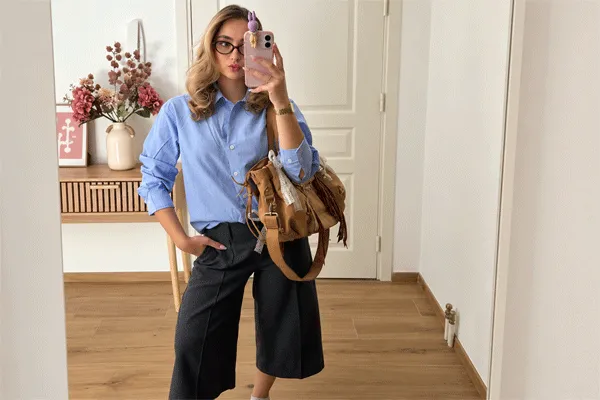
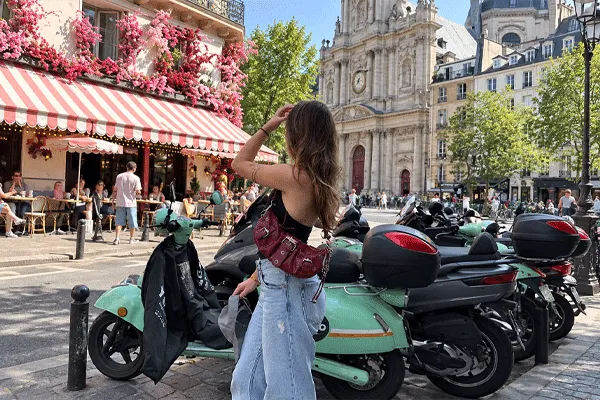
A typical customization plan starts with the overall silhouette. You may want a compact crossbody style for daily travel, a structured women handbag for office use, a soft tote bag for lifestyle retail, or a large capacity model for commuting and travel.
You can then refine details such as:
The goal is not to add as many features as possible. Good customization should support how the bag will actually be sold and used. A promotional buyer may prefer a simple customizable model with strong cost control, while fashion brands may focus more heavily on shape, finish, material texture, and hardware.
As a China-based custom bag manufacturer, our role is to help global B2B buyers turn those product requirements into practical manufacturing specifications rather than treating customization as logo printing alone.
There is no single best material for every handbag. The right choice depends on target price, product positioning, expected use, design structure, and customer preference.
Cuero sintético is widely considered when buyers want consistent color options and a fashion-oriented surface without using genuine hide. A PU leather handbag can work for promotional collections, online retail, and price-sensitive fashion programs. Different surface grains, thicknesses, backing materials, and finishes can create very different results, so buyers should approve physical samples rather than select material by photographs alone.
Genuine leather is often selected when a collection requires a natural feel and more premium positioning. Options may include split leather, top-grain leather, and other grades according to the project. For a leather shoulder product or leather crossbody collection, material sourcing should be confirmed early because hide type, surface treatment, thickness, color tolerance, and usable cutting area all affect the finished product.
Responsible sourcing is also becoming more important in international procurement. The Leather Working Group’s manufacturer audit framework covers areas including traceability, chemical management, water use, waste management, and environmental systems within leather manufacturing.
Fabric and nylon can be better choices for outdoor, travel, promotional, lightweight, and utility-focused fashion bags. Material selection should always begin with how the product will be used—not simply which material looks best on a sample board.
OEM ODM Shoulder Bag Manufacturer: Custom Handbags, Crossbody Bags & Wholesale Solutions
A successful crossbody or shoulder product begins with a clear product brief.
The first stage is product development. Buyers should define the intended customer, sales price level, dimensions, carrying method, visual style, capacity, and important functional features. Even a simple sketch can become much more useful when paired with dimensions and reference images.
For example, a buyer developing women shoulder bags might specify:
Target: everyday urban use
Style: clean rectangular silhouette
Material: soft PU leather
Carrying: adjustable crossbody shoulder strap
Storage: phone pocket + main compartment + internal zipper pocket
Branding: small metal logo
Positioning: mid-market private-label retail
From there, the factory can review construction feasibility and begin material sourcing.
A clear brief also prevents confusion. Saying “I want a premium bag” leaves too much open to interpretation. Saying “I need a 24 × 16 × 8 cm structured bag with a removable strap, matte hardware, a three-pocket interior, and a target retail position similar to mid-range lifestyle accessories” gives the development team something concrete to work with.
This is one of the most important steps in a successful bag project.
Price matters, but a low quotation does not automatically mean low purchasing cost.
For importers and retail brands, the more important question is whether the manufacturer can reproduce an approved sample consistently during bulk production.
Before placing an order, evaluate how the potential supplier handles drawings, sample comments, material confirmation, tolerance requirements, production inspection, packaging, and communication.
A useful evaluation table is:
| Area | Preguntas que hay que hacer |
|---|---|
| Development | Can the factory work from samples, drawings, or reference images? |
| Materiales | Are material specifications confirmed before production? |
| Marca | What logo and packaging methods are available? |
| Muestreo | Is there a clear sample approval procedure? |
| Producción | How is the approved sample transferred to mass production? |
| QC | Which points are checked before shipment? |
| Comunicación | Are changes documented clearly? |
| Entrega | Is the production schedule confirmed before ordering? |
Some international buyers begin supplier research through exhibitions, referrals, Google, Alibaba, or platforms such as Made-in-China.com. Others visit production areas such as Guangzhou and surrounding sourcing regions. The discovery channel is only the beginning. You still need to confirm whether the proposed factory fits your actual product and quality requirements.
For quality management, ISO 9001 is a globally recognized quality-management standard focused on controlled processes, customer requirements, performance evaluation, and continual improvement. When certification matters to your purchasing program, verify the manufacturer’s current certificate and scope rather than relying only on a logo displayed on a website.
The MOQ depends on how much development and customization the product needs.
A ready-developed product with a color change or simple logo usually creates fewer production constraints than a fully new oem bag involving custom-molded hardware, unique materials, new patterns, special packaging, or multiple colors.
That is why asking for a single universal MOQ for custom bags can be misleading. The practical quantity may depend on:
| Factor | Possible MOQ Impact |
|---|---|
| Stock material | Usually easier for smaller projects |
| Custom material color | May require larger material quantity |
| Custom metal hardware | Mold or plating requirements can apply |
| Multiple colors | Quantity may need to be divided by color |
| Embalaje a medida | Packaging vendors may have their own MOQ |
| Complex structure | More setup and production preparation |
| Existing ODM model | Often easier to launch than a new structure |
For buyers testing a new market, an ODM or private label program can sometimes reduce development complexity. Once demand is proven, the product can be further customized in later orders.
For larger bulk orders, developing unique components may make more commercial sense because setup costs are spread across more units.
OEM ODM Shoulder Bag Manufacturer: Custom Handbags, Crossbody Bags & Wholesale Solutions
Your total lead time includes more than sewing.
A typical development sequence may include product briefing, quotation, material confirmation, pattern development, sample production, sample feedback, revised sampling, purchase-order confirmation, material preparation, manufacturing, inspection, packaging, and shipment preparation.
The workflow looks like this:
Product Brief → Material Selection → Prototype → Review → Revised Sample → Approval → Production Preparation → Manufacturing → Inspection → Packing
A sample lead time should therefore be discussed separately from production time. A basic modification of an existing model may move faster than a fully customized leather bag with unique hardware and multiple prototype rounds.
Buyers can also shorten time to market by preparing accurate requirements before sampling. Confirm your dimensions, Pantone or color references, logo artwork, packaging expectations, target quantity, intended material, and shipping deadline as early as possible.
Changes made after bulk material has been ordered can create avoidable delays.
Branding starts long before a logo is placed on the front of a handbag.
The best private-label programs connect visual details across the whole product: exterior material, shape, hardware finish, lining, zipper pullers, labels, packaging, and presentation.
Common branding options include printing, heat transfer, debossing, emboss details, woven labels, metal badges, customized zipper pullers, branded lining, hangtags, dust bags, and retail boxes.
A minimalist es uno que se siente fácil, se ve actual y funciona en la vida real. Las guías de compra actuales de Travel + Leisure e InStyle siguen recompensando bolsos que son ligeros, seguros, lo suficientemente amplios para necesidades diarias y simples de llevar durante largas jornadas. La cobertura de primavera de 2026 de Vogue también muestra que la moda se inclina hacia formas compactas y prácticas, pequeños estuches, formas caídas y bolsos refinados para el día a día en lugar de diseños pesados y excesivamente complicados., for example, may need only a small debossed logo and matching hardware. A fashion-focused designer tote may depend more heavily on signature lining, hardware, stitching, and packaging.
This consistency strengthens brand identity.
At the same time, original development matters. Buyers should use reference samples to explain dimensions, functions, material feel, or general direction—not to duplicate a protected product from a famous brand or copy luxury designer details. The strongest private-label products use market references to understand customer expectations while developing their own recognizable look.
That approach is more sustainable for long-term brand building.
Quality control should begin before bag production, not after it.
First, create an approved reference. The final sample should establish the agreed dimensions, materials, logo position, color, hardware, lining, stitching, construction, and packaging.
Production teams can then use that reference to control the order.
Key checkpoints may include material appearance, panel cutting, stitching consistency, edge finishing, hardware installation, strap attachment, logo position, zipper operation, measurements, internal cleanliness, and packaging.
For EU-market projects, chemical compliance may also require attention depending on the materials and product components involved. REACH restrictions can apply to substances in imported articles, including certain substances relevant to textile and leather goods. The European Commission specifically notes restrictions affecting areas such as chromium VI in leather articles and other substances used in textiles or components.
Therefore, tell your manufacturer the target market before finalizing material selection. A bag for one market may require different testing documents or chemical-control requirements from the same product sold elsewhere.
Quality expectations should be written into your purchase requirements whenever possible.
Ready-made products are useful when speed is the highest priority. They allow traders, promotional buyers, and some Amazon sellers to enter a category without a long development cycle.
However, ready-made products can make differentiation difficult.
OEM ODM wholesale production gives buyers more control over design, materials, colors, packaging, and positioning. It is better suited to companies that want a repeatable product line instead of competing only on price.
Consider three business models:
| Modelo | Speed | Differentiation | Development Input |
|---|---|---|---|
| Ready-Made | Alta | Bajo | Bajo |
| ODM + Branding | Medium-High | Medio | Medio |
| Full OEM | Medio | Alta | Alta |
For lifestyle brands, fashion retailers, and product companies planning seasonal collections, customized development often provides more space to build a recognizable range.
A product family can also grow over time. One successful shoulder style can lead to a smaller bag crossbody, larger tote, wallet, travel organizer, or matching ladies wallet while keeping consistent materials and hardware.
This creates a collection rather than a single isolated SKU.
Consider a typical example.
A lifestyle retailer wants to develop a compact women’s everyday handbag. The buyer sends several reference samples and explains what they like about each one: the first has the preferred size, the second has a useful internal layout, and the third has the right strap style.
Instead of copying any one design, the development brief combines the functional requirements into a new silhouette.
The buyer chooses PU leather, requests a removable strap, selects matte metal hardware, adds one internal pocket, adjusts the opening, and uses a simple logo treatment. A prototype is produced and reviewed.
During the sample review, the buyer decides that the strap should be wider and the opening needs easier access. These changes are made before production.
The result is a more controlled private label production process because the key decisions happen during development instead of after the finished goods are produced.
This is why sampling should not be viewed only as a step to “see the bag.” It is where the product specification becomes clear enough for repeatable manufacturing.
Different buyers need different things from the same factory.
An importer may prioritize consistent specifications, shipping preparation, and repeat ordering. A distributor may need a broad product selection that fits several customer segments. Fashion brands often need deeper design development and material coordination.
E-commerce sellers may prioritize product differentiation, packaging, photography-ready appearance, and manageable launch quantities. Promotional companies often value dependable schedules and clear logo execution. Outdoor and travel brands may focus more on functional construction, durable materials, storage, and comfort.
Como empresa con sede en China, fabricante de bolsas, we focus on OEM, ODM, and private-label solutions for global B2B sourcing projects. This allows buyers to begin with different levels of development—from an existing model that needs branding to a fully customized product created from drawings or concepts.
The most productive inquiry usually includes:
Product type + dimensions + material preference + order quantity + logo method + reference images + target market + expected delivery schedule.
With this information, we can evaluate the project much more accurately and discuss suitable manufacturing options rather than providing a generic quotation.
Yes. An existing design can often be used as the starting point for ODM customization services. Depending on the model, you may be able to change colors, material, size, straps, pockets, hardware, lining, logo, and packaging. More significant structural changes may require a new sample.
Material options can be selected according to the design and buyer requirements. PU leather, genuine leather, fabrics, and other materials can suit different price points and applications. For a premium leather program, buyers should define leather type, finish, thickness, color, and testing requirements before production.
Send the product style, approximate dimensions, material, quantity, logo requirements, target market, packaging needs, and reference images or drawings. If you have an existing handbag sample, measurements and detailed photographs can also help clarify construction.
Yes. Customization available may include logo printing, debossing, embossing, labels, hardware branding, hangtags, dust bags, boxes, and other packaging options depending on the project. These details should be confirmed during sampling.
Not always. ODM can be practical when a new brand wants to launch faster using an existing product structure. OEM is more suitable when the buyer already has a unique design or requires deeper differentiation. Many buyers begin with ODM and move toward more customized products as the business grows.
Create a detailed product specification, approve materials, review a physical sample, confirm packaging, document any tolerances, and make sure the final approved sample represents the order. Clear communication before production is one of the simplest ways to reduce misunderstandings.

Le responderemos en un plazo de 24 horas. Si para el caso urgente, por favor agregue WhatsApp/WeChat: +86 15066236153,. O llame directamente al +86 17657177170.
*Respetamos su confidencialidad y toda la información está protegida.
Sólo utilizaremos sus datos para responder a su consulta y nunca le enviaremos correos electrónicos o mensajes promocionales no solicitados.
 último blog
