









Cuero PU, cuero auténtico y imitación de cuero: guía completa para elegir el material de cuero adecuado
27 de agosto de 2026
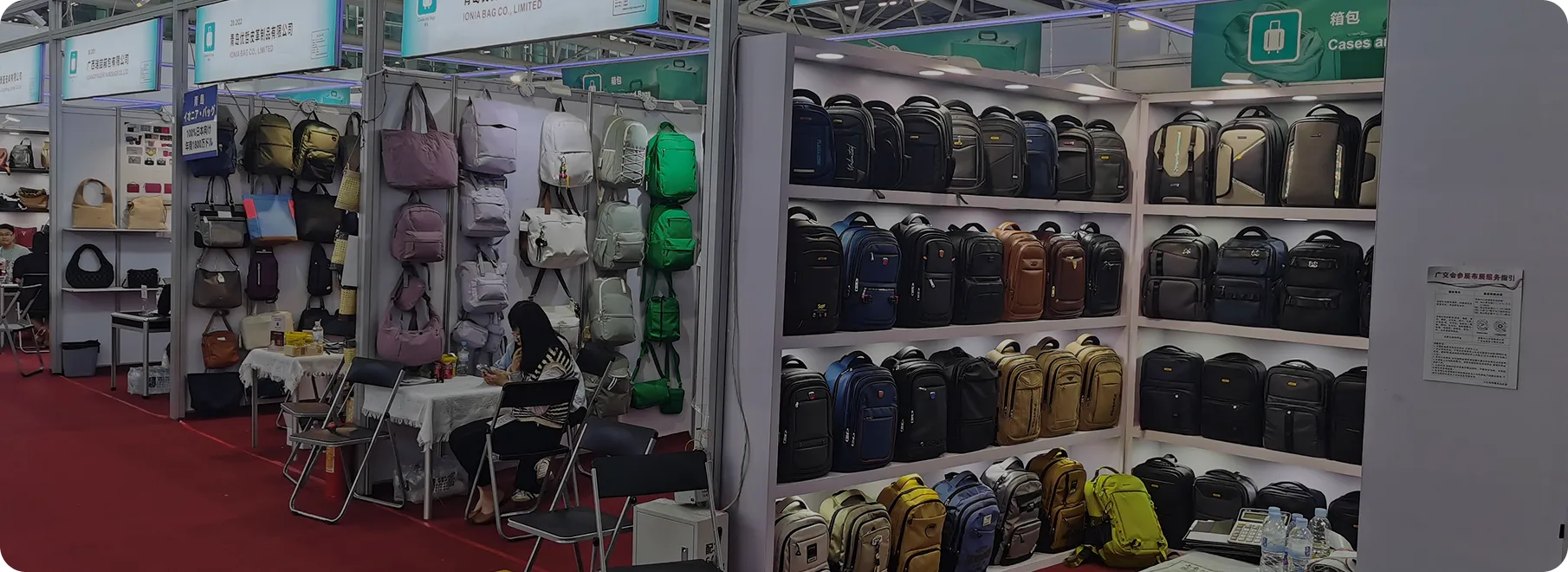
Choosing the right leather material can be confusing. Many buyers compare pu leather, genuine leather, and faux leather because they look similar but have important differences in quality, price, durability, and application. Understanding pu leather vs faux leather and leather vs faux leather helps brands, retailers, and consumers make smarter purchasing decisions.
This guide explains the differences between pu leather vs genuine leather, how each material is made, where they are used, and which option is better for products such as a leather bag, handbags, accessories, and custom leather goods.
Cuero PU, cuero auténtico y imitación de cuero: guía completa para elegir el material de cuero adecuado
What Is PU Leather and How Is It Made?
What Is Genuine Leather and Why Is It Considered Premium?
PU Leather vs Genuine Leather: What Are the Main Differences?
Leather vs Faux Leather: Which Material Offers Better Quality?
PU Leather vs Faux Leather: Are They the Same Material?
How Durable Is PU Leather Compared With Real Leather?
What Type of Faux Leather Is Commonly Used Today?
Are PU Leather Bags a Good Alternative to Genuine Leather Bags?
How Do Leather and PU Leather Compare for Sustainability?
How Should Buyers Choose Between PU Leather, Genuine Leather, and Faux Leather?
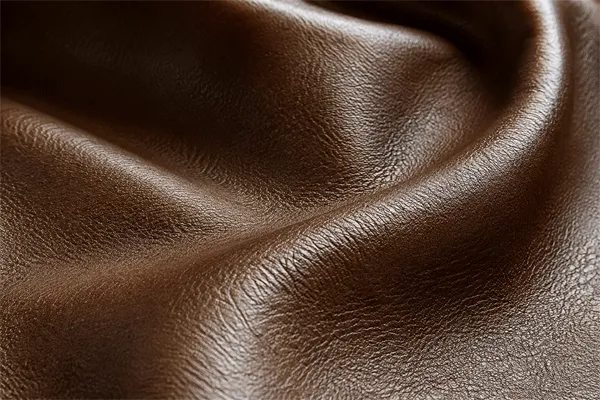
PU leather is one of the most widely used synthetic leather materials in the fashion, furniture, automotive, and accessory industries. The term PU stands for polyurethane, meaning this material is also known as polyurethane leather.
Unlike natural leather, which comes from animal hides, pu leather is a synthetic material created by applying a polyurethane coating onto a fabric or fiber base. This manufacturing process allows producers to create a surface that can imitate genuine leather while offering more flexibility in design.
A typical PU leather production process includes:
Because manufacturers can control the texture, color, and finish, pu leather products are available in many styles. This makes them popular for handbags, wallets, furniture covers, footwear, and fashion accessories.
Compared with natural leather, pu leather usually has a smoother and more consistent appearance. It can imitate the look of premium materials without the higher cost associated with animal leather.
For businesses producing custom products, PU leather provides several advantages:
| Característica | PU Leather Benefit |
|---|---|
| Aspecto | Similar to real leather |
| Opciones de color | More choices than genuine leather |
| Price | More affordable |
| Producción | Easier customization |
| Maintenance | Easy cleaning |
Many manufacturers choose PU leather because it provides a balance between appearance, cost, and production efficiency.
Genuine leather refers to leather made from animal hides that have been processed and treated for commercial use. Unlike synthetic materials, genuine leather is a natural material with unique grain patterns and textures.
The production of genuine leather involves several stages, including:
High-quality leather products often use premium grades such as full-grain leather and top-grain leather.
Full grain leather keeps the natural surface of the hide, allowing the original texture and markings to remain visible. This creates a unique appearance that many customers value.
The appearance of genuine leather is one of its strongest advantages. Every piece has slightly different patterns, making each product unique.
Compared with synthetic options, genuine leather offers:
A well-crafted leather product can develop a richer appearance over time. Many luxury brands choose genuine leather because customers associate it with craftsmanship and quality.
However, genuine leather also has limitations. It is usually more expensive, requires more maintenance, and offers fewer color choices compared with PU materials.
Cuero PU, cuero auténtico y imitación de cuero: guía completa para elegir el material de cuero adecuado
The comparison of pu leather vs genuine leather is one of the most common questions when buying leather products.
The biggest difference is the source of the material.
The following table shows the key differences:
| Característica | Cuero PU | Piel auténtica |
|---|---|---|
| Material source | Synthetic polyurethane | Piel de animal |
| Price | Costo más bajo | Mayor coste |
| Aspecto | Consistent texture | Natural grain variation |
| Durabilidad | Good with proper care | Excellent long-term durability |
| Maintenance | Easier cleaning | Requires leather care |
| Colores personalizados | More options | More limited |
When comparing pu leather and genuine leather, buyers should consider the intended use.
For fashion products that require frequent style changes, PU leather offers strong advantages because it can be produced in many colors and finishes.
For premium products designed for long-term use, genuine leather remains popular because of its natural characteristics.
Many customers ask whether leather is always better than synthetic materials. The answer depends on the product purpose.
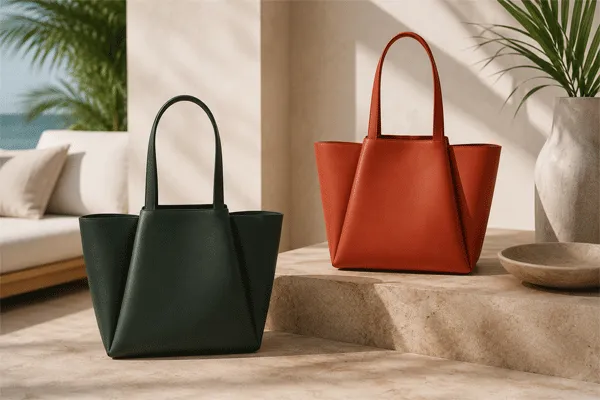
A high-quality PU leather bag may be the better choice for customers who need affordability, style variety, and easy maintenance. A luxury leather handbag may be preferred by customers who value natural materials and traditional craftsmanship.
The discussion of leather vs faux leather depends on understanding what faux leather means.
Faux leather is a general term for artificial materials designed to imitate real leather. It includes several synthetic alternatives, including PU leather and PVC leather.
The main difference is:
Faux leather has improved significantly in recent years. Modern manufacturing technologies can create surfaces that closely imitate genuine leather.
Common advantages of faux leather include:
However, differences between real leather and faux leather remain noticeable.
Real leather usually provides:
Synthetic materials usually provide:
The choice between leather and faux leather depends on customer expectations.
Por ejemplo:
Many buyers search for pu leather vs faux leather, but these two terms are not exactly identical.
Faux leather is a broad category. PU leather is one specific type of faux leather.
En pocas palabras:
All PU leather is faux leather, but not all faux leather is PU leather.
Other synthetic leather types include:
Among these materials, PU leather is often considered a higher-quality option because it provides a softer feel and more natural appearance compared with some traditional synthetic materials.
The type of faux leather used depends on the application.
Por ejemplo:
| Material | Common Uses |
|---|---|
| Cuero sintético | Bags, wallets, fashion accessories |
| PVC leather | Furniture, automotive applications |
| Microfiber leather | Premium synthetic products |
The relationship between pu leather and faux leather is important for buyers because product descriptions can sometimes create confusion.
When purchasing materials, companies should ask suppliers about:
For brands developing a pu leather bag, choosing the correct material specification ensures better product quality and customer satisfaction.
Cuero PU, cuero auténtico y imitación de cuero: guía completa para elegir el material de cuero adecuado
When buyers compare pu leather vs genuine leather, durability is one of the most important factors. A material may look attractive at first, but long-term performance determines whether a product delivers real value.
PU leather offers good durability for everyday products when it is manufactured with high-quality polyurethane coatings and proper surface treatment. It can resist scratches, stains, and moisture better than some natural materials, making it suitable for frequently used products such as handbags, wallets, and accessories.
However, the durability of PU leather depends heavily on manufacturing quality. Low-quality PU materials may crack, peel, or lose their surface finish after extended use, especially under high temperatures or frequent friction.
Compared with genuine leather, PU leather generally has shorter aging performance. Real leather can become softer and develop a unique appearance over time, while PU leather usually maintains its original surface until the coating begins to wear.
A comparison of durability:
| Factor | Cuero PU | Piel auténtica |
|---|---|---|
| Daily wear resistance | Bueno | Excellent |
| Resistencia al agua | Mejor | Requires protection |
| Aging effect | Limitado | Improves with time |
| Maintenance | Fácil | Requires care |
| Lifespan | Medio | Long |
A well-made leather product using premium materials can last for many years. However, PU leather remains a practical option for brands that need affordable, fashionable, and scalable production.
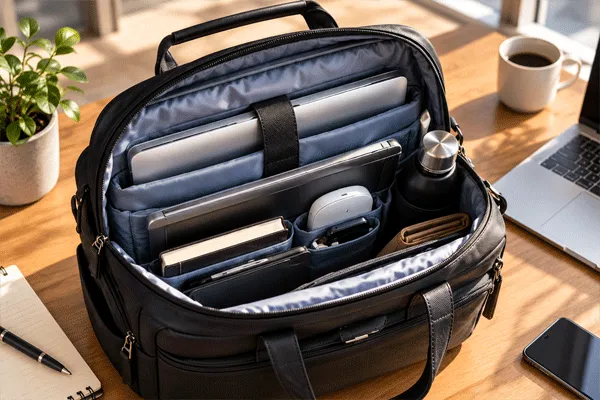
For example, a pu leather bag used for daily commuting may provide excellent value because it combines style, easy cleaning, and reasonable durability.
The key is not simply choosing between synthetic and natural materials. Buyers should evaluate the material grade, manufacturing process, and intended application.
There are several types of synthetic leather available today. Understanding each type of faux leather helps businesses select the right material for their products.
Las opciones más comunes incluyen:
PU leather is one of the most popular synthetic materials because it provides a soft touch and realistic appearance.
It is widely used in:
Because PU coatings can be customized, manufacturers can create different textures and finishes.
PVC leather is another common synthetic material. It uses polyvinyl chloride coating and is often selected for applications where strong resistance to moisture and wear is required.
PVC leather is commonly used for:
Compared with PU leather, PVC leather often feels less natural but can provide excellent waterproof performance.
Microfiber leather is a newer synthetic alternative designed to imitate premium natural leather. It has improved strength, flexibility, and appearance.
When discussing pu and faux leather, buyers should remember that faux leather represents a large category, while PU leather is only one option within that category.
The best choice depends on:
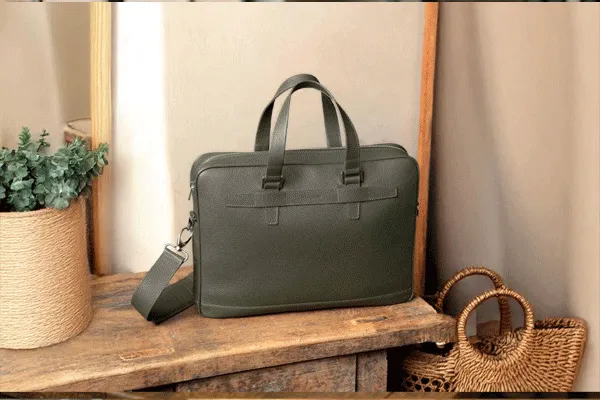
A leather bag is one of the most common products where buyers compare PU materials with natural leather.
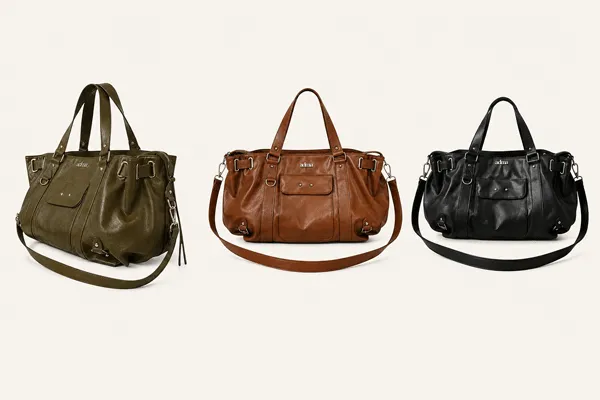
Today, many brands choose a pu leather bag because it provides a balance between appearance, affordability, and production flexibility.
For fashion brands, PU leather offers several advantages:
A modern PU material can successfully imitate genuine leather textures, making it difficult for casual customers to identify the difference by appearance alone.
However, customers who prefer luxury products often appreciate the characteristics of natural materials. The texture of genuine leather, natural grain patterns, and unique aging process create a premium experience.
When developing products such as:
brands should consider their market positioning.
A premium designer brand may focus on genuine leather, while a fashion retailer targeting younger customers may prefer PU leather because it allows faster product updates and competitive pricing.
The appearance of PU leather continues to improve. Many manufacturers can create finishes that imitate genuine leather while offering better production efficiency.
Sustainability has become an important consideration when choosing materials.
The discussion of leather and PU leather sustainability is complex because both materials have advantages and challenges.
Natural leather is a by-product of the meat industry and can provide long-lasting products. A durable leather product may reduce the need for frequent replacement.
However, leather production requires tanning processes, which must be carefully managed to reduce environmental impact.
PU leather does not use animal hides, making it attractive for customers seeking alternatives to traditional leather. It is widely considered one of the important alternatives to genuine leather.
At the same time, PU leather is still a synthetic material and depends on chemical production processes.
The sustainability comparison:
| Factor | Piel auténtica | Cuero PU |
|---|---|---|
| Animal-free | No | Sí |
| Long lifespan | Excellent | Moderate to good |
| Production control | Complex | Más flexible |
| Material consistency | Natural variation | Highly consistent |
Some companies now explore improved synthetic leather alternatives with recycled materials and lower environmental impact.
For manufacturers, selecting responsible suppliers and improving production processes are important steps toward sustainable development.
The idea that leather is more sustainable or that synthetic materials are always better is not always correct. Sustainability depends on the complete product lifecycle, including manufacturing, usage time, and disposal.
When shopping for leather products, buyers should consider more than appearance. The correct material depends on the product purpose, customer expectations, and budget.
Here are important questions to ask:
Luxury products often require premium materials. Everyday fashion products may benefit from PU leather’s affordability.
If customers expect decades of use, genuine leather may be the better option because of its natural durability.
If the product is designed for seasonal trends, PU leather can provide better commercial flexibility.
PU leather is generally cheaper than genuine leather, allowing brands to create competitive pricing.
PU leather provides:
This makes it useful for brands that frequently launch new collections.
A quality leather product does not only depend on the raw material. Craftsmanship, stitching, hardware, design, and production standards also influence the final result.
A professional manufacturer can help businesses select suitable materials according to their market goals.
For custom brands, the ideal solution may include:
No. PU leather is not real leather. It is a synthetic material made with polyurethane coating designed to imitate the appearance and feel of natural leather.
It depends on the application. PU leather offers affordability, easy maintenance, and design flexibility, while genuine leather provides superior natural texture and long-term durability.
Generally, no. Real leather usually has better long-term durability, while PU leather provides good performance for everyday products when properly manufactured.
The main difference is that faux leather is a general category of artificial materials, while PU leather is one specific type of faux leather made with polyurethane.
Yes. Modern PU leather can closely imitate the look of real leather through advanced texture and finishing technologies.
Yes. A high-quality PU leather bag can be durable, lightweight, easy to clean, and affordable, making it suitable for everyday applications.



Le responderemos en un plazo de 24 horas. Si para el caso urgente, por favor agregue WhatsApp/WeChat: +86 15066236153,. O llame directamente al +86 17657177170.
*Respetamos su confidencialidad y toda la información está protegida.
Sólo utilizaremos sus datos para responder a su consulta y nunca le enviaremos correos electrónicos o mensajes promocionales no solicitados.
 último blog
