









¿Son ecológicas las bolsas reutilizables? Una guía práctica sobre bolsas reutilizables, bolsas de plástico y qué es mejor para el medio ambiente
09 de abril de 2026
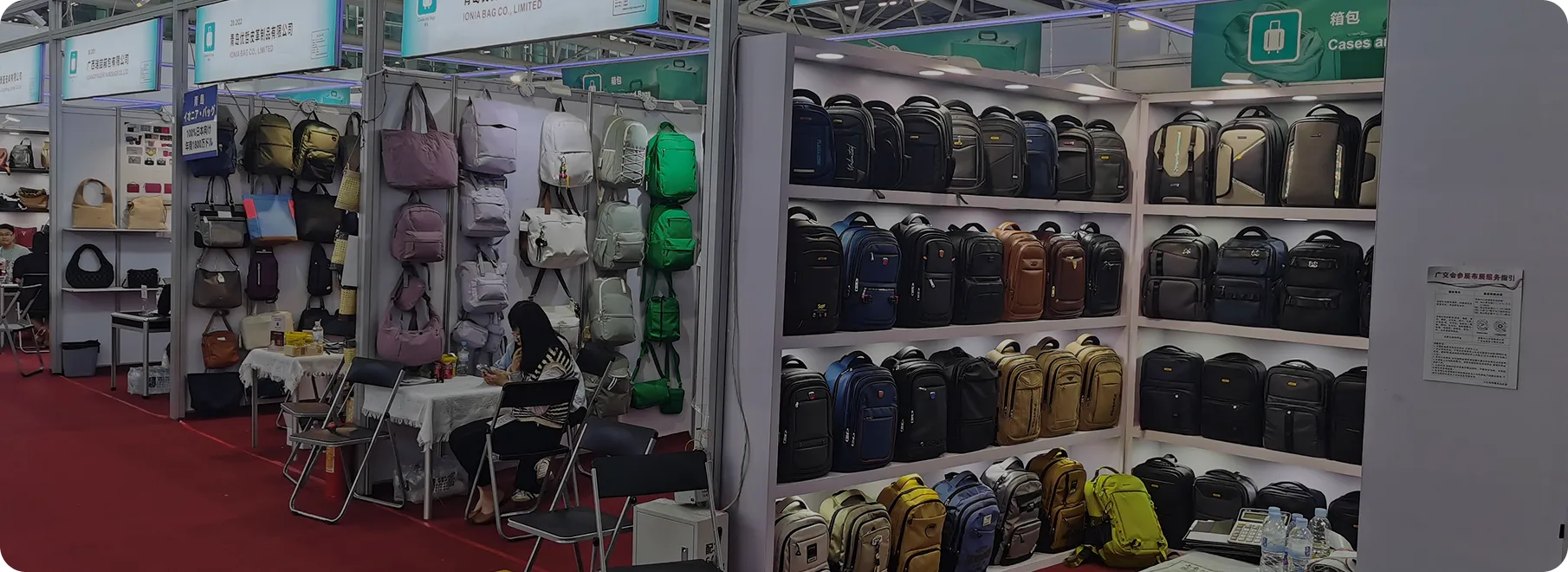
Los residuos plásticos están por todas partes, y muchos compradores se sienten atrapados entre la comodidad y la responsabilidad. Elegir mal una bolsa puede generar más residuos, más costes y más confusión. La buena noticia es que, con el material adecuado, hábitos de reutilización inteligentes y un mejor abastecimiento, las bolsas de la compra reutilizables pueden convertirse en una solución más práctica y ecológica.
Sí, las bolsas de la compra reutilizables pueden ser mejores para el medio ambiente que las de un solo uso, pero sólo cuando se reutilizan suficientes veces. La verdadera respuesta depende del material de la bolsa, de su duración, de la frecuencia con que se reutilice y de cómo se gestione al final de su vida útil. La reutilización es lo que marca la diferencia, no sólo la etiqueta “ecológica”. El PNUMA señala que las bolsas de papel pueden tener que reutilizarse varias veces antes de superar en impacto a una bolsa de plástico de un solo uso, y las bolsas de algodón suelen necesitar muchas más reutilizaciones porque su huella de producción empieza siendo mayor.
¿Por qué el debate sobre las bolsas reutilizables es más complejo de lo que parece?
¿Son las bolsas de la compra reutilizables realmente mejores para el medio ambiente que las de un solo uso?
¿Qué material es más importante: bolsa de plástico, bolsa de papel, bolsa de algodón o polipropileno?
¿Cuántas veces hay que reutilizar las bolsas?
¿Por qué a veces las bolsas reutilizables incumplen su promesa ecológica?
¿Qué deben tener en cuenta los supermercados, las marcas y los compradores más allá del precio?
¿Es mejor el papel o el plástico para la compra diaria?
¿Cómo encaja el reciclaje en la historia de las bolsas de la compra reutilizables?
¿Qué hace que una bolsa de la compra reutilizable sea práctica para un uso real?
¿Cómo pueden las empresas abastecerse de mejores bolsas reutilizables para obtener valor a largo plazo?
A primera vista, la respuesta parece fácil. Una bolsa reutilizable suena más ecológica que una bolsa de plástico, y una fuerte bolsa de la compra parece la victoria obvia. Pero la realidad es más compleja. El resultado medioambiental depende del tipo de material, la vida útil del producto, la frecuencia con que se reutiliza la bolsa y si acaba en el vertedero o se manipula correctamente después de su uso.
Por eso muchos estudios medioambientales no se preguntan sólo: “¿Qué bolsa es mejor?”. Se hacen preguntas más profundas: ¿Cuál es la huella de la bolsa al principio? ¿Cuántas veces se utiliza? ¿Puede repararse, reciclarse o reutilizarse? El PNUMA subraya que las alternativas al plástico de un solo uso no son automáticamente mejores sólo porque parezcan más naturales o de primera calidad. Su impacto total depende de las pautas reales de uso.
Como fabricante de bolsas personalizadas con sede en China Trabajando con importadores, minoristas y compradores de marcas blancas, he visto claramente esta brecha. Muchas empresas se centran primero en la apariencia, el coste o el lenguaje de moda como “ecológico”. Pero los compradores que piensan a más largo plazo se hacen mejores preguntas: ¿Se utilizará esta bolsa una y otra vez? ¿Se acordarán los usuarios finales de llevar las bolsas? ¿Durará el material? Ahí es donde empieza el verdadero valor medioambiental.
En muchos casos, sí. Una bolsa reutilizable duradera puede ser mejor para el medio ambiente que una bolsa desechable de un solo uso, porque reduce el número de bolsas consumidas con el tiempo. Para los compradores que comparen materiales y prestaciones, nuestra guía de bolsas de la compra reutilizables ofrece una visión más centrada en el producto. La EPA anima a los consumidores a reducir, reutilizar y reciclar, y señala que los consumidores pueden reducir los residuos utilizando bolsas de la compra reutilizables. La EPA también subraya que la reducción y la reutilización suelen ir antes que el reciclado en la jerarquía de residuos.
Pero esa respuesta viene con una condición: la bolsa debe utilizarse realmente muchas veces. Si los compradores coleccionan muchas bolsas de marca de la tienda y luego las olvidan en el coche, el cajón o el armario, la promesa medioambiental se debilita. Un producto reutilizable sólo funciona cuando sustituye a muchas bolsas de un solo uso a lo largo del tiempo.
Por eso las bolsas de la compra reutilizables deben juzgarse por su rendimiento, no sólo por su marketing. Una buena bolsa de la compra debe durar, ser fácil de llevar y adaptarse a los hábitos reales de compra. Si es resistente, lavable, ligera y fácil de plegar, es más probable que la gente vuelva a utilizarla. Si es demasiado voluminosa, demasiado frágil o demasiado cara para su función, es posible que no se utilice, y ahí es donde muchos programas de bolsas “verdes” se quedan cortos.
El material importa mucho. Una bolsa de plástico ligera tiene un peso de producción bajo, pero suele convertirse rápidamente en residuo, sobre todo cuando se utiliza una vez y se desecha. Una bolsa de papel puede parecer más limpia y natural, pero fabricarla requiere más agua, energía y material de lo que mucha gente espera. El PNUMA señala que puede ser necesario reutilizar una bolsa de la compra de papel entre cuatro y ocho veces para reducir su impacto en comparación con una bolsa de plástico de un solo uso.
Una bolsa de algodón puede parecer de primera calidad y duradera, pero su coste medioambiental inicial suele ser mucho mayor porque la producción de algodón utiliza importantes insumos de tierra y agua. Un resumen elaborado por el gobierno británico señala que las bolsas de algodón pueden tener que reutilizarse entre 50 y 150 veces antes de que su impacto sea menor que el de las bolsas de plástico de un solo uso, dependiendo del método de comparación.
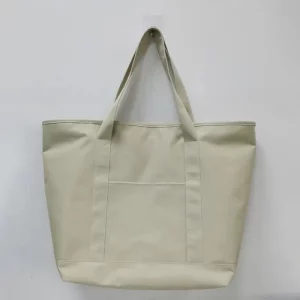
También está el polipropileno, en especial las bolsas nwpp fabricadas con polipropileno no tejido. Estas bolsas son populares porque son relativamente ligeras, resistentes, imprimibles y baratas de suministrar en grandes cantidades. En su uso real en el comercio minorista, a menudo se sitúan en un práctico término medio: son más duraderas que las opciones desechables, consumen menos recursos que algunas alternativas de fibra natural gruesa y son adecuadas para su reutilización repetida. Esta es una de las razones por las que muchas tiendas de comestibles, compradores promocionales y marcas de estilo de vida las eligen para sus programas de reutilización.
| Tipo de bolsa | Puntos fuertes | Principal debilidad | Mejor caso de uso |
|---|---|---|---|
| Delgado bolsa de plástico | Barato, ligero | A menudo tratados como desechables | Sólo transporte a corto plazo |
| Bolsa de papel | Fácil imagen de marca, ampliamente aceptada | Se rompe al mojarse, mayor consumo de material | Comercio ligero |
| Bolsa de algodón | Imagen sólida, potencial de larga duración | Elevada huella inicial | Reutilización a largo plazo y alta frecuencia |
| Polipropileno bolsa tote | Duradero, asequible, imprimible | Todavía plástico- | Uso cotidiano en comercios y supermercados |

Bolsa de papel, bolsa de plástico
Esta es la cuestión central. Una bolsa se vuelve más ecológica por su reutilización repetida, no sólo por sus buenas intenciones. Cuanto más a menudo sustituye una bolsa de plástico desechable, más se reparte su coste de producción inicial.
Una forma útil de pensar en ello es sencilla:
Una bolsa de papel necesita varios viajes para compensar su mayor carga de producción.
Una bolsa de algodón necesita muchos más viajes porque su carga de materia prima y de cultivo es mayor.
Una opción de polipropileno duradero o de plástico reutilizable más grueso suele alcanzar su punto de equilibrio antes que el algodón si se utiliza de forma constante. Este es uno de los motivos por los que muchos debates sobre el ACV se centran en adaptar el material al comportamiento real del usuario.
En términos prácticos, las bolsas deben reutilizarse con la frecuencia suficiente para sustituir a las bolsas de usar y tirar. Para los compradores B2B, eso significa que el diseño debe favorecer el hábito. Una bolsa para la compra diaria debe ser fácil de guardar, transportar y limpiar. Una bolsa para la venta minorista de moda debe ser lo suficientemente atractiva como para que los clientes quieran seguir utilizándola. Un buen diseño favorece la sostenibilidad porque favorece el comportamiento.
La razón principal es sencilla: las bolsas reutilizables no se usan. La gente las compra, las recibe en eventos o se las lleva de las tiendas, pero se olvida de llevarlas en el siguiente viaje. Si el usuario final no lleva las bolsas, el sistema sigue dependiendo de las bolsas de plástico de un solo uso u otras opciones de usar y tirar.
Otra razón es la mala elección del producto. Algunas bolsas parecen resistentes, pero no están hechas para durar. Las asas débiles, las costuras finas y el tejido de baja calidad hacen que un producto reutilizable parezca desechable. Una bolsa que se rompe pronto puede llegar a ser tan perjudicial para el medio ambiente como una de un solo uso porque su vida útil total es demasiado corta.
A menudo digo a los compradores que la sostenibilidad no consiste sólo en elegir un material “menos malo”. También se trata de elegir una bolsa que la gente realmente conserve y reutilice las bolsas de plástico con menos frecuencia como respaldo. Una bolsa práctica con el tamaño, la resistencia y la marca adecuados puede crear un verdadero hábito. Una mal diseñada sólo se convierte en desorden en casa.
En la contratación B2B, el precio importa. Por supuesto que lo es. Pero el valor a largo plazo procede del uso total, no sólo del coste unitario. Una bolsa de la compra barata que se estropea rápidamente puede generar más residuos, dañar la imagen de su marca y obligar a los clientes a volver a las bolsas de plástico del supermercado u otras opciones de usar y tirar.
Los compradores inteligentes deben mirar:
Durabilidad del material
Comodidad de transporte
Calidad de impresión y resistencia al lavado
Plegado y almacenamiento
Si la bolsa se ajusta al uso real de las tiendas de comestibles
Si está fabricado con material reciclado o con insumos reciclados cuando sea posible.
Si la bolsa admite la reutilización repetida durante meses, no días.
Esto es importante para importadores, distribuidores y propietarios de marcas. Un producto reutilizable debe sentirse como un objeto útil, no como un producto de culpabilidad. Si la bolsa funciona bien, los clientes la guardarán en casa, en el coche o en la oficina, lista para el siguiente viaje. Así es como el uso de bolsas reutilizables se convierte en rutina.
El viejo debate “papel o plástico” ya no es tan útil como antes. Hoy, la mejor pregunta es: ¿cuál es la mejor opción para un uso repetido en esta situación real? Una bolsa de papel puede servir para una compra ligera al por menor. Una bolsa de plástico ligera puede reutilizarse en casa para separar la basura o los alimentos. Pero para la compra diaria, una opción reutilizable resistente suele ser la mejor respuesta a largo plazo.
Dicho esto, no todas las opciones reutilizables son iguales. Algunas bolsas de plástico reutilizables funcionan bien porque son ligeras y duraderas. Algunas opciones de algodón funcionan bien porque a los clientes les encanta su aspecto y las guardan durante años. Algunas bolsas de papel acaban rotas después de mojarlas una sola vez. El contexto importa.
La EPA no declara un simple ganador universal entre el papel y el plástico, pero anima a los consumidores a reducir el número de bolsas que utilizan, a reducir el número de las que se tiran después de un uso, a reutilizar las bolsas y a reciclarlas cuando sea posible. Se trata de un marco práctico y, en mi opinión, es el más útil también para los compradores empresariales.
Reciclar ayuda, pero no es la primera respuesta. La EPA sitúa la reducción y la reutilización por delante del reciclado porque evitar los residuos en primer lugar suele ahorrar más recursos. El reciclaje es importante, pero funciona mejor cuando un producto ya ha cumplido una larga vida útil.
Esto es especialmente importante para los programas de bolsas. Mucha gente da por hecho que todo lo que lleva el símbolo del reciclaje está resuelto. Pero no es así. La EPA señala que las bolsas y láminas de plástico a menudo no pueden depositarse en los contenedores de la acera y pueden necesitar sistemas de entrega en tienda. Esto significa que la educación es importante. Los consumidores deben saber si deben reciclar, devolver las bolsas de plástico a un punto de recogida de la tienda o reutilizarlas primero.
Para las empresas, esto supone una oportunidad. Las marcas pueden imprimir orientaciones sencillas sobre la eliminación en la propia bolsa. Un mensaje claro como “Reutilíceme muchas veces” o “Devuélvala para reciclar la película donde se acepte” puede mejorar los resultados en el mundo real. Un buen diseño favorece un buen comportamiento de eliminación.
Una bolsa de la compra reutilizable resistente es fácil de transportar, fácil de abrir y lo bastante fuerte para soportar cargas reales. Debe mantener su forma, resistir el levantamiento repetido y el desgaste normal. Si resulta incómoda, la gente la deja. Si les resulta fiable, vuelven a utilizarla.
Según mi experiencia, los diseños más exitosos comparten algunos rasgos:
Peso medio, no demasiado voluminoso
Cómodas asas
Espacio libre en el panel para la marca
Fácil de plegar o guardar en plano
Material que soporta la humedad y los viajes repetidos
Capacidad suficiente para la compra sin resultar demasiado pesada
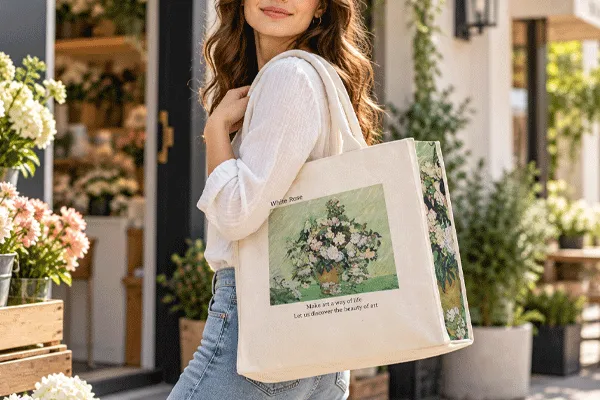
Aquí es donde los formatos tote y tote bag funcionan bien. Son sencillos, familiares y versátiles. Hoy en día, muchas bolsas se fabrican con materiales muy diversos, pero la sencillez suele triunfar. Una bolsa que vive en el maletero del coche, junto a la puerta de casa o en una mochila se utiliza. Una bolsa elegante que se guarda en un cajón, no.
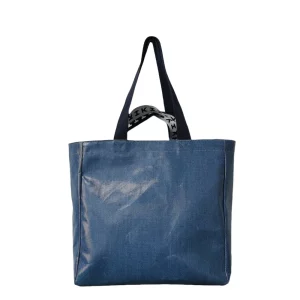
Para los compradores comerciales, la opción más sostenible suele ser la que se ajusta al comportamiento real del cliente, su presupuesto y el posicionamiento de la marca. Una marca premium de productos de exterior puede querer una bolsa de algodón resistente o un modelo de lona que se convierta en parte del estilo de vida del cliente. Una cadena de supermercados puede preferir bolsas de polipropileno resistentes que sobrevivan a muchos viajes al supermercado. Un comprador promocional puede querer una opción reutilizable barata que sea lo bastante sólida para un uso repetido.
A la hora de buscar proveedores, le sugiero que se haga estas preguntas:
¿Con qué frecuencia utilizará la bolsa el usuario final?
¿Está el material adaptado a ese nivel de uso?
¿Puede la bolsa durar lo suficiente como para neutralizar su impacto ambiental con viajes repetidos?
¿Se acordarán los clientes de llevarlo?
¿Existe un mensaje de fin de vida o una vía de reciclaje?
Una verdadera elección sostenible no es sólo “natural” frente a “homólogas de plástico”. Se trata del ajuste, la durabilidad y la sustitución repetida de las bolsas de usar y tirar. Para los compradores B2B globales, ahí es donde un fabricante atento añade valor: la adecuación del diseño, el material y el caso de uso para que el producto funcione desde el punto de vista medioambiental y comercial.
| Pregunta | Por qué es importante |
|---|---|
| ¿Los clientes utilizarán realmente esta bolsa muchas veces? | La reutilización impulsa la victoria medioambiental |
| ¿De qué material está hecha la bolsa? | Cambios materiales a partir de la huella |
| ¿Es la bolsa lo suficientemente duradera para el trabajo? | La corta vida debilita la sostenibilidad |
| ¿Pueden los clientes almacenarlo fácilmente? | Su fácil almacenamiento facilita su uso repetido |
| ¿Están claras las directrices para la eliminación? | Ayuda a reducir la contaminación y los residuos |
| ¿Se adapta el diseño a la marca y al uso diario? | El uso práctico mantiene las bolsas en circulación |
¿Son siempre ecológicas las bolsas de la compra reutilizables?
No. Una bolsa reutilizable sólo es más ecológica cuando se reutiliza suficientes veces para compensar el impacto inicial de su producción. Tanto el material como el comportamiento del usuario son importantes.
¿Es mejor una bolsa de papel que una de plástico?
No siempre. Una bolsa de papel puede parecer más ecológica, pero a menudo hay que reutilizarla varias veces para que su impacto en el ciclo de vida sea mayor que el de una bolsa de plástico. El PNUMA cita entre cuatro y ocho reutilizaciones en una comparación común.
¿Cuál es un buen material para las bolsas de la compra reutilizables?
Depende del uso. El polipropileno es popular para el uso frecuente en el comercio minorista porque es duradero y asequible. El algodón puede funcionar bien para un estilo de vida a largo plazo, pero necesita muchas reutilizaciones para compensar su mayor huella inicial.
¿Se pueden reciclar las bolsas de plástico?
A veces, pero no en los contenedores de la acera. La EPA afirma que las bolsas y láminas de plástico suelen requerir una recogida especial en lugar de contenedores de reciclaje domésticos.
¿Por qué a veces fallan las bolsas reutilizables?
Porque la gente se olvida de usarlas, o las bolsas están mal diseñadas y no duran. Un producto reutilizable tiene que ser práctico, duradero y fácil de llevar, o puede quedar inutilizado.
¿Qué es lo que más debe importar a las empresas a la hora de comprar bolsas reutilizables?
Mire más allá del precio. Céntrese en la durabilidad, el potencial de uso repetido, la comodidad del cliente y si la bolsa sustituirá realmente a muchas opciones de un solo uso con el tiempo.
Si los compradores siguen teniendo preguntas sobre los materiales, la frecuencia de reutilización o las opciones de personalización, también pueden consultar nuestro PREGUNTAS FRECUENTES para obtener respuestas rápidas antes de hacer un pedido.
Entonces, ¿son ecológicas las bolsas de la compra reutilizables?
Sí, siempre que estén bien fabricadas, se elijan con prudencia y se reutilicen a menudo. La mejor bolsa no es la que tiene el reclamo ecológico más bonito. Es la que se adapta a la vida real, dura mucho tiempo y sustituye a un gran número de bolsas de usar y tirar.
Para las marcas, los minoristas y los equipos de aprovisionamiento, el objetivo debe ser sencillo: elegir una bolsa que la gente quiera seguir usando. Así es como un producto se vuelve útil y más responsable.
Una bolsa reutilizable no es automáticamente más ecológica; hay que reutilizarla suficientes veces.
Una bolsa de papel puede necesitar varios usos antes de superar a una bolsa de plástico de un solo uso.
Una bolsa de algodón suele necesitar muchas más reutilizaciones porque su huella inicial es mayor.
Las bolsas de polipropileno suelen ser una solución intermedia práctica para las compras frecuentes.
La EPA recomienda reducir, reutilizar y reciclar, prefiriendo la reutilización al reciclado.
Un buen diseño de bolsa es importante porque la comodidad impulsa a repetir su uso.
Para los compradores B2B, el mejor resultado medioambiental procede de la adecuación entre material, durabilidad y hábitos reales de los usuarios.
Un programa de bolsas realmente sostenible depende del comportamiento, no sólo de los reclamos materiales.
Le responderemos en un plazo de 24 horas. Si para el caso urgente, por favor agregue WhatsApp/WeChat: +86 15066236153,. O llame directamente al +86 17657177170.
*Respetamos su confidencialidad y toda la información está protegida.
Sólo utilizaremos sus datos para responder a su consulta y nunca le enviaremos correos electrónicos o mensajes promocionales no solicitados.
 último blog
