









Bolsa de gimnasio vs bolsa de viaje: ¿Cuál es la diferencia entre una bolsa de gimnasio y una bolsa de viaje?
31 de marzo de 2026
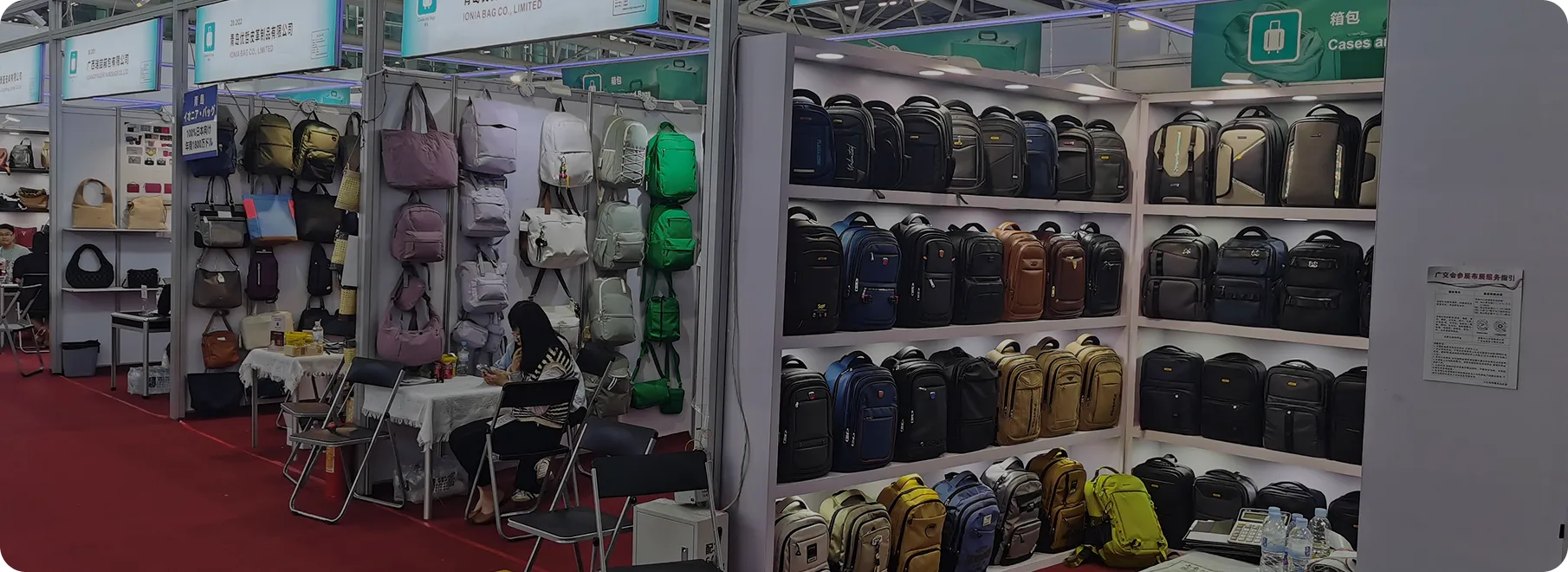
Una mala elección de bolsa crea frustración diaria. Tus zapatos se mezclan con ropa limpia, tu botella de agua gotea y tu equipo se siente desorganizado y difícil de agarrar. La solución es simple: entiende la verdadera diferencia entre una bolsa de gimnasio y una bolsa de viaje antes de comprar o conseguir una.
Una bolsa de gimnasio suele ser más pequeña, más organizada y construida para los elementos esenciales del gimnasio, entrenamientos diarios y desplazamientos cortos. Una bolsa de viaje o bolsa de viaje es a menudo más grande, más flexible y mejor para viajar, deportes y llevar equipo adicional. La mejor opción depende de tu rutina, necesidades de almacenamiento y la cantidad que planeas llevar.

¿Qué es una bolsa de gimnasio?
¿Qué es una bolsa de duffle o bolsa de viaje?
¿Cuáles son las principales diferencias entre una bolsa de duffle y una bolsa de gimnasio?
¿Cuál es la mejor bolsa para entrenamientos?
¿Cuándo deberías usar una bolsa de duffle como bolsa de viaje?
¿Cómo se comparan tamaño, forma y diseño del compartimento?
¿Qué materiales y características son más importantes?
¿Es una mochila mejor que una bolsa de gimnasio o duffel?
¿Cómo eligen los compradores B2B el proveedor de bolsas personalizadas adecuado?
¿Qué bolsa se adapta mejor a tus necesidades?
Una bolsa de gimnasio está diseñada para el uso diario enfocado en el fitness. En la mayoría de los casos, una bolsa de gimnasio es más pequeña que una bolsa de viaje y está hecha para llevar tus zapatos, toalla, ropa de gimnasio, artículos de tocador y una botella de agua sin ocupar demasiado espacio. Si te diriges al gimnasio antes o después del trabajo, este tipo de bolsa mantiene tu rutina simple.
En términos prácticos, las bolsas de gimnasio están diseñadas en torno a la conveniencia. Muchas incluyen una sección para zapatos, un bolsillo húmedo para ropa sudorosa y una o dos áreas de acceso rápido para llaves, teléfonos y auriculares. Esa organización facilita la separación de artículos limpios y sucios, lo cual es muy importante durante los días de semana ocupados y sesiones de gimnasio regulares.
Desde una perspectiva de fabricación, a menudo vemos a los compradores elegir una bolsa de gimnasio cuando quieren un producto más ligero, compacto y que esté más en línea con el mercado para uso diario. Es especialmente popular entre marcas de fitness, compradores de regalos promocionales y vendedores de comercio electrónico que buscan un producto práctico que se sienta moderno y esencial.
Una bolsa de duffle y una bolsa de viaje son generalmente del mismo categoría de producto, solo con dos formas comunes de escribirlo. Esta bolsa suele ser más grande, más suave en estructura y más abierta por dentro. Muchas personas usan una bolsa de duffle para deportes, viajes por carretera, equipo de equipo, e incluso como bolsa de viaje para una escapada de fin de semana.
Tradicionalmente, una bolsa de duffle tiene un cuerpo redondeado o ligeramente cilíndrico con una gran abertura en la parte superior. Muchas bolsas de duffle vienen con correas para el hombro, asas de transporte y una amplia sección principal. Ese diseño más grande funciona bien para personas que necesitan llevar más ropa, zapatos, toallas y accesorios que un usuario estándar de gimnasio.
En el desarrollo de bolsas al por mayor, muchos compradores eligen una bolsa de duffle porque ofrece un mayor atractivo en el mercado. Se puede vender como una bolsa de deporte, bolsa de noche, bolsa promocional o incluso como una bolsa de viaje para viajes cortos. Ese tipo de uso versátil la convierte en una categoría de producto fuerte para importadores, minoristas y marcas de marca privada.
Cuando las personas preguntan sobre bolsa vs bolsa de gimnasio o bolsa de duffle vs bolsa de gimnasio, generalmente quieren una respuesta simple. La verdadera diferencia no es solo el tamaño. También tiene que ver con el propósito, la forma, el diseño del almacenamiento y cómo funciona la bolsa en la vida diaria. Estas son las diferencias clave que realmente importan.
Una bolsa de gimnasio se centra en el uso para fitness. Una bolsa de duffle se centra en la flexibilidad y el volumen. Una bolsa de gimnasio a menudo incluye más organización interna para artículos personales, mientras que muchos estilos de duffle utilizan un gran compartimento más unos pocos bolsillos laterales. Por eso las bolsas de duffle y las bolsas de gimnasio pueden parecer similares al principio, pero su uso principal suele ser diferente.
Aquí hay una comparación clara:
| Característica | Bolsa de gimnasio | Bolsa de duffle / Bolsa de viaje |
|---|---|---|
| Uso principal | Fitness, entrenamientos, desplazamientos | Viajes, deportes, viajes cortos |
| Talla | Compacta a mediana | Mediana a grande |
| Almacenamiento | Más organizada compartimento diseño | A menudo más abierta con amplio espacio |
| Portabilidad | Fácil para llevar diariamente | Mejor cuando llevas mucho llevar muchas cosas |
| Lo mejor para | Artículos esenciales para el entrenamiento, zapatos, artículos de tocador | Ropa extra, equipo de viaje, deportes de equipo |
| Usuario típico | Asistente diario al gimnasio | Viajeros, atletas, usuarios de fin de semana |
En términos simples de bolsa vs bolsa de gimnasio, la bolsa y una bolsa de gimnasio pueden compartir algunas características, pero lo que realmente las distingue es cómo cada una está destinada a ser utilizada.
Si tu rutina principal es el fitness, una bolsa de gimnasio es generalmente la bolsa adecuada. Te da la estructura que necesitas para zapatos, toalla, artículos de tocador y un cambio de ropa. Un tamaño compacto también ayuda si viajas en coche, autobús o tren y no quieres algo demasiado voluminoso.
Para la mayoría de las personas, las bolsas de gimnasio vienen con pequeños detalles de diseño que respaldan una rutina de fitness constante. Un bolsillo húmedo, una sección para zapatos y espacio para los elementos esenciales del gimnasio son a menudo más útiles que simplemente tener más volumen. Cuando te mueves rápido, una buena bolsa de gimnasio mantiene tus pertenencias fáciles de encontrar.
Dicho esto, tu bolsa podría necesitar más espacio si llevas zapatos de levantamiento, atuendos adicionales, recipientes de comida o artículos de viaje después del trabajo. En esos casos, algunas personas optan por una bolsa de lona mediana. Aquí es donde elegir la bolsa adecuada depende de tu estilo de vida real, no solo del nombre del producto.
Una bolsa de lona se convierte en la opción mejor cuando tus necesidades van más allá de los entrenamientos. Si empacas para un viaje de fin de semana, una estadía nocturna o un evento deportivo, el espacio extra importa. Por eso muchas personas utilizan una bolsa de lona para viajar y no solo para el gimnasio.
A muchos viajeros les gustan las bolsas de lona porque son simples y flexibles. Pueden contener ropa doblada, zapatos, cargadores y otros equipos diarios en un solo lugar. Las bolsas de lona te dan más libertad cuando no necesitas la estructura rígida de una maleta. Algunos usuarios incluso confían en ellas como una bolsa de noche para viajes rápidos de negocios o de ocio.
Desde el lado de la planificación del producto, a menudo decimos a los compradores B2B que una bolsa de lona es perfecta para viajar cuando el cliente objetivo quiere una bolsa para múltiples usos. Puede funcionar para deportes, transporte diario y viajes cortos al mismo tiempo. Ese caso de uso más amplio es por qué muchos productos de lona funcionan bien en el comercio minorista y en los canales en línea.

La forma más fácil de comparar una bolsa de lona con una bolsa de gimnasio es observar la forma y el almacenamiento. Un diseño enfocado en el gimnasio generalmente tiene un perfil más compacto, mientras que una bolsa de lona a menudo tiene un cuerpo más amplio con espacio adicional. En la mayoría de los casos, la versión de gimnasio es más fácil para rutinas rápidas diarias, mientras que la bolsa de lona es mejor para cargas más grandes.
Un diseño de compartimentos puede cambiar toda la experiencia del usuario. Una bolsa de gimnasio a menudo incluye secciones diseñadas para zapatos, toallas y pequeños objetos de valor. Muchos usuarios de gimnasio aman eso porque les ayuda a mantener los objetos sucios y limpios por separado. En contraste, muchas bolsas de lona y muchas bolsas de lona están diseñadas con una apertura principal y menos separadores.
Esto importa mucho en adquisiciones y diseño. Los compradores a menudo preguntan si las bolsas están diseñadas para alta organización o almacenamiento amplio. La respuesta da forma al producto. Las bolsas compactas son adecuadas para los viajeros activos. Las bolsas más grandes son adecuadas para equipos deportivos, compradores de viaje y usuarios que necesitan llevar artículos adicionales.
Los materiales utilizados en una bolsa afectan la durabilidad, apariencia y precio. La mayoría de las bolsas están hechas de poliéster, nylon, lona o mezclas con superficies recubiertas para resistencia al agua. Algunos productos de primera calidad también utilizan PU, acentos de cuero o tela reciclada. El mejor material depende del mercado objetivo y del estilo personal.
Si el producto es para uso activo, una tela ligera y fácil de limpiar es a menudo la mejor. Si está diseñado para moda, regalos o venta al por menor de estilo de vida, la textura y el acabado son más importantes. A menudo vemos a compradores solicitar materiales como poliéster ripstop, nylon resistente al agua o resistente bolsos de lona cuando quieren un equilibrio entre costo y resistencia.
Aquí están las características que muchos compradores ahora solicitan:
Sección para zapatos
Bolsillo húmedo/seco
Bandolera ajustable
Funda para laptop o tablet
Portabotellas para una botella de agua
Panel inferior reforzado
Área de marca para OEM o marca privada
Sistema de cremallera ligero pero resistente
Las buenas bolsas ofrecen más que almacenamiento. Apoyan rutinas reales. Para los compradores B2B, la mezcla de características adecuada puede ayudarte a hacer un producto más útil y fácil de vender.
A veces, la verdadera comparación no es solo bolsa de lona vs bolsa de gimnasio. También es si una mochila es una opción más inteligente. Una mochila funciona bien para el transporte diario sin manos, el transporte público, el ciclismo, y rutinas mixtas de trabajo-gimnasio. Distribuye el peso de manera más uniforme y a menudo se siente más cómoda a lo largo de distancias largas. mochila Aún así, una mochila no siempre es la mejor para ropa húmeda, zapatos o artículos deportivos más grandes. Una bolsa de lona o un diseño de gimnasio puede ser más fácil de empacar y desempacar rápidamente. Si estás llevando una toalla, zapatos, un cambio de ropa y artículos de ducha, una bolsa deportiva de apertura lateral puede simplemente funcionar mejor que un diseño de mochila estrecho.
Aquí hay una guía simple:
Bolsa de gimnasio
| Tipo de bolsa | Mejor uso |
|---|---|
| Entrenamientos diarios, transporte de fitness compacto | Bolsa de lona / bolsa de lona |
| Viajes, deportes, almacenamiento más grande | Transporte, combinación de trabajo + gimnasio, transporte sin manos |
| Mochila | Bolsa de mano |
| Transporte ligero, uso casual en la ciudad | Entre los muchos tipos de bolsas, cada una tiene un papel. Una bolsa de mano es estilosa y ligera, una mochila es práctica, y las bolsas deportivas se centran en el rendimiento. La mejor opción depende de cómo te mueves durante el día. |
¿Cómo eligen los compradores B2B al proveedor de bolsas personalizadas adecuado?
En nuestro trabajo de OEM, ODM y marca privada, los compradores a menudo preguntan sobre requisitos de tamaño, opciones de tela, métodos de logo y empaque. Algunos quieren una bolsa de gimnasio compacta para uso promocional. Otros quieren una bolsa de lona versátil como bolsa de viaje lista para la venta. Algunos quieren una línea de productos que pueda servir para el mismo propósito en los mercados de fitness, viajes y estilo de vida.
Un proveedor confiable debería ayudarte a:
Revisar el usuario objetivo
Definir el uso principal
Confirmar el tamaño y la estructura de compartimentos adecuados
Recomendar tela y hardware adecuados
Recomendar el tejido y los herrajes adecuados
Equilibra la calidad con el precio objetivo
Planifica la producción en masa y el control de calidad
Ese proceso ayuda a los compradores a tomar una decisión informada antes de que comience la producción.
La verdad es simple. La bolsa perfecta para tus necesidades depende de lo que transportes y a dónde vayas. Si en su mayoría te diriges al gimnasio, una bolsa de fitness compacta con mejor organización es probablemente la mejor opción. Si viajas a menudo, empacas más, o quieres una bolsa para deportes y fines de semana, una bolsa de viaje puede ser mejor.
Piensa en tu rutina real. ¿Solo llevas zapatos, artículos de tocador y ropa de entrenamiento? ¿O también quieres llevar ropa extra, cargadores y artículos de viaje? ¿Estás comprando una bolsa personal, o eres un comprador que planea una línea personalizada completa para clientes globales? Estas preguntas son importantes porque la bolsa adecuada puede facilitar mucho el uso diario.
Para B2B clientes, la respuesta a menudo es la segmentación del producto. Un estilo de gimnasio compacto para fitness diario. Una bolsa de viaje mediana para uso retail múltiple. Quizás una mochila para quienes se desplazan. Esa estrategia de tres partes puede abarcar diferentes usuarios mientras mantiene la colección enfocada y comercial.

¿Es una bolsa de viaje lo mismo que una bolsa de gimnasio?
No exactamente. Una bolsa de gimnasio está más enfocada en el entrenamiento, mientras que una bolsa de viaje suele ser más grande y flexible para viajar, deportes y almacenamiento extra.
¿Puedo usar una bolsa de viaje para el gimnasio?
Sí. Muchas personas usan una bolsa de viaje para entrenar, especialmente si necesitan llevar zapatos, toallas, comidas y ropa extra. Funciona bien cuando quieres más espacio.
¿Es mejor una bolsa de gimnasio que una mochila?
Depende. Una mochila es mejor para desplazamientos y viajes sin manos. Una bolsa de gimnasio es mejor cuando quieres acceso rápido a zapatos, toallas y artículos post-entrenamiento.
¿Qué tamaño de bolsa es mejor para el uso diario en el gimnasio?
Una bolsa de gimnasio mediana o compacta suele ser suficiente para el uso diario. Debe caber zapatos, una toalla, ropa de gimnasio, artículos de tocador y una botella de agua sin sentirse demasiado grande.
¿Por qué muchos compradores eligen bolsas de viaje para marca privada?
Porque las bolsas de viaje también sirven como bolsas deportivas, bolsas de noche y productos de viaje. Ese atractivo más amplio facilita posicionarlas en múltiples canales de venta.
¿Cómo elijo una que se ajuste a mis necesidades?
Comienza con tu rutina, volumen de equipaje y tipo de usuario. Luego compara organización, peso y comodidad. Eso te ayudará a tomar la mejor decisión y encontrar la que se ajuste a tus necesidades.
Una bolsa de gimnasio es mejor para entrenamientos, transporte diario y almacenamiento eficaz para el fitness.
Una bolsa de viaje o bolsa de viaje es mejor cuando necesitas más espacio para viajar o hacer deporte.
Las principales diferencias clave son el tamaño, el caso de uso y el diseño de almacenamiento.
Una mochila puede ser mejor para el desplazamiento, pero no siempre para zapatos y equipos mojados.
Las buenas bolsas vienen en varias formas y usos, así que ajusta la bolsa a tu rutina real.
Para los compradores B2B, el éxito del producto depende de un diseño inteligente, materiales adecuados y una producción OEM confiable.
La mejor bolsa es la que realmente se adapta a tus necesidades.

Le responderemos en un plazo de 24 horas. Si para el caso urgente, por favor agregue WhatsApp/WeChat: +86 15066236153,. O llame directamente al +86 17657177170.
*Respetamos su confidencialidad y toda la información está protegida.
Sólo utilizaremos sus datos para responder a su consulta y nunca le enviaremos correos electrónicos o mensajes promocionales no solicitados.
 último blog
