





Cartera Bifold vs Trifold: ¿Qué cartera le conviene más?
02 de marzo de 2026
Usted quiere una cartera que le siente bien en el bolsillo, que contenga lo que lleva y que dure. Pero la elección equivocada puede abultar, doblar las tarjetas o desgastarse rápidamente. En esta guía, voy a desglosar las diferencias reales entre una cartera bifold y una trifold, para que puedas elegir con confianza.
Una billetera bifold suele ser mejor si deseas una sensación más delgada y acceso rápido a tarjetas y efectivo, mientras que una billetera trifold es mejor si necesitas espacio extra y una organización más robusta. La diferencia clave es la estructura: dos secciones frente a tres secciones, lo que cambia el grosor, la capacidad y la comodidad.
cartera
Conceptos básicos de billeteras: ¿cuál es la diferencia entre una bifold y una trifold?
Bifold vs trifold: ¿qué estilo de billetera se siente más delgada en los bolsillos reales?
¿Cuántas ranuras para tarjetas realmente necesitas para tarjetas y efectivo?
Las billeteras trifold ofrecen más espacio de almacenamiento, pero ¿cuándo se vuelve voluminoso?
La billetera bifold se pliega una vez: ¿significa eso acceso más rápido?
Calidad de la billetera de cuero: ¿qué es el “mejor cuero” y qué deberías evitar?
Diferencia de precio entre una bifold y una trifold: ¿qué cambia el costo?
Tecnología de bloqueo RFID: ¿la necesitas en una billetera nueva?
Elegir una billetera para trabajo, viajes y marcas al aire libre: ¿qué tipo de billetera gana?
Elegir una billetera con OEM/ODM: cómo los propietarios de marcas personalizan bifolds vs trifolds
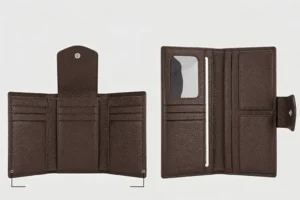
Hagamos esto simple. La diferencia entre una billetera bifold y una trifold es cuántas veces se pliega.
Una billetera bifold se pliega una vez; piensa en un pliegue simple, abriendo como un libro en dos secciones.
Una billetera trifold se pliega dos veces: se pliega en tres secciones, como un folleto.
Esa estructura crea la diferencia clave: una bifold generalmente tiene un perfil delgado, mientras que una trifold puede llevar más, pero puede volverse más voluminosa si la llenas en exceso.
Si has oído el clásico debate bifold vs trifold, se trata realmente de una pregunta: ¿quieres comodidad delgada o espacio extra y mejor organización? cartera debate, en realidad se trata de una pregunta: ¿desea más comodidad o más espacio y mejor organización?
Aquí es donde aparece la verdad del “confort diario”.
Una bifold suele ser la mejor opción si te importa un diseño delgado. Dado que es solo un pliegue, las capas se apilan menos. Muchas personas cambian a una bifold porque una trifold puede sentirse voluminosa en un bolsillo delantero, especialmente con jeans.
Una trifold aún puede ser compacta en altura, pero el grosor es el compromiso. Las billeteras trifold son más voluminosas porque apilan más capas en el medio.
Puntuación de sensación en el bolsillo (típica):
Billetera bifold: sensación de billeteras delgadas, más fácil de sentarse, aspecto elegante
Billetera trifold: más capas, más estructura, puede sentirse más voluminosa
Si tu billetera podría pasar horas bajo tu peso (bolsillo trasero), esto importa aún más. Una billetera más gruesa puede acelerar el desgaste y el desgarro en las costuras y bordes con el tiempo.
La mayoría de las personas sobreestiman lo que necesitan. He visto esto una y otra vez en muestreo B2B y pedidos en cantidad: los compradores piden “más ranuras para tarjetas”, luego después solicitan una revisión delgada después de la prueba en la vida real.
Pregúntate dos cosas:
¿Cuál es tu número de tarjetas que realmente llevas a diario?
¿Llevas tarjetas de visita o recibos a menudo?
Aquí tienes una guía práctica:
Carga minimalista (3–6 tarjetas): bifold o un estilo de billetera minimalista funciona muy bien
Carga media (7–10 tarjetas): bifold con varias ranuras para tarjetas puede seguir funcionando
Carga pesada (10–15+ tarjetas): trifold a menudo gana porque agrega espacio extra para tarjetas y mantiene las cosas separadas
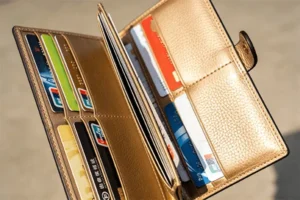
Las billeteras trifold ofrecen más espacio de almacenamiento debido al panel extra. Ese panel extra puede agregar más ranuras para tarjetas y un área de billetes más profunda.
Pero aquí está la trampa: más capacidad puede tentarte a llevar cosas innecesarias. Así es como las billeteras tienden a convertirse en mini cajones.
cartera
Las billeteras trifold ofrecen un beneficio obvio: espacio y mejor organización. Puedes separar:
tarjetas diarias
tarjetas de respaldo
tarjetas de membresía
recibos
incluso una pequeña foto o nota
Por eso las billeteras trifold pueden adaptarse a compradores que llevan muchas tarjetas, tarjetas de viaje o identificaciones para obras.
Pero si llenas cada ranura, la billetera se vuelve voluminosa rápidamente. El pliegue del medio se convierte en un punto de presión. Ahí es cuando una trifold puede sentirse rígida, especialmente con cuero grueso.
Una regla útil que comparto con los clientes:
Si llenas más del ~70% de la capacidad, elige un tipo de billetera más grande, o reduce lo que llevas.
Además, el manejo del efectivo difiere. Los billetes bifold generalmente se colocan más planos; los billetes trifold pueden sentirse más comprimidos cuando la billetera está ajustada.
Sí, la mayoría de las veces.
Debido a que una bifold se abre plana, obtienes acceso rápido a tus tarjetas más utilizadas. Cuando estás pagando en un mostrador, no quieres “desplegar un mapa”. Por eso las billeteras clásicas como la bifold tradicional siguen siendo populares.
Una trifold añade un paso. La abres, luego abres una solapa. No es difícil, pero es más lento.
Si la velocidad importa -desplazamientos, café, verificación de credenciales en ferias comerciales- una bifold a menudo se siente más natural.
Cheque de la vida real: Si usas tarjetas y efectivo a diario, y quieres un movimiento suave, opta por un bifold.
Una cartera no es solo una forma. El material decide cómo envejece.
Cuando los compradores me piden una cartera de alta calidad, generalmente comienzo con los fundamentos del cuero:
El cuero de grano completo mantiene el grano natural y a menudo se posiciona como premium y duradero por muchas marcas y educadores de cuero.
El cuero de grano superior a menudo es lijado/pulido para lograr una apariencia más uniforme y se usa ampliamente en bienes de consumo.
Si quieres esa sensación de “mejora con la edad”, elige una cartera hecha de materiales premium como el cuero de grano completo (o al menos cuero de grano superior fuerte de una curtiduría/marca reputada).
Qué evitar (banderas rojas comunes):
cuero “genuino” muy fino con un revestimiento pesado (a menudo se agrieta antes)
costura débil en las líneas de plegado (ahí es donde las carteras soportan más estrés)
cuero excesivamente rígido en un trifold (puede afectar el doble pliegue)
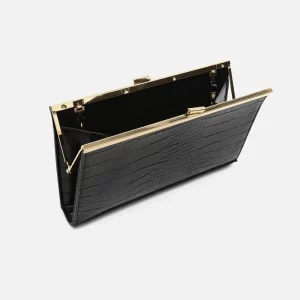
Cartera delgada negra de cuero sintético con cadena dorada desmontable
La diferencia de precio entre una cartera bifold y una trifold generalmente proviene de:
más paneles (cortes de cuero adicionales)
más material de forro
más tiempo de costura
más construcción y refuerzo de compartimentos
En producción OEM y de marca privada, los diseños trifold a menudo requieren más mano de obra. Eso no siempre significa “caro”, pero puede aumentar el costo a gran escala.
Aquí tienes una tabla simple de factores de costo al estilo B2B:
| Factor de costo | Cartera bifold | Cartera trifold |
|---|---|---|
| Uso de cuero | Medio | Medio-Alto |
| Tiempo de costura | Medio | Alta |
| Complejidad del patrón | Bajo-Medio | Medio-Alto |
| Áreas de enfoque de QC | Bordes de pliegue | Bordes de pliegue + pila central |
| Mejora común | Perfil delgado | Espacio extra |
Así que sí, puede haber una diferencia de precio, pero la calidad del material (como hecha de cuero de alta calidad) a menudo importa más que el conteo de pliegues.
Mantengámoslo práctico.
La tecnología de bloqueo RFID puede ayudar a reducir el riesgo de escaneo no autorizado de tarjetas habilitadas para RFID mediante el uso de materiales de blindaje (a menudo descritos como una “barrera” o efecto de jaula de Faraday).
¿Lo necesitas? Depende de tu situación:
Si viajas mucho, asistes a eventos concurridos o llevas tarjetas habilitadas para RFID: puede ser un buen complemento.
Si tus tarjetas no usan RFID sin contacto (o rara vez te preocupa esto): puede que no te importe.
Una nota de fabricación: Los revestimientos RFID pueden cambiar ligeramente el
Diferentes compradores necesitan diferentes tipos de carteras. Así es como guío a los clientes B2B: importadores, propietarios de marcas y proveedores promocionales, cuando eligen una cartera para una línea de productos.
Si es para una apariencia comercial limpia, un bifold elegante a menudo gana. Se adapta a los bolsillos de los trajes, se abre de manera limpia y se siente clásico.
Mejor ajuste: bifold, perfil delgado, ranuras para tarjetas simples
Por qué: uso rápido, menos voluminoso, apariencia premium
Los viajeros a menudo llevan más: ID adicionales, boletos, tarjetas de respaldo. Ahí es donde un trifold puede brillar.
Mejor ajuste: trifold, espacio extra, mejor organización
Por qué: separa elementos, maneja el transporte “por si acaso”
Las marcas de exterior a menudo buscan durabilidad y acceso simple. Un bifold en cuero resistente o tela técnica puede ser ideal. Los trifolds también pueden funcionar, pero deben estar reforzados en los puntos de pliegue.
Mejor ajuste: bifold (o híbrido), costura fuerte, fácil acceso
Por qué: menos capas = menos puntos de estrés
Por eso, el “monedero a elegir” depende de dónde lo lleves y qué lleves, no solo del estilo.
Si solo lees una parte, lee esto.
| Tu prioridad | Elige este estilo de billetera | ¿Por qué? |
|---|---|---|
| ¿Quieres una delgada? llevar | Billetera bifold | menos capas, sensación más delgada |
| Llevar muchas tarjetas | Billetera trifold | más paneles, más almacenamiento |
| ¿Quieres acceso rápido? | Bifold | se abre plano, uso más rápido |
| Odias el bulto en los bolsillos | Bifold | menos grosor en la pila |
| Necesitas organización | Trifold | las secciones ayudan a ordenar los artículos |
| Te gusta llevar lo minimalista | Billetera minimalista / bifold delgado | reduce el desorden |
Y sí, tanto el bifold como el trifold pueden ser “correctos”. La billetera es mejor cuando coincide con tus hábitos.
Compartiré un patrón típico que veo como fabricante de bolsas personalizado con sede en China que apoya programas OEM/ODM y de marca privada para compradores B2B globales.
Un proveedor promocional quería un regalo “impresionante” dentro de un presupuesto objetivo. Comenzaron con un diseño trifold porque “más espacios para tarjetas se siente premium.” En la muestra, la retroalimentación fue contundente: “Es demasiado grueso.”
Cambiamos a un bifold más delgado con:
menos espacios para tarjetas, pero diseño más inteligente
pintura de borde más limpia
capa RFID opcional (delgada)
Resultado: menos quejas, mayor tasa de reorden.
Una marca de viajes necesitaba una billetera que pudiera manejar la vida en el aeropuerto: múltiples tarjetas, recibos y una herramienta para SIM. Tanto el trifold como el bifold se probaron bien, pero el trifold ganó porque ofrecía espacio adicional y “todo tiene su lugar.”
Reforzamos la costura del pliegue central para reducir el desgaste y usamos un forro más suave para que se doblara suavemente.
Si eres un comprador B2B—importador, distribuidor, vendedor de comercio electrónico o propietario de marca—esta lista de verificación ahorra tiempo:
Estilo de billetera objetivo: bifold, trifold o minimalista
Dimensiones + límites de grosor (especialmente si quieres un perfil delgado)
Capacidad de tarjetas: “cabe X tarjetas cómodamente” (no “tiene 12 espacios”)
Elección de cuero: grano completo / grano superior / alternativas de PU
Forro: tela, cuero, capa RFID (si es necesario)
Hardware: bolsillo de monedas con cremallera o ninguno
Marca: desgrabado, estampado en caliente, logo de metal, embalaje de marca privada
Estándares de control de calidad: densidad de puntadas, pruebas de pintura de bordes, pruebas de ciclo de plegado
Necesidades de cumplimiento: restricciones de materiales, reglas de etiquetado, solicitudes de pruebas
Así es como pasas de la idea de 'una cartera hermosa' a un producto repetible.
¿Qué es mejor, una cartera bifold o trifold?
Una bifold es mejor si quieres una sensación más delgada y un uso más rápido. Una trifold es mejor si necesitas más organización y capacidad. La mejor elección depende de la comodidad de tu bolsillo y de cuántas tarjetas llevas.
¿Las carteras trifold ofrecen más ranuras para tarjetas que las bifold?
Sí. Las carteras trifold ofrecen más espacio para ranuras para tarjetas porque tienen un panel extra (tres secciones).
¿Cuál es la diferencia entre una bifold y una trifold en el uso diario?
Una bifold se abre plana y es más rápida para el pago. Una trifold añade más almacenamiento pero puede sentirse más comprimida cuando está llena, especialmente para efectivo.
¿La tecnología de bloqueo RFID hace que una cartera sea más gruesa?
Puede, dependiendo de la capa de protección. Muchas carteras RFID utilizan una capa forrada de metal para bloquear el escaneo, y esa capa puede añadir un poco de grosor.
¿Qué material de cartera de cuero dura más?
Muchas guías describen el cuero de plena flor como duradero porque la textura natural permanece sin alteraciones, mientras que el cuero de grano superior a menudo se pule para uniformidad. Ambos pueden durar bien cuando se fabrican y cosen adecuadamente.
¿Cómo decido qué cartera elegir para un lanzamiento de marca blanca?
Comienza con tu persona compradora y estilo de carga: bifold delgada para un transporte minimalista diario, trifold para un transporte de mayor capacidad. Luego, bloquea las especificaciones (tamaño, capacidad de tarjeta, cuero, marca) para que puedas escalar de manera confiable.
Cartera Bifold = generalmente más delgada, más rápida y más cómoda en los bolsillos
Cartera Trifold = más organización y espacio extra, pero puede ser voluminosa
La diferencia entre bifold y trifold es la estructura: dos secciones vs tres secciones
El material importa: elige una cartera de cuero duradera y costura fuerte en los puntos de plegado. RFID es opcional: úsalo cuando se ajuste a tu riesgo y tus objetivos de grosor.
Para la obtención B2B, especificaciones claras siempre superan a 'más características'.
Le responderemos en un plazo de 24 horas. Si para el caso urgente, por favor agregue WhatsApp/WeChat: +86 15066236153,. O llame directamente al +86 17657177170.
*Respetamos su confidencialidad y toda la información está protegida.
Sólo utilizaremos sus datos para responder a su consulta y nunca le enviaremos correos electrónicos o mensajes promocionales no solicitados.
 último blog
