





How to Vet a Women’s Backpack Manufacturer for Brands: OEM vs ODM vs Private Label
July 08, 2026
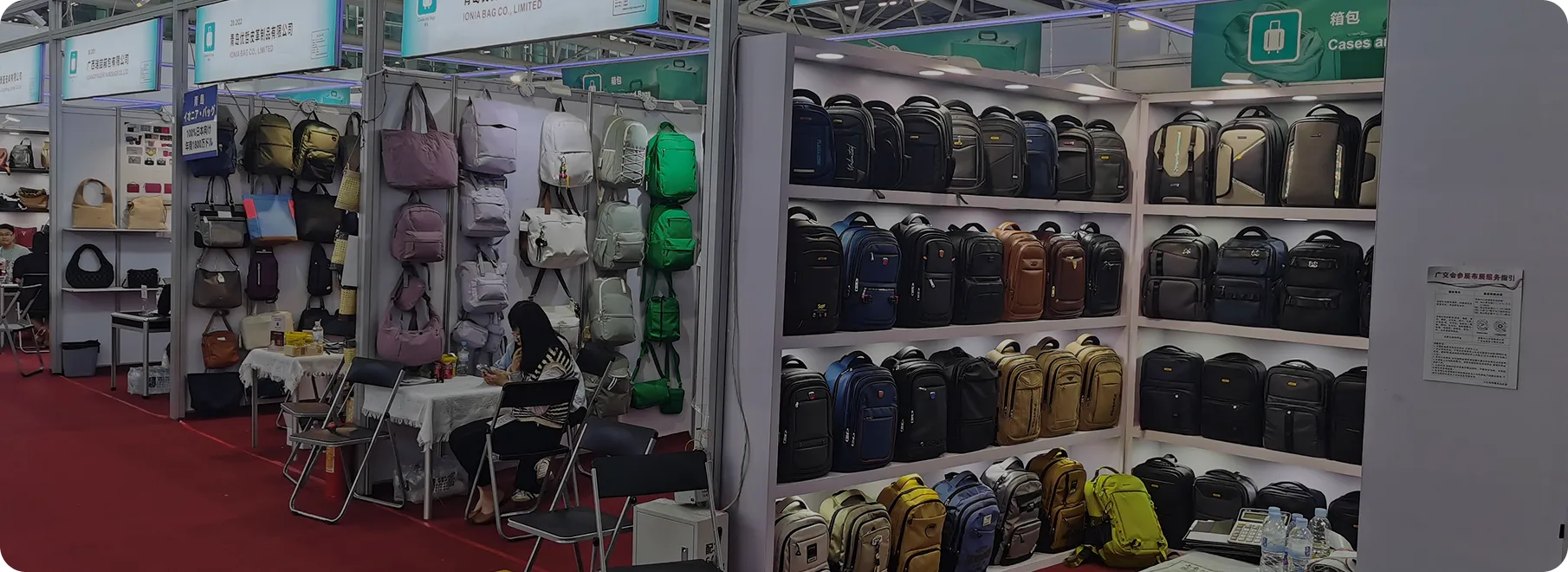
By the IONIA BAG Sourcing & Production Team — factory-direct bag manufacturer (est. 2010), Chengyang District, Qingdao, China Published: July 8, 2026
A women’s backpack manufacturer for brands is a factory that owns the production line — cutting, sewing, hardware assembly, and packing — rather than outsourcing it. Vetting one means confirming who controls materials and quality, and whether you need OEM, ODM, or private label before you request a sample.
Below is how the three models differ, what an in-house factory actually controls, and a step-by-step way to qualify a supplier instead of taking a capability page at face value.
How to Vet a Women’s Backpack Manufacturer for Brands: OEM vs ODM vs Private Label
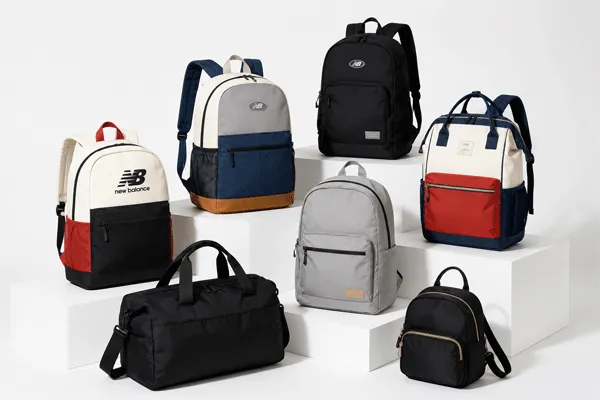
These three terms describe who owns the design, and getting them straight before your first inquiry saves weeks of back-and-forth.
OEM (Original Equipment Manufacturer) means you bring the design, tech pack, and specifications, and the factory builds exactly to them. You own the design and the mold; the factory owns the execution.
ODM (Original Design Manufacturer) means the factory already has a design — a bag shape and construction it developed — and you adapt it: change the fabric, add pockets, restyle the hardware, apply your logo. You get to market faster because the base pattern already exists.
Private label sits closest to ready-made. You take an existing factory product, put your brand on it, and adjust packaging and small details. Design change is minimal; branding is the point.
| Model | Who owns the design | Best for | What you must supply | Main trade-off |
| OEM | The brand | A distinct product with a look competitors can’t buy off the shelf | Full tech pack, specs, samples or drawings | Longest development time; highest input from you |
| ODM | The factory (adapted for you) | Faster launches that still feel custom | Logo, material/color choices, pocket or strap changes | Base silhouette is shared with other buyers |
| Private label | The factory | Filling a catalog gap or testing a category | Logo and packaging artwork | Least differentiation from similar products |
A useful shorthand: OEM is “your design, their factory”; ODM is “their design, your adjustments”; private label is “their product, your label.” Many brand owners think they need OEM when an ODM adaptation would launch in half the time — and that misread is one of the more expensive ones.
How to Vet a Women’s Backpack Manufacturer for Brands: OEM vs ODM vs Private Label
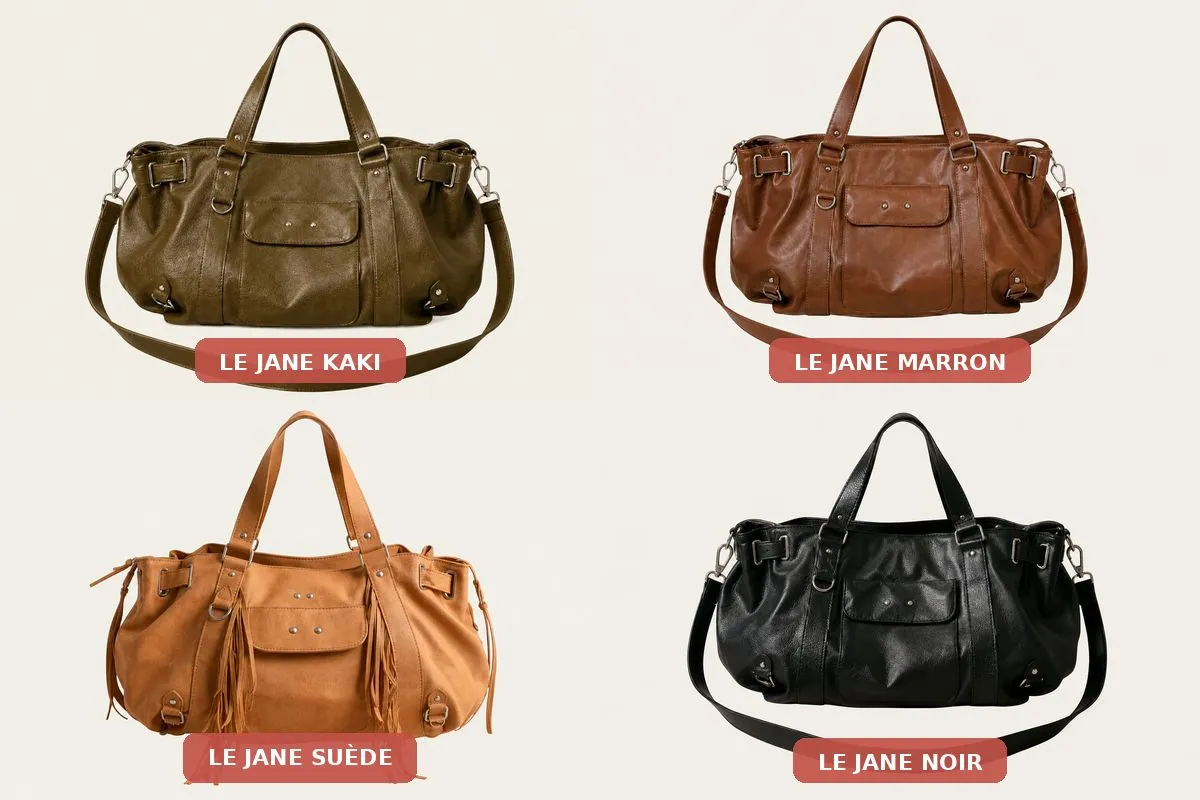
A factory-direct manufacturer runs cutting, sewing, hardware assembly, and quality control under one roof. A trading company sits between you and one or more factories it doesn’t operate.
That structural difference shows up in four places that matter to a brand owner. Cost transparency: with a factory, the quote reflects materials and labor you can trace; a trading layer adds margin you often can’t see. Communication: a factory can answer a stitching or hardware question the same day, while an intermediary relays it. Sample control: an in-house sampling room can iterate on a strap or lining without re-briefing a third party. And accountability: when a bulk order drifts from the approved sample, you want the party that cut the fabric on the call, not a middleman.
IONIA BAG has run this factory-direct model since 2010, which is the lens the rest of this guide is written from — but the vetting steps apply to any supplier you’re comparing, factory or agent.
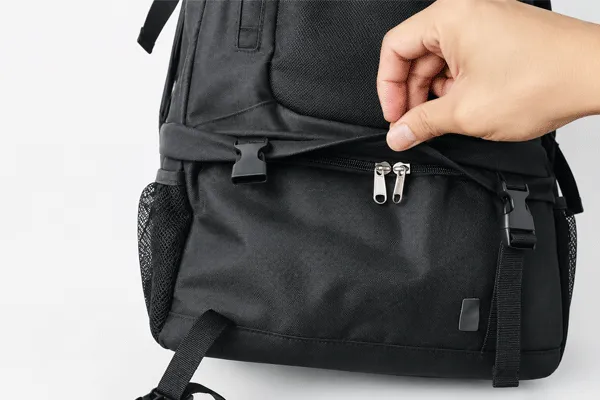
For a women’s backpack line, the customization that a factory-direct manufacturer can genuinely control breaks into five areas. These are the levers you’re actually buying access to when you go direct:
The same five levers cover a men’s line or a rucksack for brands — the construction language changes more than the process does, which is why a custom bag manufacturer for brands can usually quote across a women’s and men’s range from one conversation.
What a category page rarely gives you is the numbers behind these levers: capacity in liters, fabric weight, or hardware tolerances. Ask for the spec sheet on the exact model you’re quoting, because those figures decide whether the sample you approve is the product that ships.
Run these in order. Each step produces something you can verify, not just a reassuring answer.
1. Confirm it’s a factory, not a reseller. Ask for the factory address and a short video walkthrough of the line. A private label custom bag manufacturer that owns its production can show you the sewing floor; a trading desk will find reasons not to.
2. Fix your model before the first call. Decide OEM, ODM, or private label so the quote and lead time you get back are real, not a placeholder.
3. Request a pre-production sample and define “approved” in writing. Note the exact stitch, hardware, color, and measurement you signed off on, so bulk has a reference to match.
4. Separate in-house from sourced. Ask which materials and hardware are made in-house versus bought in, and request the bill of materials. This tells you where quality risk actually sits.
5. Verify certifications by document, not by logo. A badge on a webpage is not proof. Ask for the certificate name, number, issuing body, and validity date, and check them.
Agree on inspection rights before bulk. A factory confident in its output will accept buyer-specified third-party inspection. Put it in the terms before you place the order.
Compared with the typical China OEM/ODM capability page that opens with a “MOQ 50” headline and a strip of BSCI or ISO badges, real qualification looks less tidy and tells you far more.
A low minimum order tells you a factory will take a small first run. It says nothing about whether the fifth reorder matches the first — and consistency across repeat orders is where most private-label programs actually live or die. A certification badge is a claim until you’ve seen the certificate number and issuing body; general standards such as ISO 9001 (quality management), REACH, and California’s Prop 65 are commonly referenced across the bag and textile industry, but a manufacturer displaying the acronym is not the same as one handing you a valid, in-scope certificate. Treat those as things to verify, not badges to trust.
The edge case worth planning for: a supplier that samples beautifully but can’t hold that spec at 2,000 units. Sampling talent and production consistency are different skills, and step 3 plus step 6 above exist to catch the gap between them.
How to Vet a Women’s Backpack Manufacturer for Brands: OEM vs ODM vs Private Label
Factory-direct isn’t automatically the right call for every brand, so weigh both sides honestly.
On the upside, you get traceable pricing, same-day answers on construction questions, direct control over sampling and QC criteria, and the full customization depth described earlier. For a brand building a recognizable women’s backpack, that control is usually worth the extra involvement.
On the downside, going direct means you own more of the process. You write the QC criteria and coordinate parts of logistics that a trading agent might have bundled. A single factory’s material library may be narrower than an agent aggregating many suppliers, so an unusual fabric can mean sourcing lead time. And MOQ per material or colorway is a genuine constraint if your first run is very small — a factory geared for repeat bulk isn’t always the cheapest way to test twelve units. These are real limits, not deal-breakers; they just belong in your decision before you sign.
A: OEM means you supply the design and the factory builds to your specs, so you own the design. ODM means the factory supplies a base design you adapt with your own materials, hardware, and logo, which gets you to market faster but on a shared silhouette.
A: A low minimum helps for a first run, but it’s not the whole picture. IONIA BAG supports trial orders and a sampling-friendly workflow for new projects; ask for the exact MOQ tied to your chosen material and colorway, since that’s where the real minimum lives.
A: Don’t rely on badges. Request the certificate name, number, issuing body, and validity date, then confirm each one is current and in scope for your product. Standards like ISO 9001 and REACH are common industry references, but only a valid certificate proves compliance.
A: There’s no single public price. Cost depends on materials, construction, hardware, order volume, and packaging, so a meaningful figure only comes from a quote on your actual spec. Send the model and quantity you have in mind and request a factory quote.
A: Yes. The same five control areas — materials, structure, hardware, branding, and packaging — apply across a women’s and men’s range, so a custom bag manufacturer for brands can typically quote a rucksack line and a women’s line from one brief.
We will reply you within 24 hours. If for urgent case, please add WhatsApp/WeChat: +86 15066236153,. Or call +86 17657177170 directly.
*We respect your confidentiality and all information are protected.
We will only use your information to respond to your inquiry and will never send unsolicited emails or promotional messages.
 last blog
