









Производитель туристических рюкзаков на заказ для брендов: варианты ручной клади, объёма и упаковочных сумок
21 июля 2026 года
Техническая команда IONIA BAG | IONIA BAG CO., LIMITED | Опубликовано: 20 июля 2026 г.
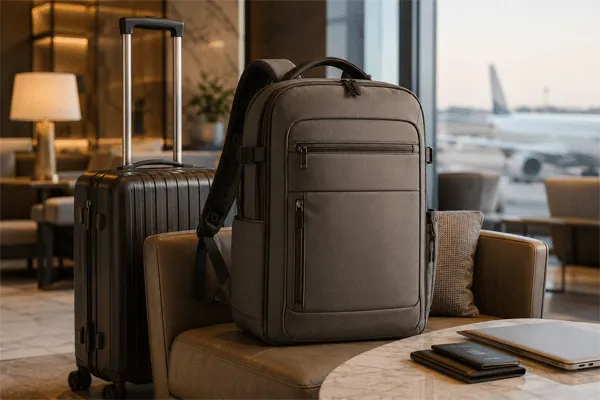
Рюкзак для путешествий Успех программы зависит от четырёх решений: внешних размеров, определения вместимости, веса материала и того, как вещь ведёт себя в заполненном состоянии. Всё остальное — расположение логотипа, цветовые решения, ярлыки — проще изменить позже. Зафиксируйте эти четыре параметра в техническом задании до начала изготовления образцов, и остальная часть процесса поиска поставщиков превратится в рутинную процедуру.
Это звучит очевидно. При этом именно этот шаг чаще всего пропускают владельцы брендов, поскольку списки поставщиков предоставляют им готовый набор терминов, который выглядит как техническое задание, но таковым не является.
Производитель туристических рюкзаков на заказ для брендов: варианты ручной клади, объёма и упаковочных сумок
Просмотрите страницы с подтипами китайских заводов и объявления на торговой площадке по туристические рюкзаки и вы будете снова и снова сталкиваться с одними и теми же двумя утверждениями: разрешен к провозу в салоне самолета и 40 л. Ни то, ни другое не является техническим заданием. Ни то, ни другое не может быть закреплено в заказе на поставку.
“Фраза ”разрешено к провозу в салоне» описывает результат, который зависит от авиакомпании, рейсом которой летит ваш клиент, а не от самой сумки. Авиаперевозчики самостоятельно публикуют свои ограничения на провоз ручной клади, вносят в них изменения, причем бюджетные авиакомпании в Европе и Азии часто устанавливают более строгие ограничения, чем традиционные перевозчики на том же маршруте. Сумка, прошедшая проверку у одного сотрудника на выходе на посадку, может быть маркирована на следующем. Ни один завод нигде не может гарантировать выполнение этого условия, а любой завод, который это делает, описывает скорее маркетинговое заявление, чем производственный допуск.
Версия, которую можно реально приобрести, представляет собой измерение: внешние размеры 50 × 32 × 20 см (в полностью упакованном виде, измерено при ослабленных стяжных ремнях), например. Это значение, которое инспектор по контролю качества может проверить с помощью рулетки, и именно этого значения можно требовать от завода.
Поэтому, прежде чем составлять короткий список производителей, сделайте следующее: найдите опубликованные ограничения на провоз ручной клади для трёх или четырёх авиакомпаний, которыми чаще всего летают ваши конечные клиенты, выберите самое строгое из них и вычтите запас на увеличение объёма, которое возникает у рюкзака с мягкими стенками, когда его набивают под завязку. Это число станет вашим максимальным ограничением при проектировании. Теперь вы сами определяете технические характеристики, и ваш завод будет производить продукцию в соответствии с вашими требованиями, а не наоборот — вам придется приспосабливаться к их требованиям.
Туристические рюкзаки делятся на три коммерческих формата. Бренды часто выбирают неподходящий вариант, поскольку ориентируются на объём в литрах, а не на то, как рюкзак используется в аэропорту.
| Рюкзак для ручной клади | Рюкзак для личных вещей | Рюкзак с клетчатым узором / в стиле «даффел» | |
| Находится там, где | Верхний багажный отсек | Под сиденьем впереди | В багаже или в ручной клади рядом с чемоданом на колесиках |
| Определяющее ограничение | Ограничения авиакомпании по размерам ручной клади | Норма авиакомпании по размерам багажа под сиденьем (как правило, более строгая из двух) | Допустимый вес, а не габариты |
| Стиль оформления, которого ожидают покупатели | Расстежка-молния типа «ракушка» / на всю длину | Верхняя или полупанель | Широкое горло в стиле «даффл», с застежкой сверху или U-образной молнией |
| Типичная розничная рамочная мастерская | “Путешествие с одной сумкой” | “Гибрид: на выходные и на работу” | “Набор для поездки, набор снаряжения” |
| Откуда берутся доходы | Не подходит по размеру, указанному конкретным оператором связи | Слишком жесткий, чтобы просунуть его под сиденье | Выход из строя застежки-молнии и ручки под нагрузкой |
| Сложность отбора проб | Высокая — допуски по размерам жесткие | Средний | Ниже |
| Естественное дополнение | Набор упаковочных кубов | Тонкий технологический чехол | Мешок для сжатия, мешок для обуви |
Ознакомление с этой таблицей, как правило, помогает внутренне разрешить спор. Если ваша клиентская база ориентирована на ближнемагистральные рейсы и чувствительна к цене, формат «личные вещи» является более безопасным первым SKU: ограничение по размерам под сиденьем является более строгим условием, поэтому рюкзак, разработанный с учётом этого требования, соответствует практически всем правилам салона, предъявляемым к более крупным сумкам. Если вы запускаете линейку премиум-класса с ограничением на одну сумку, ожидаемым форматом станет ручная кладь с откидной крышкой, а требования к габаритам должны быть гораздо более строгими.
Объем в литрах рассчитывается, а не измеряется, и не существует единого метода, который бы применялся на всех заводах. Некоторые измеряют только основной отсек. Некоторые включают в расчет все внешние карманы. Некоторые моделируют сумку как прямоугольную призму на основе внешних размеров, что значительно завышает показатель, поскольку при этом учитывается объем, занимаемый набивкой, каркасом и швами.
Именно в этом заключается разница между двумя упаковками объемом “40 л” от разных поставщиков, которая будет заметна вашему клиенту.
Три практических способа устранить неоднозначность в техническом задании:
Стоит упомянуть одно распространенное заблуждение: больший объем в литрах не означает, что рюкзак будет лучше продаваться. Если объем превышает допустимый лимит для ручной клади, это чаще всего становится причиной отказа в провозке рюкзака у выхода на посадку, а путешественники, берущие с собой только одну сумку, воспринимают рюкзаки больших размеров как признак того, что бренд не понимает особенности данной категории товаров.
Производитель туристических рюкзаков на заказ для брендов: варианты ручной клади, объёма и упаковочных сумок
СУМКА IONIA с 2010 года работает в Циндао в качестве производителя сумок, реализующего продукцию напрямую с завода, и занимается производством по схемам OEM, ODM и под частными торговыми марками, включая рюкзаки, сумки-тоут, спортивные сумки, сумки через плечо, сумки-кроссбоди, сумки-слинг, дамские сумочки, портфели, сумки для покупок, холщовые сумки, сумки для инструментов и кошельки, а также линейку товаров для домашних животных, включающую переноски, игрушки, лежанки и домики.
Что касается именно программы по производству туристических рюкзаков, настраиваемые размеры следующие:
Поскольку материалы, производственный процесс и контроль качества обеспечиваются собственными силами, а не передаются через торгового посредника, любые изменения в этих аспектах отражаются в виде непосредственной обратной связи с производством, а не в виде информации, прошедшей через посредников.
Примечание относительно опубликованных технических характеристик: компания IONIA BAG не публикует фиксированные номера моделей, диапазоны параметров или прайс-листы для своей линейки рюкзаков. Размеры, плотность ткани, выбор фурнитуры и стоимость согласовываются в рамках каждого конкретного проекта на основании предоставленного вами технического задания. Если вам необходим официальный лист технических характеристик для продолжения работы внутри вашей компании, обратитесь к нам напрямую с соответствующим запросом, и он будет подготовлен в соответствии с вашими требованиями.
Что касается цен: для данной категории не существует опубликованных цен или ценового диапазона. Коммерческие предложения формируются индивидуально для каждого проекта и зависят от выбора материалов, класса фурнитуры, объема заказа и типа упаковки. Любой поставщик, который называет фиксированную цену за единицу, не ознакомившись с вашими техническими требованиями, предлагает продукт, отличающийся от того, который вы описали.
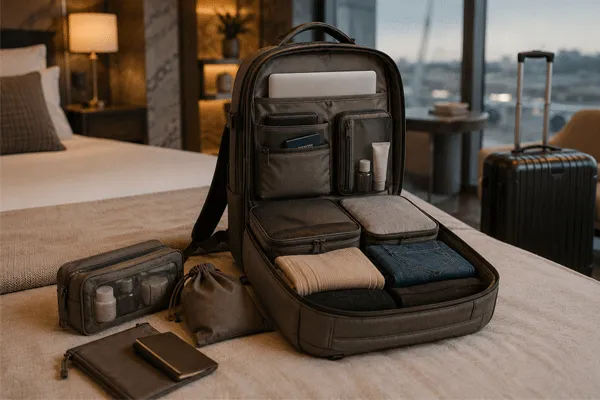
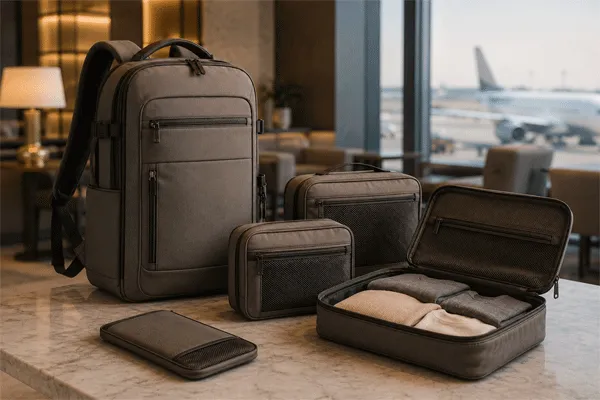
Цена за единицу упаковочных кубов, компрессионных мешков, мешков для обуви и косметичек ниже, чем у рюкзака, и они позволяют более эффективно повысить сумму заказа, чем добавление второго артикула рюкзака. Они изготовлены из той же ткани, что и основной рюкзак, что позволяет оптимизировать закупки материалов, а их производство пробных образцов значительно проще.
Следует заранее определиться с двумя моментами. Во-первых, продавать ли набор в комплекте или по отдельности — от этого зависят технические характеристики упаковки, расчет объема картонной коробки и ваша себестоимость одной розничной единицы. Во-вторых, должны ли кубики быть подогнаны под внутреннее пространство вашей упаковки или иметь стандартные размеры. Кубики, вырезанные под размер ваших конкретных отсеков, дают покупателям вескую причину приобрести именно ваш набор, а не аналогичный на торговой площадке, и это преимущество, которым ваши конкуренты в результатах поиска (SERP) в большинстве случаев не могут похвастаться, поскольку они продают оба товара как не связанные между собой позиции каталога.
Перед началом отбора проб обсудите этот список в письменной форме с представителями завода. Каждый пункт в этом списке может стать причиной либо дорогостоящей доработки, либо возврата товара заказчиком.
Поддерживается проведение независимой проверки по требованию заказчика, и если вы планируете привлечь агентство по проведению проверки, рекомендуется указать свои критерии приемки на данном этапе, а не непосредственно перед отгрузкой. Ответы на запросы предоставляются в течение 24 часов; для новых программ поддерживаются пробные заказы и рабочие процессы с предварительным отбором образцов.
Легкие туристические рюкзаки хорошо продаются, и связанные с ними компромиссы настолько значимы, что их следует отразить в вашем внутреннем брифе, а не скрывать в отчете о возвратах.
Снижение веса ткани приводит к уменьшению износостойкости нижней панели — именно в том месте, где рюкзак тащат по полу в проходах и бросают в верхние багажные полки. Кроме того, это приводит к потере жесткости: очень легкий рюкзак без каркасной вставки прогибается внутрь при частичной загрузке, и отделение для ноутбука перестает удерживать свою форму. То же самое касается сверхлегкой фурнитуры: застёжки-молнии меньшего калибра при многократном использовании с полной нагрузкой выходят из строя раньше, чем застёжки большего калибра в конструкции той же модели.
Ничто из этого не противоречит концепции облегчённой конструкции. Это говорит в пользу выборочного возвращения веса: более тяжёлая основная панель на более лёгком корпусе, молния полного профиля на основном отделении и более лёгкие молнии на карманах, а также усиление только в точках крепления. Такой подход обходится немного дороже за единицу, чем полностью лёгкая конструкция, но значительно дешевле, чем полностью тяжёлая.
Непредвиденный случай, который ставит бренды в затруднительное положение: лёгкий рюкзак, разработанный для фиксированной нагрузки, ведёт себя иначе, когда покупатели используют его для ежедневных поездок на работу — а многие именно так и поступают. Если в вашей рекламной кампании рюкзак изображён полупустым на городской улице, убедитесь, что он сохраняет форму даже в полупустом состоянии.
Производитель туристических рюкзаков на заказ для брендов: варианты ручной клади, объёма и упаковочных сумок
По сравнению с моделью работы через торговые компании, которая преобладает во многих случаях при закупке сумок в сегменте B2B, прямое сотрудничество с фабрикой позволяет исключить один уровень наценки и, что еще важнее, один уровень посредничества. Ваш вопрос по конструкции попадает непосредственно к тому, кто может на него ответить. Изменения в образцах возвращаются быстрее, поскольку их не приходится дважды переводить.
Этот компромисс существует на самом деле. Торговая компания закупает товары у нескольких заводов, что удобно для покупателя, размещающего единый заказ на сумки, чемоданы и не связанные с ними аксессуары через единого контактного лица. Завод занимается производством только той продукции, которую он выпускает. Если ваша продуктовая линейка состоит из сумок, прямо с завода — это более короткий путь; если же вы объединяете двенадцать не связанных между собой категорий товаров в одну отправку, то это не так.
Второй компромисс заключается в том, что при прямом поиске поставщиков вся ответственность за составление технических спецификаций ложится на вас. Здесь нет посредника, который незаметно восполнял бы пробелы в вашем техническом пакете, опираясь на свои допущения. Это является преимуществом, если ваши спецификации составлены четко и последовательно, и недостатком — пока это не так; именно поэтому и был составлен приведенный выше список из девяти пунктов.
Терминология в области комплаенса — это то, где списки туристических рюкзаков начинают халатно относиться к делу, и в таких случаях юридическую ответственность несет дистрибьютор, а не завод.
К числу стандартов, на которые обычно ссылаются в индустрии производства сумок и текстиля, относятся ISO 9001 для систем управления качеством, REACH — в отношении ограничений на использование веществ на рынке ЕС, а также «Пропозиция 65» штата Калифорния для продукции, поступающей на этот рынок. Это общие отраслевые стандарты. Они не являются и не должны представляться в качестве сертификата, имеющегося у какого-либо поставщика, если только этот поставщик не предоставит оригинал сертификата. Компания IONIA BAG не публикует на своём веб-сайте номера сертификатов или названия органов, их выдавших; если ваш покупатель, розничный продавц или отдел по обеспечению соответствия требованиям запрашивает конкретную документацию по какой-либо программе, обратитесь за ней напрямую и оцените оригинал сертификата, а не просто заявление о его наличии.
Практическое правило для страницы вашего продукта: указывайте стандарт только в том случае, если у вас есть документ с номером сертификата, указанием органа, выдавшего сертификат, и сроком действия. Все остальное следует описывать как свойство материала, а не как сертификацию.
Вопрос: Может ли производитель гарантировать, что рюкзак будет принят в качестве ручной клади?
О: Ни один производитель не может этого гарантировать. Авиакомпании самостоятельно устанавливают и корректируют ограничения по размерам багажа в салоне, а порядок их соблюдения зависит от конкретного перевозчика и маршрута. Производитель может гарантировать только допуск по размерам. Разрабатывайте конструкцию с учетом требований самой строгой авиакомпании, услугами которой пользуются ваши клиенты, а затем указывайте размеры в описании товара вместо заявления о соответствии требованиям.
Вопрос: В чём разница между рюкзаком, который можно взять в салон самолёта, и рюкзаком, который считается личным предметом?
A: Ограничения, с учётом которых они разработаны. Размер рюкзака для ручной клади рассчитан на размещение в верхнем отсеке; размер рюкзака для личных вещей — на размещение под сиденьем, где, как правило, пространство более ограничено. Рюкзаки для личных вещей являются более надежным выбором для запуска, поскольку соответствуют более строгим требованиям.
Вопрос: Вы выпускаете женские и мужские туристические рюкзаки отдельно?
A: Геометрия ремней, кривизна лямок и длина туловища настраиваются в рамках технических характеристик конструкции, поэтому модели для разных полов можно выпускать как отдельные артикулы или в виде единой универсальной модели с более широким диапазоном регулировки. Выбор оптимального варианта зависит от ценовой категории и бюджета на артикулы — это решение следует принимать до начала изготовления образцов, а не после.
Вопрос: Сколько стоит индивидуально изготовленный туристический рюкзак?
A: Для данной категории не существует опубликованного диапазона цен. Коммерческие предложения формируются индивидуально для каждого проекта после уточнения объема строительных работ, материалов, фурнитуры, количества и упаковки. Запросите коммерческое предложение на основе вашего технического задания.
Вопрос: Можно ли изготовить упаковочные сумки в том же заказе, что и рюкзаки?
A: Да. Упаковочные кубики, компрессионные мешки и сумки могут быть изготовлены из той же ткани, что и основной рюкзак, и их размеры можно подогнать под внутреннее пространство рюкзака. Заранее уточните, поставляются ли они внутри рюкзака или в качестве отдельных розничных единиц, поскольку это влияет на упаковку и технические характеристики картонной коробки.
Вопрос: Каков минимальный объём заказа? И можно ли сначала заказать пробную партию?
A: Минимальный объём заказа (MOQ) варьируется в зависимости от программы и уточняется в вашем коммерческом предложении. Для новых проектов предусмотрена возможность изготовления образцов и пробных заказов, что является рекомендуемым подходом перед запуском серийного производства.
Вопрос: Могу ли я воспользоваться услугами собственного инспекционного агентства?
A: Поддерживается проведение независимой проверки по требованию покупателя. Укажите критерии приемки на этапе отбора проб, а не перед отгрузкой, чтобы в ходе проверки были проверены именно те технические условия, о которых вы фактически договорились.
Ваш следующий шаг — не выбор поставщика. Это запись самых строгих ограничений авиакомпании, с учётом которых вы разрабатываете продукт, и контрольных показателей упаковки, которым должна соответствовать ваша упаковка. Эти две строки превращают каждое последующее обсуждение с заводом в обсуждение технического характера.
Мы ответим вам в течение 24 часов. Если для срочного случая, пожалуйста, добавьте WhatsApp/WeChat: +86 15066236153,. Или позвоните по телефону +86 17657177170.
*Мы уважаем вашу конфиденциальность и защищаем всю информацию.
Мы будем использовать вашу информацию только для ответа на ваш запрос и никогда не будем отправлять незапрашиваемые электронные письма или рекламные сообщения.
 последний блог
