





Сумка из холста против хлопка: в чем разница между хлопковыми и холщовыми сумками?
16 марта 2026 года
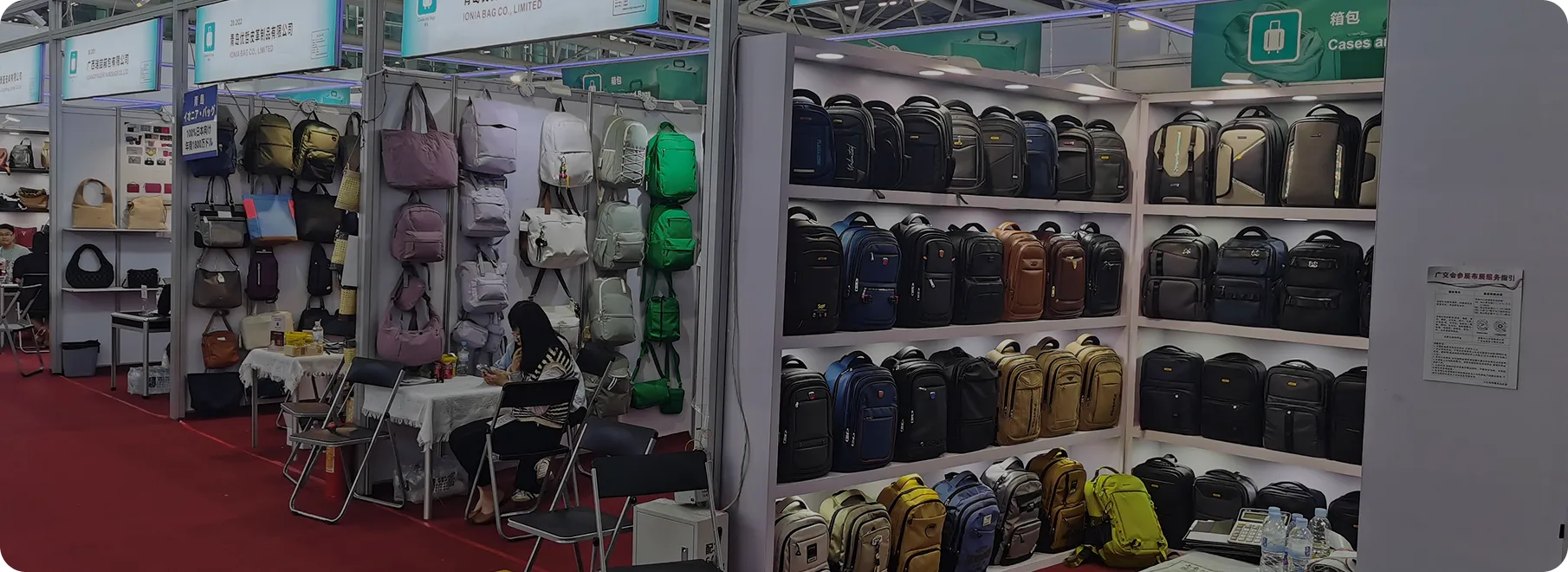
Тонкие сумки рвутся, тяжелые сумки кажутся жесткими, а неправильная ткань может навредить имиджу вашего бренда. Многие покупатели принимают решение слишком быстро, а затем сталкиваются с слабыми швами, плохими результатами печати или недовольными клиентами. Умное решение простое: поймите хлопок и холст, прежде чем делать оптовый заказ.
Основное отличие между хлопком и холстом - это структура и вес. Хлопковая сумка обычно мягче и легче, в то время как холщевая сумка сделана из более толстой, плотно сплетенной ткани, которая часто более долговечна для повседневного использования и брендинга. Правильный выбор зависит от бюджета, потребностей печати, веса нагрузки и вашей целевой аудитории.
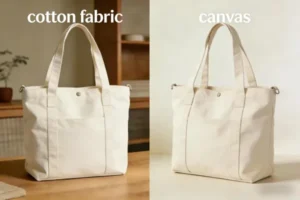
Сумка из холста против хлопка
В чем разница между хлопком и холстом?
Является ли холщевая сумка прочнее, чем хлопковая сумка?
Как переплетение влияет на холст и хлопковую ткань?
Какой вес ткани лучше для сумки?
Являются ли хлопковые и холщовые сумки экологически чистыми?
Что лучше для печати и брендинга?
Каковы лучшие варианты использования хлопковых и холщовых сумок?
Как сравниваются цены и оптовые варианты?
Как импортерам выбирать между хлопковой сумкой и холщовой?
Почему покупатели B2B работают с производителем индивидуальных сумок?
Когда люди спрашивают, в чем разница, они часто путают волокно и ткань. Хлопок - это волокно, которое получают из хлопкового растения. Холст - это тканевое строение. В большинстве случаев холст на самом деле сделан из хлопка, но он переплетен более толсто и туго. Это означает, что различие между хлопком и холстом не всегда заключается в содержании волокна. Очень часто это связано со структурой, ощущением и производительностью.
Простой способ объяснить это так: хлопковая сумка часто легче и мягче, потому что может использовать более легкую хлопковую ткань, тогда как холщевая сумка обычно использует более тяжёлую, структурированную ткань. Вот почему многие покупатели рассматривают холст сумка-сумка как более премиум-вариант для повседневного ношения. Она кажется более прочной, выглядит более солидной и часто лучше справляется с весом.
В нашей фабричной работе это первая вещь, которую мы объясняем покупателям B2B. Два материала могут быть основаны на хлопке, но они ведут себя очень по-разному в реальных продуктах. Легкая сумка для выставок не то же самое, что холщевая сумка, созданная для розничных полок или долгосрочного использования.
В общем, да. Холщевая сумка часто прочнее, потому что холст, как правило, является более толстой и плотно сплетенной тканью. Эта дополнительная структура помогает сумке казаться более солидной и устойчивой, когда вы носите тяжелые предметы. Британника описывает холст как прочную ткань, обычно изготовленную из скрученных нитей, часто используя простое переплетение, хотя могут использоваться и другие конструкции.
Это не означает, что каждая хлопковая сумка слабая. Некоторые хлопковые сумки используют более толстую нить и хорошую строчку, поэтому они хорошо работают для повседневного использования. Но когда покупатели сравнивают базовую легкую хлопковую сумку с сумкой из средне-тяжелого или тяжелого холста, версия из холста, как правило, имеет более высокую долговечность. Она лучше сопротивляется провисанию и, как правило, более подходит для перевозки тяжелых продуктов, книг, инструментов или рекламных комплектов.
Вот быстрое сравнение:
| Характеристика | Хлопковая сумка | Холщовая сумка |
|---|---|---|
| Ощущение | Мягче | Жестче |
| Типичный вес | Легче | Тяжелее |
| Структура | Более гибкая | Более структурированная |
| Лучшее для | Мероприятия, раздачи, легкие покупки | Розничная торговля, повседневное ношение, тяжелые предметы |
| Восприятие ценности | Хорошо | Часто выше |
| Типичная прочность | Умеренная | Более долговечная |
Итак, если вашему клиенту нужна сумка, которая выглядит мягкой и простой, хлопок может подойти. Если они хотят сумку, которая выглядит премиум и сделана на века, холст обеспечивает лучшую основу во многих случаях.
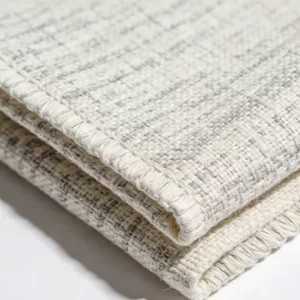
Переплетение меняет всё. Оно влияет на ощущение, толщину, поверхность для печати, гибкость и прочность. Многие люди думают, что важен только волокно, но в сумках переплетение часто решает, как будет работать конечный продукт.
Базовая хлопковая ткань может использовать более легкую конструкцию и производить более плавное свисающее. Типичный холст более плотно сплетен, что придает сумке тело и форму. Британника отмечает, что простое переплетение широко используется в холсте, в то время как могут использоваться и другие специальные переплетения. Диагональное переплетение - это еще одна распространенная текстильная структура, известная своими диагональными ребрами по поверхности.
Вот почему хлопковые и холщовые сумки могут ощущаться так по-разному, даже если обе сделаны из хлопка. Одна может казаться гладкой и тонкой. Другая может казаться плотной и солидной. Легкая рекламная сумка может использовать более мягкую поверхность хлопка. Розничная холщевая сумка может использовать плотно сплетенную хлопковую ткань или даже хлопковый холст с более прочным ощущением.
Вы также можете услышать такие термины, как диагональное переплетение, утканы или обработка щеткой. Эти детали важны, потому что правильная ткань - это не только о внешнем виде. Она определяет, как сумка будет висеть, как она печатает и как долго она прослужит.
Вес ткани является одним из самых важных факторов покупки, особенно для оптовых и частных заказов. Если ткань слишком легкая, сумка может мяться, растягиваться или казаться дешевой. Если она слишком тяжелая, сумка может стоить дороже и потерять часть своей мягкости.
Покупатели часто измеряют вес в граммах на квадратный метр или унциях, таких как холст в унциях. Легкая хлопковая сумка-шоппер может подойти для мероприятий и рекламных акций. Сумка из средней плотности холста часто является отличным вариантом для розничной торговли. Более тяжелая сумка из холста лучше, когда цель - прочность, сохранение формы и более премиальный вид.
Вот практическое руководство:
| Тип ткани | Типичное использование | Заметка покупателя |
|---|---|---|
| Легкий хлопок | Бесплатный подарок или сумки для покупок | Низкая цена, меньше структуры |
| Средний хлопок | Ежедневно сумка-сумка | Хороший баланс |
| Средний хлопковый холст | Брендированный розничный индивидуальные сумки | Попалар для печати и ценности |
| Сверхпрочный холст | Премиум или утилитарный холщевая сумка | Лучше для перевозки тяжелых нагрузок |
По нашему опыту, многие B2B покупатели сначала спрашивают только о низкой цене. Затем они видят образцы. Именно тогда они понимают, что вес меняет всё. Хорошо выбранный холст придаёт сумке лучшее присутствие в руке. Вот почему вес ткани часто решает, ощущается ли продукт как базовый или премиум.
Оба варианта могут поддерживать более экологически чистую историю продукта, но только если покупатели говорят честно и выбирают правильную цепочку поставок. Многие сумки изготовлены из натуральных волокон, и хлопок может быть возобновляемым ресурсом. Рекомендации EPA также поддерживают повторное использование как способ снижения отходов, включая использование ваших собственных многоразовых сумок вместо полагания на одноразовые варианты.
Многоразовая хлопковая сумка или холщевая сумка может помочь снизить зависимость от пластиковых сумок, особенно когда клиенты используют её часто. Хлопок растительного происхождения и при правильных условиях он биологически разлагаем. Это делает его привлекательным для брендов, желающих использовать экологически чистые сумки. Но покупатели должны помнить об этом: устойчивость зависит от материала, окрашивания, отделки, транспортировки и времени, на которое сумка остаётся в использовании.
Здесь обсуждение становится практическим. Легкая хлопковая сумка может использовать меньше материала, но более прочная холщевая сумка может оставаться в использовании дольше. Оба варианта могут быть хорошими. Лучший ответ зависит от срока службы продукта, целевой аудитории и обещания бренда. Для некоторых клиентов органический хлопок или натуральный холст добавляет ценности. Для других стандартный хлопок с лучшей возможностью повторного использования имеет больший смысл.
Для индивидуального брендинга оба варианта могут хорошо работать. Но они дают разные результаты. Легкая хлопковая сумка обычно имеет более мягкую текстуру и может хорошо подойти для простых одноцветных логотипов. Структурированная холщевая сумка часто кажется более премиальной, что помогает, когда сама сумка является частью истории бренда.
Печать также зависит от поверхности хлопка. Некоторые ткани имеют гладкую поверхность, в то время как другие показывают больше зерен. Плотное плетение часто обеспечивает более четкие края печати. Именно поэтому многие премиальные розничные покупатели выбирают варианты холщовых сумок для коллекций частных брендов. Сумка выглядит лучше, хорошо фотографируется и часто сохраняет свою форму лучше на полках магазинов.
Как производитель, мы обычно сначала задаем покупателям три вопроса:
Это для розничной торговли или раздачи?
Должна ли сумка выдерживать вес?
Логотип простой или детализированный?
Эти ответы помогают выбрать материал. Чистый подарок на мероприятии может хорошо работать с хлопковой сумкой-шоппером. Линия бутикового магазина может потребовать натурального хлопка, хлопковых холщовых сумок, лучшей отделки и более изящной структуры ручки. Хороший брендинг зависит не только от печати. Он также влияет на то, как продукт ощущается в руке покупателя.
Хлопковая сумка часто идеальна для рекламных акций, мероприятий, книжных магазинов, подарков на конференциях и недорогих розничных дополнений. Она гибкая, её легко сложить, и она часто предпочтительна, когда бренды хотят создать мягкий, непринужденный образ. Поэтому хлопковые сумки так часто встречаются в кафе, музеях, школах и жизненных кампаниях.
С другой стороны, холщевая сумка лучше для пользователей, которым нужна большая структура и прочность. Эти сумки распространены в продуктовом, модном, туристическом и подарочном упаковочном секторах. Холщовые сумки часто используются, когда покупатель хочет более прочное тело, лучшую форму и более современное ощущение. Они также распространены для сумок учителей, школьных сумок и утилитарных переносок, потому что сумки более прочные, когда сделаны с более толстой конструкцией.
Вот простая карта использования:
Хлопковая сумка-шоппер: торговые выставки, мероприятия, книжные магазины, недорогие акции с сумками
Холщевая сумка: розничная торговля, продукты, работа, образ жизни, брендинг бутика
Сумка из сверхпрочного холста: инструменты, ежедневные поездки, громоздкие предметы
Линия брендированных подарков: премиум холщевая сумка-шоппер
Экологическая кампания: экологически чистая сумка из растительной ткани
Это реальная разница между хлопковой сумкой и холщовой с точки зрения бизнеса. Одна часто лучше для общего объёма и низкой цены. Другая часто лучше для восприятия ценности и повторного использования.
Цена имеет значение. Все это знают. Но умные покупатели знают, что общая ценность продукта имеет гораздо большее значение. Низкобюджетная хлопковая сумка может хорошо подойти, когда вам нужно большое количество по более низкой цене. Вот почему она распространена в оптовых сумках-шопперах, на мероприятиях и массовых акциях.
Холщовая сумка обычно стоит больше, потому что ткань тяжелее, ручки могут потребовать более крепкого крепления, и вес транспортировки может возрасти. Но эта более высокая цена часто поддерживает лучший имидж в розничной торговле. Это может также снизить количество жалоб, потому что сумка кажется более надежной и более премиальной по сравнению с хлопковыми сумками в категории легких подарков.
Для импортеров и дистрибьюторов выбор не просто хлопок или холст. Реальный вопрос заключается в следующем: что ожидает конечный рынок? Если сумка является быстро реализуемым рекламным товаром, легкий хлопок может быть достаточным. Если сумка является частью розничного ассортимента, оптовые холщовые сумки часто более логичны в бизнес-плане. Во многих наших проектах OEM выигрышный подход не самый дешевый. Это вариант, который лучше всего соответствует рыночной позиции.
Самый умный способ выбрать хлопковую или холщовую сумку - начать с конечного использования. Если сумка предназначена для легких подарков, упаковок для мероприятий или недорогого брендинга, может быть достаточно хлопковой сумки-шоппера. Если сумка должна выдерживать вес, удерживать форму и представлять бренд более высокой ценности, холст обычно является более безопасным выбором.
Задайте эти вопросы:
Будет ли сумка переносить книги, бутылки или более тяжелые предметы?
Нужен ли клиенту мягкий или структурированный вариант?
Это для рекламных акций или для розничной торговли?
Нужен ли дизайну премиум-ощупь?
Предпочитает ли рынок низкую стоимость или долгий срок службы?
Здесь важно оценить образцы. На бумаге многие сумки из хлопка звучат похоже. В руках они не одинаковы. Одна может казаться слишком тонкой. Другая может быть идеальной. По нашему опыту, покупатели принимают лучшие решения, когда они сравнивают реальные образцы рядом. Это лучший способ понять разницу между хлопком и канвасом в продуктовой форме.
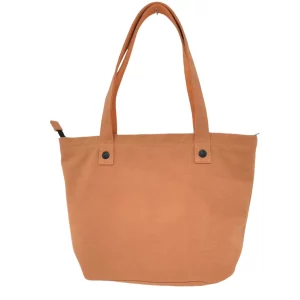
Изготовленная на заказ сумка-торба из экологически чистого холста для поездок на работу
Потому что хороший выбор материала — это лишь половина дела. Вторая половина — это преобразование ткани в продукт, который продается. Это означает правильные ручки, точный размер, надежную строчку, панели, подходящие для печати, контроль усадки и упаковку, соответствующую рынку.
Как поставщик из Китая индивидуальные сумки, мы часто поддерживаем покупателей, которым нужны OEM, ODM и решения под частные бренды по различным каналам. Некоторые нуждаются в промо-сумках с очень большим объемом. Некоторые хотят готовые к розничной торговле линии сумок из канваса. Некоторым нужны оптовые сумки из канваса с индивидуальными ярлыками, внутренними карманами или более прочными ручками. Основная ткань имеет значение, но также важны создание шаблонов, образцы и последовательность производства.
Вот почему оптовые покупатели спрашивают о деталях, таких как усадка, площадь печати, эффект стирки и сделана ли сумка только из хлопка или включает смеси, такие как полиэфирный канвас. Эти детали влияют на стоимость и производительность. Правильный производственный партнер помогает покупателям избежать лишних трат и подобрать ткань к бизнес-цели продукта.
Допустим, один покупатель — это промо-поставщик. Им нужно 50,000 сумок для мероприятия. Приоритет — цена, время выполнения и простая печать. В этом случае легкая хлопковая сумка может быть достаточной. Она передает сообщение, легко складывается и позволяет держать бюджет под контролем.
Теперь представьте себе ритейлера, который запускает линию сумок для выходных. Они хотят, чтобы сумка выглядела премиум, сохраняла форму и поддерживала ежедневное использование. Сумка из канваса средней или большей тяжести становится более подходящей. Она выглядит более солидной. Она лучше поддерживает брендинг. И она обеспечивает пользователю более удовлетворительный опыт переноски.
Это практическая сторона хлопковых сумок и канвасовых сумок. Правильная ткань не является универсальной. Она связана с аудиторией, ценовым сегментом и обещанием бренда.
Является ли канвас тем же самым, что и хлопок?
Нет. Хлопок — это волокно, в то время как канвас — это тип ткани или конструкция. Многие канвасовые продукты основаны на хлопке, но эти термины не означают одно и то же.
Является ли сумка из канваса более прочной, чем сумка из хлопка?
Обычно да. Сумка из канваса часто толще и более структурированная, поэтому она обычно имеет большую прочность при регулярном использовании и тяжелых нагрузках.
Являются ли хлопковые сумки экологиялық чистыми?
Они могут быть такими. Хлопок растительного происхождения, и многоразовые тканевые сумки могут помочь снизить количество отходов, если их использовать много раз вместо одноразовых сумок. EPA рекомендует повторное использование как часть сокращения отходов.
Какой лучший материал для промо-сумок?
Для многих промо-сумок легкий хлопок хорошо подходит, потому что он доступен и легко печатается. Если вы хотите более премиум подарок или розничное ощущение, варианты сумок из канваса часто лучше.
Что лучше для переноски тяжелых грузов?
Канвас обычно лучше для переноски тяжелых грузов, потому что это более толстая хлопковая ткань и часто предлагает более прочную структуру.
Должен ли я выбрать хлопок или канвас для оптовых заказов?
Выбирайте хлопок для недорогих акций и выбирайте канвас для лучшей структуры, восприятия ценности и долгосрочного использования. Лучше выбирать в зависимости от вашего бренда, целевого клиента и бюджета.
Основное отличие между хлопком и канвасом — это конструкция, вес и производительность.
Хлопковая сумка обычно мягче и легче.
Сумка из канваса обычно толще, прочнее и более структурированная.
Ткачество играет важную роль в ощущении сумки, результате печати и прочности.
Вес ткани влияет как на цену, так и на восприятие качества.
Как хлопок, так и канвас могут поддерживать многократное использование, снижая количество отходов.
Легкий хлопок часто подходит для акций и мероприятий.
Канвас обычно лучше подходит для розничной торговли, продуктовых магазинов, путешествий и премиум-брендинга.
Импортеры и покупатели под частные марки должны выбирать ткань в зависимости от конечного использования, а не только по цене.
Сильный OEM или ODM поставщик сумок помогает подобрать правильный материал к правильному рынку.


Мы ответим вам в течение 24 часов. Если для срочного случая, пожалуйста, добавьте WhatsApp/WeChat: +86 15066236153,. Или позвоните по телефону +86 17657177170.
*Мы уважаем вашу конфиденциальность и защищаем всю информацию.
Мы будем использовать вашу информацию только для ответа на ваш запрос и никогда не будем отправлять незапрашиваемые электронные письма или рекламные сообщения.
 последний блог
