





¿Por qué son tan caras las mochilas infantiles japonesas? Randoseru, la calidad de las mochilas escolares y lo que pueden aprender los compradores
09 de marzo de 2026
Las bolsas baratas se rompen rápido. Los padres sustituyen correas, cremalleras y carcasas una y otra vez. Eso hace que un “precio más bajo” resulte caro al final. Randoseru cuesta más al principio porque está hecha para el uso diario, la comodidad y una larga vida útil durante la escuela primaria.
Japanese kids’ backpacks are expensive mainly because a randoseru is designed to last all six years of elementary school, uses premium materials like Clarino or cowhide, and is tied to Japanese culture and gifting traditions. Typical prices often range from about ¥30,000 to ¥150,000, with many mainstream models clustering around ¥50,000.
school bag
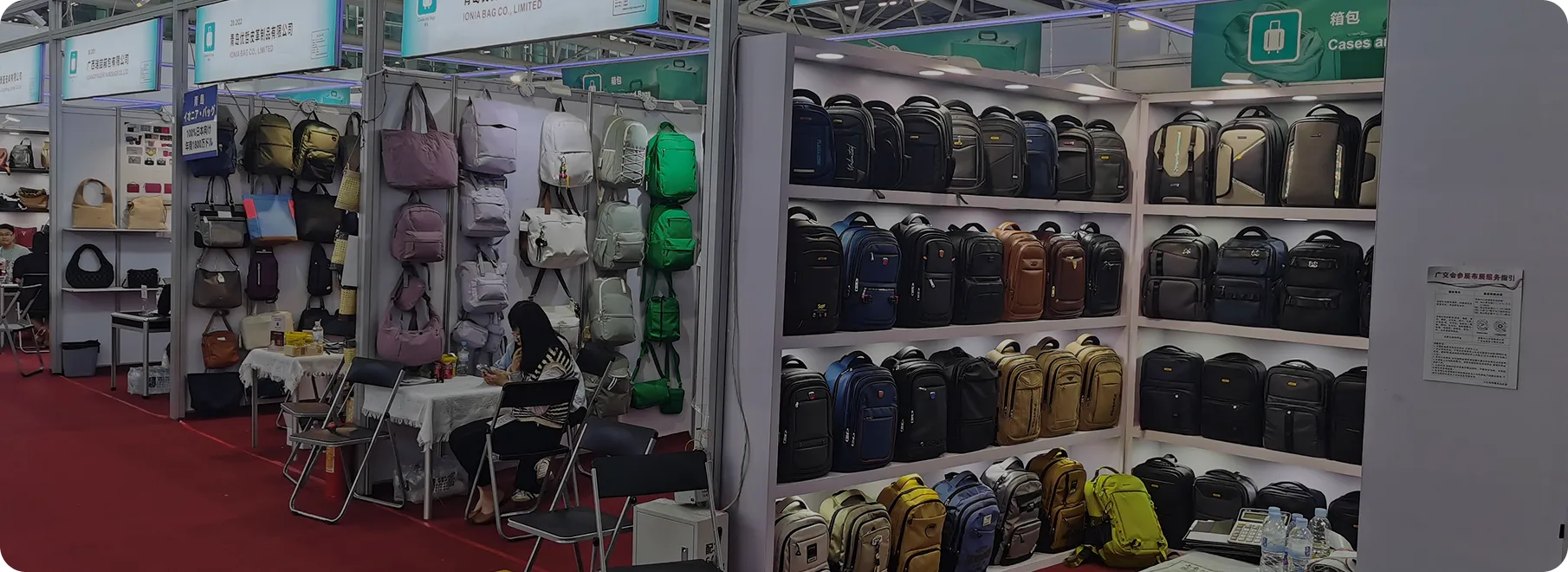
As a China-based custom bag manufacturer serving global B2B buyers, we look at randoseru from two angles. First, it is a cultural product with real emotional value. Second, it is a smart case study in durable product design, premium positioning, and why customers will pay more when quality, function, and story come together.
What is a randoseru and why is it different from a normal backpack?
Why do Japanese school bags cost so much?
How much do randoseru bags cost in yen?
What materials make a randoseru backpack expensive?
Why does craftsmanship matter so much?
Are Japanese families really paying for six years of use?
How do culture and gifting traditions affect the price tag?
What makes a modern randoseru different from older designs?
Could brands outside Japan learn from the randoseru model?
What should importers, brand owners, and bulk buyers learn from this market?
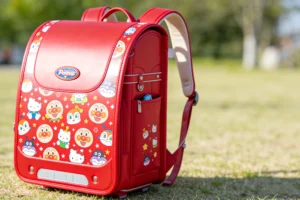
A randoseru is a rigid Japanese school bag used mainly by children in elementary school. It is not just another school backpack. Its shape is structured, often slightly boxy, and it is made to carry books neatly while keeping its form. The word comes from the Dutch-derived term ransel or ransel, and the modern bag has deep roots in Japanese school life and military-inspired history.
Unlike a soft casual mochila, a randoseru is built around long-term daily use. In Japan, many children receive one in first grade and keep using it through the full six years of elementary school. That single fact changes everything about how the product is designed, tested, sold, and priced.
For buyers, this is the first big lesson. When a product is meant for school every day, value is measured differently. Customers are not comparing it only with cheap school supplies. They are comparing durability, comfort, safety, appearance, and family meaning over a long period.
The short answer is simple: the bag is expected to do much more than hold books. A randoseru must survive walking to school, daily handling, weather exposure, heavy textbooks, and rough treatment from active children. It must also look presentable for years, not just months. That long-use expectation raises materials, construction, and quality-control costs.
The second reason is market positioning. In school in Japan, the randoseru is not treated like a disposable item. It is closer to a milestone purchase. Many families see it as part of the transition into formal education, almost like a uniformed symbol of beginning school life. That makes parents more willing to spend so much money on a product that blends function with identity.
The third reason is supply-side discipline. Well-known makers highlight precision, durability, comfort, and premium finishing. Some models are made in Japan, often with extensive manual work, and brands actively present the bags as products of tradition and quality. When you combine long life, strong branding, and emotional buying, expensive bags become easier for the market to accept.
Price varies by retailer, material, and positioning, but broad market references are fairly clear. Aeon Retail told Nippon.com that its randoseru prices ranged from about ¥30,000–¥150,000, with the average price in the ¥50,000 range. Another widely cited market overview says chain-store models often sell around ¥30,000–¥40,000, while department stores and traditional workshops often sit around ¥55,000–¥70,000, with some models going above ¥100,000.
That means when people ask why japanese school bags cost so much, they are often reacting to the sticker shock of seeing a child’s bag priced like a mid-range adult leather product. The price tag feels surprising until you understand the expected lifespan and the way the product is marketed.
Here is a simple market view:
| Segment | Typical price in yen | Common positioning |
|---|---|---|
| Chain store / supermarket | ¥30,000–¥40,000 | Value-oriented everyday models |
| Mainstream branded | Around ¥50,000 | Mid-market quality and features |
| Department store / workshop | ¥55,000–¥70,000+ | Premium finish and reputation |
| Luxury / special models | ¥100,000+ | Prestige, branding, rare materials |
These ranges explain why many overseas buyers think the bags cost a lot. In reality, the Japanese market has trained customers to connect higher price with higher reliability and longer use.
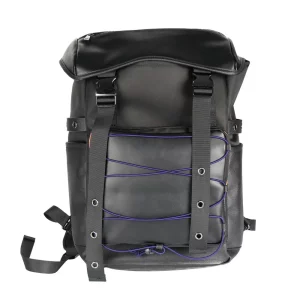
Light Waterproof Nylon Backpack with Anti-Theft Pocket & Ergonomic Carry System
Material choice plays a huge role. Premium models may be made of leather, often cowhide, while many mainstream versions use high-grade synthetic leather. One of the most famous materials is Clarino, a synthetic material widely associated with randoseru because it is lighter, durable, flexible, and water resistant. Tsuchiya Kaban describes CLARINO® F as light, durable, and flexible, while other market references note that Clarino helps lower weight and sometimes price compared with full leather.
This is one reason the category is so interesting for bag buyers. Full leather bags offer premium feel and tradition, but synthetic options can deliver a better balance of weight, cost, and usability for children. That is why many modern randoseru lines rely on Clarino or similar engineered materials.
There is also a design challenge. The bag must hold its structured, boxy silhouette while staying comfortable on a child’s back. That pushes makers toward reinforced shells, shaped padding, durable edges, and tested hardware. So the raw material story is not just leather versus synthetic. It is also about support structure, resilience, and shape retention.
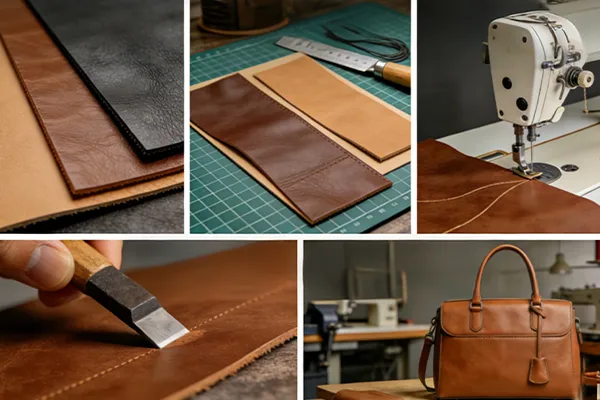
Because a randoseru is not assembled like a low-cost commodity backpack. A well-known overview of the category notes that most production involves a great deal of manual work and around 200 fittings, with steps like cutting, sewing, gluing, drilling straps, and riveting. The product is literally engineered around repeated daily stress.
That is where craftsmanship becomes a real commercial reason, not just a marketing word. Brands talk about artisans, hand-finishing, and quality control because those things support the promise that the bag will last for six years. Even overseas interest in the product has been tied to admiration for hand-sewn quality and structured design.
For B2B buyers, this is a useful reminder. Customers will pay premium prices when quality is visible and the story is believable. In our own manufacturing world, this is why structured bags, travel bags, and school bags sell better when buyers can see reinforced stitching, neat edge paint, stress-point construction, and testing standards rather than only a low quote.
Yes, and this is one of the strongest reasons the category works. A randoseru is typically purchased at the beginning of japanese elementary school and is expected to survive the full six years of school. That is why many brands also offer a six-year warranty or repair support. The long use cycle is part of the value logic from the start.
This changes the buying calculation. Instead of comparing the bag to a low-cost seasonal school item, families in Japan often see it as a durable investment. If a child uses the same bag for all the years of elementary school, the cost per month feels more reasonable.
It also helps explain why parents tolerate higher weight and firmer structure compared with a soft casual school backpack. They are buying for sustained performance, not just immediate comfort. In fact, some current models emphasize ergonomic features and lighter materials specifically because makers know parents want durability without burdening children too much.
A lot. The randoseru is not merely functional in japanese culture. It is a symbol of childhood and school entry. Historically, it became associated with prestige and discipline through elite institutions like Gakushūin and later spread more widely as incomes rose after World War II. Today it still carries strong emotional meaning.
There is also the famous “six pockets” idea. Nippon.com notes that the market is supported by parents and grandparents—two parents plus four grandparents—who often contribute to the purchase. In other words, grandparents buy or help buy the bag, especially for grandkids entering school. This gift logic supports premium pricing because the buyer is often a proud extended family group, not only one budget-conscious parent.
That helps explain why some households splurge. The product marks a life stage. It links school readiness, family care, and public appearance. When a purchase carries that much emotional value, higher prices become easier to justify.
The traditional randoseru was once far more standardized: black for boys, red for girls, and fairly strict expectations in conservative schools. Today the market is much broader. Nippon.com described 103 basic models in 24 colors at one major retailer, with custom orders available in over a million combinations. That is a long way from the old red-and-black stereotype.
A modern randoseru also adds practical updates. Some models fit A4 files or even tablets, use lighter materials, improve shoulder padding, and focus on posture support. Retailer and brand pages emphasize child-friendly features, lightness, and comfort alongside durability.
Color is another big change. Today you can find shades like navy blue, lavender, brown, green, and more. The growth in customization shows that even a heritage product must evolve with customer taste. Buyers still want tradition, but they also want personalization and modern function.
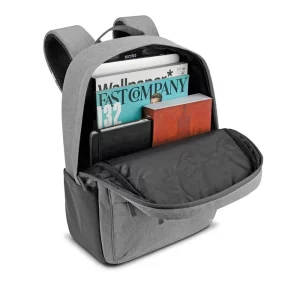
Mochila multifuncional rectangular gris para portátil
Absolutely. For me, the most valuable lesson is not “make a randoseru copy.” It is “build a product category customers believe in.” The randoseru market shows that buyers will accept a higher price when the product has five things: durability, identity, storytelling, visible quality, and a clear use cycle.
Here is what global bag brands can learn:
Design for a defined lifespan, not vague durability claims.
Use materials that fit the user, whether that means Clarino-like lightweight structure or premium leather.
Build a story around function and milestone moments.
Make quality visible in form, stitching, padding, and hardware.
Offer customization without losing category identity.
This is highly relevant for our business as a China-based custom bag manufacturer. Brand owners, importers, and promotional buyers do not only want low prices. They want bags that can fit a market story. When we develop OEM, ODM, or private-label lines, we often see the same pattern: the best-selling products are not always the cheapest. They are the ones with the clearest reason to exist.
The first lesson is that structure sells when it solves a real problem. The randoseru backpack stays recognizable because it is engineered around textbooks, posture, and everyday routine. For outdoor, travel, school, and lifestyle brands, that means form should follow use, not only fashion.
The second lesson is that long-life positioning creates margin. If your product can honestly promise multi-year performance, the sales story becomes stronger. That is especially useful for corporate gifting, travel categories, children’s products, and premium promotional lines. Buyers may resist a high unit price at first, but they respond when they see a bag that is indestructible, purposeful, and beautifully made. The randoseru shows that clearly.
The third lesson is emotional buying. In Japan, the bag is not only a tool for school children. It signals care, family support, and the beginning of responsibility. Outside Japan, brands can create similar emotional hooks around first travel, first camp, first job, or brand identity. Good bags carry things. Great bags carry meaning.
When we talk with B2B clients, I usually suggest a simple framework.
| Value driver | Low-cost bag mindset | Premium bag mindset |
|---|---|---|
| Use cycle | One season | Several years |
| Material | Basic fabric | Engineered synthetic or leather |
| Structure | Soft shell | Reinforced form |
| Comfort | Minimal padding | Child-focused or ergonomic support |
| Brand story | Generic | Meaningful and memorable |
| Retail logic | Cheapest wins | Value and trust win |
This framework explains why japanese school bags cost more than expected. They are sold as category leaders, not throwaway accessories. And it explains why the market still attracts attention outside Japan. Even adults have begun buying them as fashion or utility bags, partly because the design looks distinctive and partly because the build quality is so strong.
Why are Japanese kids backpacks called randoseru?
The name is generally traced to the Dutch-derived word ransel, introduced through military influence in the late nineteenth century. Over time, the term became associated with the structured school bag used by Japanese elementary students.
Are randoseru compulsory in Japan?
Not universally by national law, but they are strongly associated with japanese school culture at the elementary level and are extremely common. One retailer source says more than 90% of elementary schoolchildren in Japan use them.
Why do Japanese parents and grandparents pay so much?
Because the bag is expected to last all six years of primary school and is often treated as a milestone gift. Nippon.com notes the role of “six pockets,” meaning the support of parents and grandparents in the purchase.
What is Clarino in a randoseru?
Clarino is a synthetic leather commonly used in randoseru. Brand materials describe it as lightweight, durable, flexible, and water resistant, which helps explain its popularity in children’s school bags.
Do randoseru really last six years?
That is the design goal and one of the core selling points. Multiple sources state they are built for the full six years of elementary school, and many sellers mention six-year warranty or repair support.
Are randoseru only for children now?
No. The bags have also found adult buyers in Japan and overseas. Nippon.com reported growing overseas and adult interest, especially for their structured design and craftsmanship.
Randoseru is expensive because it is built for durability, structure, comfort, and six-year daily use.
Typical prices often range from about ¥30,000 to ¥150,000, with many mainstream bags around ¥50,000.
Material matters: cowhide and Clarino both shape price and performance.
The category is supported by Japanese gifting traditions, especially from parents and grandparents.
A randoseru is not just a school bag. It is a cultural milestone and a premium product category.
For B2B buyers, the big lesson is clear: customers pay more when design, durability, and story work together.
A strong bag business is not only about low cost. It is about building products people trust enough to buy once and use for years.
Le responderemos en un plazo de 24 horas. Si para el caso urgente, por favor agregue WhatsApp/WeChat: +86 15066236153,. O llame directamente al +86 17657177170.
*Respetamos su confidencialidad y toda la información está protegida.
Sólo utilizaremos sus datos para responder a su consulta y nunca le enviaremos correos electrónicos o mensajes promocionales no solicitados.
 último blog
