






What Are the 4 Grades of Leather? A Practical Guide to Leather Grades, Leather Qualities, and Genuine Leather
February 27, 2026
Bad leather can look good on day one and crack, peel, or sag far too soon. That is the problem. Many buyers see “genuine leather” on a label and assume top quality, only to learn later that not all leather grades perform the same. The solution is to understand the four common grades before you buy.
The 4 grades of leather commonly described in the market are full grain leather, top grain leather, genuine leather, and bonded leather. Full grain is usually the strongest and most natural. Top grain is smoother and more uniform. Genuine leather is real leather, but usually from lower layers or heavily processed hides. Bonded leather is made from leather scraps and binders, so it is generally the least durable.
When I work on bag sourcing content for global buyers, I often see one issue repeat itself: people ask for “real leather” when what they really need is the right type of leather for their product, market, and price point. In the world of leather, the label alone does not tell the full story. You need to look at surface structure, finishing, durability, consistency, and how the leather is made.
This guide to leather breaks that down in a simple way. It will help importers, distributors, private-label retailers, e-commerce sellers, and brand owners choose leather with fewer surprises and better margins.
What does “grade of leather” really mean?
What are the 4 grades of leather in simple terms?
Why is full grain leather considered the highest quality leather?
Is top grain leather good for leather goods and bags?
What does genuine leather actually mean on a label?
Why is bonded leather the lowest grade of leather?
How is leather made and why does that affect leather qualities?
What is corrected grain leather, split leather, and suede leather?
How can buyers compare leather qualities when buying leather goods?
Which leather grade is best for bags, belts, wallets, and leather accessories?
What mistakes should you avoid when shopping for leather?
FAQs about leather grades and leather types
A lot of shoppers think leather is graded by one universal system, like school marks. In practice, that is not how the trade works. Industry terminology defines leather by structure and finish, such as full grain, corrected grain, split leather, and bonded material, but market language often turns these into a simple ranking from better to lower quality. That is why many articles talk about “four grades,” even though technical standards focus more on definitions than a single global ladder.
So when someone says leather grades, they usually mean a buying shorthand. It helps compare common leather types by durability, feel, look, and cost. That shorthand is useful, but only if you remember one truth: quality of leather also depends on tannery skill, hide selection, finishing, and product design. A poor full-grain hide can still disappoint, while a well-finished top-grain leather can perform very well in many leather goods.
Here is the common market ranking for the different grades of leather:
| Common market grade | What it is | Typical strengths | Typical limits |
| Full grain leather | Top layer with the grain of the hide intact | Strong, natural, ages well | Higher cost, more natural marks |
| Top grain leather | Top layer, but sanded or refined | Smooth, consistent, premium look | Less natural grain, less patina |
| Piel auténtica | Real leather, often from lower layers or processed splits | Affordable, usable, flexible | Varies widely in durability |
| Bonded leather | Made from leather scraps and binders | Low cost, uniform look | Lowest durability, can peel or crack |
This ranking is popular because it is simple and practical. Full grain or top grain usually suits high-end leather product lines. Genuine or bonded leather often suits entry-level or price-sensitive items. But you still need to match the material to the job. A corporate gift bag, a fashion pouch, and a heavy-duty travel duffel do not need the same leather qualities.
As a China-based custom bag manufacturer serving B2B bulk buyers, I always advise customers to begin with end use, not buzzwords. The best quality for one program may be wasteful for another. That is where smart sourcing starts.
Full grain leather comes from the top layer of the hide and keeps the natural grain. Leather USA defines it as the grain split of a hide from which nothing has been removed except hair and related epidermis. In plain terms, the strongest outer fiber structure stays in place. That is why it is often considered the highest quality leather and is widely seen as the best quality for long-lasting premium goods.
Because the grain of the hide intact remains, full-grain leather often shows natural marks, pores, and variation. That is not a defect. It is part of the art of leather. Over time, many full-grain articles develop a patina, which is one reason buyers of luxury bags, wallets, and leather for belts often prefer it. The trade-off is price and yield. Not every hide is clean enough to become highest quality leather, so supply is more limited.
For private-label bag projects, I usually recommend full-grain when the brand story depends on durability, natural texture, and a premium aging effect. It works especially well for heritage collections, travel bags, and classic business lines.
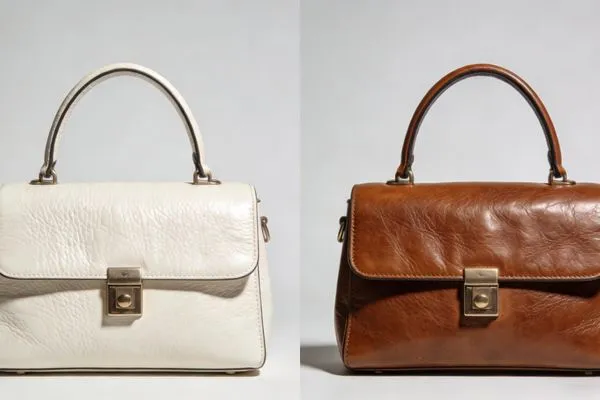
Sí. Top grain leather is still a high-quality material. It comes from the top section of the hide, but the surface may be sanded, buffed, or refined. In many cases, corrected grain finishing is applied to create a smoother, more even grain pattern. This makes top-grain leather popular in premium bag programs that need clean visual consistency at scale.
Compared to full grain, top-grain leather usually looks more uniform and can be easier to color, emboss, and finish. That is useful for fashion collections, corporate gifts, and retail lines where repeatability matters. It is often slightly thinner and less durable than full grain, but it can still be excellent quality leather when sourced from a good tannery.
For many B2B buyers, this is the sweet spot. You get a polished look, better yield, and strong performance without paying the full price of full-grain leather. That is why top grain remains one of the most practical leather types for branded leather goods.

Is top grain leather good for leather goods and bags?
This is where many buyers get confused. Piel auténtica means the material is made from real hide, not plastic alone. But in the market, genuine leather often refers to leather that is more processed, made from lower layers, or produced from splits with coatings and finishes. So yes, it is real leather, but it is not automatically premium leather.
That is why the term can mislead people. A label that says genuine leather is not enough for understanding leather grades. You still need to ask: Is it full grain or top grain? Is it split grain? Is it corrected grain leather? What finish is on top? How thick is the piece of leather? Those details matter more than the word “genuine” by itself.
In sourcing, I treat “genuine leather” as a starting point, not a finish line. For mass-market leather accessories, it may be a sensible choice. For a premium leather jacket, executive tote, or long-life travel bag, I would dig much deeper.
Bonded leather is the material most buyers should study carefully. Leather Naturally explains that bonded leather is made with leather fibers and binders such as PU, latex, or acrylic. European terminology standards also define rules around the correct use of the word. In simple words, bonded leather is made from leather scraps, fibers, and adhesives rather than a solid hide structure.
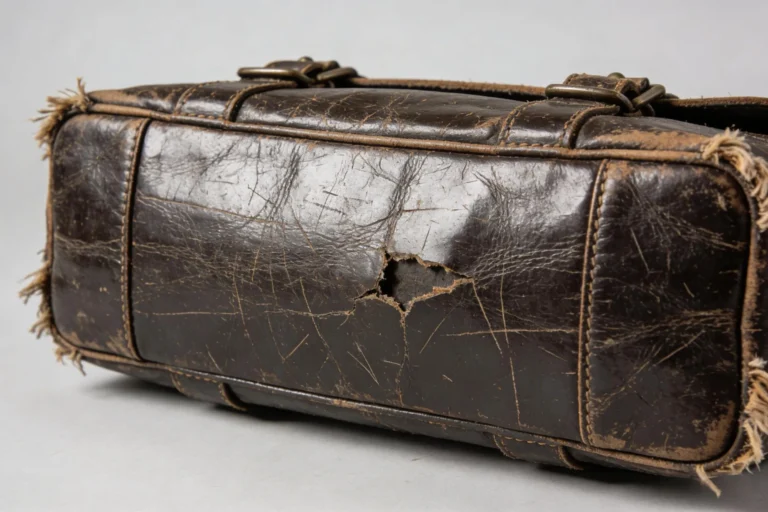
That is why it is commonly treated as the lowest grade of leather in market rankings. It can look neat and feel fine at first, but it usually cannot match the lifespan of full grain, top grain, or even stronger split-based leather products. Over time, bonded leather may peel, crack, or separate because its structure is not the same as a full hide.
Bonded leather is often made from leftover leather scraps, leather scraps and fibers, or other scraps of leather. It can have a role in low-cost covers, inserts, or short-life items, but I would not position it as a premium bag material. If a customer asks for long-term value, I do not recommend it for core carry products.
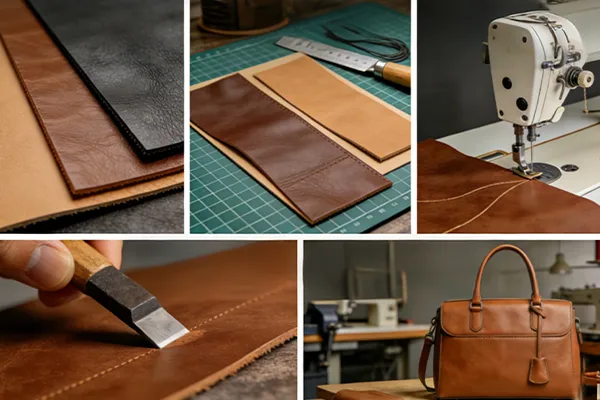
To make smart choices, it helps to know how leather is made. Leather comes from animal hide or skin that is tanned so the fibrous structure stays intact and does not rot. Standards for the trade focus on that preserved fiber network. After tanning, the hide may be split, sanded, embossed, dyed, coated, or polished. Every one of those steps changes performance, feel, and look.
This is why two hides both called leather may behave very differently. One may be vegetable-tanned leather with a rich natural surface. Another may be aniline leather with a light finish that shows more character. Another may be corrected and pigmented for color consistency. In other words, leather is a material with many processing routes, and those routes shape the final leather qualities just as much as the raw hide.
For B2B bag development, I always look beyond “leather is leather.” Thickness, finish adhesion, abrasion performance, color fastness, smell, and cutting yield all affect cost and satisfaction. That is especially true when you need thousands of units under OEM, ODM, or private-label production.
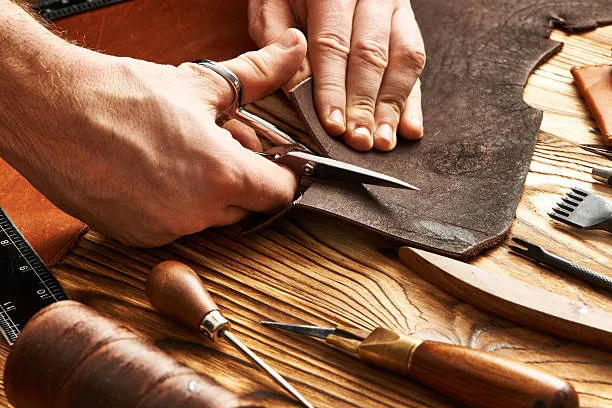
How is leather made
Corrected grain leather is leather that has been sanded or buffed to reduce visible marks, then often embossed to recreate a more uniform surface. Leather USA notes that such corrected grain leather may make up the majority of leather produced worldwide because clean hides are limited and the market often wants visual consistency.
Split leather comes from lower layers after the hide is divided. A split can be coated, embossed, or further finished. That is why you may see terms like finished split leather, split-grain leather, or coated split products in the market. Some suede also comes from split layers, giving it the soft napped feel many fashion buyers like.
Here is a quick comparison:
For many leather types, the key question is not whether they are “good” or “bad,” but whether they fit the product, customer, and price level.
When buying leather goods, I suggest using a simple buyer checklist. Do not rely on one word on a hangtag. Ask the supplier for the exact type of leather, finishing method, thickness, and intended use. Then check samples in your hand. Touch matters. Smell matters. Flex matters. Wear tests matter.
This matters even more in bulk production. A bag that looks great in a showroom sample can fail in shipping or daily use if the leather is less stable than expected. For importers and brand owners, the right sampling process protects reputation and margin. That is why I treat buying leather as both a design choice and a quality-control choice.
There is no one answer for every category. For premium travel bags and heritage collections, full grain is often the top choice. For polished retail collections, top-grain leather can be ideal. For value lines, well-selected genuine leather may work. For very price-driven programs, some buyers consider bonded leather, but I would use caution for products that bend, rub, or carry load every day.
Here is how I usually match material to product:
| Product category | Best fit |
| Premium duffel / briefcase | Full grain leather |
| Fashion tote / branded handbag | Top grain leather |
| Entry-level wallet / gift item | Piel auténtica |
| Low-cost cover / short-life item | Bonded leather |
For custom bag manufacturing, the smartest route is to align leather with your brand position. A high-end lifestyle label should not chase the cheapest hide. A promotional campaign should not overpay for full grain if the product lifecycle is short. Good sourcing is about fit, not hype.
The biggest mistake is assuming that “genuine” means premium. The second biggest mistake is ignoring finish. A heavily coated leather may look flawless but feel less natural. A natural full-grain hide may show marks yet outlast smoother-looking alternatives. This is why shopping for leather should include both marketing claims and technical review.
Another common mistake is chasing a country name instead of construction quality. Italian leather can be excellent, but origin alone does not guarantee performance. The same rule applies everywhere. Tannery standard, finish system, product engineering, and QC matter more than romance. In my experience, global B2B buyers get the best results when they ask sharper questions and compare actual samples side by side.
The best leather decision is rarely the most expensive one. It is the one that matches your brand, price point, and end use.
Bonded leather contains leather fibers, but it is not the same as a solid hide. It is made with leather scraps, binders, and backing material, so it generally does not perform like full grain, top grain, or stronger genuine leather options.
Usually, yes. Genuine leather is made from real hide, while bonded leather is reconstituted from fibers and binders. Even though genuine leather varies a lot, it is generally a better choice for durability than bonded leather.
Yes. Top grain leather is real leather from the top layer of the hide, but the surface has been refined. It is widely used in premium leather goods because it balances look, consistency, and performance.
Not always for every project, but it is often seen as the strongest and most natural option. For brands that want patina, durability, and authenticity, full grain is usually the best match. For smoother fashion collections, top grain may be the better commercial choice.
For premium private-label bags, I usually recommend full grain or top grain depending on the target market. For large-volume commercial programs, top grain often offers the best balance of cost, appearance, and stability.
Ask for clear material definitions, sample swatches, test results, and bulk production references. A reliable supplier should explain whether the leather is full grain, top grain, split, corrected, or bonded and should be comfortable supporting OEM or ODM development.
If you are an importer, distributor, retailer, or brand owner, understanding leather helps you buy better and sell with more confidence. In custom bag manufacturing, leather choice shapes not only product feel, but also claims, returns, repeat orders, and brand trust. That is why material clarity matters so much.
As a China-based OEM, ODM, and private-label bag manufacturer, I see the strongest B2B projects happen when buyers define the product goal first, then match the leather accordingly. Premium is not always the answer. Suitable is.

Le responderemos en un plazo de 24 horas. Si para el caso urgente, por favor agregue WhatsApp/WeChat: +86 15066236153,. O llame directamente al +86 17657177170.
*Respetamos su confidencialidad y toda la información está protegida.
Sólo utilizaremos sus datos para responder a su consulta y nunca le enviaremos correos electrónicos o mensajes promocionales no solicitados.
 último blog
