









كيفية تصميم حقيبة ظهر مخصصة: دليل عملي للعلامات التجارية للحقائب المخصصة والمشترين من الشركات
19 مايو 2026
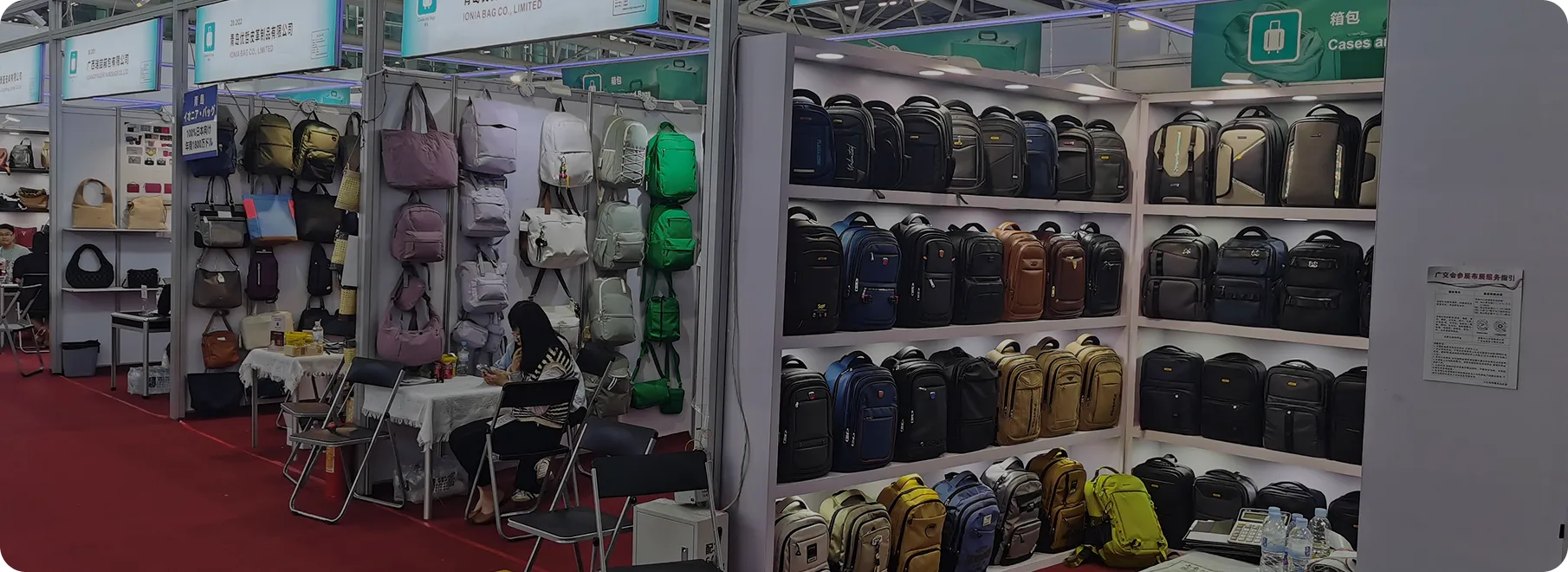
قد يبدو تصميم حقيبة الظهر الرديء جذابًا، لكنه يفشل في الاستخدام الفعلي. فالأحزمة الضعيفة، والجيوب غير المناسبة، والنسيج الرديء، والمقاسات غير الدقيقة يمكن أن تلحق الضرر بسمعة علامتك التجارية. وتبدأ حقيبة الظهر المخصصة الأفضل بتحديد المستخدمين المستهدفين بوضوح، والهيكل الذكي، والمواد الجيدة، وعمل عينات احترافية.
لتصميم حقيبة ظهر مخصصة، حدد المستخدم المستهدف أولاً، ثم خطط لحجم الحقيبة، وتصميم الجيوب، وراحة الأشرطة، والنسيج، وطريقة وضع الشعار، واللون، والتجهيزات المعدنية، وتفاصيل الإنتاج. بعد ذلك، قم بإنشاء رسم تخطيطي أو ملف تقني، وصنع نموذجًا أوليًا، واختبر هيكل الحقيبة، واجمع الملاحظات، وقم بتحسين التصميم قبل الشروع في الإنتاج بكميات كبيرة.
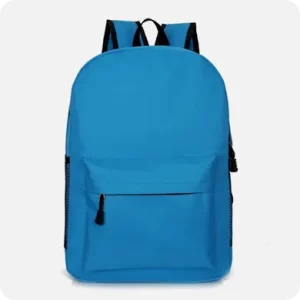
ما هي حقيبة الظهر المصممة حسب الطلب؟
لماذا ينبغي على العلامات التجارية تصميم حقيبة ظهر مخصصة؟
كيف تبدأ في تصميم حقيبة ظهر مخصصة؟
ما هو حجم وأبعاد حقيبة الظهر التي يجب أن تختارها؟
كيف ينبغي تصميم أحزمة حقيبة الظهر وجيوبها وألواحها؟
ما هي المواد والأقمشة الأنسب لصنع حقيبة حسب الطلب؟
كيف يؤثر الشعار والطباعة والتطريز على قيمة العلامة التجارية؟
كيف يمكن تحويل رسم تخطيطي إلى نموذج أولي؟
ما الذي يجب اختباره قبل بدء الإنتاج بكميات كبيرة؟
كيف يمكن للمشترين في قطاع الأعمال (B2B) التعاون مع شركة متخصصة في تصنيع حقائب الظهر المخصصة؟
A حقيبة ظهر مخصصة هي حقيبة ظهر مصممة خصيصًا لتناسب مستخدمًا معينًا وسوقًا معينة ووظيفة محددة وهوية العلامة التجارية. وعلى عكس الحقائب الجاهزة القياسية، يمكن تخصيص حقيبة الظهر حسب الطلب من حيث الحجم والشكل وتصميم الجيوب والنسيج واللون والشعار والسحاب والبطانة والرغوة وهيكل الحزام والتغليف.
بالنسبة للمشترين في قطاع الأعمال (B2B)، لا يقتصر التصميم المخصص على مجرد إضفاء مظهر مختلف على الحقيبة فحسب، بل يتعلق بإنتاج منتج يتناسب مع قناة البيع. فحقيبة الظهر المدرسية، وحقيبة الظهر الخاصة بالكمبيوتر المحمول، وحقيبة الظهر المخصصة للمشي لمسافات طويلة، وحقيبة الظهر الترويجية، والحقيبة ذات الأربطة، وحقيبة الظهر المخصصة للسفر، وحقيبة حمل الحيوانات الأليفة — كلها تتطلب تصميمًا مختلفًا.
بصفتنا شركة تصنيع متخصصة في الحقائب ومنتجات الحيوانات الأليفة حسب الطلب ومقرها الصين، فإننا نساعد في كثير من الأحيان المستوردين والموزعين وبائعي التجارة الإلكترونية والعلامات التجارية الخاصة وموردي المنتجات الترويجية والعلامات التجارية المتخصصة في الأنشطة الخارجية والعلامات التجارية لمنتجات الحيوانات الأليفة على تحويل الفكرة إلى منتج حقيقي. والهدف بسيط: صنع حقيبة ذات مظهر جذاب وأداء جيد ويمكن إنتاجها بجودة ثابتة.
تساعد حقيبة الظهر المصممة خصيصًا العلامة التجارية على التميز في سوق مزدحمة. فإذا كان كل بائع يعرض نفس الطراز الموجود في الكتالوج، فإن المشترين يقارنون الأسعار فقط. ولكن عندما تتميز حقيبة الظهر الخاصة بك بجيوب أفضل، ونسيج أقوى، وأحزمة أكثر راحة، وموضع شعار أكثر أناقة، يصبح بيع المنتج أسهل.
كما يساعد التصميم المخصص في ملاءمة الحقيبة لاحتياجات مستخدم معين. فقد يحتاج الطالب إلى حقيبة ظهر مدرسية خفيفة الوزن. قد يحتاج مستخدم الكمبيوتر المحمول إلى جيب مبطن لحمل الكمبيوتر. وقد تحتاج العلامة التجارية الرياضية إلى نسيج خارجي مقاوم للماء. وقد يحتاج المشتري الترويجي إلى حقيبة منخفضة التكلفة مع طباعة بسيطة. وقد تحتاج العلامة التجارية لمنتجات الحيوانات الأليفة إلى حقيبة حمل للحيوانات الأليفة على شكل حقيبة ظهر مزودة بشبكة تسمح بمرور الهواء وبنية آمنة.
بالنسبة للعلامات التجارية الخاصة وبائعي التجارة الإلكترونية، يمكن أن يسهم التطوير المخصص أيضًا في تعزيز القيمة المتصورة للمنتج. فالتغيير البسيط في التصميم، مثل جيب أمامي محسّن، أو خياطة أكثر متانة، أو تباين لوني فريد، يمكن أن يضفي على المنتج طابعًا أكثر احترافية.
ابدأ بالمستخدم. هذه هي الخطوة الأولى والأهم في عملية التصميم. اسأل نفسك: من سيستخدم هذه الحقيبة؟ أين سيستخدمها؟ ما الذي سيحمله فيها؟ كم مرة سيحملها؟ ما هو النطاق السعري الذي يتوقعه السوق؟
بعد ذلك، حدد الوظيفة الأساسية. فحقيبة الظهر المخصصة لأجهزة الكمبيوتر المحمولة تحتاج إلى الحماية. أما حقيبة الظهر المدرسية فتحتاج إلى الراحة في الاستخدام اليومي. وحقيبة الظهر المخصصة للتنزه تحتاج إلى الدعم ونسيج مقاوم للعوامل الخارجية. أما الحقيبة الترويجية فتحتاج إلى هيكل بسيط وسهولة في وضع العلامة التجارية عليها. وأخيرًا، تحتاج حقيبة الظهر المخصصة للحيوانات الأليفة إلى التهوية والأمان ومواد قابلة للتنظيف.
تتمثل الخطوة الأولى المفيدة في إعداد موجز تصميمي بسيط:
| سؤال متعلق بالتصميم | مثال على الإجابة |
|---|---|
| المستخدم المستهدف | الطلاب، وموظفو المكاتب، والمسافرون، وممارسو الأنشطة الخارجية، وأصحاب الحيوانات الأليفة |
| الاستخدام الرئيسي | المدرسة، التنقل اليومي، تخزين أجهزة الكمبيوتر المحمولة، السفر، الرياضة، العروض الترويجية |
| حجم الهدف | صغيرة، متوسطة، كبيرة، أو بأبعاد مخصصة |
| الميزة الرئيسية | جيب للكمبيوتر المحمول، جيب للزجاجة، منفذ USB، جيب مضاد للسرقة، لوحة شبكية |
| أسلوب العلامة التجارية | أسلوب بسيط، رياضي، خارجي، عصري، للأطفال |
| طريقة الشعار | الطباعة، التطريز، الشارات، الملصقات المنسوجة |
| مستوى الأسعار | اقتصادي، متوسط، فاخر |
| نوع الطلب | OEM، ODM، العلامة التجارية الخاصة، الطلبات الترويجية |
يساعد هذا الملخص الشركة المصنعة على فهم فكرتك قبل الشروع في رسم مخطط أو نموذج أو عينة.
يعتمد حجم حقيبة الظهر على المستخدم والغرض من المنتج. قد تتسع الحقيبة الصغيرة المخصصة للاستخدام اليومي لعدد قليل من الأغراض الشخصية. أما حقيبة الظهر المدرسية فتحتاج إلى مساحة تكفي للكتب والأدوات المكتبية ووجبة الغداء. يجب أن تتناسب حقيبة الظهر المخصصة للكمبيوتر المحمول مع الأحجام الشائعة لأجهزة الكمبيوتر المحمولة، مثل 13 بوصة أو 15 بوصة أو 17 بوصة. وقد تحتاج حقيبة السفر إلى جيب رئيسي أكبر.
كما يجب أن تتناسب أبعاد الحقيبة مع راحة الجسم. فإذا كانت حقيبة الظهر عريضة جدًّا، فقد تبدو ضخمة. وإذا كانت ضيقة جدًّا، فقد لا تتسع لعدد كافٍ من الأغراض. أما إذا كانت طويلة جدًّا، فقد تنزل إلى أسفل الظهر أكثر من اللازم.
بالنسبة لحقائب الظهر المخصصة للأطفال، فإن الراحة والوزن عاملان مهمان. تنصح منظمة HealthyChildren.org التابعة للأكاديمية الأمريكية لطب الأطفال بألا يزيد وزن حقائب الظهر عن 15% من وزن جسم الطفل. ويُعد هذا تذكيرًا مفيدًا للعلامات التجارية التي تصمم الحقائب المدرسية أو حقائب الظهر للأطفال أو الحقائب الترويجية المخصصة للأطفال.
مرجع عملي للأحجام
| نوع حقيبة الظهر | التوجيه المشترك بشأن القدرات | التركيز على التصميم |
|---|---|---|
| حقيبة ظهر للأطفال | صغير الحجم وخفيف الوزن | الراحة، والأمان، وسهولة الفتح |
| حقيبة الظهر المدرسية | متوسط | الكتب، الأدوات المكتبية، الغداء، جيب الزجاجة |
| حقيبة ظهر للكمبيوتر المحمول | متوسطة إلى كبيرة | جيب مبطّن للكمبيوتر المحمول، لوحة مقاومة للصدمات |
| حقيبة ظهر للسفر | كبير | السعة، التنظيم، الدعم الكتفي |
| حقيبة برباط | خفيف الوزن | تكلفة منخفضة، طباعة بسيطة، للاستخدام في المناسبات |
| حقيبة ظهر للاستخدام في الهواء الطلق | متوسطة إلى كبيرة | نسيج متين، دعامة للحزام، مقاومة للعوامل الجوية |
| حقيبة ظهر لحمل الحيوانات الأليفة | مقاس مخصص | التهوية، الهيكل، الراحة، السلامة |
أفضل نصيحة هي أن تبدأ التصميم انطلاقًا من المحتويات الفعلية. قبل أخذ العينات، قم بإعداد قائمة بما يحتاج المستخدم إلى حمله. ثم صمم الحقيبة بناءً على تلك العناصر.
تؤثر أحزمة حقيبة الظهر على الراحة أكثر مما يتوقع العديد من المشترين. يجب أن يكون حزام الكتف الجيد عريضًا بما يكفي، ومبطنًا بشكل كافٍ، ومثبتًا بإحكام بجسم الحقيبة. أما بالنسبة للحقائب الأثقل وزنًا، فإن البطانة الرغوية والخياطة المعززة تعتبران أمرين مهمين.
اللوحة الخلفية لها أهميتها أيضًا. فقد تكون اللوحة المسطحة مناسبة لحقيبة الظهر الترويجية البسيطة. أما اللوحة المبطنة فهي الأنسب لحقائب الكمبيوتر المحمول وحقائب المدرسة وحقائب الظهر المخصصة للسفر. وبالنسبة للاستخدام في الهواء الطلق، قد تساهم الشبكة القابلة للتهوية وأخاديد تدفق الهواء في تعزيز الراحة.
يجب أن تتوافق الجيوب مع سلوك المستخدم الفعلي. فيجب أن يكون جيب الكمبيوتر المحمول مبطّنًا. ويجب أن يتسع جيب الزجاجة لأحجام الزجاجات الشائعة. ويجب أن يكون الجيب الأمامي سهل الفتح. وقد يكون الجيب المخفي مفيدًا أثناء السفر. وقد يؤدي وجود عدد كبير جدًّا من الجيوب إلى زيادة التكلفة وتعقيد عملية الإنتاج، لذا يجب أن يكون لكل جيب سبب واضح لوجوده.
| ما يعمل بشكل أفضل | الغرض من التصميم |
|---|---|
| حزام الكتف | الراحة ودعم الحمولة |
| نقطة تثبيت أحزمة حقيبة الظهر | القوة والمتانة |
| اللوحة الخلفية | الراحة، الحشو، التهوية |
| الحجرة الرئيسية | سعة التخزين الرئيسية |
| جيب للكمبيوتر المحمول | حماية الجهاز |
| الجيب الأمامي | عناصر الوصول السريع |
| جيب جانبي | مكان لتخزين الزجاجات أو المظلات |
| جيب داخلي | المنظمة |
| اللوحة السفلية | مقاومة التآكل ودعم الشكل |
| تقوية الخياطة | عمر خدمة أطول |
التصميم الجيد ليس دائمًا معقدًا. فهو واضح ومفيد وسهل التنفيذ بشكل متسق.
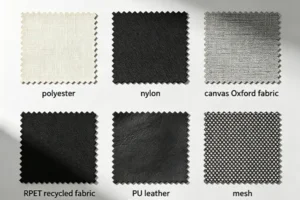
يعتمد اختيار المادة المناسبة على السعر والوظيفة والسوق المستهدفة. ومن بين الأقمشة الشائعة المستخدمة في صناعة حقائب الظهر: البوليستر، والنايلون، والقماش الخشن، وقماش أكسفورد،, نسيج RPET المعاد تدويره،, جلد PU، ونسيج مطلي بالـ PVC، وشبكة. تختلف كل نوع من أنواع الأقمشة من حيث التكلفة والوزن والملمس والمتانة وأداء الطباعة.
يُستخدم البوليستر بشكل شائع في صناعة الحقائب المدرسية والحقائب الترويجية وحقائب الظهر اليومية، وذلك لكونه مادة اقتصادية ومرنة. أما النايلون فيُستخدم غالبًا عندما يبحث المشترون عن متانة أكبر ووزن أخف. ويضفي القماش الكانفاس مظهرًا غير رسمي. ويحظى نسيج «أوكسفورد» بشعبية واسعة في صناعة العديد من الحقائب العملية. أما الشبك فهو مفيد في الجيوب الجانبية وألواح التهوية وتصميمات منتجات الحيوانات الأليفة.
بالنسبة للمشترين الراغبين في الحصول على علامات السلامة الخاصة بالمنسوجات، يُعد معيار OEKO-TEX STANDARD 100 إحدى العلامات المعترف بها للمنتجات التي خضعت لاختبارات الكشف عن المواد الضارة، بدءًا من الخيوط وصولاً إلى المنتج النهائي. وقد يكون ذلك مهمًا للعلامات التجارية التي تبيع حقائب الظهر أو منتجات الحيوانات الأليفة أو غيرها من المنتجات النسيجية في الأسواق التي يهتم فيها المشترون بسلامة المواد.
| المواد | الميزة الرئيسية | الاستخدام الشائع |
|---|---|---|
| بوليستر | فعالة من حيث التكلفة ومرنة | حقائب مدرسية، وحقائب ظهر ترويجية |
| نايلون | متينة وخفيفة الوزن | حقائب السفر والأنشطة الخارجية |
| قماش أكسفورد | متينة ومنظمة | حقائب أجهزة الكمبيوتر المحمولة، حقائب رياضية |
| اللوحة القماشية | إطلالة عادية وطبيعية | حقائب الموضة وأسلوب الحياة |
| نسيج RPET | خيار المواد المعاد تدويرها | أكياس ذات علامة تجارية خاصة ذات طابع بيئي |
| شبكة | قابل للتهوية | جيوب جانبية، حقائب نقل الحيوانات الأليفة |
| جلد البولي يوريثان | مظهر فاخر | حقائب الظهر العصرية، وحقائب العمل |
فيما يتعلق بالادعاءات البيئية، مثل استخدام مواد معاد تدويرها أو صديقة للبيئة، يجب على العلامات التجارية توخي الحذر. فقد صُممت «الأدلة الخضراء» الصادرة عن لجنة التجارة الفيدرالية (FTC) لمساعدة المسوقين على تجنب الادعاءات البيئية المضللة، ويجب أن تكون الادعاءات المتعلقة بالمحتوى المعاد تدويره واضحة ومدعومة بالأدلة.
يُعد وضع العلامة التجارية أحد أهم الأسباب التي تدفع إلى تخصيص حقيبة الظهر. فالشعار قادر على تحويل حقيبة عادية إلى منتج يحمل علامة تجارية خاصة. لكن طريقة وضع الشعار يجب أن تتناسب مع النسيج وكمية الطلب والميزانية والأسلوب المستهدف.
تشمل الطرق الشائعة لوضع العلامات التجارية الطباعة بالشاشة الحريرية، والطباعة بالنقل الحراري، والتطريز، والرقع المطاطية، والملصقات المنسوجة، والرقع الجلدية، والشارات المعدنية، وشعار سحاب السوستة. غالبًا ما تكون الطباعة مناسبة للأكياس الترويجية والشعارات الكبيرة البسيطة. أما التطريز فيضفي مظهرًا أكثر فخامة، لكنه قد لا يكون مناسبًا للتصاميم الصغيرة جدًّا أو المعقدة.
يجب على العلامة التجارية أيضًا أن تراعي موقع الشعار. من الشائع وضعه على اللوحة الأمامية، بينما يمكن أن يكون وضعه على الجانب أكثر رقة. ويمكن أن تضفي العلامة المنسوجة على الحقيبة مظهرًا أكثر جاهزية للبيع بالتجزئة. وبالنسبة لبائعي التجارة الإلكترونية، يجب أن يظهر الشعار بشكل جيد في الصور، لأن صور المنتجات على الإنترنت تؤثر بشكل كبير على قرارات العملاء.
| الطريقة | أفضل لـ | ملاحظات |
|---|---|---|
| الطباعة بالشاشة | شعارات بسيطة، كميات كبيرة | فعالة من حيث التكلفة |
| نقل الحرارة | تصاميم ملونة | مناسب للأعمال الفنية التفصيلية |
| التطريز | مظهر متميز | أفضل للشعارات البسيطة |
| ملصق منسوج | التجزئة والعلامات التجارية الخاصة | نظيف واحترافي |
| رقعة مطاطية | الأنماط الخارجية والرياضية | تأثير بصري قوي |
| رقعة جلدية | أسلوب الحياة والطراز الكلاسيكي | مناسبة للحقائب القماشية |
| شارة معدنية | منتجات فاخرة | ارتفاع التكلفة |
الحقيبة الظهر القوية المصممة حسب الطلب لا تحتاج إلى شعار ضخم. ففي بعض الأحيان، تبدو العلامة التجارية البسيطة والموضوعة في المكان المناسب أكثر احترافية.
بعد توضيح الفكرة، تتمثل الخطوة التالية في رسم مخطط أولي لحقيبة الظهر. يمكن أن يكون المخطط بسيطًا في البداية. يمكنك رسم الواجهة الأمامية والجانبية والخلفية والتصميم الداخلي ومواقع الجيوب وشكل الأشرطة وموضع الشعار على الورق. إذا استخدمت برنامج Adobe Illustrator أو أي أداة رقمية أخرى، فسيكون التصميم أكثر دقة.
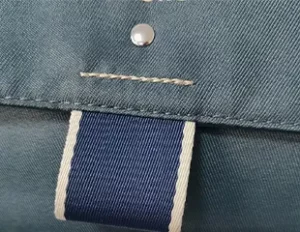
وينبغي بعد ذلك تحويل الرسم التخطيطي إلى حزمة تقنية. وعادةً ما تتضمن الحزمة التقنية الأبعاد، والمواد، والألوان، وطريقة وضع الشعار، وتفاصيل الجيوب، ونوع السحاب، والبطانة، والقطع المعدنية، ومتطلبات الخياطة، وموضع الملصق، والتغليف، وأي ملاحظات خاصة. وتساعد هذه الوثيقة الشركة المصنعة على إنشاء نمط صحيح.
القالب هو الشكل الفني المستخدم لقص كل قطعة قماش. وبمجرد أن يصبح القالب جاهزًا، يمكن للمصنع قص القماش وخياطة العينة الأولى وإنشاء نموذج أولي. وتُظهر هذه العينة ما إذا كانت الفكرة قابلة للتطبيق في الواقع.
تظهر العديد من المشكلات في مرحلة النموذج الأولي. وهذا أمر جيد. فمن الأفضل إصلاح المشكلات قبل بدء الإنتاج بكميات كبيرة بدلاً من إصلاحها بعد الشحن.
يُعد الاختبار جزءًا لا يتجزأ من عملية تطوير حقائب الظهر المخصصة بشكل مسؤول. وعلى المستوى الأساسي، يجب فحص العينة للتأكد من الحجم واللون والخياطة وتصميم الجيوب وسلاسة السحّاب ومتانة الأشرطة ودقة الشعار.
أما بالنسبة للحقائب المدرسية، أو حقائب الأطفال، أو الحقائب المرتبطة بمنتجات الحيوانات الأليفة، فقد تتطلب مسائل السلامة والامتثال مزيدًا من الاهتمام. وتشير لجنة سلامة المنتجات الاستهلاكية (CPSC) إلى أن مصنعي ومستوردي منتجات الأطفال الخاضعة لقواعد سلامة منتجات الأطفال يجب أن يثبتوا الامتثال من خلال «شهادة منتجات الأطفال»، وقد تشمل بعض المتطلبات قواعد تتعلق بالفثالات.
وفيما يتعلق بمنتجات الأطفال، توضح لجنة سلامة المنتجات الاستهلاكية (CPSC) أيضًا أنه يتعين على المصنعين والمستوردين تحديد المتطلبات التي تنطبق على هذه المنتجات بناءً على الفئات العمرية، والخصائص الفيزيائية والميكانيكية، والمواد المستخدمة، كما يجب أن تحمل منتجات الأطفال معلومات التتبع المطلوبة.
| عنصر الاختبار | ما يجب التحقق منه |
|---|---|
| البعد | هل تتوافق حقيبة الظهر مع الحجم المسموح به؟ |
| قماش | هل المادة صحيحة من حيث اللون والوزن والملمس؟ |
| قوة الحزام | هل الأشرطة مثبتة بإحكام؟ |
| جودة الخياطة | هل الغرز مستقيمة ومقواة؟ |
| سحاب | هل يفتح ويغلق بسلاسة؟ |
| تصميم الجيب | هل الجيوب مفيدة وموضوعة في المكان الصحيح؟ |
| الشعار | هل الطباعة أم التطريز أكثر دقة؟ |
| اللون | هل يتطابق مع ألوان بانتون أو العينة المعتمدة؟ |
| الأجهزة | هل الأبازيم والمزلاج والمقابض قوية بما يكفي؟ |
| التعبئة والتغليف | هل تم تغليف الحقيبة بشكل آمن للشحن؟ |
وهذه هي أيضًا مرحلة التجريب. قم بفحص العينة، وقدم ملاحظات واضحة، وحسّن التصميم قبل الشروع في الإنتاج الضخم.
يصبح العمل مع الشركة المصنعة أسهل عندما يقوم المشتري بإعداد معلومات واضحة. ليس من الضروري أن تكون كل التفاصيل مثالية، ولكن يجب عليك تقديم الغرض من المنتج، والمستخدم المستهدف، والفكرة العامة للحجم، والكمية، ومستوى الميزانية، وملف الشعار، والمواد المفضلة، والصور المرجعية، ومتطلبات التغليف.
بصفتنا شركة تصنيع متخصصة في الحقائب ومنتجات الحيوانات الأليفة، ومقرها الصين، فإننا نقدم الدعم لـ مشاريع OEM و ODM والعلامات التجارية الخاصة. للمشترين العالميين في قطاع B2B. تشمل مجموعة منتجاتنا الحقائب المصممة حسب الطلب، وحقائب الظهر، وحقائب نقل الحيوانات الأليفة، وألعاب الحيوانات الأليفة، وأسرة الحيوانات الأليفة، وبيوت الحيوانات الأليفة. وبالنسبة للعلامات التجارية التي تبيع كلاً من حقائب الموضة ومنتجات الحيوانات الأليفة، فإن هذا يمكن أن يساعد في تبسيط إدارة الموردين.
تبدو عملية التواصل العملية على النحو التالي:
| الخطوة | يقدم المشتري | دعم الشركات المصنعة |
|---|---|---|
| الاستفسار | الفكرة، السوق المستهدفة، الكمية | نصائح حول المنتج وتقدير أولي للسعر |
| التصميم | الرسم التخطيطي، المرجع، الشعار، الحجم | اقتراحات بشأن المواد والهيكل |
| أخذ العينات | التفاصيل المعتمدة | تصميم القوالب والنماذج الأولية |
| مراجعة | الملاحظات والتعديلات | نموذج للمراجعة |
| التأكيد | الموافقة النهائية على العينة | تخطيط الإنتاج بالجملة |
| الإنتاج | تفاصيل الإيداع والطلب | القص، الخياطة، مراقبة الجودة، التعبئة |
| الشحنة | طريقة الشحن | دعم التعبئة والتغليف والتسليم للصادرات |
لا ينبغي أن يكتفي المصنع الجيد بمجرد الموافقة على كل فكرة. بل يجب عليه أن يساعد في توضيح ما هو عملي، وما يؤثر على التكلفة، وما قد يشكل مخاطرة في الإنتاج.
أحد الأخطاء الشائعة هو التركيز على المظهر فقط. يجب أن تكون حقيبة الظهر جذابة المظهر، ولكن يجب أيضًا أن تتحمل الوزن، وتحمي المحتويات، وتصمد أمام الاستخدام اليومي. فالحقيبة الجميلة ذات البنية الضعيفة لن تبني ثقة طويلة الأمد بالعلامة التجارية.
ومن الأخطاء الأخرى إضافة عدد مفرط من الميزات. فزيادة عدد الجيوب والأشرطة والألواح والقطع المعدنية قد تؤدي إلى ارتفاع التكلفة وزيادة تعقيد عملية الإنتاج. وإذا كان المشتري المستهدف لا يحتاج إلى تلك الميزات، فقد لا تضيف أي قيمة.
الخطأ الثالث هو تجاهل مسألة التغليف والشحن. فحقيبة الظهر التي تحتوي على رغوة سميكة أو ذات هيكل صلب أو ذات أبعاد كبيرة قد تشغل مساحة أكبر في الصندوق الكرتوني. وهذا قد يؤدي إلى ارتفاع تكلفة الشحن. وبالنسبة للمشترين في قطاع الأعمال (B2B)، فإن التكلفة الإجمالية عند الاستلام لا تقل أهمية عن سعر المصنع.
أخطاء التصميم التي يجب تجنبها
يحقق أفضل تصميم مخصص التوازن بين الوظيفة والتكلفة والأسلوب واستقرار الإنتاج.
لتصميم حقائب ظهر مخصصة، ابدأ بفهم السوق. فقد يرغب مشترٍ من قطاع الشركات في حقيبة ظهر تحمل شعارًا بسيطًا لتقديمها كهدايا للموظفين. وقد تفضل علامة تجارية متخصصة في الأنشطة الخارجية نسيجًا أكثر متانة وأحزمة معززة وطلاءً مقاومًا للماء. وقد يرغب بائع في مجال التجارة الإلكترونية في تركيبة ألوان مبتكرة تظهر بشكل جيد في الصور. وقد تفضل علامة تجارية متخصصة في منتجات الحيوانات الأليفة حقيبة ظهر مزودة بنوافذ شبكية ووسائد قابلة للغسل.
تتطلب الأسواق المختلفة أولويات تصميمية مختلفة:
| السوق | أولوية التصميم |
|---|---|
| المنتجات الترويجية | تكلفة منخفضة، طباعة شعار بسيطة، تسليم سريع |
| حقائب مدرسية | الراحة، والمتانة، والسلامة، والتصميم خفيف الوزن |
| حقائب أجهزة الكمبيوتر المحمولة | جيب مبطّن، تصميم أنيق، تنظيم |
| حقائب السفر | السعة، جيب آمن، أحزمة مريحة |
| العلامات التجارية المتخصصة في الأنشطة الخارجية | نسيج متين، جيوب عملية، مقاومة للعوامل الجوية |
| العلامات التجارية للأزياء | الشكل، واللون، وملمس النسيج، وتفاصيل العلامة التجارية |
| العلامات التجارية لمنتجات الحيوانات الأليفة | التهوية، السلامة، الراحة، الأجزاء القابلة للتنظيف |
لا ينبغي أن تسعى حقيبة الظهر المصممة حسب الطلب إلى تلبية احتياجات جميع شرائح السوق. فكلما حددت شريحة المشترين بشكل أوضح، زادت سهولة ابتكار منتج قوي.
كيف يمكنني تصميم حقيبة ظهر مخصصة؟
ابدأ بتحديد المستخدم المستهدف والوظيفة الرئيسية. ثم خطط للحجم، وتصميم الجيوب، وهيكل الحزام، والنسيج، واللون، وطريقة وضع الشعار، والتغليف. قم بإنشاء رسم تخطيطي أو حزمة تقنية، ثم قم بـ نموذج أولي, ، واختباره، ومراجعته، والموافقة على العينة النهائية قبل بدء الإنتاج بكميات كبيرة.
ما هي المعلومات التي يجب أن أرسلها إلى الشركة المصنعة لحقائب الظهر؟
أرسل فكرتك، والصور المرجعية، والحجم، والمواد المفضلة، وملف الشعار، والكمية، والسعر المستهدف، ومتطلبات التغليف، والاستخدام في السوق. إذا كان لديك رسم تخطيطي، أو مرجع من الكتالوج، أو عينة، فسيكون ذلك مفيدًا للمصنع في تقديم عرض أسعار أكثر دقة.
هل يمكنني اختيار مادة صنع حقيبة الظهر؟
نعم. يمكنك تخصيص القماش، والبطانة، والسحاب، والمشبك، والرغوة، والشبكة، والأشرطة، واللون، والشعار، والتغليف. وتشمل المواد الشائعة البوليستر، والنايلون، وقماش أكسفورد، والقماش الخشن، وقماش RPET، والشبكة، والجلد البولي يوريثان.
ما هي أفضل طريقة لوضع الشعار على حقيبة ظهر مخصصة؟
يعتمد ذلك على التصميم. تعد الطباعة الحريرية خيارًا جيدًا للشعارات البسيطة والاقتصادية. أما التطريز فيضفي مظهرًا فاخرًا. كما أن الملصقات المنسوجة، والرقع المطاطية، والرقع الجلدية، والشارات المعدنية شائعة الاستخدام في حقائب الظهر التي تحمل علامات تجارية خاصة.
كم من الوقت يستغرق تصنيع عينة حقيبة ظهر مخصصة؟
يعتمد وقت إنتاج العينات على مدى تعقيد التصميم، وتوافر المواد، وطريقة طباعة الشعار، واحتياجات المراجعة. فقد يكون إنتاج حقيبة ترويجية بسيطة أسرع، في حين أن حقيبة الظهر المخصصة للكمبيوتر المحمول ذات الهيكل الصلب أو حقيبة الظهر المخصصة لنقل الحيوانات الأليفة قد تتطلب وقتًا أطول في التطوير.
هل يمكنني طلب حقيبة ظهر مخصصة تحمل علامتي التجارية الخاصة؟
نعم. يمكن أن يشمل الإنتاج وفقًا لمعايير OEM وODM والعلامات التجارية الخاصة شعار علامتك التجارية، والملصق، والتغليف، واللون، والنسيج، والهيكل، وتفاصيل التصميم. وهذا أمر شائع بالنسبة للمستوردين والموزعين وبائعي التجارة الإلكترونية وموردي المنتجات الترويجية.
ما الفرق بين حقائب الظهر من نوع OEM و ODM؟
يعني مصطلح «OEM» أن الشركة المصنعة تنتج المنتج وفقًا لتصميمك. أما مصطلح «ODM» فيعني أن الشركة المصنعة توفر تصميمًا موجودًا مسبقًا أو تم تطويره في المصنع، ويمكنك تخصيصه بشعارك ولونك والمواد المستخدمة والتغليف.
يجب أن تبدأ عملية تصميم حقيبة ظهر مخصصة بتحديد المستخدم والغرض والسوق بشكل واضح.
يحقق التصميم الجيد لحقيبة الظهر التوازن بين الأناقة والراحة والهيكل والتكلفة وإمكانية الإنتاج.
تشمل الأجزاء المهمة في التصميم الأشرطة، والجيوب، والألواح، والنسيج، والسحاب، والدرزات، والشعار، والتغليف.
يساعد الرسم التخطيطي وملف المواصفات الفنية في تحويل الفكرة إلى خطة إنتاج واضحة.
يُعد النموذج الأولي أمرًا ضروريًا قبل الشروع في الإنتاج بكميات كبيرة.
يؤثر اختيار المواد على المتانة والسعر والوزن ومكانة العلامة التجارية.
تُحدث الطباعة والتطريز والرقع والملصقات تأثيرات مختلفة للعلامة التجارية.
يجب على المشترين في قطاع الأعمال (B2B) تجهيز الكميات والسعر المستهدف وملفات الشعار والصور المرجعية ومتطلبات التغليف قبل تقديم الاستفسار.
يجب التحقق من معايير السلامة واختبارات المنسوجات والمزاعم البيئية عند البيع في الأسواق الخاضعة للتنظيم.
يمكن لشركة تصنيع الحقائب المخصصة الموثوقة أن تقدم الدعم في مجالات تصنيع المعدات الأصلية (OEM)، وتصميم وتصنيع المنتجات (ODM)، والعلامات التجارية الخاصة، وتقديم العينات، والإنتاج، ومراقبة الجودة، والتصدير.
سنرد عليك في غضون 24 ساعة. إذا كانت الحالة طارئة، يُرجى إضافة واتساب/وي شات: +86 15066236153,. أو اتصل على +86 17657177170 مباشرة.
*نحن نحترم سريتك وجميع معلوماتك محمية.
لن نستخدم معلوماتك إلا للرد على استفسارك ولن نرسل أبداً رسائل بريد إلكتروني غير مرغوب فيها أو رسائل ترويجية.
 آخر مدونة
