




دليل أقمشة حقائب القماش الخشن: ما هي المواد المستخدمة في حقيبة القماش الخشن المتينة للسفر وحقيبة الظهر والأمتعة؟
07 مايو 2026
الحقائب الرخيصة تفشل بسرعة. فهي تتشقق أو تتدلى أو تتسرب أو تتمزق عند السحاب عندما يكون المشترون في أمس الحاجة إليها. ويؤدي ذلك إلى إرجاعها وتقييمات سيئة وفقدان الثقة. الحل بسيط: اختر خامات الحقائب القماشية المناسبة للمنتج والمستخدم والسوق المناسبين.
المواد الأكثر شيوعًا المستخدمة في حقيبة من القماش الخشن هي خيارات القماش والنايلون والبوليستر والجلد. لكل نسيج نقاط قوة مختلفة في المتانة والوزن والمظهر والسعر ومقاومة الماء. بالنسبة لمعظم الاستخدامات العصرية في السفر أو الصالة الرياضية، فإن النايلون أو البوليستر هو الأفضل، بينما يناسب القماش أو الجلد العلامات التجارية التي تريد أسلوبًا أكثر تميزًا أو كلاسيكية.
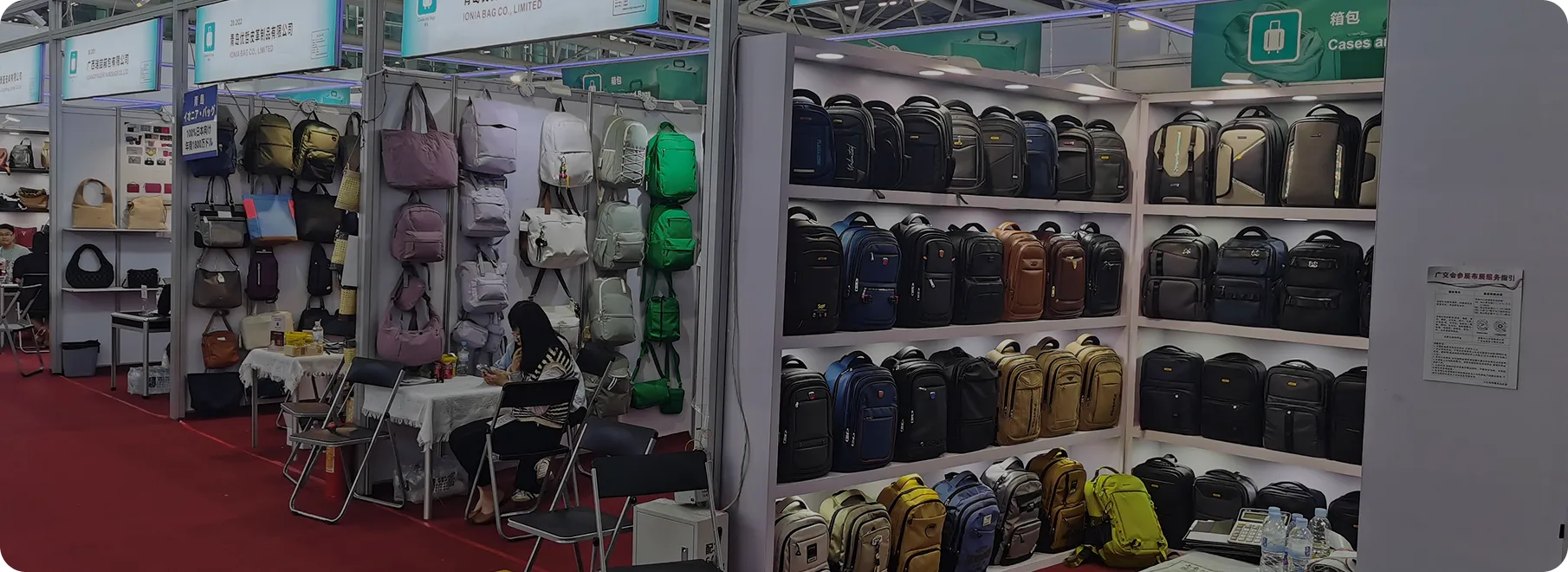
عندما يسألنا المشترون عن المواد الأفضل للحقائب القماشية الخشنة، تكون إجابتنا دائمًا هي نفسها: يعتمد ذلك على الوظيفة التي يجب أن تقوم بها الحقيبة. وبصفتنا شركة مصنعة للحقائب المخصصة ومنتجات الحيوانات الأليفة ومقرها الصين، فإننا نعمل مع المستوردين والموزعين والعلامات التجارية ذات العلامات التجارية الخاصة وبائعي التجارة الإلكترونية والعلامات التجارية لمنتجات الحيوانات الأليفة التي تحتاج إلى تصميمات عملية وقابلة للتطوير وجاهزة للسوق. قد تجذب الحقيبة الأنيقة الانتباه، ولكن القماش المناسب والبطانة والسحاب والطلاء هي ما يجعلها تباع بشكل جيد وتدوم.
سيساعدك دليل المواد الكامل هذا على فهم معنى القماش المستخدم في حقيبة القماش الخشن الحديثة في الإنتاج. سوف نقارن المواد الأساسية، ونشرح الأداء المقاوم للماء والمقاوم للماء، ونوضح كيفية مطابقة المواد مع حالات الاستخدام الحقيقية مثل حقيبة الصالة الرياضية أو حقيبة السفر أو حقيبة الحيوانات الأليفة أو الحقيبة الرياضية أو الحقيبة الترويجية للعلامة التجارية.
ما هي المواد الرئيسية المستخدمة في حقائب القماش الخشن اليوم؟
لماذا لا يزال القماش القماشي قماشاً كلاسيكياً للحقائب القماشية؟
هل النايلون هو أفضل مادة للاستخدام المقاوم للماء والاستخدام الشاق؟
كيف يمكن مقارنة البوليستر بالنايلون من حيث التكلفة والمتانة؟
ما الذي يجعل الحقيبة القماشية مقاومة للماء أو مقاومة للماء؟
هل خامات حقائب القماش الخشن الصديقة للبيئة عملية حقًا للعلامات التجارية؟
ما هي خامات حقيبة القماش الخشن التي تناسب حالات الاستخدام المختلفة؟
ما هي التفاصيل المهمة إلى جانب النسيج الخارجي؟
هل تغير المواد الفاخرة مثل القماش المشمع والجلد من نظرة المشتري؟
كيف يجب على مشتري B2B اختيار خامات أكياس القماش الخشن للإنتاج حسب الطلب؟
ما الذي تعلمناه من مشاريع تصنيع المعدات الأصلية الحقيقية ومشاريع الحقائب القماشية الخاصة؟
تُصنع معظم منتجات الحقائب القماشية الحديثة من أربع عائلات من المواد الرئيسية: القماش، والنايلون، والبوليستر، والمواد المستوحاة من الجلد. هذه هي أساس معظم حقائب السفر، والحقائب القماشية، والحقائب الرياضية، ومنتجات الأمتعة الناعمة في السوق العالمية. في حين أن بعض منتجات الأزياء قد تستخدم منسوجات غير معتادة، إلا أن هذه الخيارات الأربعة هي السائدة لأنها توازن بين السعر والوظيفة والمظهر وكفاءة الإنتاج.
حقائب قماشية غالبًا ما تستخدم خيوط قطنية أو خيوط ممزوجة وتعطي ملمسًا طبيعيًا ومنظمًا. يُعرف النايلون بقوته العالية وخفة وزنه ومتانته القوية تحت الضغط. تحظى حقائب البوليستر بشعبية كبيرة لأنها ميسورة التكلفة وسهلة الطباعة ومتاحة على نطاق واسع. تخلق الحقيبة الجلدية، خاصة تلك المصنوعة من الجلد المحبب بالكامل، صورة أكثر تميزًا، ولكنها أيضًا ترفع التكلفة والوزن. في بعض التصاميم المتخصصة، قد تختبر العلامات التجارية أيضًا القماش الصوفي، ولكن هذا أقل شيوعًا بالنسبة لمواد حقائب الحقائب القماشية التي تباع في الأسواق الكبيرة.
من وجهة نظر التصنيع، لا تتعلق أفضل المواد بالمظهر فقط. بل يتعلق الأمر بكيفية استخدام الحقيبة، ومقدار الوزن الذي يجب أن تحمله، والسوق الذي ستدخله، وكيف يجب أن يكون ملمس التصميم النهائي في يد المشتري.
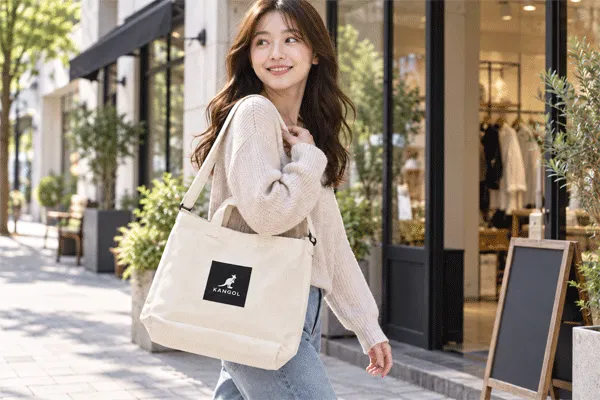
يظل قماش الكانفاس هو المفضل لأنه يمنح شعوراً بالصدق والمتانة والخلود. يرغب العديد من المشترين في حقيبة تبدو أقل تقنية وأكثر طبيعية، خاصة للسفر غير الرسمي، وتجارة التجزئة في نمط الحياة، والهدايا الخارجية، والعلامات التجارية في البوتيك. تُصنع الحقائب القماشية التقليدية من ألياف القطن أو الكتان، وهذا يمنحها ملمسًا أثقل من الأقمشة الاصطناعية.
يمنح الهيكل القماشي الثقيل الحقيبة شكلاً ووزناً بصرياً. كما أنه يعمل بشكل جيد مع الطباعة على الشاشة، والتطريز، والعلامات التجارية ذات الرقع، والزخارف ذات الطراز القديم. لهذا السبب، يختار العديد من المستوردين القماش القماشي لمجموعات الحقائب اليومية وحقائب عطلة نهاية الأسبوع والتصاميم المستوحاة من حقائب الظهر أو حقائب الظهر. يمكن أن تبدو الحقيبة القماشية الجيدة بسيطة وأنيقة في نفس الوقت.
ومع ذلك، فإن القماش العادي ليس مقاومًا للماء بشكل طبيعي. يمكن أن يمتص الرطوبة ما لم تتم إضافة معالجة أو طلاء. وهنا يصبح القماش المشمّع شائعاً. يحسّن القماش المشمّع من مقاومة الماء ويخلق سطحًا متينًا ويضيف طابعًا مميزًا بمرور الوقت. بالنسبة للعلامات التجارية التي تستهدف عملاء أسلوب الحياة أو التخييم أو المغامرات في الهواء الطلق، غالبًا ما يكون القماش المشمع خيارًا ذكيًا.
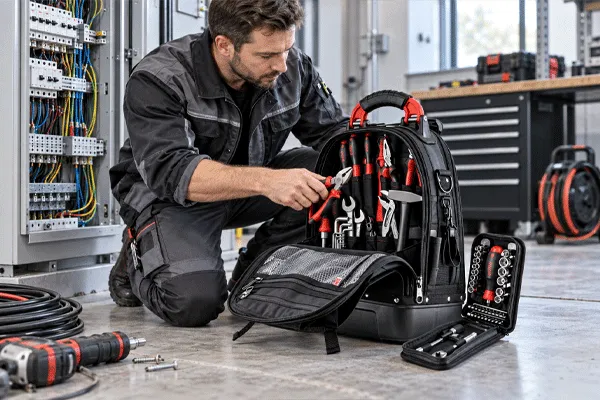
في العديد من المنتجات التي تركز على الأداء، نعم. إذا أراد المشتري وزنًا أقل وقوة أعلى وأداءً أفضل ضد الماء، فغالبًا ما نستخدم النايلون. هذه المادة شائعة في الحقائب الرياضية، وحقائب الحمل على غرار حقائب الطيران، والمنتجات المستوحاة من المنتجات التكتيكية، والأمتعة القابلة للطي، وتصميمات حقائب الظهر ذات الاستخدام النشط. وهي تؤدي أداءً جيدًا بشكل خاص في المنتجات التي تواجه التآكل والضغط والطي المتكرر.
ومن الأمثلة الجيدة على ذلك النايلون 420D، الذي يوفر توازناً قوياً بين الوزن والقوة. بالنسبة للتصميمات الأكثر تطلبًا، قد تستخدم المصانع تركيبات أعلى منكرًا أو هياكل ريبستوب. صُمم نايلون ريبستوب للمساعدة في مقاومة التمزق، لذلك إذا حدث ثقب، فمن غير المرجح أن ينتشر بسرعة. وهذا ما يجعل النايلون مناسبًا للاستخدام الثقيل ونقل العتاد والمنتجات التي تحمل الأدوات أو الأحذية أو المعدات الرياضية.
يستجيب النايلون أيضًا بشكل جيد للمعالجة السطحية. يمكن لغطاء النايلون المطلي بطبقة خارجية من النايلون مع دعامة من البولي يوريثان أن يجعلها مقاومة للماء أو مقاومة للماء بشدة. أضف سحابًا جيدًا ودرزات محكمة الغلق وحزامًا قويًا وحزامًا مقوى وستحصل على حقيبة مصممة للظروف الصعبة. بالنسبة لفئات السفر أو الصالات الرياضية، يعتبر النايلون من أكثر الخيارات أماناً.
البوليستر هو أحد أكثر المواد المستخدمة على نطاق واسع في إنتاج الأكياس التجارية لأنه عملي وفعال من حيث التكلفة. بالنسبة للعديد من المشترين، خاصةً العلامات التجارية الترويجية والبائعين عبر الإنترنت والمستوردين بكميات كبيرة، يوفر البوليستر الأساسي أفضل نقطة دخول. فهو أسهل من حيث الميزانية من النايلون ولا يزال يؤدي أداءً جيدًا للعديد من المنتجات القياسية.
بالمقارنة مع النايلون، عادةً ما يكون البوليستر أقل نعومة قليلاً ولا يكون دائماً مقاوماً للتآكل، ولكنه يتمتع بنقاط قوة حقيقية. فهو يحمل اللون جيدًا، ويدعم العديد من طرق الطباعة، ويمكن أن يوفر متانة قوية لمنتجات الحمل اليومي. بالنسبة للحقيبة الرياضية القياسية أو الحقيبة القماشية غير الرسمية أو حقيبة السفر الخفيفة، غالبًا ما يوفر البوليستر أداءً كافيًا دون رفع تكلفة المصنع كثيرًا.
من واقع خبرتنا، فإن النايلون أو البوليستر هما الخياران الأكثر شيوعًا للطلبات المخصصة كبيرة الحجم. وغالباً ما يكون النايلون أكثر صلابة، بينما يفوز البوليستر من حيث السعر وثبات العرض. عندما يرغب العميل في تحقيق توازن ذكي بين المظهر والوظيفة والميزانية، عادةً ما يكون البوليستر مرشحاً قوياً. وهذا هو السبب في أن العديد من مشاريع العلامات الخاصة العالمية تبدأ بالبوليستر.
جدول المقارنة السريعة بين المواد
| المواد | القوة الرئيسية | نقطة الضعف الرئيسية | أفضل لـ | أسلوب الإحساس بالأناقة |
|---|---|---|---|---|
| اللوحة القماشية | بنية ومظهر طبيعي وملمس العلامة التجارية | مقاومة أقل للماء الطبيعي | حقائب لايف ستايل، حقائب صوفية غير رسمية، مجموعات التجزئة | كلاسيكي |
| قماش مشمع | مقاومة أفضل للماء وملمس متين | أثقل وزناً وأعلى تكلفة | علامة تجارية تراثية في الهواء الطلق، ونمط حياة خارجي متميز | عتيق |
| نايلون | خفيفة الوزن وقوية ومقاومة عالية للتآكل | عادة ما تكون تكلفته أعلى من البوليستر | حقائب الرياضة والسفر والحقائب الثقيلة | التقنية |
| بوليستر | إمدادات مستقرة وبأسعار معقولة وقابلة للطباعة وبأسعار معقولة | ملمس أقل فخامة قليلاً | السوق الشاملة، والترويجية، والتجارة الإلكترونية | نظيفة ومتعددة الاستخدامات |
| جلد/بولي يوريثان | صورة متميزة وقيمة بصرية قوية | الوزن والسعر والصيانة | الحقائب التنفيذية أو حقائب الهدايا | بريميوم |
يستخدم العديد من المشترين الكلمتين "مقاومة للماء" و"مقاومة للماء" كما لو كانتا تعنيان نفس الشيء، لكنهما لا تعنيان نفس الشيء. يمكن أن تتحمل الحقيبة المقاومة للماء المطر الخفيف أو رذاذ الماء. أما الحقيبة المقاومة للماء فهي مصممة لمنع الماء بشكل كامل. تعتمد النتيجة على مادة الغلاف وهيكل الدرزات والطلاء وتصميم الإغلاق.
ولتحسين الأداء، غالبًا ما تضيف المصانع طلاء بولي يوريثان أو بولي كلوريد الفينيل إلى القماش. عادةً ما يحافظ طلاء البولي يوريثان على نعومة الحقيبة ومرونتها، بينما يمكن للبلاستيك PVC أن يخلق حاجزاً أقوى للماء ولكنه قد يعطي شعوراً أثقل أو أكثر صلابة. في بعض المنتجات، يبدو القماش الخارجي في بعض المنتجات مثل القماش أو البوليستر، ولكن الطلاء الخلفي المخفي هو ما يعطيها قيمة حقيقية. هذا هو سبب أهمية فحص المواد.
يمكن أن تفشل الحقيبة أيضًا في نقاط الضعف. فالسحّاب والدرزات ومفصل المقبض مهم بقدر أهمية النسيج الخارجي. تعمل الغرز الموضوعة بشكل جيد وشريط التماس المقوى وهيكل اللوحة الصحيح على تحسين المتانة وتساعد المنتج على مقاومة التسرب والتآكل. إذا كان المشتري بحاجة إلى أداء حقيقي في الطقس الرطب، فإن اختيار المواد وحدها لا يكفي، بل يجب أن يدعمها البناء بأكمله.
نعم، إذا تم اختيارها بعناية. اليوم، يرغب المزيد من المشترين في الحصول على خامات صديقة للبيئة، لكنهم لا يزالون يتوقعون أداءً حقيقيًا. وهذا يعني أن المواد لا يجب أن تبدو جيدة في التسويق فحسب، بل يجب أن تُخاط بشكل جيد وتطبع بشكل جيد وتتحمل الشحن والمناولة والاستخدام من قبل المستهلك. الخيار المستدام الأقوى في العديد من المشروعات هو البوليستر المعاد تدويره المصنوع من المواد الأولية البلاستيكية المعاد تدويرها.
بالنسبة للعديد من العلامات التجارية ذات العلامات التجارية الخاصة، فإن البوليستر المعاد تدويره يعطي شعوراً مألوفاً مع قصة استدامة أفضل. يمكن استخدامه في الحقيبة القماشية, حاملة الحيوانات الأليفة, والحقائب دون تغييرات كبيرة في بنية النمط. يسأل بعض المشترين أيضًا عن المواد النباتية أو مزيج الألياف الطبيعية. يمكن أن تنجح هذه المواد، ولكن قد يحتاج استقرار العرض والتحكم في اللون والاتساق إلى إدارة أدق.
كشركة مُصنّعة، نرى أن الادعاءات الخضراء لا تساعد إلا عندما يكون أداء الحقيبة لا يزال جيدًا. لا يزال المشترون يهتمون بالسعر والوقت المستغرق وجودة الطباعة والاستخدام طويل الأمد. يمكن أن يكون القماش المعاد تدويره الذي يبدو نظيفًا ويجتاز الاستخدام اليومي ويدعم رواية قصة العلامة التجارية خيارًا قويًا للمنتج.
تعتمد الخامة المناسبة على الوظيفة. بالنسبة لمنتج السفر أو الصالة الرياضية، نوصي عادةً بالنايلون أو البوليستر لأن كلاهما خفيف الوزن وسهل الصيانة. إذا كانت الحقيبة سيتم حملها عبر بوابة شركة طيران كحقائب محمولة، فإن الوزن مهم. تساعد المواد الخفيفة المستخدم على التحرك بشكل أسرع وحزم المزيد من الأمتعة.
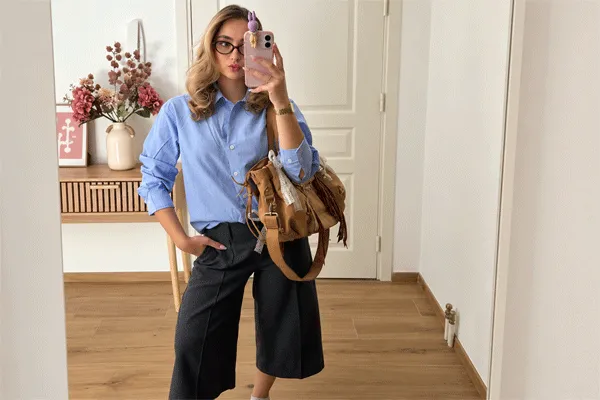
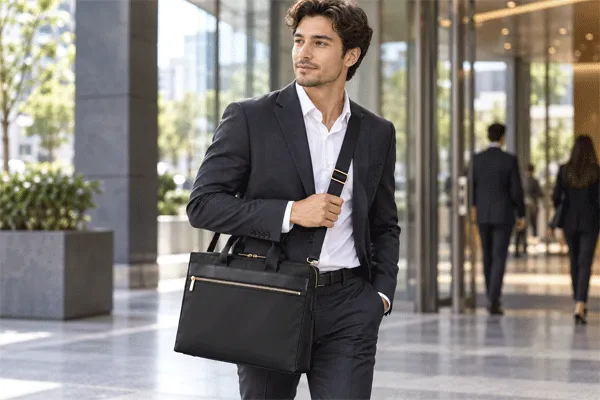
بالنسبة لأسواق بيع الأزياء بالتجزئة أو أسواق الهدايا، غالبًا ما يخلق القماش أو الجلد جاذبية أفضل على الرفوف. يمكن للهيكل القماشي المهيكل أن يُضفي شعوراً بالاسترخاء والطبيعية. وتضيف الحقيبة الجلدية أو الزخارف الجلدية أناقة. بالنسبة لتجارة التجزئة الراقية، يمكن أن يعمل التصميم المختلط المواد بشكل جيد، مثل هيكل قماشي بالإضافة إلى مقابض جلدية أو هيكل من النايلون بالإضافة إلى زخارف ذات علامة تجارية متميزة.
بالنسبة لمنتجات الحيوانات الأليفة، يصبح الاختيار أكثر تحديدًا. قد تحتاج حاملة الحيوانات الأليفة إلى شبكة قابلة للتنفس وأسطح سهلة التنظيف ودعم قاعدة أقوى. قد تحتاج حقيبة السفر للحيوانات الأليفة إلى مواد قابلة للغسل والتحكم في الرائحة وتخطيط مقصورات معززة. لهذا السبب، تختار العديد من العلامات التجارية للحيوانات الأليفة البوليستر أو النايلون المطلي لأن هذه الأسطح أسهل في التنظيف من القطن العادي.
تطابق المواد حسب نوع المنتج
تبدأ العديد من أعطال الحقيبة في الأجهزة وأجزاء الدعم، وليس في الهيكل المرئي. غالبًا ما يركز المشترون على النسيج الرئيسي، ولكن الأداء الحقيقي يعتمد أيضًا على البطانة والسحاب ومرفق المقبض والتعزيزات المخفية داخل القاعدة والجدران الجانبية.
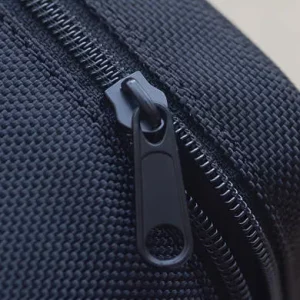
السحاب الضعيف يمكن أن يفسد الحقيبة الجيدة. وينطبق الشيء نفسه على الحزام الضعيف أو الربط الرقيق أو الدعم الرغوي منخفض الكثافة. في تصميم الحقيبة القماشية القوية، يجب تعزيز وصلة الحزام حيث يكون الحمل أعلى. إذا كانت الحقيبة مصنوعة للاستخدام الثقيل، فإننا نقترح عادةً نقاط ربط أقوى، وسحّابات أفضل، ومواد أساسية أكثر سمكًا، وتشطيب دقيق للحواف.
الشكل مهم أيضًا. تعتبر الحقيبة القماشية الأسطوانية الكلاسيكية بسيطة ومبدعة، لكن المشترين العصريين قد يرغبون في جيوب للأحذية، وأكمام للكمبيوتر المحمول، وحاملات زجاجات، وأقسام مقسمة. يمكن أن يزيد مخطط المقصورة الأفضل من القيمة دون تغيير تكلفة المواد كثيرًا. التصميم الجيد ليس فقط ما تراه. بل هو كيف يعمل كل جزء معًا.
بالتأكيد. المواد الممتازة تغير ملمس المنتج وصوره وبيعه. فالمشتري الذي يلمس القماش المشمع أو الجلد المحبب بالكامل يقرأ الحقيبة بشكل مختلف على الفور. فهو يبدو أكثر جدية وأكثر قابلية للإهداء وأكثر قابلية للعلامة التجارية. وهذا يمكن أن يرفع قيمة البيع بالتجزئة حتى عندما يكون النمط نفسه بسيطًا.
ومع ذلك، يجب أن تتطابق المواد الممتازة مع ملف تعريف العميل. قد يكون بائع التجارة الإلكترونية الشامل أفضل حالاً مع البوليستر المطلي لأنه أسهل في المصدر، وأسهل في إعادة الإنتاج، وأسهل في السعر. ولكن قد تحقق علامة تجارية خارجية أو مورد هدايا فندقية أو بائع تجزئة في متاجر التجزئة مكاسب أكبر من المواد المتميزة. في هذه الحالة، تصبح المواد المتميزة جزءًا من قصة المنتج.
غالباً ما نقول للمشترين ما يلي: قسط التأمين لا يتعلق بالسعر فقط. بل يتعلق بالرسالة. إذا كان سوقك يريد صورة نظيفة وحديثة وتقنية، فقد يبدو النايلون أكثر تميزاً من القماش. أما إذا كان سوقك يريد التراث والحرفية، فقد يفوز القماش المشمع أو الجلد.

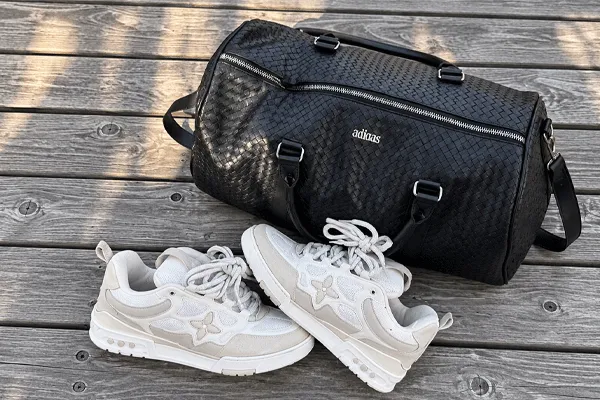
حقائب جلدية
بالنسبة لمشتري B2B، يجب أن يبدأ اختيار المواد ببعض الأسئلة العملية. من سيستخدم الحقيبة؟ ماذا سيحملون؟ هل سيتم بيع الحقيبة عبر الإنترنت أو في المتاجر أو من خلال إهداء الشركات؟ هل تحتاج الحقيبة إلى تحمل المطر أو مناولة الأمتعة أو التنقل اليومي؟ تشكل هذه الإجابات أفضل مسار مادي.
في الإنتاج المخصص، نوجه العملاء عادةً من خلال أربع نقاط تفتيش:
وضع المنتج - خط الميزانية أو الفئة المتوسطة أو الممتازة
الوظيفة - الموضة، أو الرياضة، أو السفر مع الحيوانات الأليفة، أو في الهواء الطلق، أو التنقل اليومي
الأداء - الحاجة إلى التحكم في الوزن أو مقاومة الماء أو مقاومة التآكل
صورة العلامة التجارية - طبيعية، أو تقنية، أو فاخرة، أو رياضية، أو بيئية
على سبيل المثال، إذا كان المشتري يريد حقيبة موثوقة للبيع بالتجزئة على نطاق عالمي واسع، فقد يكون البوليستر هو الخيار الآمن. إذا كانوا يريدون المزيد من الأداء، استخدم النايلون. إذا كانوا يريدون ملمسًا وجاذبية طبيعية، فاختر القماش. إذا كانوا يريدون بيانًا متميزًا للعلامة التجارية، ففكر في القماش المشمع أو الجلد. هنا تكمن أهمية شريك المصنع. يساعد المورد المناسب المشترين على تجنب عدم تطابق المواد قبل بدء أخذ العينات.
من خلال عملنا مع عملائنا من مصنعي المعدات الأصلية وتصنيع المعدات الأصلية وتصنيع التصميم الخارجي والعلامات التجارية الخاصة، هناك نمط واحد واضح: نادرًا ما تكون الحقائب الأكثر مبيعًا هي تلك التي تحتوي على أغلى المواد. إنها تلك التي تتناسب بشكل أوضح بين حاجة المستخدم وتصميم الحقيبة والسعر المستهدف. يمكن لحقيبة من القماش الخشن المصنوعة جيدًا من البوليستر أن تتفوق على الموديل الجلدي الغالي الثمن إذا كانت تناسب السوق بشكل أفضل.
لقد رأينا أيضاً أن العديد من المشترين يسألون أولاً عن المظهر، ثم يعودون لاحقاً للسؤال عن المتانة والحماية من الرطوبة وتقوية القاعدة. وهذا أمر طبيعي. بمجرد انتقالهم من الفكرة إلى العينة، يبدأون في التفكير مثل مديري المنتجات. وهنا تصبح النصيحة من جانب المصنع مفيدة. نحن نساعد المشترين على مقارنة نسيج الغلاف، وطلاء الدعم، ودعم المقبض، وخيارات الزخرفة قبل الإنتاج الضخم.
قد تبدأ علامة تجارية للحيوانات الأليفة، على سبيل المثال، بمظهر عصري ولكنها تدرك لاحقًا أنها تحتاج إلى تنظيف أسهل وأداء أفضل لمقاومة الماء وألواح سفلية أقوى. قد ترغب علامة تجارية رياضية في شكل أنظف، لكنها لا تزال بحاجة إلى مواد يمكنها تحمل العرق وتخزين الأحذية والبلى. التطوير الجيد للحقيبة هو دائمًا مزيج من التصميم والواقع.
ما هي المادة الأكثر متانة للحقيبة القماشية القماشية؟
بالنسبة للعديد من المنتجات عالية الأداء، يعتبر النايلون أحد أكثر الخيارات متانة. فهو يوفر متانة قوية ومقاومة جيدة للتآكل وخفة الوزن. بالنسبة للحقائب ذات الطراز التراثي، يمكن أن يعمل القماش الثقيل أيضاً بشكل جيد، خاصةً عندما يتم تعزيزه بشكل صحيح.
هل القماش القطني أفضل من النايلون لحقيبة واق من القماش الخشن؟
يعتمد ذلك على الغرض. يوفر القماش مظهرًا طبيعيًا وكلاسيكيًا وملمسًا بصريًا قويًا. أما النايلون فهو أخف وزناً، وغالباً ما يكون أقوى تحت الضغط، وأفضل للبيئات الرطبة أو النشطة. غالباً ما يفضل مشتري الأناقة القماش بينما يفضل مشتري الأداء النايلون.
أيهما أفضل للسفر: النايلون أم البوليستر؟
بالنسبة للسفر المتكرر، يعمل النايلون أو البوليستر بشكل أفضل في معظم الحالات. عادةً ما يعطي النايلون أداءً أعلى ومقاومة أفضل للتآكل، بينما يعطي البوليستر في الغالب أسعاراً أفضل وجودة طباعة وألوان موثوقة. كلاهما خياران قويان لأمتعة السفر الناعمة.
هل أكياس البوليستر مقاومة للماء؟
معظم أكياس البوليستر ليست مقاومة للماء بالكامل بشكل افتراضي. وعادةً ما تصبح مقاومة للماء من خلال الدعم أو التصفيح أو المعالجة السطحية الخاصة. يمكن أن يكون أداء حقيبة البوليستر المغلفة جيداً جداً في المطر الخفيف والاستخدام اليومي.
ما هو القماش المشمّع المستخدم في الحقائب القماشية؟
يُستخدم القماش المشمّع عندما ترغب العلامات التجارية في الحصول على مظهر متين وطبيعي مع حماية أفضل من القماش العادي من الرطوبة. وهو شائع في المنتجات الخارجية ومنتجات السفر وأسلوب الحياة المتميز لأنه يجمع بين المظهر الكلاسيكي والوظيفة المحسنة.
كيف يمكنني اختيار الخامة المناسبة لحقيبة من القماش الخشن مخصصة؟
ابدأ بسوقك وسعرك المستهدف ووظيفة الحقيبة. فكر في الوزن والمناخ واحتياجات التنظيف وأسلوب العلامة التجارية وظروف الشحن. ثم قارن خيارات القماش أو النايلون أو البوليستر أو الجلد مع المورد الخاص بك قبل أخذ العينات.
قماش الكانفاس مناسب للحقائب الطبيعية والكلاسيكية والموجهة نحو نمط الحياة.
يضيف القماش المشمّع حماية أفضل من الرطوبة وملمساً متيناً متميزاً.
يُعد النايلون مثاليًا لخفة الوزن والقوة واحتياجات الأداء الصعبة.
البوليستر عملي وقابل للتطوير، وغالباً ما يكون الخيار الأكثر فعالية من حيث التكلفة.
يعتمد أداء الحقيبة على ما هو أكثر من نسيج الغلاف؛ فالسحاب والبطانة والحزام والتدعيم كلها أمور مهمة.
تختلف مقاومة الماء عن مقاومة الماء ومقاومة الماء، ويجب على المشترين التحقق من البنية الكاملة.
يمكن أن تعمل الخيارات الصديقة للبيئة مثل البوليستر المعاد تدويره بشكل جيد عندما يبقى الأداء قوياً.
أفضل المواد هي تلك التي تتناسب مع الاستخدام الحقيقي للمنتج وسعر المشتري وقصة العلامة التجارية.
سنرد عليك في غضون 24 ساعة. إذا كانت الحالة طارئة، يُرجى إضافة واتساب/وي شات: +86 15066236153,. أو اتصل على +86 17657177170 مباشرة.
*نحن نحترم سريتك وجميع معلوماتك محمية.
لن نستخدم معلوماتك إلا للرد على استفسارك ولن نرسل أبداً رسائل بريد إلكتروني غير مرغوب فيها أو رسائل ترويجية.
 آخر مدونة
