








دليل مواد حقيبة الأدوات: ما هي الأقمشة الأفضل لحقيبة أدوات ثقيلة؟
2 أبريل 2026
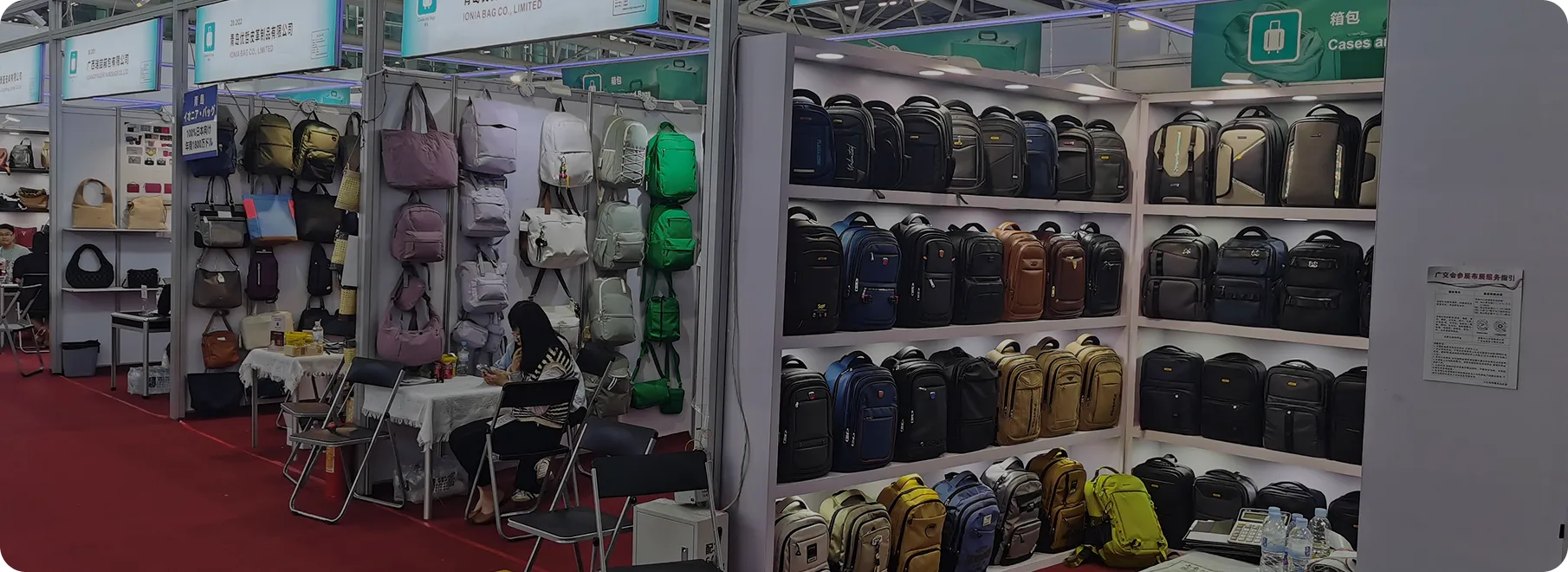
تفشل الحقيبة الضعيفة بسرعة. تنفصل الخياطة، وتتعطل القاع، وتخترق الأدوات الحادة القماش. يعني ذلك الوقت الضائع، والمعدات التالفة، والمشترين غير السعداء. الحل بسيط: افهم أي المواد لحقيبة الأدوات توفر القوة، والتركيب، والقيمة طويلة الأجل قبل أن تشتري أو تتعاقد.
عادة ما تصنع حقيبة الأدوات من القماش أو النايلون أو البوليستر أو المواد الجلدية. يعتمد أفضل مادة للحقيبة على نوع الأدوات التي تحملها، وبيئة العمل، ومستوى المتانة، ومقاومة الماء، والتنظيم الذي تحتاجه. بالنسبة لمعظم المشترين من B2B، فإن الخيار الأفضل يوازن بين التكلفة، والقوة، وإمكانيات العلامة التجارية، وراحة المستخدم النهائي.

ما هي حقيبة الأدوات ولماذا تهم المادة؟
ما هي أكثر المواد شيوعًا لحقيبة الأدوات اليوم؟
هل لا يزال القماش خيارًا ذكيًا لحقيبة أدوات من القماش؟
لماذا حقائب أدوات النايلون شائعة جدًا في السوق الحديثة؟
هل حقيبة أدوات البوليستر جيدة بما يكفي للاستخدام اليومي؟
متى يجب على المشترين التفكير في حقيبة أدوات جلدية؟
كيف تقارن المتانة، والاحتكاك، ومقاومة الماء؟
ماذا يجب أن تأخذ في الاعتبار عند اختيار القماش المناسب؟
كيف يختار المشترون في OEM المورد المناسب لحقيبة الأدوات؟
أي مادة هي الأفضل للصناعات والمستخدمين المختلفين؟
A حقيبة أدوات هي أكثر من مجرد حقيبة حمل بسيطة. إنها جزء من سير العمل اليومي. بالنسبة للكهربائيين، والميكانيكيين، والمركبين، وفرق الصيانة، وفرق الخدمة الميدانية، تساعد حقيبة الأدوات في إبقاء أدواتك منظمة، ومرئية، وجاهزة للاستخدام. عندما تفشل الحقيبة، يتباطأ العمل.
لهذا السبب، فإن المادة المستخدمة مهمة للغاية. قد تتمزق مادة الحقيبة الخاطئة تحت الحمل، أو تمتص الماء، أو تتآكل عند نقاط الضغط. يجب أن تدعم حقيبة الأدوات الجيدة الأدوات والمعدات في ظروف العمل الحقيقية. يجب أن تحافظ على شكلها، وتحمي المحتويات، وتظل مريحة للحمل.
من خلال تجربتي كمنتج OEM و ODM للحقائب في الصين، غالبًا ما يركز المشترون أولاً على الأسلوب أو السعر. ولكن السؤال الأكثر ذكاءً هو: ما هي المادة التي تناسب وظيفة المستخدم؟ فريق تسقيف، ومقاول صيانة، وعميل تحصل عليه بنفسه لا يحتاجون إلى نفس حقيبة الأدوات. يأتي الاستخدام المقصود للحقيبة دائمًا أولاً.
تُصنع معظم حقائب الأدوات من أربع مجموعات رئيسية من المواد: قماش، والنايلون، والبوليستر، والخيارات الجلدية. هذه المواد الشائعة المستخدمة في صناعة الحقائب لها كل منها قوتها وتكاليفها وحالات استخدامها.
بعض الحقائب عادة ما تُصنع من أقمشة الألياف الطبيعية، بينما يعتمد البعض الآخر على الأقمشة الاصطناعية الحديثة. قد تستخدم حقيبة أدوات مصممة للاستخدام المنزلي الخفيف بناءً قماشياً أبسط. قد تستخدم حقيبة صناعية شديدة التحمل ألواح اصطناعية معززة، وبطانة سميكة، وخياطة شديدة التحمل، وطبقة خاصة. باختصار، ليست كل حقيبة أدوات مصممة بنفس الطريقة.
إليك مقارنة بسيطة للمواد:
| المواد | القوة الرئيسية | القيود الرئيسية | أفضل استخدام |
|---|---|---|---|
| اللوحة القماشية | قوي، كلاسيكي، منظم | يمكن أن يمتص الرطوبة دون معالجة | العمل العام، أسلوب الحياة، DIY |
| نايلون | نسبة عالية من القوة إلى الوزن | عادةً ما تكون تكلفة المواد أعلى | مهني، خارجي، العمل الميداني |
| بوليستر | فعّال من حيث التكلفة، مستقر في اللون | شعور أقل فخامة من النايلون | التجزئة، الترويج، الاستخدام الخفيف إلى المتوسط |
| جلد | مظهر فخم، هيكل قوي | أثقل وغالبًا ما يكون أكثر تكلفة | الأسواق التراثية، والسلع الفاخرة، والأسواق المتخصصة |
هذه هي المواد الرئيسية المستخدمة في السوق، ولكن التفاصيل مهمة. تؤثر وزن القماش، وسمك الخيوط، وكثافة النسج، والبطانة، وجودة المعدن جميعها على أداء الأدوات الدائم النهائي. لهذا السبب يجب على المشترين المهنيين أن ينظروا دائمًا أعمق من مجرد اسم المادة.
نعم، في كثير من الحالات هو كذلك. تظل حقيبة أدوات من القماش خيارًا قويًا لأن القماش له سجل مثبت في المنتجات العملية. إنه يوفر شعورًا قويًا، ومظهرًا كلاسيكيًا للعمل، وهيكلًا جيدًا للتصاميم ذات الفتحة العلوية والأسلوب التوت.
القماش التقليدي هو قماش منسوج غالبًا ما يُصنع من القطن أو الألياف المختلطة. تُصنع بعض الأنماط من القطن أو الكتان، بينما تستخدم الخيارات الأحدث أسطح معالجة لأداء محسن. تعمل حاملة أدوات من القماش جيدًا في كثير من الأحيان للأعمال الخفيفة إلى المتوسطة، والأدوات اليدوية، والوصول المنظم. كما أنها خيار شائع للسلع المعروضة للعلامات التجارية وحقائب الاستخدام العملي الجاهزة للبيع.
ومع ذلك، لا يؤثر كل قماش بنفس الطريقة. قد تمتص الألياف الطبيعية غير المعالجة الرطوبة وتجف ببطء. يمكن أن يحد ذلك من الأداء الخارجي. تحل المصانع الجيدة هذه المشكلة عن طريق معالجة الشمع، أو دعم PU، أو طبقة معالجة أخرى. يمكن أن تخدم حقيبة أدوات مصنوعة من قماش معزز بمقابض وقاع أقوى العديد من المستخدمين بشكل جيد، خاصة عندما تكون الأناقة والهيكل مهمة مثل مقاومة الطقس القاسية.
لماذا لا يزال المشترون يختارون القماش
جاذبية بصرية قوية
طباعة أو تطريز الشعار بسهولة
هيكل منظم للوصول المفتوح
صورة مألوفة لملابس العمل
قيمة جيدة للتطبيقات متوسطة الحمولة
بالنسبة للعديد من العلامات التجارية، تساعد القماش على بناء منتج يبدو أصليًا. يمكن أن يجعل ذلك الخيار شائعًا في بيع أدوات hardware، ومجموعات أدوات نمط الحياة، وبرامج الهدايا.
لأن النايلون يعمل بشكل ممتاز تحت الضغط. إنه خفيف وقوي ومرن، ومناسب تمامًا لبيئات العمل الصعبة. لهذا السبب أصبحت حقائب الأدوات النايلون واحدة من الخيارات الأكثر شيوعًا للمستخدمين المحترفين.
يمكن أن تتحمل حقيبة الأدوات المصنوعة بشكل جيد من قماش النايلون الرفع والسحب والحركة المتكررة عبر مواقع العمل الوعرة. النايلون هو مادة صناعية معروفة بالصلابة والمرونة ومقاومة التآكل القوية. تستخدم العديد من الحقائب العملية الممتازة بنى 600D و900D و1000D أو من الدرجة cordura لتحسين العمر الافتراضي.
باعتباري مورد OEM، أوصي غالبًا بالنايلون للمشترين المستهدفين للمصلحين الفنيين وفرق الخدمة في الهواء الطلق والمستخدمين الصناعيين. تم تصميم العديد من حقائب النايلون لتقليل الوزن دون التخلي عن القوة. يهم ذلك عندما يحمل المستخدمون الأدوات لمسافات طويلة أو ينتقلون من السيارة إلى الموقع طوال اليوم. جعلها سهلة الحمل ليس تفصيلًا صغيرًا. يؤثر ذلك بشكل مباشر على تجربة المستخدم.
مزايا النايلون في لمحة
| الميزة | فائدة |
|---|---|
| قوة تمزق عالية | تتحمل الضغط اليومي بشكل جيد |
| وزن خفيف | أسهل لحمل الأحمال الكاملة |
| جيد مقاومة للتآكل أداء | أفضل للأسطح الوعرة |
| هيكل مرن | يتناسب مع العديد من تخزين الأدوات التصميمات |
| سهل الطلاء | أفضل لحماية من الرطوبة |
لهذا السبب غالبًا ما تكون حقائب الأدوات النايلون التوصية الأولى للعمل الميداني النشط.
في العديد من الحالات، نعم. يمكن أن تكون حقيبة الأدوات البولستر منتجًا عمليًا جدًا للعمل اليومي، والخدمة الخفيفة، وإصلاح المنزل، وبرامج بيع الأدوات، والمشاريع الترويجية. يُستخدم البولستر على نطاق واسع لأنه يوازن بين السعر والمظهر والأداء المفيد.
مقارنةً بالنايلون، غالبًا ما يكون البولستر أكثر فعالية من حيث التكلفة ولديه احتفاظ جيد بالألوان. هذا يجعله مثاليًا لمجموعات العلامات التجارية، وخطوط المنتجات الملونة، أو برامج السوق المتوسطة. العديد من حقائب البولستر متينة بما يكفي للاستخدام المنتظم، خاصة عندما تشمل قاعدة أقوى، ومقابض معززة، وألواح متعددة الطبقات.
بالطبع، هناك حدود. عادةً ما لا يتطابق البولستر مع النايلون الممتاز في ظروف الاستخدام القاسية. لكن بالنسبة للعديد من المستخدمين، ليست هذه مشكلة. إذا كانت الأدوات التي تحملها معتدلة الوزن وكان المنتج مخصصًا للخدمة اليومية المنظمة، يمكن أن تؤدي حقيبة أدوات مصممة جيدًا من البولستر بشكل جيد للغاية.
المشتري الذكي ينظر إلى التركيبة الكاملة، وليس مجرد الملصق. قد تتفوق حقيبة أدوات بولستر عالية الجودة مع زوايا معززة على حقيبة نايلون مصنوعة بشكل رخيص. هذه درس رئيسي في اختيار المنتجات.

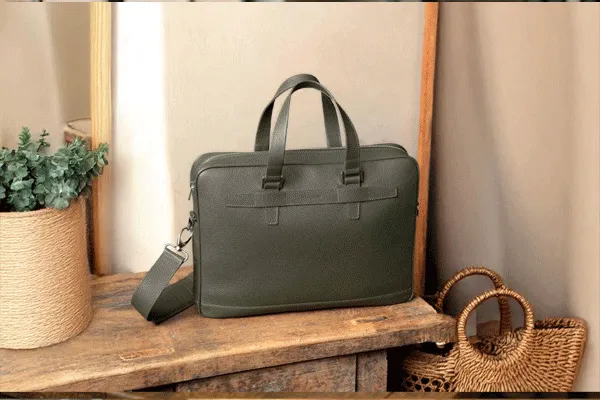
ليست حقيبة أدوات جلدية هي دائمًا الإجابة الأكثر شيوعًا، لكنها لا تزال لها قيمة. تجذب المستخدمين الذين يريدون مظهرًا تقليديًا، وإحساسًا يدويًا فاخرًا، ومنتجًا يبرز في السوق. في بعض القطاعات، ترسل الحقائب الجلدية رسالة عن الحرفية والاستخدام الطويل الأمد.
عادةً ما تقدم حقيبة أدوات جلدية حقيقية دعمًا قويًا للجسم ومظهرًا مميزًا. غالبًا ما تختار الحقائب الجلدية للتجارة المتخصصة، والإعدادات التقليدية للورش، والاستخدام الفروسية، والمنتجات المستوحاة من العصور القديمة، أو مجموعات الهدايا الممتازة. يمكن أن تكون حقيبة الأدوات الجلدية أيضًا قطعة علامة تجارية، ليست مجرد منتج تخزين.
ومع ذلك، يجب على المشترين التفكير بعناية. الجلد أثقل، وغالباً ما يكون أكثر تكلفة، وقد يتطلب مزيدًا من العناية. يمكن أن يكون ممتازًا لبعض خطوط المنتجات المحددة، لكنه ليس دائمًا أفضل مادة لنقل الأدوات في البيئات الرطبة أو القذرة أو ذات الاستهلاك العالي. بالنسبة لمعظم المشترين ذوي الحجم الكبير، يعمل الجلد بشكل أفضل كامتداد متنوع أو فاخر، وليس الحل الوحيد.
متى يكون الجلد منطقيًا
مجموعات الأدوات الممتازة
منتجات العمل على طراز التراث
هدايا تنفيذية
معدات خاصة ذات علامة تجارية
مشاريع فاخرة صغيرة الحجم
إذا كانت الهدف هو مظهر فاخر وانطباع دائم، فقد تكون حقيبة الأدوات الجلدية هي الخطوة الصحيحة.
وهنا تصبح اختيار المادة عمليًا. يتحدث كل مشترٍ عن المتانة، لكن القليل منهم يعرفها بوضوح. في الاستخدام الواقعي، تعني المتانة مدى تحمل حقيبة الأدوات للحمل والحواف الحادة والرفع المتكرر والأرض الوعرة والرطوبة والتآكل اليومي.
بالنسبة لمقاومة التآكل، يعمل النايلون عادةً بشكل أفضل، خاصةً في التكوينات عالية الدنير وخيارات cordura. يوفر القماش هيكلًا قويًا لكن قد يتعرض للاستخدام السريع دون معالجة في المناطق الصعبة. يجلس البولستر في المنتصف للعديد من البرامج القياسية. يقاوم الجلد الثقب جيدًا في بعض الحالات لكنه يتصرف بشكل مختلف تحت الرطوبة والاحتكاك المتكررين.
بالنسبة لمقاومة الماء، تحتل خيارات الألياف الطبيعية غير المعالجة ترتيبًا أدنى. توفر الأقمشة الاصطناعية مثل PU وPVC وTPU أو أنظمة الطلاء الأخرى حماية أفضل من الرطوبة. الانتهاء المقاوم للماء مهم بشكل خاص للمستخدمين، مما يجعله مناسبًا للخدمة في الهواء الطلق. تساعد الحقائب الجيدة في إبقاء الأدوات جافة وتقليل خطر الصدأ وتحسين الموثوقية في الميدان.
إليك مقارنة عملية:
| الخاصية | اللوحة القماشية | نايلون | بوليستر | جلد |
|---|---|---|---|---|
| المتانة | جيد | عالية جداً | جيد | جيد |
| مقاومة التآكل | متوسط | عالية | متوسط إلى جيد | متوسط |
| مقاومة الماء | منخفض بدون معالجة | جيد مع طلاء | جيد مع طلاء | متوسط |
| الوزن | متوسط | خفيف | متوسط | ثقيل |
| مظهر متميز | جيد | تقني حديث | تجاري | عالية |
أكثر الخيارات متانة ليس دائمًا الأغلى. أفضل إجابة تعتمد على الاستخدام النهائي والحمل والبيئة.
هذه هي نقطة القرار الحقيقية. يسألني المشترون غالبًا عن الأمور التي يجب مراعاتها عند اختيار قماش لحقيبة الأدوات. إجابتي دائمًا هي نفسها: ابدأ بالمستخدم، والوظيفة، والحمل.
اسأل هذه الأسئلة أولًا:
ما نوع الأدوات التي سيحملها المستخدمون؟
هل سيحملون أدوات ثقيلة أم فقط أدوات يدوية؟
هل الحقيبة للعمل الداخلي أو خدمة المركبات أو الاستخدام الخارجي؟
هل يحتاج المنتج إلى قيمة وجودة علامة تجارية قوية؟
هل التكلفة المنخفضة أكثر أهمية من أقصى متانة؟
هل تحتاج الحقيبة إلى شكل صلب أم مرونة ناعمة؟
عند اختيار المادة المناسبة، يجب أن تقارن قوة القماش والوزن والتشطيب والسعر معًا. هذه هي الطريقة التي تجد بها القماش المناسب. قد لا تعمل الحقيبة المثالية لفني كهرباء لفريق السباكة. تعتمد الحقيبة على واقع موقع العمل.
قائمة فحص شراء سريعة
تناسب المادة مع بيئة العمل
راجع الكثافة والوزن وسمك اللوحة
تحقق من تعزيز القاعدة وقوة المقبض
تأكد مما إذا كانت الحقيبة تحتاج إلى مقاومة للماء
راجع عدد الجيوب وتصميم الكيس وسهولة الوصول
اختبر الراحة المحملة واحتفاظ الشكل
هذه هي جوهر اختيار المنتج المناسب. يجب أن تناسب الحقيبة العمل، وليس فقط صورة الكتالوج.
بالنسبة لمصادر B2B، فإن المادة هي نصف القصة فقط. النصف الآخر هو قدرة المصنع. يجب أن يساعد المورد الموثوق المشترين في تحويل فكرة المادة إلى منتج تجاري يعمل في السوق. شركة تصنيع الحقائب بصفتي موردًا مقيمًا في الصين يعمل مع المستوردين والموزعين ومالكي العلامات التجارية والمشترين الترويجيين، أرى نفس الأولويات تظهر مرة تلو الأخرى. يريد المشترون جودة مستقرة، وتخصيص مرن، وتواصل واضح، وتوصيل في الوقت المحدد. كما يريدون دعمًا في اختيار أفضل تصميم لحقيبة الأدوات لجمهورهم.
يجب أن يكون شريك تصنيع المعدات الأصلية قويًا قادرًا على:
توصية بالمواد مثل القماش والنيلون أو البوليستر
اقتراح متى لتعزيز نقاط المقبض والأجزاء السفلية
تطوير حقائب أدوات مخصصة لقنوات مختلفة
توازن السعر والوظيفة والمظهر
تعديل تخطيط الجيب، وأكياس الأدوات، والتغليف
دعم طباعة الشعار، والتطريز، والعلامات المنسوجة، ومواصفات العلامة التجارية الخاصة
هذه هي النقطة التي يلتقي فيها تصميم المنتج مع الطلب السوقي. أفضل الموردين لا يصنعون الأكياس فقط. إنهم يساعدونك في بناء مجموعة منتجات يرغب المشترون فيها فعليًا.
ما الذي يتحقق منه المشترون الذكيون في B2B
سؤال المورد
| لماذا هو مهم | ماذا |
|---|---|
| ما الخيارات التي توصي بها؟ قماش يظهر معرفة حقيقية بالمادة | هل يمكنك تخصيص تخطيط الجيب؟ |
| مهم لـ | بما في ذلك تنظيم الأدوات هل يمكنك اختبار قوة الحمل؟ التنظيم |
| هل يمكنك اختبار قوة التحميل؟ | يساعد في التحقق من الموثوقية |
| ما هي الطلاءات والتبطينات المتاحة؟ | يدعم الاستخدام الخارجي أو الفاخر |
| هل يمكنك تطوير خط واحد لأسواق متعددة؟ | يحسن استراتيجية الجمع |
هذه هي الطريقة التي يقلل بها المشترون الجادون من المخاطر ويبنون شراكات إمداد طويلة الأجل.
لا توجد إجابة واحدة تناسب الجميع. صندوق الأدوات الأفضل يختلف حسب المهنة، الحمل، الميزانية، وقناة البيع. لكن يمكننا أن نجعل القرار أسهل من خلال تجميع حالات الاستخدام الشائعة.
المادة الموصى بها حسب نوع المستخدم
| نوع المستخدم | أفضل مادة | لماذا |
|---|---|---|
| الكهربائيون | نايلون | خفيفة، قوية، سهلة الحمل |
| فرق الصيانة | بوليستر أو النايلون | توازن جيد بين السعر والوظيفة |
| فرق البناء | نايلون عالي الدنير نايلون | أفضل للمواقع ذات الأعمال الشاقة |
| المشترون من متاجر DIY | اللوحة القماشية أو البوليستر | قيمة جيدة وجاذبية بصرية |
| سوق الاستخدام الفاخر | جلد أو مشمع قماش | صورة علامة تجارية قوية |
| مشاريع ترويجية/شركات | بوليستر | سهولة التحكم في الألوان وتوازن التكلفة |
للمهنيين وهواة DIY على حد سواء، الهدف واحد: صندوق أدوات يمكنه حماية أدواتك، والبقاء منظمًا، والتحمل على مدى الزمن. بعض الحقائب توفر مزيدًا من الهيكل. بعض الحقائب تقدم وزنًا أخف. بعض الحقائب تأتي مع حماية أفضل ضد العوامل الجوية. الخيار الأفضل هو الذي يحل مشكلة مستخدم محددة.
في التوريد العملي، تُقسم الحقائب عمومًا إلى فئات خفيفة ومتوسطة وثقيلة. إذا كان عميلك يتعامل مع عمل خدمات عالي الحمل كل يوم، فاختر الأقوى. إذا كانت الحقيبة للتجزئة أو الهدايا أو الصيانة المنزلية الأساسية، قد لا تحتاج إلى الخيار الأكثر تكلفة.
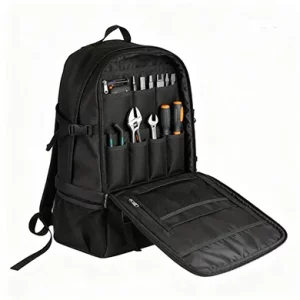
حتى أفضل القماش يمكن أن يفشل إذا كانت الحقيبة مصنوعة بشكل سيئ. لذلك يجب دائمًا مطابقة خصائص المواد المختلفة مع البناء الذكي. تعتمد الأداء النهائي لصندوق الأدوات على كيفية عمل جميع الأجزاء معًا.
يجب أن تحتوي حقيبة الأدوات القوية على:
نقاط الضغط المعززة
ربط قوي أو شريط خياطة
استقرار جودة السحاب
مقابض حزام سميكة
لوحة قاعدة محمية
هيكل جيب ذكي
توزيع وزن متوازن
هذا مهم لأن حقائب الأدوات قد تحمل أشياء حادة وثقيلة وغريبة الشكل. إذا كانت الخياطة ضعيفة، ستفشل الحقيبة. إذا كانت لوحة القاعدة ناعمة، ستتدلى الأدوات. إذا كان التصاق المقبض ضعيفًا، حتى أفضل قماش لا يمكنه إنقاذ المنتج.
في تطوير OEM، هنا حيث تهم الخبرة. يعرف المصنع الجيد أي المناطق التي يجب تعزيزها، وأين يجب إضافة لوحات دعم، وكيفية دمج القماش المتين مع الملحقات الموثوقة. هذا هو ما يحول العينة الجيدة المظهر إلى منتج يعمل فعليًا.
أحيانًا نعم، ولكن ليس دائمًا. يمكن أن تخدم تصميم حقيبة أدوات واحدة قنوات التجزئة والتوزيع والترويج إذا كانت البنية بسيطة واختيار المواد واسعًا بما يكفي. ومع ذلك، يحصل العديد من المشترين على نتائج أفضل من خلال تقديم نسختين أو ثلاث من نفس المفهوم.
على سبيل المثال، قد تعمل حقيبة أدوات قماش مفتوحة من الأعلى بشكل جيد للاستخدام التجزئة والهدايا. قد تناسب نسخة النايلون المغلفة بنفس الحجم القنوات الصناعية بشكل أفضل. قد تعمل نسخة البوليستر ذات التكلفة الأدنى لحملات كبيرة الحجم. تساعد هذه الاستراتيجية المادية العلامات التجارية على خدمة عملاء مختلفين دون إعادة تصميم المنتج بالكامل من الصفر.
هذه واحدة من الأسباب التي تجعل تخطيط خط المنتجات يهم كثيرًا. إن تضمين حقائب الأدوات في نطاق أدوات أكبر يمنح المشترين مزيدًا من المساحة للتجزئة حسب السعر وحالات الاستخدام وصورة العلامة التجارية. كما أنه يساعد الموزعين وبائعي التجارة الإلكترونية على اختبار أي قصة مادة تتردد أكثر في سوقهم.
ما هي المادة الأكثر شيوعًا لصندوق الأدوات؟
أكثر الخيارات شيوعًا هي النايلون، البوليستر، والقماش. لكل مادة من مواد صندوق الأدوات قوتها الخاصة اعتمادًا على الوظيفة والميزانية والمستخدم.
هل القماش أفضل من النايلون لصندوق الأدوات؟
ليس دائمًا. تقدم حقيبة الأدوات المصنوعة من القماش هيكل وأسلوب كلاسيكي، بينما يوفر النايلون عادةً أداءً أفضل من حيث الوزن إلى القوة ومقاومة أكبر للتآكل في ظروف صعبة.
هل حقائب الأدوات المصنوعة من البوليستر متينة؟
نعم، يمكن أن تكون حقيبة الأدوات المصنوعة من البوليستر الجيد متينة للاستخدام اليومي، وعند البيع، وللأعمال الخفيفة إلى المتوسطة، خاصة عندما تتضمن الحقيبة بناءً معززًا.
متى يجب أن أختار حقيبة أدوات جلدية؟
اختر حقيبة أدوات جلدية عندما تريد منتجًا عالي الجودة بأسلوب تراثي، أو هوية بصرية أقوى، أو خط متخصص بقيمة متصورة أعلى.
ماذا يجب أن أبحث عنه في حقيبة أدوات ثقيلة-duty؟
ابحث عن قماش قوي، وخياطة معززة، وقاعدة مستقرة، ومقابض ذات جودة، وأداء طلاء جيد. يجب أن تتحمل حقيبة الأدوات الثقيلة الوزن والاحتكاك والاستخدام المتكرر دون فقدان الشكل.
كيف اختار حقيبة الأدوات المناسبة لسوقي؟
ابدأ بالمستخدم. راجع الأدوات، والوزن، والطقس، والهدف السعري، واحتياجات العلامة التجارية. ثم قم بتوافق المواد والبناء مع حالة الاستخدام الحقيقية.
تعمل حقيبة الأدوات بشكل أفضل عندما تتناسب المادة مع وظيفة المستخدم الحقيقية.
يخدم القماش، والنايلون، والبوليستر، والجلد احتياجات سوق مختلفة.
يعتبر النايلون غالبًا الأفضل في ظروف العمل القاسية ووزن الحمل الخفيف.
تظل القماش خيارًا قويًا لحقيبة الأدوات المنظمة والتقليدية والتي تحمل علامة تجارية.
يوفر البوليستر أداءً فعالاً من حيث التكلفة للعديد من الأسواق ذات الاستخدام القياسي.
تتناسب حقيبة الأدوات الجلدية مع القطاعات المميزة والمتخصصة أفضل من الاستخدام الصناعي العام.
تأتي المتانة الجيدة من اختيار القماش وتفاصيل البناء.
مشتري B2B يجب مراجعة الحمل والبيئة والعلامة التجارية وراحة المستخدم النهائي قبل الاختيار.
أفضل مورد OEM يساعدك في اختيار المواد والبناء والتسويق معاً.

سنرد عليك في غضون 24 ساعة. إذا كانت الحالة طارئة، يُرجى إضافة واتساب/وي شات: +86 15066236153,. أو اتصل على +86 17657177170 مباشرة.
*نحن نحترم سريتك وجميع معلوماتك محمية.
لن نستخدم معلوماتك إلا للرد على استفسارك ولن نرسل أبداً رسائل بريد إلكتروني غير مرغوب فيها أو رسائل ترويجية.
 آخر مدونة
