



كيف تُصنع الحقائب الجلدية؟ دليل كامل حول حرفة وصناعة الحقائب الجلدية
27 مارس 2026
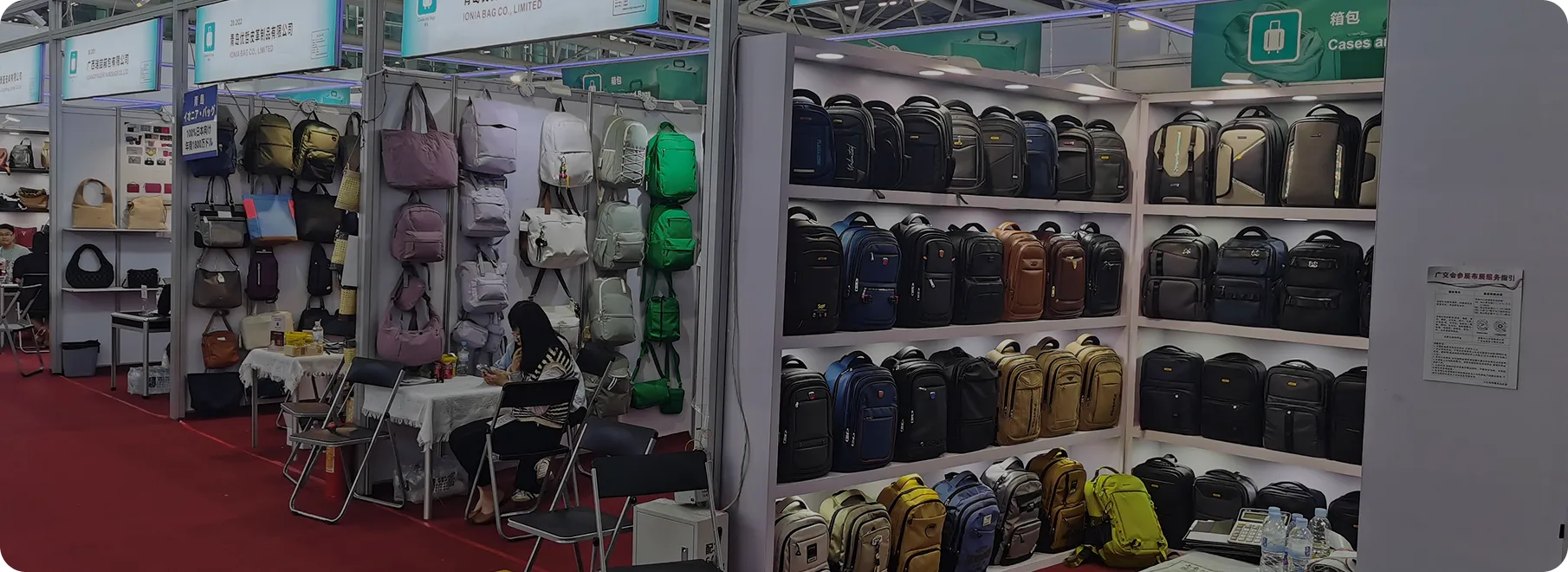
قد تبدو الحقائب المصنوعة رديءًا جيدة في الصور، لكنها غالبًا ما تتشقق، تفقد شكلها، أو تفشل بعد استخدام محدود. وهذا يؤدي إلى عوائد، شكاوى، وفقدان الثقة. الحل هو فهم كيفية صنع الحقائب - من اختيار الجلد إلى الخياطة، التجميع، والفحص النهائي - حتى يتمكن المشتري من اختيار شريك التصنيع المناسب.
تصنع الحقائب الجلدية من خلال عملية إنتاج خطوة بخطوة تشمل اختيار المواد، التصميم وصنع الأنماط، القطع، التمزيق، الخياطة، إنهاء الحواف، تركيب hardware، تجميع البطانة، تشكيل، وفحص الجودة النهائي. تؤثر جودة الجلد، تقنيات التصنيع، والحرفية جميعها على متانة الحقيبة، إحساسها، وقيمتها التجارية.

ما الذي يجعل الحقائب الجلدية مختلفة عن الحقائب الأخرى؟
ما هي المادة الخام المستخدمة في الحقيبة الجلدية؟
كيف تبدأ عملية التصميم؟
لماذا يعد صنع الأنماط مهمًا جدًا في إنتاج الحقائب؟
كيف يقطع المصنعون الجلد ويعدون قطع الجلد؟
كيف تتم الخياطة والتجميع؟
ما هي hardware والإكسسوارات المضافة إلى الحقيبة الجلدية؟
كيف يساعد التشكيل، إنهاء الحواف، والتعزيز في تحسين المتانة؟
ماذا تفحص مراقبة الجودة قبل الشحن؟
لماذا يختار المشترون من شركات B2B مصنعين حقائب جلدية مقيمين في الصين؟
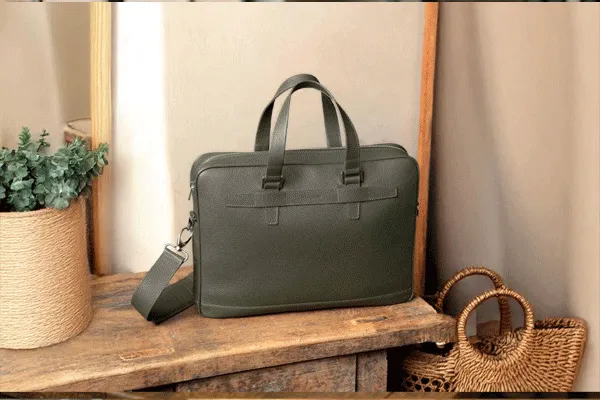
الحقيبة الجلدية ليست مجرد عنصر موضة آخر. إنها منتج حيث تهم المظهر، الهيكل، الملمس، والاستخدام طويل الأمد في نفس الوقت. في حقيبة قماشية أساسية، قد يكون التركيز الرئيسي على التكلفة وتأثير الطباعة. في حقيبة جلدية، يولي المشترون المزيد من الاهتمام للحرفية، المتانة، إحساس اليد، والمظهر العام. حقيبة جلدية, يولي المشترون المزيد من الاهتمام للحرفية، المتانة، إحساس اليد، والمظهر العام.
من خلال تجربتي في العمل مع المشترين من شركات B2B العالمية، هذا هو بالضبط سبب بقاء الجلد قويًا في السوق. غالبًا ما يرغب المستوردون، الموزعون، أصحاب العلامات التجارية، والمشترون الترويجيون في منتجات تشعر بالتميّز لكنها لا تزال تدعم الإنتاج الضخم المستقر. يوفر الجلد هذا التوازن. يمكن أن ينشئ منتج جلدي مصنوع جيدًا وجودة أعلى بوجود أفضل رضا العملاء مقارنة بخيار أقل جودة.
سبب آخر هو التنوع. يمكن وضع حقيبة جلدية كحقيبة يومية، حقيبة مكتبية منظمة، أو حتى كهدية متميزة للمشترين الشركات ووكالات التسويق. يوفر هذا النطاق الواسع من المنتجات فرصة قوية للعلامات التجارية لخدمة العديد من الشرائح من خلال عائلة واحدة من المواد. حقيبة كتف, أو حتى عنصر هدايا مميز للمشترين من الشركات ووكالات التسويق. وتمنح هذه المجموعة الواسعة من المنتجات العلامات التجارية فرصة قوية لخدمة العديد من الشرائح بمجموعة مواد واحدة.
السؤال الأول في إنتاج الحقائب الجلدية هو دائمًا نفسه: ما هي المادة الخام؟ يعتمد الجواب على السوق المستهدف، نقطة السعر، صورة العلامة التجارية، والأداء المتوقع. يرغب بعض المشترين في جلد طبيعي عالي الجودة للمجموعات المتميزة. بينما يريد البعض الآخر خيارات مستقرة وفعالة من حيث التكلفة مع تشطيب موحد لبرامج البيع بالتجزئة الأكبر.
تشمل الخيارات الأكثر شيوعًا الجلد الكامل الحبوب، جلد الحبوب العلوية، جلد الحبوب المصححة، الجلد المقسم، الجلد المدبوغ، والجلد اللامع. هناك أيضًا أنواع مختلفة من الجلد المستخدمة لأغراض مختلفة. غالبًا ما يُقدَّر الجلد الكامل الحبوب لملمسه الطبيعي وقوته. يوفر جلد الحبوب العلوية سطحًا أنظف وأفضل دقة. يُختار الجلد اللامع عندما يكون اللمعان والجاذبية الجمالية القوية أكثر أهمية.
إليك جدول مقارنة بسيط:
| نوع الجلد | الميزة الرئيسية | أفضل لـ | ملاحظات |
|---|---|---|---|
| جلد كامل الحبوب | سطح طبيعي، هيكل ألياف قوي | حقائب متميزة | متانة ممتازة |
| جلد حبوب علوية | تشطيب أكثر سلاسة | خطوط الموضة والتجزئة | مظهر أكثر تجانسًا |
| جلد لامع | سطح لامع | أنماط مستندة إلى الاتجاه | تأثير بصري قوي |
| جلد مقسم | تكلفة أقل | برامج دخول المستوى | تحتاج إلى تشطيب جيد |
| جلد مدبوغ | ملمس ناعم | مجموعات نمط الحياة | تحتاج إلى رعاية إضافية |
يغير نوع الجلد المستخدم مظهر الحقيبة وسعرها وأداءها في الاستخدام. إن اختيار المواد الجيد لا يتعلق فقط بجمال السطح. بل يتعلق أيضًا بالسمك، والنعومة، وقوة الشد، وتناسق اللون، وكيفية تصرف الجلد أثناء عملية التجميع. تؤثر جودة الجلد بشكل مباشر على إحساس الحقيبة، هيكلها، وفرصة الحصول على طلبات متكررة على المدى الطويل.
عادة ما تبدأ عملية التصميم بفكرة من السوق. قد يرسل المشتري مخططًا، مرجع صورة، عينة مادية، أو مجرد مفهوم بحجم ووظيفة. من هناك، يقوم فريق التصنيع بتحويل تلك الفكرة إلى هيكل حقيبة عملي. هذه هي المرحلة التي تنتقل فيها إنشاء حقيبة جلدية من الإلهام إلى منطق الإنتاج.
بالنسبة للمشترين في B2B، فإن المرحلة الأولى لا تتعلق فقط بالأناقة. بل تتعلق بالحالة الاستخدامية. هل ستكون المنتج حقيبة عمل، حقيبة سفر، حقيبة يد لأغراض الموضة، عنصر ترويجي، أو جزء من مجموعة تحمل علامة خاصة؟ هل ستحتاج إلى العديد من الجيوب؟ هل تتطلب أرجل معدنية، سحاب، حزام، أو إغلاق مغناطيسي؟ ما هو التركيز على الوزن، السعة، احتفاظ الشكل، أو تقديم الرفاهية؟
تحدد هذه المرحلة المبكرة أيضًا ما إذا كان المشروع مناسبًا للإنتاج على نطاق واسع. يقوم المصنعون الجيدون بمراجعة نسبة الحجم، راحة الحمل، تكلفة المكونات، تطبيق الشعار، والهيكل قبل أخذ عينات. يساعد ذلك في تجنب الهدر لاحقًا. في المشاريع الجادة، OEM و ODM ترتبط عملية التصميم ارتباطًا وثيقًا بالتحكم في التكلفة، وسرعة أخذ العينات، واستقرار الإنتاج بالجملة.
تعتبر صناعة الأنماط واحدة من أهم أجزاء إنتاج الحقائب. تحول فكرة بصرية إلى أشكال تقنية يمكن قطعها وخياطتها وتجميعها فعليًا. بدون أنماط دقيقة، قد تبدو الحقيبة غير متساوية، أو تفشل في الإغلاق بشكل صحيح، أو تفقد التناسق في الإنتاج بالجملة.
في التصميم وصناعة الأنماط، يتم قياس وتعديل كل لوحة بناءً على السمك، وبدل الطي، وعرض اللحام، واحتياجات التعزيز، ومواقع العناصر المعدنية. يجب أن يفهم صانع الأنماط الجيد ليس فقط النمط، ولكن أيضًا سلوك الجلد. يتفاعل الجلد الناعم والمرن بشكل مختلف عن الجلود الصلبة المصممة. قد يحتاج المادة السميكة إلى خطوط طي مختلفة عن الجلود الرقيقة.
تعتبر هذه المرحلة حرجة بشكل خاص لأن تصنيع الحقائب الجلدية يتطلب الدقة. يمكن أن تؤثر التغييرات الصغيرة في النمط على محاذاة الجيوب، وطلاء الحواف، ووضع الشعار، أو حتى كيفية ملاءمة البطانة. لهذا السبب، غالبًا ما تقوم المصانع ذات الخبرة بمراجعة الأنماط عدة مرات أثناء التطوير. وهذه جزء من العملية المعقدة وراء إنتاج الحقائب الفاخرة.
بمجرد الموافقة على المواد، تكون الخطوة التالية هي قطع الجلد. قد يبدو ذلك بسيطًا، ولكنه ليس كذلك. تحتوي كل قطعة من الجلد على تباينات طبيعية في الحبيبات، والتمدد، وعلامات الندبات، والنعومة. تقوم الفرق الماهرة بفحص كل منطقة من اللوحات قبل القطع للتأكد من أن الأجزاء المرئية من الحقيبة تستخدم أفضل الأقسام السطحية.
قد يستخدم المصنعون قوالب يدوية، أو أنظمة قطع رقمية، أو مزيج من الاثنين. الهدف هو الدقة والعائد. عندما يقومون بقطع الجلد، يجب عليهم أيضًا التفكير في الاتجاه، وثبات الحبيبات، وكيف ستتجمع قطع الجلد المتعددة في الحقيبة النهائية. إذا لم يتم إدارة ذلك بشكل جيد، فقد لا تتطابق الألواح اليمنى واليسرى في النغمة أو الملمس.
لا تتوقف التحضيرات بعد القطع. يتم تقسيم بعض الأقسام أو تقشيرها لتقليل السمك عند نقاط الطي. يساعد ذلك الحقيبة في الظهور بشكل أنظف ويحافظ على seams الضخمة تحت السيطرة. قد يتم أيضًا تقليم حواف الجلد أو تحويلها أو إنهاؤها مسبقًا بناءً على احتياجات التصميم. تراقب المصانع الجيدة أيضًا نفايات الجلد وكفاءة التعشيش، لأن التحكم في النفايات مهم في تصنيع السلع الجلدية المربحة.
هذه هي المرحلة التي يتخيلها معظم المشترين عندما يفكرون في كيفية صنع الحقائب الجلدية في المصنع. لكن الحقيقة هي أن خياطة الجلد تتطلب المزيد من الجهد بالمقارنة مع خياطة القماش. لا يسامح الجلد بأخطاء الإبرة. بمجرد صنع الثقب، يبقى هناك.
أثناء التجميع، يتم لصق الألواح ومحاذاتها ثم خياطتها معًا بمسافات لحام محددة. يدعم خط الخياطة النظيف كلًّا من الجمال والوظيفة. اعتمادًا على النمط، قد تستخدم المصانع إبرة مفردة، أو إبر مزدوجة، أو خياطة حواف، أو خياطة زخرفية. الهدف هو إبقاء الحقيبة قوية مع تحسين المظهر العام.
في هذه المرحلة، يقوم العمال بجمع العديد من قطع الجلد معًا. يتم دمج الألواح الأمامية، والأجزاء الجانبية، والأحزمة، والأغطية، والجيوب، ومكونات البطانة بترتيب. هنا تظهر الحرفية الدقيقة في أهميتها الأكبر. إذا تسارع ورشة العمل في الترتيب، فقد تنحرف الحقيبة أو تتجعد أو تفشل عند نقاط الضغط. في الأعمال الفاخرة، يتم إجراء العديد من العمليات جزئياً باليد، حتى عند استخدام الأدوات والآلات لزيادة السرعة والاتساق.
قد يبدو تسلسل الإنتاج البسيط على النحو التالي:
إعداد الألواح المقطوعة
تخفيض وتعزيز المناطق الرئيسية
إرفاق الجيوب والأجزاء الداخلية
انضمام الألواح الجسدية
إضافة البطانة والفراغات
تثبيت الأحزمة والإغلاقات
الخياطة النهائية وتشكيل
هذه هي العملية الحقيقية لإنشاء حقيبة جلدية هيكلية.

الحقيبة الجلدية ليست مكتملة بدون المعدات. حتى النمط البسيط غالبًا ما يتضمن سحابًا، أو حزامًا، أو حلقات، أو خطافات، أو مغناطيس، أو أرجل، أو أطباق شعار، أو سلاسل. هذه المكونات تفعل أكثر من مجرد تزيين المنتج. إنها تدعم الوظيفة والأمان وهُوية العلامة التجارية.
يجب أن تطابق المعدات الجيدة توجيه الحقيبة. إذا كانت العلامة التجارية تبيع في قناة بيع بالتجزئة فاخرة، يمكن أن تدمر الإكسسوارات ذات الدرجة المنخفضة تأثير حتى الجلد عالي الجودة. من ناحية أخرى، إذا كان المشروع لتوزيع ترويجي، قد يرغب المشتري في مكونات أخف وأقل تكلفة. لهذا السبب، تساعد المصانع OEM ذات الخبرة في مطابقة المعدات مثل المزلقات، والسحابات، والأزرار، والإغلاقات مع الهدف السوقي.
تؤثر المعدات أيضًا على الأداء. يمكن أن يتسبب مشبك ضعيف في إرجاع المنتجات. يمكن أن تتسبب سحابات رديئة في إتلاف ثقة المستخدم. يجب أن تدعم حلقة الحزام تحت الضغط الوزن بمرور الوقت. في ممارسات التصنيع الجادة، تعد اختبارات المعدات جزءًا من موافقة العينات، خاصة لعلامات السفر، والمنتجات الخارجية، ونمط الحياة.
لا تبدو الحقيبة الجيدة جذابة فقط على الطاولة. يجب أن تحتفظ أيضًا بشكلها بعد شهور من الاستخدام. لهذا السبب، فإن التعزيز أمر أساسي. تساعد الكشطات، والرغوة، وإدراج الألواح، وشريط الدعم على الحفاظ على استقرار الجلد. كما تمنع الجلد من فقدان الهيكل وتقلل من خطر فقدان الجلد لشكلها بعد التخزين أو النقل.
إنهاء الحواف هو خطوة كبيرة أخرى. قد يتم طي الجوانب المقطوعة خامًا، أو طلائها، أو شمعها، أو ختمها حسب النمط. تحسن الحواف النظيفة كل من النهاية البصرية وأداء ارتداء الحقيبة. كما تؤثر على الانطباع الأول للمشتري. عندما يلمس العملاء الحقيبة، يلاحظون المظهر والملمس العام على الفور.
تعتبر التعزيزات مهمة في المقابض، وجذور الأحزمة، والألواح السفلية، ونقاط الإغلاق. هذه هي مناطق ضغط عالية. إذا كانت الحقيبة تشمل طبقات سميكة من الجلد، يجب على المصانع تعديل كثافة الخياطة ومواد الدعم بعناية. هذه واحدة من الأسباب التي تجعل المنتجات الجلدية القابلة للتحمل تعتمد على الهندسة، وليس فقط النمط.
يهتم المشترون الجادون بشيء واحد بعد أخذ العينات: الاتساق. لهذا السبب، تعتبر رقابة الجودة واحدة من البوابات النهائية قبل التعبئة. يجب أن يجري المصنع المحترف فحصًا شاملًا لرقابة الجودة يغطي الأبعاد، واللون، والخياطة، والمعدات، ووضع الشعار، والوظيفة، وتفاصيل التعبئة.
تشمل نقاط تفتيش النموذجية:
اتساق سطح الجلد
طول الخياطة ودقة اللحام
وظيفة السحاب واختبار السحب
تشطيب المشبك والمعدات
نعومة طلاء الحواف
قوة الحزام
احتفاظ الشكل
فحص كيس الغبار، والعلامات، والرمز الشريطي، والصندوق
بالنسبة لطلبات B2B، لا يتعلق الفحص فقط بتجنب العيوب. بل يتعلق أيضًا بحماية سمعة العلامة التجارية. عندما يتلقى المستوردون أو بائعو العلامات الخاصة صناديق بجودة غير مستقرة، تكون النتيجة تأخير الإطلاق، وشكاوى العملاء، أو ضغوط التخفيض. لهذا السبب، تُدمج معايير الفحص في عملية الإنتاج الكاملة، وليس فقط في النهاية.
في رأينا، تفكر المصانع الأفضل بما هو أبعد من النجاح أو الفشل. إنهم يفكرون من حيث القابلية للتكرار. هذه العقلية هي التي تقود إلى منتجات عالية الجودة مستقرة وعلاقات طويلة الأمد أقوى مع المشترين.
بالنسبة للعديد من المشترين في الخارج، تظل الصين قاعدة مصدر عملية لأنها تجمع بين التطوير المرن، وعمق سلسلة التوريد، والإنتاج القابل للتوسع. يمكن أن يدعم مصنع OEM و ODM يقع في الصين تطويرًا جديدًا، ومصدر المواد، ووضع العلامات الخاصة، وتخصيص التعبئة، وتنفيذ الطلبات الكبيرة في مكان واحد.
تعتبر هذه المسألة مهمة للمستوردين والموزعين، وبائعي التجارة الإلكترونية، والعلامات التجارية لنمط الحياة. إنهم لا يحتاجون فقط إلى مورد. يحتاجون إلى شريك يمكنه صنع حقائبهم باستمرار، وسرعة التواصل، والسيطرة العملية على التكاليف. يشمل ذلك الدعم لأخذ العينات، وتخصيص الشعار، وتصميم التعبئة، وتنسيق الشحن.
في صناعة الجلد الأوسع، يقدر المشترون الوصول إلى مجموعة متنوعة من الأنماط وسرعة التطوير. قد تتطلب موسم واحد حقيبة كتف كلاسيكية بألوان محايدة. قد تتطلب أخرى أشكال موضة تقليدية. تركز بعض المشاريع على السلع الجلدية الصغيرة كعناصر إضافية. تستهدف أخرى مجموعات الهدايا أو وضع السلع الفاخرة. يمكن أن يتحرك مصنع B2B القادر عبر هذه الاحتياجات بينما يبقي الإنتاج متجذرًا في هيكل جيد، وجودة جلد قوية، وخدمة تركز على المشتري.
بالنسبة للمشترين الجملة العالميين، فإن أفضل شراكة عادةً ما تعتمد على أربعة أشياء:
| احتياج المشتري | ما تقدمه المصنع الجيد |
|---|---|
| جودة جملة مستقرة | تفتيش قياسي والتحكم في العمليات |
| تطوير مخصص | دعم OEM وODM والوسم الخاص |
| تواصل فعال | عينات سريعة وتعليقات عملية |
| توازن التكلفة والقيمة | توفير ذكي وإنتاج قابل للتوسيع |
لهذا السبب لا يزال العديد من المشترين المحترفين يختارون الصين لتوريد حقائب الجلد.
السوق يتغير. يسأل المشترون الآن المزيد من الأسئلة حول التوريد والتشطيبات والتعبئة وطول عمر المنتج. إنهم يريدون تتبعاً أفضل وتشطيباً أنظف وضبط تكلفة أذكى. هذا يعني أن إنتاج الجلد اليوم ليس فقط عن الجمال. بل هو أيضاً عن الكفاءة والاتساق واتخاذ قرارات مسؤولة.
تقارن العلامات التجارية بشكل متزايد بين الجلد الطبيعي والتشطيبات المعالجة، والتصميمات الهيكلية مع الأشكال الأكثر نعومة، وإحساس اليد الفاخر مع العملية التجارية. كثيرون يريدون حقائب تبدو مصقولة ولكنها لا تزال تعمل في الحياة اليومية. هذا يدفع الاهتمام بالتعزيزات الخفيفة، والمقابض الأقوى، وجودة بطانة أفضل، ومعالجات حواف أنظف.
هناك أيضًا تركيز أكبر على المجموعات الهجينة. قد تطلق الشركة حقيبة جلدية مميزة ولكنها تقترن بإكسسوارات متطابقة للبيع. يريد الآخرون منصة تصميم واحدة تتكيف إلى عدة SKUs. لهذا السبب يجب أن تدعم تقنيات التصنيع الحديثة المرونة. تفهم فرق OEM القوية أن المشترين لا يطلبون فقط حقيبة. إنهم يبنون استراتيجية منتج.

عندما نتحدث مع المشترين العالميين، فإن الأسئلة الأولى نادراً ما تكون شعرية. إنها عملية:
ما نوع الجلد الذي يناسب هدف سعري؟
هل يمكنك التطوير من الرسم الخاص بي؟
هل يمكنك مطابقة لون المعدن ونمط الشعار؟
ما هو الوقت اللازم لتوفير العينة؟
كيف تتحكم في الاتساق في الطلبات الكبيرة؟
تظهر هذه الأسئلة ما يهم في الشراء الحقيقي. يهتم المشترون بالمتانة ووقت التسليم ودعم التطوير وهامش الربح. إنهم يريدون شريكًا يفهم الفرق بين عينة جميلة ومنتج قابل للتوسع. بعبارة أخرى، إنهم يريدون مصنعًا يفهم أن الجلد الذي تم تصنيعه لعينة معرض تجارة ليس كافياً. يجب أن يعمل الإنتاج بالجملة أيضًا.
وهذا بالضبط ما تضيفه موردي OEM والوسم الخاص ذوي الخبرة. تساعد المصانع الجيدة المشترين على تبسيط عملية توريد الجلد، وتقليل مخاطر التطوير، وتحويل فكرة إلى خط منتج قابل للبيع والتكرار.
كم من الوقت يستغرق تصنيع حقيبة جلدية؟
يعتمد ذلك على التعقيد، استعداد المواد، وحجم الطلب. قد يتحرك نمط بسيط بشكل أسرع، بينما تأخذ الحقيبة الهيكلية مع المعدن المخصص والبطانة والتعبئة وقتًا أطول لأن كل خطوة في عملية التجميع يجب أن يتم التحقق منها بعناية.
ما هو أفضل نوع من الجلد للحقائب؟
ليس هناك إجابة واحدة صحيحة. يعتمد أفضل نوع من الجلد على نقطة السعر الخاصة بك، وضع العلامة التجارية والاستخدام المقصود. يُفضل عادةً جلد كامل الحبة لجودته العالية، بينما جلد الحبة العلوية شائع لسطحه الأملس وسهولة اتساقه.
لماذا تدوم بعض الحقائب الجلدية لفترة أطول من غيرها؟
تعتمد مدة الصلاحية على جودة الجلد، والتعزيز، ودقة الخياطة، وقوة المعدن، وتشطيب الحواف. تحسن الحرفية الجيدة والبناء الذكي من المتانة أكثر بكثير من المظهر وحده.
هل يتم تصنيع جميع الحقائب الجلدية يدويًا؟
ليس بالكامل. تستخدم العديد من الخطوات الآلات للدقة والكفاءة، ولكن قد لا تزال التفاصيل الراقية تتم معالجتها بواسطة حرفيين أو فرق من الحرفيين المهرة. غالبًا ما تأتي أفضل النتائج من الجمع بين الآلات والعمل اليدوي المتمرس.
ماذا يجب مشتري B2B أن أسأل مصنع حقائب الجلد قبل الطلب؟
اسأل عن خيارات الجلد، الحد الأدنى للطلب، عينات، وقت التسليم، معايير مراقبة الجودة، طرق الشعار، التعبئة، وخبرة التصدير. اسأل أيضًا كيف يديرون اتساق الكميات الكبيرة، لأن ذلك حاسم في إنتاج الحقائب الجلدية الحقيقي.
هل يمكن للمصنع تطوير حقيبة مخصصة من فكرة فقط؟
نعم. يمكن للعديد من مصانع OEM وODM أن تبدأ من رسم أو صورة أو مفهوم. يرشدون المشترين خلال اختيار نوع الجلد، وتطوير الهيكل، وتنقيح العينة حتى يكون التصميم جاهزًا للإنتاج.
تُصنع الحقائب الجلدية من خلال عملية هيكلية تشمل التصميم، والقص، والخياطة، والتجميع، والتشطيب، والتفتيش.
يؤثر نوع الجلد وجودته بشدة على المظهر والسعر وطول عمر المنتج.
صناعة الأنماط ضرورية لأنها تحول المفهوم إلى هيكل جاهز للإنتاج.
لصنع مصنوعات جلدية قوية، يجب على المصانع التحكم في سلوك المواد، وبناء اللحامات، ونقاط التعزيز.
المعدن، تشطيب الحواف، والتشكيل جميعها تؤثر على أداء الحقيبة النهائي وجاذبيتها الجمالية.
يجب أن يكون لدى المورد الموثوق معايير واضحة لمراقبة الجودة وطرق إنتاج بالجملة قابلة للتكرار.
بالنسبة لمشتري B2B، فإن اختيار شريك التصنيع المناسب مهم بنفس القدر كاختيار الجلد المناسب.
تظل الموردون OEM وODM المستندة إلى الصين جذابة لأنها تجمع بين سرعة التطوير، والتخصيص، والإنتاج القابل للتوسع.
سنرد عليك في غضون 24 ساعة. إذا كانت الحالة طارئة، يُرجى إضافة واتساب/وي شات: +86 15066236153,. أو اتصل على +86 17657177170 مباشرة.
*نحن نحترم سريتك وجميع معلوماتك محمية.
لن نستخدم معلوماتك إلا للرد على استفسارك ولن نرسل أبداً رسائل بريد إلكتروني غير مرغوب فيها أو رسائل ترويجية.
 آخر مدونة
