

ما هو أفضل جلد لحقائب اليد؟ دليل عملي لاختيار أفضل جلد للحقائب
19 مارس 2026
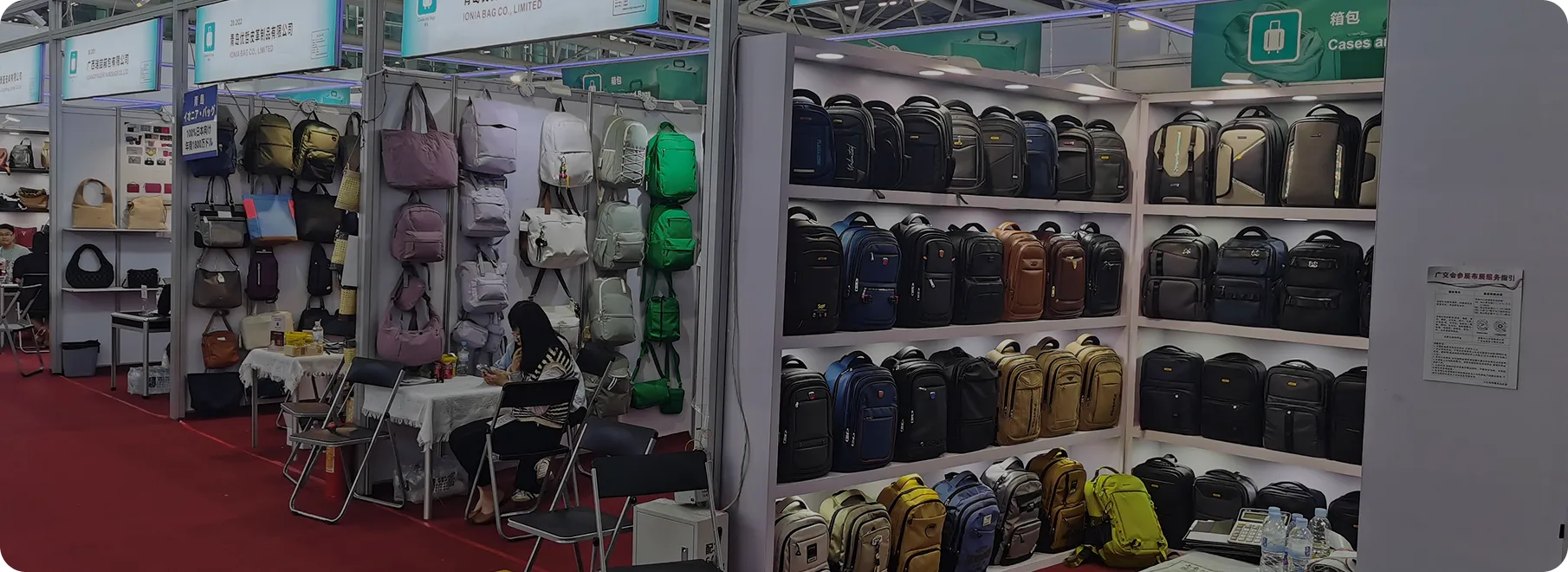
اختيار الجلد الخاطئ يمكن أن يؤدي إلى مقابض متشققة، وأشكال متدلية، وخياطة ضعيفة، وزبائن غير راضين. هذه مشكلة مكلفة للمستوردين، وتجار التجزئة، والعلامات التجارية. الخبر السار هو بسيط: بمجرد أن تفهم النوع الصحيح من الجلد، يمكنك الحصول على حقائب أفضل بثقة أكبر.
الجلد الأفضل للحقائب عادة ما يكون جلد كامل الحبة أو جلد أعلى الحبة، اعتمادًا على ميزانيتك، ومكانة العلامة التجارية، وحالة الاستخدام. يقدم الجلد الكامل أعلى قوة طبيعية وطابع، بينما يمنح جلد أعلى الحبة مظهرًا أنظف وأدق. بالنسبة لمعظم المشترين من الشركات، الجواب الصحيح يعتمد على المتانة، والإحساس، والتشطيب، والسوق المستهدفة، وأهداف الإنتاج.

حقائب جلدية
كشركة مصنعة للحقائب المخصصة ومقرها الصين، نعمل مع المستوردين، والموزعين، ومالكي العلامات التجارية، والبائعين لعلامات تجارية خاصة، وموردي المنتجات الترويجية، والعلامات التجارية الخارجية أو أسلوب الحياة كل يوم. في هذا الدليل، سأشرح كيفية اختيار الجلد للحقائب في التصنيع الحقيقي، وما هي علامات الجودة المهمة، وكيفية اختيار المادة التي تناسب احتياجاتك بشكل أفضل.
ما الذي يجعل نوعًا من الجلد أفضل من آخر لحقيبة يد؟
لماذا يفضل الكثير من المشترين الجلد الكامل؟
هل جلد أعلى الحبة خيارًا أذكى لإنتاج الحقائب التجارية؟
أين يقع الجلد الأصلي في السوق؟
هل حقائب جلد بقري دائمًا الخيار الأفضل؟
ماذا عن الجلد السويدي، والجلد الصناعي، والجلد الملتصق؟
كيف تؤثر عمليات الدباغة وتشطيبات الجلد على الأداء؟
ماذا يجب على المشترين من الشركات التحقق منه قبل طلب حقائب جلدية بكميات كبيرة؟
أي جلد هو الأفضل لفئات الحقائب المختلفة؟
كيف يمكن للشريك التصنيعي الصحيح تحسين النتائج؟
أفضل نوع من الجلد لــ حقيبة يد لا يتعلق فقط بالسعر. يتعلق بالبنية، والإحساس، والتشطيب، والأداء على المدى الطويل. ببساطة، الجلد الأفضل له ألياف أقوى، وسطح أكثر استقرارًا للجلد، ومقاومة أفضل للتمدد، والتقشير، والتشقق. لهذا السبب اختيار مادة الجلد الصحيحة مهم جدًا في الإنتاج التجاري.
عندما أقيم أنواع الجلد للعملاء، أبدأ بثلاثة أسئلة. كيف ستستخدم الحقيبة؟ ما هو سعر التجزئة المستهدف من قبل الزبون؟ ما مدى أهمية الملمس الطبيعي مقارنة بالمظهر الأملس والمتسق؟ تساعد هذه الإجاباتنا في تحديد ما إذا كان الجلد الكامل، أو جلد أعلى الحبة، أو خيار آخر هو الجلد المثالي للمشروع.
يجب أن توازن حقيبة الجلد القوية بين الجمال والوظيفة. بالنسبة للمشترين من الشركات، الهدف الحقيقي ليس مجرد شراء مادة باهظة الثمن. بل هو شراء الجلد المثالي لخط المنتج، وقاعدة العملاء، وقناة المبيعات.
يتم رؤية الجلد الكامل على نطاق واسع كأفضل جلد لأنه يحتفظ بأكثر جزء طبيعي من الجلد. يتم تصنيعه من الطبقة العلوية ويحتفظ بالخيط الطبيعي سليمًا. هذا يعني أن الألياف تظل كثيفة وقوية، مما يوفر متانة ممتازة ومظهر غني وأصيل. في العديد من المجموعات الفاخرة، يُعتبر جلد الحبوب هو أعلى معيار يتطلع إليه المشترون.
تتطور حقيبة الجلد كاملة الحبة في كثير من الأحيان إلى باتينا جميلة مع الاستخدام. هذا المظهر المتغير هو أحد الأسباب التي تجعل العديد من الأشخاص يقولون أن الجلد هو الخيار الأفضل للمنتجات الفاخرة. بدلاً من أن تبدو قديمة بطريقة سيئة، تكسب الشخصية. يمكن أن تظهر الحقيبة الجيدة باتينا جذابة مع مرور الوقت، مما يتصل به العديد من المستهلكين بالأصالة والقيمة.
بالنسبة للمجموعات عالية الجودة، يعتبر جلد بقر كامل الحبة هو خيار رائد لأنه قوي، ومستقر، ومتين بشكل كبير. كما يدعم خياطة قوية وإنهاء للحواف بشكل أفضل. إذا كان المشتري يريد خطًا فاخراً مع عمر خدمة طويل، فإن جلد كامل الحبة عادة ما يكون جوابًا آمنًا.
من خلال تجربتنا في المصنع، يسأل العملاء الذين يطلقون مجموعات فاخرة دائمًا أولاً عن خيارات الجلد الكامل أو شبه الكامل لأنهم يريدون منتجًا يشعر بأنه حقيقي، ويتقادم جيدًا، ويدعم القيمة العلامة التجارية على المدى الطويل.
نعم، في كثير من الحالات يمكن أن يكون جلد أعلى الحبة هو الخيار التجاري الأكثر ذكاءً. بينما يعد جلد كامل الحبة أو جلد أعلى الحبة قويين، فإن جلد أعلى الحبة يتم صنفرته وتكريره ليكون له مظهر أكثر تساويًا. وهذا يجعل من السهل السيطرة على اللون، والملمس، والاتساق عبر الطلبات الكبيرة. بالنسبة للمستوردين وتجار التجزئة ذوي العلامات الخاصة، فإن هذا مهم جدًا.
جلد أعلى الحبة حقيبة جلدية عادة ما يكون لديه تشطيب أنظف وأكثر لمعانًا من الجلد الكامل. قد يحتوي على شخصية طبيعية أقل قليلاً، لكنه لا يزال متينًا وجذابًا. بالنسبة للعلامات التجارية التي ترغب في منتج أنيق وعصري مع عدد أقل من العلامات المرئية، فإن جلد أعلى الحبة غالبًا ما يكون جوابًا عمليًا جدًا.
بالمقارنة مع الأنواع الأخرى، يوفر جلد أعلى الحبة توازنًا جيدًا بين المظهر، والتكلفة، والتحكم في التصنيع. هذا التوازن هو أحد الأسباب التي تبقيه خيارًا شائعًا، خاصة لخطوط الأزياء، وحقائب الأعمال، ومجموعات الحقائب المهيكلة.
جدول مقارنة سريعة: خيارات الجلد الشائعة للحقائب
| خيار الجلد | الميزات الرئيسية | أفضل استخدام | المزايا | الحدود |
|---|---|---|---|---|
| جلد كامل الحبوب | حبوب طبيعية، تصحيح ضئيل | حقائب فاخرة، أنماط تراثية | أفضل قوة، مظهر طبيعي، باتينا قوية | تكلفة أعلى، علامات طبيعية أكثر |
| جلد عالي الحبوب | سطح مصقول ومكرر | حقائب موضة، حقائب أعمال | مظهر نظيف، اتساق جيد، متانة | شخصية أقل طبيعية |
| جلد طبيعي | فئة تجارية واسعة | منتجات متوسطة المدى | جلد حقيقي ميسور التكلفة | الجودة تختلف كثيرًا |
| جلد سويدي | تشطيب سطح ناعم | لمسات موضة، حقائب ناعمة | نقش غني، لمسة ناعمة | يحتاج إلى المزيد من العناية |
| جلد صناعي | يعرف أيضًا باسم الجلد الصناعي | خطوط نباتية، عناصر ترويجية | تكلفة منخفضة، مرونة باللون | عمر أقل في العديد من الحالات |
| جلد ملصق | ألياف جلدية مختلطة ومواد لاصقة | إكسسوارات منخفضة التكلفة | رخيص | متانة ضعيفة على المدى الطويل |
يمكن أن يربك مصطلح الجلد الأصلي المشترين. يعني ببساطة أن المادة جلد حقيقي، لكنها لا تخبرك دائمًا بالدرجة الكاملة من الجلد. بعض حقائب الجلد الأصلي تعمل بشكل جيد، بينما تتكون أخرى من طبقات أدنى أو أسطح مغطاة بشكل كثيف. لذا، فإن الملصق وحده ليس كافياً.
في عمليات الشراء العملية، نخبر المشترين بسؤال أسئلة أعمق. ما هي طبقة الجلد المستخدمة؟ ما هو التشطيب المُطبق؟ هل الجلد المستخدم في مناطق الاستخدام العالي هو نفسه ألواح الجسم؟ بدون تلك الإجابات، من الصعب تقييم جودة الجلد.
فالجهاز الجلد الأصلي مصنوع من جلد الحيوانات، لكنه ليس بالضرورة من النوع الفاخر. يجب على المشترين التركيز على البناء، السماكة، الدعامات، التشطيب، ونتائج الاختبار. ذلك يعطي راحة بال أكثر بكثير من الملصقات التسويقية فقط.
بالنسبة لمعظم برامج الحقائب، لا يزال جلد الأبقار هو رائد السوق. يقدم القوة، والإمداد المستقر، ومرونة تصميم واسعة. لذلك، تعتقد العديد من فرق الشراء أن جلد الأبقار هو أفضل نقطة انطلاق لحقائب اليد، والحقائب الكبيرة، وحقائب الظهر، وحقائب السفر، وحقائب العمل. إنه متين وسهل التوحيد في الإنتاج.
ومع ذلك، ليس كل مشروع يحتاج إلى نفس المواد الأساسية. يمكن أن يكون جلد الماعز أكثر ليونة وأخف وزنًا. يتمتع جلد البيسون بنسيج جريء ومظهر قوي. يمكن استخدام جلد الجمل في تصاميم متخصصة. هذه أمثلة على خيارات جلدية مختلفة قد تتناسب مع قصة علامة تجارية خاصة أو سوق مستهدف.
ومع ذلك، بالنسبة لصناعة حقائب تجارية، تبقى حقائب جلد الأبقار الأكثر شيوعًا لأنها توفر إمدادات أكثر موثوقية، والأداء قوي، والتحكم في التكلفة أسهل. بالنسبة للعديد من المشترين بالجملة B2B، فإن هذا المزيج يجعلها مادة آمنة وقابلة للتوسع لإنشاء الحقائب.

حقائب جلدية
تشمل السوق العديد من أنواع الجلد المختلفة والمواد الشبيهة بالجلد. جلد صناعي, المعروف أيضًا باسم الجلد الصناعي، يستخدم على نطاق واسع لمجموعات حساسة للسعر، وصيحات الموضة قصيرة الدورة، وخطوط المنتجات النباتية. إنه يوفر تحكمًا جيدًا في الألوان ويساعد العلامات التجارية على الإطلاق بسرعة، لكن المتانة على المدى الطويل قد تكون أقل من الجلد الطبيعي.
يوفر جلد السويد لمسة ناعمة وفاخرة. يعمل بشكل جيد لمسات الموضة، الملحقات الصغيرة، أو الحقائب ذات الهيكل الناعم. لكن جلد السويد يحتاج إلى عناية إضافية. يمكن أن يتلطخ بسهولة أكثر وقد لا يكون مناسبًا للاستخدام الخارجي الخشن أو الاستخدام اليومي الثقيل.
ثم هناك الجلد الملصوق، المصنوع من الألياف المتبقية الملصوقة بمواد لاصقة. هذه الخيار عادةً لا يكون أفضل جودة جلود لبرامج حقائب اليد الجادة. وكذلك، يمكن أن يكون الجلد المنقسم والجلود المصححة مناسباً في بعض التطبيقات، لكن يجب على المشترين فهم التبادل في الأداء تمامًا. إذا كان الهدف هو بناء علامة تجارية فاخرة، فإن هذه المواد غالبًا ما تكون لها حدود.
الطريقة التي يُصنع بها الجلد لها تأثير مباشر على القوة، والشعور، والمظهر. يمكن أن يكون الجلد المدبوغ مدبوغًا بالكروم، أو مدبوغًا بالنبات، أو مختلطًا. غالبًا ما يتم اختيار الجلد المدبوغ بالنبات للمنتجات الكلاسيكية لأنه يتقدم بشكل جميل ويحافظ على شعور طبيعي. إنه شائع في السلع الفاخرة ذات الهيكل ومنتجات الجلد التراثية.
تعتبر التشطيبات الجلدية مهمة بنفس القدر. يمكن أن تخفي الطلاءات الثقيلة عيوب السطح وتجعل الحقيبة أكثر تUniform. تتيح التشطيبات الأخف ظهور المزيد من الحبيبات الطبيعية. إذا أراد العميل أن تبدو الحقيبة أصلية وتحتفظ بالعلامات الطبيعية، نقترح التشطيبات الأخف. إذا أراد العميل مظهرًا أكثر سلاسة في السوق العامة، يمكن تطبيق المزيد من التشطيب.
يؤثر التشطيب الجيد أيضًا على مقاومة الماء، واستجابة الخدوش، وثبات اللون. يجب على العميل الذي يختار الجلد الفاخر أن يسأل دائمًا كيف يؤثر التشطيب على مظهر الجلد وما إذا كانت المادة تبقى متينة وطويلة الأمد تحت الاستخدام الحقيقي.
عندما يقوم المشترون بالبحث عن برنامج حقيبة جلدية جديدة، يجب عليهم التحقق من أكثر من عينات. العملية الأكثر أمانًا هي مراجعة المادة والبناء والامتثال وقدرة المصنع معًا. في عملنا مع OEM و ODM، هذه هي نقاط التفتيش الأكثر أهمية:
سماكة المادة وثباتها
ثبات اللون ومقاومة التآكل
قوة المقبض وتعزيز اللحام
جودة السحاب والتبطين والأجهزة
طريقة الشعار وتغليف العلامة التجارية
وقت التسليم بالجملة وعملية التحكم في الجودة
يجب على المورد الجيد أيضًا أن يشرح أي خيارات جلدية متاحة تناسب كل مستوى ميزانية. هذه هي حيث تهم خبرة التصنيع. يمكن لمصنع يفهم كل من الشراء وتطوير المنتج أن يوصي بخيارات الجلد التي تدعم هدف السعر الخاص بك دون الإضرار بجودة المنتج.
قائمة فحص شراء حقيبة جلدية B2B
| نقطة تفتيش | لماذا يهم |
|---|---|
| أصل الجلد ومواصفات المادة | يساعد في تأكيد الاتساق والموضع المستهدف |
| مراجعة العينة | تظهر الأداء الحقيقي، والشعور، والتشطيب |
| اختبار نقاط الاستهلاك | يحمي من العوائد والشكاوى |
| MOQ ووقت التسليم | يؤثر على جدول الإطلاق وتخطيط المخزون |
| التغليف والوسم | يدعم الاستعداد للعلامات التجارية الخاصة وتجارة التجزئة |
| وثائق الامتثال | مهم للمستوردين والمشترين الشركات |
بالنسبة للمستوردين والموزعين ومالكي العلامات التجارية، تقلل هذه العملية من المخاطر. كما أنها تساعد في ضمان أن المنتج النهائي يتناسب حقًا مع احتياجاتك.
ليس كل حقيبة تحتاج نفس الجلد. الأفضل للحقائب يعتمد على الاستخدام. قد تحتاج حقيبة يد عصرية إلى نعومة ونهاية مصقولة. قد تحتاج حقيبة عمل إلى هيكل ومقاومة للخدوش. قد تحتاج حقيبة سفر خارجية إلى جلود أسمك ولوحات مدعمة. لهذا السبب، فإن صنع الحقائب هو دائمًا عن مطابقة المادة للوظيفة.
إليك كيف نوجه العملاء عادة:
المجموعات الكلاسيكية الممتازة: جلد كامل الحبيبات
مجموعات الأزياء النظيفة: جلد عُليا الحبيبات
خطوط تجارية حساسة للتكلفة: درجات جلدية حقيقية مختارة
تفاصيل فاخرة ناعمة: جلد سويدي
برامج نباتية أو ترويجية: جلد صناعي
هذا هو السبب أيضًا في أن صناعة الحقائب الجلدية هي عملية تقنية، وليست مجرد مهمة تصميم. قد يبدو الجلد جميلًا على نموذج، ولكن إذا لم يكن بإمكانه دعم الشكل المطلوب، أو الوزن، أو نمط الاستخدام، فلن يعمل في الإنتاج.

حقائب جلدية مخصصة للاستخدام اليومي
من حيث القيمة طويلة الأجل، يعتبر الجلد الخيار الأفضل للعديد من العلامات التجارية لأنه يقدم مزيجًا نادرًا من الجمال والأداء والإدراك. يوفر الجلد تنوعًا طبيعيًا وجودة حسية وإحساسًا بالأصالة يفضله الكثير من المشترين. في الأسواق الفاخرة، غالبًا ما يعتقد العملاء أن الجلد هو الأفضل للحقائب لأنه يدل على الجودة وطول العمر.
سبب آخر هو أن الجلد مقاوم للتآكل بطرق لا يمكن للعديد من المواد الاصطناعية مقاومتها، وخاصة عند استخدام الجلد واللمسة المناسبة. يحتفظ الجلد الجيد بالهيكل، ويتحسن مع تقدم العمر، ويخلق تجربة ملكية أقوى. هذه القيمة العاطفية مهمة للعلامة التجارية.
من وجهة نظر B2B، يمكن أن تدعم خط جلد مصنوع بإتقان هوامش أفضل وطلبات متكررة أقوى. هذه واحدة من الأسباب التي تجعل الجلد معروفًا بأنه يظل ذا صلة حتى مع تغير اتجاهات الموضة. ببساطة، بالنسبة للعديد من العلامات التجارية الجادة، يعتبر الجلد هو أفضل استثمار طويل الأجل.
اختيار المادة هو نصف المهمة فقط. المصنع له نفس الأهمية. شريك OEM أو علامة خاصة ماهر يفهم هندسة الأنماط، ونقاط التعزيز، ومطابقة الأجهزة، وكيف يمكن أن يساعد الجلد تصميمك في الانتقال من المفهوم إلى الإنتاج بالجملة دون فقدان الجودة.
بصفتنا مصنعًا مخصصًا ومقره الصين، ندعم المشترين من مرحلة العينات حتى الشحن. نساعد العملاء على مقارنة الأنواع الشائعة من المواد، واختيار البناء المناسب، وتجنب أخطاء الشراء باهظة الثمن. سواء كنت بحاجة إلى جلد لحقائب جلدية، أو مجموعات ترويجية، أو معدات سفر، أو حقائب جلدية تحمل علامة تجارية حقائب جلدية، فإن شريك التصنيع القوي يحسن السرعة والجودة والتحكم في التكاليف.
بالنسبة للمشترين الذين يديرون العديد من SKUs، يعد هذا مهمًا بشكل خاص. غالبًا ما نساعد العملاء في تبسيط القرارات من خلال تقليص خيارات الجلد المتاحة إلى خيارات عملية تناسب قناتهم وعميلهم وأهداف الهوامش. هذه هي الطريقة التي تتحرك بها من عدم اليقين إلى الفعل.
هل الجلد كامل الحبيبات دائمًا أفضل من جلد عُليا الحبيبات؟
ليس دائمًا. غالبًا ما يُنظر إلى الجلد كامل الحبيبات على أنه الخيار الأكثر طبيعية وقوة، ولكن قد يكون جلد عُليا الحبيبات أفضل إذا كنت ترغب في مظهر أكثر سلاسة، وتناسق بصري أكبر، ومطابقة بالجملة أسهل. يعتمد الخيار الأفضل على وضع المنتج والميزانية.
ما هو أفضل جلد للحقائب المستخدمة يوميًا؟
بالنسبة لحقائب الاستخدام اليومي، يعد جلد الأبقار هو الإجابة الأكثر أمانًا لأنه قوي وثابت ومتعدد الاستخدامات. تستخدم العديد من الأنماط اليومية الفاخرة أيضًا جلد كامل الحبيبات أو مادة جلد عُليا مصقولة لتحقيق توازن بين القوة والمظهر.
هل الجلد الحقيقي جيد بما يكفي لبرامج الحقائب ذات العلامة الخاصة؟
يمكن أن يكون، ولكن يجب على المشترين فحص المواصفات الحقيقية. الجلد الحقيقي هو مصطلح واسع. بعض المنتجات هي خيارات متوسطة متينة، بينما الأخرى هي درجات أقل. استفسر عن السماكة، واللمسة، واختبارات التحمل قبل الطلب.
هل الجلد الصناعي خيار سيء؟
لا. يمكن أن يكون الجلد الصناعي مفيدًا للخطوط النباتية، أو المجموعات القصيرة الأجل، أو البرامج الترويجية. ولكن مقارنة بالجلد الحيواني، غالبًا ما تكون مدة استخدامه أقصر، خاصة في المنتجات ذات الاستخدام الثقيل.
ما الجلد الذي يجب أن أتجنبه للحقائب الفاخرة؟
للمجموعات الفاخرة، سأكون حذرًا مع الجلد الملصق ومواد الانقسام ذات الدرجة المنخفضة جدًا. قد تقلل من التكلفة، ولكنها غالبًا ما لا تقدم المظهر أو مدة الاستخدام أو قيمة العلامة التجارية المتوقعة في الفئات الفاخرة.
كيف يمكنني الحفاظ على حقيبة جلدية في حالة جيدة؟
استخدم نفسجلدة المُرَكِّب المناسب، قم بتخزين الحقيبة بعيدًا عن الحرارة المباشرة وتجنب تحميلها بعبء زائد. يساعد العناية السليمة في الحفاظ على المرونة، واللمسة، والمظهر العام.
عندما يسألني المشترون عن أفضل جلد، عادة ما أجيب بهذه الطريقة: إذا كنت تريد أعلى جودة طبيعية، اختر الجلد كامل الحبيبات؛ إذا كنت ترغب في مظهر أنظف ونهاية تجارية أكثر تحكمًا، اختر جلد عُليا الحبيبات. كلاهما يمكن أن يكون ممتازًا عند مطابقته مع المنتج المناسب والعميل.
في التصنيع الحقيقي، فإن الإجابة الصحيحة لا تتعلق فقط بالهيبة. يتعلق الأمر بالأداء، والاتساق، والسعر، ووعد علامتك التجارية. بمجرد أن تفهم حبوب الجلد، واحتياجات البناء، والسوق النهائية، يصبح اختيار المادة الصحيحة أسهل بكثير.
بالنسبة للمشترين العالميين B2B، فإن تلك المعرفة تخلق منتجات أفضل، وقليل من الشكاوى، ونتائج تجارية أقوى.
غالبًا ما يُعتبر الجلد كامل الحبيبات الخيار الأعلى جودة للحقائب الفاخرة.
يعد جلد عُليا الحبيبات ممتازًا للإنتاج التجاري الأكثر نظافة وتناسقًا.
يعتبر جلد الأبقار هو الخيار الأكثر شيوعًا وموثوقية للعديد من فئات الحقائب.
يمكن أن يختلف الجلد الحقيقي بشكل كبير، لذا يجب على المشترين مراجعة المواصفات بعناية.
يخدم جلد السويد، والجلد الصناعي، والجلد الملصق كل منهم احتياجات أسعار وأسواق مختلفة.
تؤثر طريقة الدباغة المناسبة واللمسة على كل من المظهر ومدة الاستخدام.
يساعد المورد الجيد للحقائب في مطابقة المادة، والبناء، والسوق المستهدفة.
أفضل خيار جلد هو الذي يتناسب مع منتجك، وعميلك، ونموذج عملك.
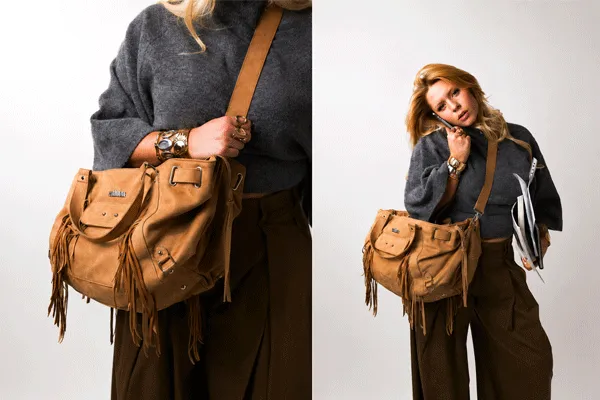
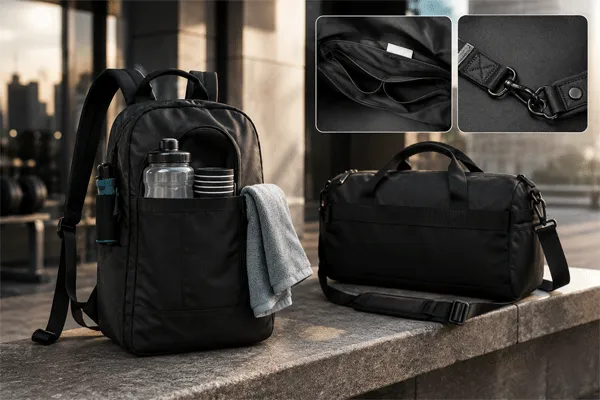
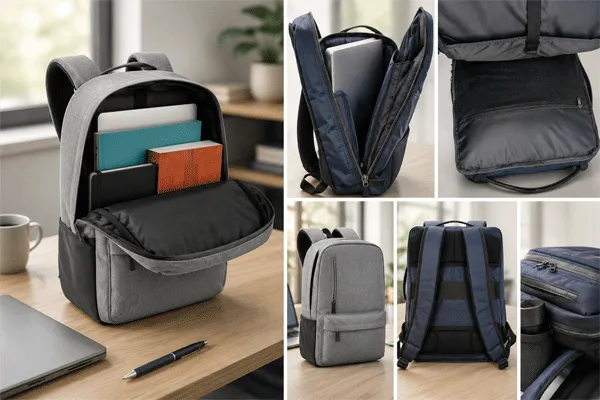
سنرد عليك في غضون 24 ساعة. إذا كانت الحالة طارئة، يُرجى إضافة واتساب/وي شات: +86 15066236153,. أو اتصل على +86 17657177170 مباشرة.
*نحن نحترم سريتك وجميع معلوماتك محمية.
لن نستخدم معلوماتك إلا للرد على استفسارك ولن نرسل أبداً رسائل بريد إلكتروني غير مرغوب فيها أو رسائل ترويجية.
 آخر مدونة
