

المحفظة القابلة للطي مقابل المحفظة الثلاثية: أي نوع من المحافظ هو الأفضل بالنسبة لك؟
2 مارس 2026
تريد محفظة تشعر بالراحة في جيبك، تحمل ما تحمله، وتدوم طويلاً. لكن الاختيار الخاطئ يمكن أن يشعر أنه ضخم، ينحني بطاقاتك، أو يتآكل بسرعة. في هذا الدليل، سأوضح الفروقات الحقيقية بين المحفظة القابلة للطي والمحفظة الثلاثية - حتى تتمكن من الاختيار بثقة.
تكون المحفظة القابلة للطي عادةً أفضل إذا كنت تريد شعورًا أنحف وسهولة الوصول السريع إلى البطاقات والنقود، بينما تكون المحفظة الثلاثية أفضل إذا كنت بحاجة إلى مساحة إضافية وتنظيم أقوى. الفارق الرئيسي هو الهيكل: قسمين مقابل ثلاثة أقسام، مما يغير السماكة والسعة والراحة.
محفظة
أساسيات المحفظة: ما الفرق بين القابلة للطي والثلاثية؟
المحفظة القابلة للطي مقابل الثلاثية: أي نمط من المحافظ يشعر بأنه أنحف في الجيوب الحقيقية؟
كم عدد فتحات البطاقات التي تحتاجها حقًا للبطاقات والنقود؟
توفر المحافظ الثلاثية مساحة تخزين أكبر - لكن متى تصبح ضخمة؟
تنطوي المحفظة القابلة للطي مرة واحدة: هل يعني ذلك الوصول السريع بشكل أسرع؟
جودة المحفظة الجلدية: ما هو "أفضل جلد" وماذا يجب أن تتجنب؟
فرق السعر بين المحفظة القابلة للطي والثلاثية: ما الذي يغير التكلفة؟
تكنولوجيا حجب RFID: هل تحتاج إليها في محفظة جديدة؟
اختيار محفظة للعمل والسفر والعلامات الخارجية: أي نوع من المحافظ يفوز؟
اختيار محفظة مع OEM/ODM: كيف يخصص مالكو العلامات التجارية القابلة للطي مقابل الثلاثية
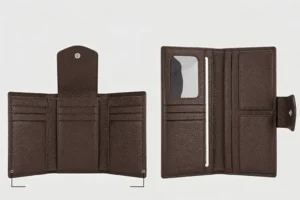
دعنا نبسط الأمر. الفرق بين المحفظة القابلة للطي والثلاثية هو عدد المرات التي تطوى فيها.
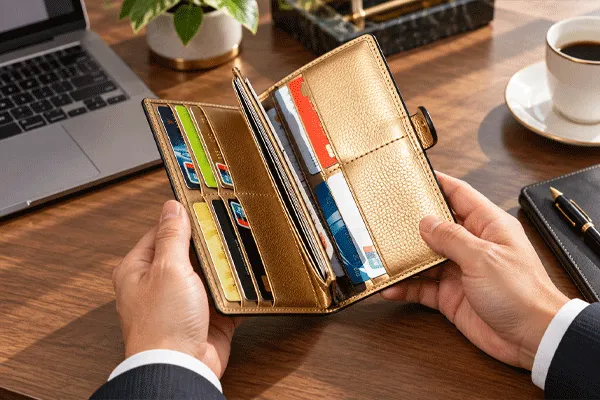
تطوى المحفظة القابلة للطي مرة واحدة - فكر في طي واحد، يفتح مثل الكتاب إلى قسمين.
تطوى المحفظة الثلاثية مرتين - تطوى إلى ثلاثة أقسام، مثل كتيب.
هذا الهيكل يخلق الفرق الرئيسي: عادةً ما تكون المحفظة القابلة للطي ذات شكل نحيف، بينما يمكن أن تحمل المحفظة الثلاثية المزيد، لكنها يمكن أن تصبح أكثر ضخامة إذا قمت بإفراط في تعبئتها.
إذا كنت قد سمعت عن الجدل الكلاسيكي بين القابلة للطي والثلاثية محفظة فهو حقًا يتعلق بسؤال واحد: هل تريد راحة أنحف أم مساحة إضافية وتنظيم أفضل؟
هنا تظهر حقيقة "الراحة اليومية".
تعتبر المحفظة القابلة للطي غالبًا الخيار الأفضل إذا كنت تهتم بتصميم أنحف. نظرًا لأنها مجرد طية واحدة، تتراص الطبقات أقل. يقوم العديد من الأشخاص بالتحويل إلى المحفظة القابلة للطي لأن المحفظة الثلاثية يمكن أن تشعر بالضخامة في جيب أمامي - خاصة مع الجينز.
يمكن أن تظل المحفظة الثلاثية مضغوطة في الارتفاع، لكن السماكة هي الثمن. المحافظ الثلاثية أكثر سمكًا لأنها تتراص المزيد من الطبقات في المنتصف.
بطاقة تقييم الشعور بالجيب (نموذجية):
المحفظة القابلة للطي: شعور المحافظ النحيفة، أسهل للجلوس، مظهر أنيق
المحفظة الثلاثية: المزيد من الطبقات، المزيد من الهيكل، يمكن أن تشعر بالضخامة
إذا كانت محفظتك قد تقضي ساعات تحت وزنك (في جيب الظهر)، فإن هذا الأمر يصبح أكثر أهمية. يمكن أن يؤدي زيادة سمك المحفظة إلى تسريع تآكل الحواف والأطراف مع مرور الوقت.
يميل معظم الأشخاص إلى تقدير ما يحتاجونه بشكل مبالغ فيه. لقد رأيت هذا مرارًا وتكرارًا في عينات B2B والطلبات الكبيرة: يطلب المشترون "المزيد من فتحات البطاقات"، ثم يطلبون لاحقًا تعديلًا نحيفًا بعد الاختبار في الحياة الحقيقية.
اسأل نفسك سؤالين:
ما هو عدد البطاقات التي تحملها حقًا يوميًا؟
هل تحمل بطاقات عمل أو إيصالات كثيرًا؟
إليك دليل عملي:
حمل الحد الأدنى (3-6 بطاقات): تعمل المحفظة القابلة للطي أو نمط المحفظة الحد الأدنى بشكل رائع
حمل متوسط (7-10 بطاقات): يمكن أن تعمل المحفظة القابلة للطي مع عدة فتحات بطاقة أيضًا
حمل ثقيل (10-15+ بطاقة): غالبًا ما تفوز المحفظة الثلاثية لأنها تضيف مساحة إضافية للبطاقات وتحافظ على الأمور مفصولة
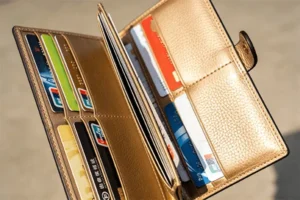
تقدم المحافظ الثلاثية مساحة تخزين أكبر بفضل اللوحة الإضافية. يمكن أن تضيف هذه اللوحة الإضافية المزيد من فتحات البطاقات ومنطقة أعمق للفواتير.
لكن هنا تكمن الفخ: القدرة الأكبر يمكن أن تغريك بحمل القمامة. هذا هو كيف تميل المحافظ إلى أن تتحول إلى أدراج صغيرة.
محفظة
تقدم المحافظ الثلاثية فائدة واضحة: المساحة والتنظيم الأفضل. يمكنك فصل:
بطاقات يومية
بطاقات احتياطية
بطاقات عضوية
إيصالات
حتى صورة صغيرة أو ملاحظة
لهذا السبب قد تناسب المحافظ الثلاثية المشترين الذين يحملون الكثير من البطاقات، بطاقات السفر، أو الهوية لمواقع العمل.
لكن إذا قمت بتعبئة كل فتحة، ستصبح المحفظة ضخمة بسرعة. يصبح الطي الأوسط نقطة ضغط. هذا هو الوقت الذي يمكن أن تكون فيه المحفظة الثلاثية متصلبة، خاصة مع الجلد السميك.
قاعدة مفيدة أشاركها مع العملاء:
إذا ملأ أكثر من ~70% من السعة، اختر نوع محفظة أكبر - أو قلل مما تحمله.
أيضًا، تختلف طريقة التعامل مع النقود. عادةً ما تكون الفواتير في المحفظة القابلة للطي مسطحة أكثر؛ بينما يمكن أن تشعر الفواتير في المحفظة الثلاثية بأنها مضغوطة أكثر عندما تكون المحفظة مشدودة.
نعم - في معظم الأوقات.
لأن محفظة الثني تُفتح بشكل مسطح، ستحصل على وصول سريع إلى بطاقاتك الأكثر استخدامًا. عند الدفع عند العداد، لا تريد “فتح خريطة”. لهذا السبب لا تزال المحافظ الكلاسيكية مثل محفظة الثني التقليدية تحظى بشعبية.
تضيف محفظة الثلاثي خطوة. تفتحها، ثم تفتح غطاء. ليس صعبًا، لكنه أبطأ.
إذا كانت السرعة مهمة - مثل التنقل، جولات القهوة، فحص شارات المعارض - غالبًا ما تشعر محفظة الثني بأنها أكثر طبيعية.
اختبار الحياة الواقعية: إذا كنت تستخدم البطاقات والنقود يوميًا، وتريد حركة سلسة واحدة، اختر محفظة ثني.
المحفظة ليست مجرد شكل. المادة تحدد كيف تتآكل.
عندما يسألني المشترون عن محفظة عالية الجودة، أبدأ عادةً بأساسيات الجلد:
جلد الحبوب الكاملة يحتفظ بالحبيبات الطبيعية وغالبًا ما يُعتبر فاخراً ودائمًا من قبل العديد من العلامات التجارية والمعلمين في عالم الجلد.
جلد الحبوب العلوية غالبًا ما يُصقل/يُلمع لمظهر أكثر تجانسًا ويستخدم على نطاق واسع في السلع الاستهلاكية.
إذا كنت تريد شعور “يتحسن مع تقدم العمر”، اختر محفظة مصنوعة من مواد فاخرة مثل جلد الحبوب الكاملة (أو على الأقل جلد الحبوب العلوية القوي من مدبغة/علامة تجارية ذات سمعة جيدة).
ما يجب تجنبه (علامات حمراء شائعة):
جلد “حقيقي” رفيع جدًا مع طلاء ثقيل (غالبًا ما يتشقق أسرع)
خياطة ضعيفة عند خطوط الثني (هذا هو المكان الذي تتحمل فيه المحافظ أكبر قدر من الضغط)
جلد شديد الصلابة على محفظة ثلاثية (يمكن أن يتعارض مع الثني المزدوج)
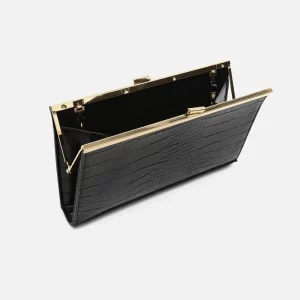
محفظة نحيفة سوداء من الجلد الصناعي مع سلسلة ذهبية قابلة للفصل
فرق السعر بين محفظة الثني ومحفظة الثلاثي غالبًا ما يأتي من:
مزيد من الألواح (قطع إضافية من الجلد)
مزيد من مادة التبطين
مزيد من وقت الخياطة
مزيد من بناء جيوب وتعزيزات
في الإنتاج من الشركات الأصلية والعلامات التجارية الخاصة، غالبًا ما تتطلب تصميمات المحفظة الثلاثية مزيدًا من العمالة. هذا لا يعني دائمًا “باهظًا”، لكنه قد يزيد التكلفة عند زيادة الإنتاج.
إليك جدول بسيط لعوامل التكلفة بأسلوب B2B:
| عامل التكلفة | محفظة ثني | محفظة ثلاثية |
|---|---|---|
| استخدام الجلد | متوسط | متوسط - عالي |
| وقت الخياطة | متوسط | عالية |
| تعقيد النمط | منخفض - متوسط | متوسط - عالي |
| تركيز مجالات QC | حواف الثني | حواف الثني + كومة الوسط |
| ترقية شائعة | ملف نحيف | مساحة إضافية |
لذا نعم، يمكن أن يكون هناك فرق في السعر، لكن درجة المادة (مثل المصنوعة من جلد عالي الجودة) غالبًا ما تكون أهم من عدد الثنيات.
دعنا نبقي الأمر عمليًا.
يمكن أن تساعد تقنية منع RFID في تقليل خطر المسح غير المصرح به لبطاقات RFID-enabled باستخدام مواد درع (غالبًا ما توصف بأنها “حاجز” أو تأثير قفص فاراداي).
هل تحتاجها؟ يعتمد ذلك على وضعك:
إذا كنت تسافر كثيرًا، وتذهب إلى أحداث مكتظة، أو تحمل بطاقات RFID-enabled: يمكن أن تكون إضافة جيدة.
إذا كانت بطاقاتك لا تستخدم RFID بدون اتصال (أو نادرًا ما تقلق بشأن ذلك): قد لا يكون الأمر مهمًا بالنسبة لك.
ملاحظة واحدة من التصنيع: يمكن أن تغير بطانات RFID قليلاً
يحتاج المشترون المختلفون إلى أنواع مختلفة من المحافظ. إليك كيفية إرشادي لعملاء B2B - المستوردين، مالكي العلامات التجارية، والموردين الترويجيين - عند اختيارهم محفظة لخط إنتاج.
إذا كانت من أجل مظهر تجاري نظيف، غالبًا ما تفوز محفظة الثني الأنيقة. تناسب جيوب البدلة، وتفتح بشكل أنيق، وتشعر بالكلاسيكية.
أفضل تناسب: ثني، ملف نحيف، فتحات بطاقات بسيطة.
لماذا: استخدام سريع، أقل حجمًا، يبدو فاخرًا.
غالبًا ما يحمل المسافرون أكثر: هويات إضافية، تذاكر، بطاقات احتياطية. هنا يمكن أن تتألق محفظة ثلاثية.
أفضل خيار: ثلاثي الطيات، مساحة إضافية، تنظيم أفضل
لماذا: يفصل العناصر، يتعامل مع حمل "فقط في حالة"
غالبًا ما ترغب العلامات التجارية الخارجية في المتانة وسهولة الوصول. يمكن أن يكون محفظة ثنائية الطيات من جلد قوي أو قماش تقني مثاليًا. يمكن أن تعمل المحفظات الثلاثية الطيات أيضًا، ولكن يجب أن تكون معززة في نقاط الطي.
أفضل خيار: ثنائية الطيات (أو هجينة)، خياطة قوية، سهولة الوصول
لماذا: طبقات أقل = نقاط ضغط أقل
لذلك، يعتمد "المحفظة التي تختارها" على المكان الذي تحملها فيه وما تحمله - ليس فقط على النمط.
إذا كنت ستقرأ جزءًا واحدًا، اقرأ هذا.
| أولوياتك | اختر هذا النمط من المحفظة | لماذا |
|---|---|---|
| هل ترغب في رقيق محفظة ثنائية الطيات | طبقات أقل، إحساس أرق | حمل الكثير من البطاقات |
| محفظة ثلاثية الطيات | المزيد من الألواح، المزيد من التخزين | هل ترغب في وصول سريع |
| ثنائية الطيات | تفتح بشكل مسطح، استخدام أسرع | تكره كثافة الجيب |
| سمك كومة أقل | تفتح بشكل مسطح، استخدام أسرع | تحتاج إلى تنظيم |
| ثلاثية الطيات | الأقسام تساعد في فرز العناصر | تحب الحمل البسيط |
| محفظة بسيطة / ثنائية الطيات رقيقة | تقلل الفوضى | ونعم، يمكن أن تكون ثنائية الطيات أو ثلاثية الطيات "صحيحة". المحفظة هي الأفضل عندما تتناسب مع عاداتك. |
دراسة حالة: مالكو العلامات التجارية يقومون بتخصيص المحافظ الثنائية مقابل الثلاثية (وجهة نظر OEM/ODM)
دراسة حالة 1: مورد منتجات ترويجية (هدايا بالجملة)
انتقلنا إلى محفظة ثنائية الطيات أكثر نحافة:
فتحاته أقل، ولكن تخطيطه أكثر ذكاءً
دهان حواف أكثر نظافة
طبقة RFID اختيارية (رفيعة)
النتيجة: شكاوى أقل، معدل إعادة طلب أعلى.
دراسة حالة 2: علامة تجارية لأسلوب السفر (خط التجزئة)
قمنا بتعزيز درزة الطي الوسطى لتقليل التآكل، واستخدمنا بطانة أكثر ليونة بحيث تلتف بسلاسة.
قائمة مراجعة OEM/ODM: ما يجب تحديده عند طلب محفظة بكميات كبيرة
نمط المحفظة المستهدف: ثنائية الطيات، ثلاثية الطيات، أو بسيطة
الأبعاد + حدود السمك (خاصة إذا كنت ترغب في شكل نحيف)
سعة البطاقة: "تناسب X بطاقات بشكل مريح" (ليس "يمتلك 12 فتحة")
اختيار الجلد: جلد كامل الحبة / جلد عالي الجودة / بدائل PU
خيار الجلد: بدائل الجلد المحبب بالكامل / المحبب العلوي / بدائل البولي يوريثان
بطانة: قماش، جلد، طبقة RFID (إذا لزم الأمر)
الملحقات: جيب نقود بسحاب أو بدون
العلامة التجارية: بصمة بارزة، ختم رقائقي، شعار معدني، تعبئة خاصة بالعلامة
معايير مراقبة الجودة: كثافة الغرز، اختبارات طلاء الحواف، اختبار دورة الطي
احتياجات الامتثال: قيود المواد، قواعد وضع العلامات، طلبات الاختبار
هذه هي الطريقة التي تنتقل بها من فكرة "محفظة جميلة" إلى منتج قابل للتكرار.
ما هو الأفضل، محفظة ثنائية الطي أم ثلاثية الطي؟
تعتبر المحفظة الثنائية أفضل إذا كنت تريد شعوراً أرق وأسهل استخدام. المحفظة الثلاثية أفضل إذا كنت بحاجة إلى مزيد من التنظيم والسعة. الاختيار الأفضل يعتمد على راحة جيبك وعدد البطاقات التي تحملها.
هل توفر المحافظ ثلاثية الطي المزيد من فتحات البطاقات مقارنة بالثنائية؟
نعم. توفر المحافظ ثلاثية الطي مساحة أكبر لفتح البطاقات لأنها تحتوي على لوح إضافي (ثلاثة أقسام).
ما الفرق بين المحفظة الثنائية والثلاثية في الاستخدام اليومي؟
تفتح المحفظة الثنائية تماماً وتكون أسرع عند الدفع. تضيف المحفظة الثلاثية مزيدًا من التخزين ولكنها يمكن أن تشعر بضيق أكثر عند الامتلاء، خاصة للنقود.
هل تجعل تقنية حجب RFID المحفظة أكثر سمكًا؟
يمكن أن تفعل ذلك، اعتمادًا على طبقة الحماية. تستخدم العديد من محافظ RFID طبقة مُعدة بالمعدن لحجب المسح، وقد تضيف تلك الطبقة سماكة قليلة.
ما هو نوع جلد المحفظة الذي يدوم طويلاً؟
تصف العديد من الأدلة جلد الحبوب الكاملة بأنه متين لأن الحبة الطبيعية تظل غير متغيرة، بينما يتم عادةً تجفيف جلد الحبوب العلوية لتحقيق التجانس. يمكن أن تدوم النوعين بشكل جيد عند تصنيعهما وخياطتهما بشكل صحيح.
كيف يمكنني تحديد أي محفظة لاختيارها لإطلاق علامة خاصة؟
ابدأ بشخصية المشتري وأسلوب الحمل: محفظة ثنائية نحيفة للحمل اليومي البسيط، ومحفظة ثلاثية لحمل السفر ذو السعة الأعلى. ثم قفل المواصفات (الحجم، سعة البطاقة، الجلد، العلامة التجارية) حتى تتمكن من التوسع بشكل موثوق.
محفظة ثنائية الطي = عادةً أكثر نحافة، أسرع، وأكثر راحة في الجيوب
محفظة ثلاثية الطي = مزيد من التنظيم ومساحة إضافية، ولكن يمكن أن تصبح كبيرة الحجم
الفرق بين ثنائية وثلاثية الطي هو الهيكل: قسمان مقابل ثلاثة أقسام
المواد تهم: اختر بناء محفظة جلدية متينة وخياطة قوية في نقاط الطي. حجب RFID اختياري - استخدمه عندما يتناسب مع مخاطر وسمك أهدافك.
لتوريد B2B، تفوق المواصفات الواضحة على "ميزات أكثر" في كل مرة.

سنرد عليك في غضون 24 ساعة. إذا كانت الحالة طارئة، يُرجى إضافة واتساب/وي شات: +86 15066236153,. أو اتصل على +86 17657177170 مباشرة.
*نحن نحترم سريتك وجميع معلوماتك محمية.
لن نستخدم معلوماتك إلا للرد على استفسارك ولن نرسل أبداً رسائل بريد إلكتروني غير مرغوب فيها أو رسائل ترويجية.
 آخر مدونة
