




حقيبة السلك مقابل الحقيبة الكروس: أيهما أفضل للسفر والاستخدام اليومي والمشترين الكبار؟
28 فبراير 2026
لديك منتجات يجب الحصول عليها، هوامش تحتاج إلى الحماية، وزبائن يتذمرون في اللحظة التي يلتوي فيها حزام أو تعلق سحاب. هذه هي المشكلة. تصبح الأمور أسوأ عندما تتراكم المرتجعات وتنخفض التقييمات. الحل بسيط: اختر أسلوب الحقيبة المناسب - حقيبة سلك أو حقيبة كروس - بناءً على حالة الاستخدام والمواصفات وتوقعات المشتري.
اختيار حقيبة سلك مقابل حقيبة كروس يعتمد على وضعية الحمل وسرعة الوصول وراحة الحمل. عادةً ما تكون حقيبة السلك أعلى على الظهر أو الصدر بحزام واحد، مما يجعلها سريعة لوضعها للأمام. بينما تتدلى حقيبة الكروس (حقيبة كروس) بشكل أقل "عبر الجسم"، مما يوزع الوزن ويحسن راحة الاستخدام الطويل. بالنسبة للسفر وتجارة التجزئة، الخيار "الأفضل" هو الذي يتناسب مع عادات زبونك واستراتيجية المخزون ونقطة السعر.

سلك-حقيبة-مقابل-كروس
حقيبة سلك مقابل حقيبة كروس: ما الفروق الرئيسية بين أنماط السلك وتصاميم الكروس؟
حقيبة مقابل: متى ينبغي عليك اختيار حقيبة سلك بدلاً من حقيبة كروس؟
أي حقيبة أفضل للتنقل والمشاورات اليومية؟
هل حقائب السلك وحقائب الكروس حقائب جيدة للسفر؟
سلبيات حقائب السلك: ما الشكاوى التي تظهر في التقييمات والمرتجعات؟
سلبيات حقائب الكروس: أين يشعر المشترون بخيبة الأمل؟
أنواع حقائب السلك: أي التصاميم تبيع بشكل أفضل في 2026؟
حقائب الكروس للسفر: ما الميزات التي يطلبها المستوردون والعلامات التجارية أكثر؟
كيف أختار الحقيبة المناسبة لمجموعة حقيباتي أو خط العلامة الخاصة بي؟
قائمة التحقق OEM/ODM: كيفية تحديد مواصفات حقائب السلك والكروس الصحيحة مع مصنع في الصين؟
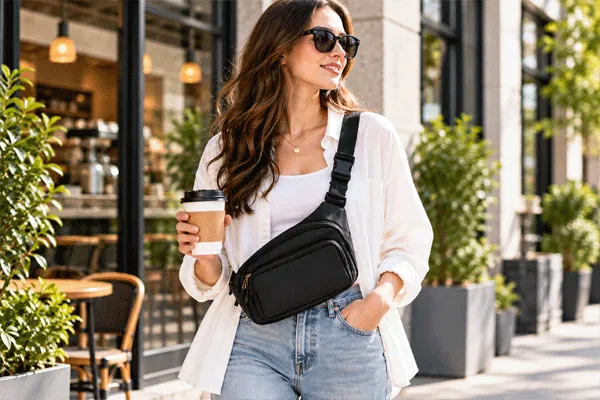
لنضع الفرق في شكل عملي. حقائب السلك مصممة حول حزام واحد وجسم مدمج يمكنك أن تدفعه من الخلف إلى الأمام بحركة واحدة. حقيبة الكروس تستخدم حزامًا أطول وتجلس في مكان أدنى، غالبًا بالقرب من الورك. هذا يغير الوصول والراحة والأمان.
إليك الطريقة الأسهل التي أشرحها للمستوردين وفرق العلامات التجارية: حقيبة السلك تتعلق بالسرعة والتحكم؛ حقيبة الكروس تتعلق بالراحة والثبات على المدى الطويل. يمكن أن تبدو كلا النوعين من الحقائب متشابهة، لكن هندسة الحمل تغير كل شيء - خاصة زاوية الحزام، اتجاه السحاب، وكيفية جلوس الحقيبة عند المشي سريعًا.
| الميزة | حقيبة حبال | حقيبة كروس |
|---|---|---|
| وضعية الحمل | أعلى (ظهر/صدر) | أدنى (ورك/جانب) |
| الوصول | نقل سريع إلى الأمام | وصول سهل من الأمام، نقل أبطأ |
| راحة مع الأحمال الثقيلة | متوسط | أفضل للاستخدام طويل الأمد |
| الأفضل لـ | المشي في المدينة، مشاورات سريعة، حمل محدود | استخدام طوال اليوم، أيام السفر، التسوق |
| الكلمات الرئيسية المعتادة للمشتري | طراز سلك، مدمج، رياضي، بدون استخدام اليدين | طراز كروس، يومي، كلاسيكي، آمن |
الكثير من الحقائب تقدم تداخل، مثل الأحزمة القابلة للتعديل، المنظمات الداخلية، وسحبات مضادة للسرقة. لكن وضعية الحمل لا تزال تحدد تجربة المستخدم.
إذا كان زبونك يريد "التقاط والذهاب"، فإن حقيبة السلك تفوز. إذا كانوا يريدون "ارتدائها طوال اليوم"، فإن حقيبة الكروس عادةً ما تفوز. هذه هي القرار الحقيقي وراء كل نقاش "حقيبة مقابل".
إليك ما تعلمته من محادثات OEM مع المشترين من الخارج: يصبح الاختيار بين حقيبة السلك وحقيبة الكروس سهلاً عندما تسأل سؤالًا واحدًا - كم مرة سيفتح المستخدم الحقيبة أثناء الحركة؟ تسمح لك حقيبة السلك برفعها للأمام بسرعة. تبقى حقيبة الكروس ثابتة لكنها أقل ملاءمة للتقليب للأمام.
أمثلة عملية:
اختر حقيبة سلك عندما يحمل المستخدم النهائي الهاتف + المحفظة + المفاتيح + سماعات الأذن ويفتح الحقيبة كثيرًا.
اختر حقيبة كروس عندما يحمل المستخدم مزيدًا من العناصر (بطارية طاقة، نظارات شمسية، زجاجة مياه صغيرة) ويرتديها لساعات.
إذا كنت تبيع لعلامات تجارية في الهواء الطلق والسفر ونمط الحياة، فستقوم غالبًا بتخزين كلاهما: حقيبة سلكية بسيطة بالإضافة إلى حقيبة كروس أكبر قليلاً لجذب جمهور أوسع.
بالنسبة للتنقل، فإن الراحة والثبات "بدون استخدام اليدين" مهمتان. تعتمد الحقيبة الصحيحة على الحمل والحركة. إذا كنت تحمل خفيفًا، فإن حقيبة السلك تشعر بالرشاقة. إذا كنت تحمل وزنًا متوسطًا إلى ثقيل، فإن حقيبة الكروس توزع الوزن بشكل أفضل وتقلل من تعب الكتف.
A حقيبة كتف يمكن أن تنزلق أثناء حركة الذروة؛ لهذا السبب أصبحت أنماط الكروس والسلك شائعة - أصبحت الحقائب أكثر عن الوظيفة من مجرد الموضة. يفضل العديد من المتنقلين الحقائب ذات السحابات بالإضافة إلى ملاءمة قريبة من الجسم.
قاعدة الإبهام الخاصة بي للتخطيط للمنتجات:
إذا كان زبونك يستهدف "المتعصبين للمدينة"، قم ببناء مجموعة حقائب سلكية نحيفة مع 2-3 أحجام.
إذا كان زبونك يستهدف "العمل + المشاوير"، أضف حقيبة كروس أصغر وأخرى متوسطة للتنقل اليومي.
عندما يسأل المشترون "أي حقيبة أفضل للاستخدام اليومي؟" أخبرهم: اختر تلك التي لن يتلاعب بها زبونك. أقل ضبط للحزام = مرتجعات أقل.
نعم - يمكن أن تكون الحقائب المعلقة والحقائب المتقاطعة كلاهما حقائب سفر ممتازة، لكنهما تحلان مشكلات سفر مختلفة. حقيبة كروس سريعة للتأرجح إلى الأمام في الحشود. كروس بودي مريحة لمسارات المشي الطويلة وأيام المتاحف.
يبقى قطاع تجارة السفر وإكسسوارات السفر في حالة نمو لأن طلب السفر يستمر في الارتفاع. على سبيل المثال، تقدر شركة Grand View Research سوق الأمتعة العالمية بحوالي 38.80 مليار دولار أمريكي في عام 2023، ومن المتوقع أن تصل إلى 61.49 مليار دولار أمريكي بحلول عام 2030. تدعم هذه الرياح الإيجابية خطوط ملحقات السفر، بما في ذلك الصيغ المعلقة والمستعرضة.
تقدر IMARC أيضًا سوق الحقائب السفر العالمية بحوالي 19.2 مليار دولار أمريكي في عام 2024، مع توقعات للنمو إلى 30.5 مليار دولار أمريكي بحلول عام 2033.
الجولات اليومية: حقيبة متقاطعة ██████████
المطارات/المترو: حقيبة معلقة ████████
حدائق التسلية: متقاطعة █████████
الأسواق الشارعية: حقائب معلقة ████████
أيام المشي الطويلة: تقدم الحقائب المتقاطعة ██████████
ملاحظة أمنية: يحب العديد من المسافرين حقيبة يمكنهم سحبها إلى الأمام في الحشود. تتفوق الحقيبة المعلقة هنا لأن الحقيبة تجلس عالية وتدور للأمام بسرعة. تعمل الحقيبة المتقاطعة أيضًا - خاصة إذا كانت السحّاب تواجه الداخل.
أيضًا، لا تنسَ مستندات السفر. يريد المسافرون جيبًا مخصصًا يناسب جواز السفر + بطاقة الصعود دون ثني الزوايا.
دعنا نكون صادقين: تظهر عيوب الحقائب المعلقة عندما تكون الحقيبة محملة بشكل زائد، أو تكون الحزام ضيقًا جدًا، أو يكون شكلها غير مريح على الظهر. تبدو الحقيبة المعلقة مضغوطة، لذلك يتوقع العملاء أحيانًا أن تحمل أكثر مما ينبغي.
أنماط الشكاوى الشائعة التي نراها في ملاحظات الشركات B2B:
الحزام يحفر في الرقبة (عرض الحزام ومواصفات padding خفيفة جدًا)
الحقيبة تتأرجح عند الجري (عدم وجود حزام مثبت)
السحاب يحتك بالملابس (لم يتم اختبار موضع السحاب على الجسم)
الحقيبة تجلس عالية جدًا أو منخفضة جدًا (نطاق طول الحزام غير مناسب بما فيه الكفاية)
تقدم الحقيبة المعلقة وصولًا ممتازًا، لكنها قد تشعر أيضًا بـ "ثقيلة على كتف واحد" إذا كان الحمل كثيفًا. لهذا السبب نوصي غالبًا بنسيج حزام أوسع قليلاً ووسادة كتف اختيارية لخطوط السفر.
نعم - المواد لها أهمية. تبدو الحقيبة المعلقة الجلدية فاخرة، لكنها قد تضيف وزنًا. أحيانًا يبيع قماش مط coated أخر أخف بشكل أفضل للسفر.
عيوب الحقائب المتقاطعة عادة ما تتعلق بالحركة والوصول. الحقيبة المتقاطعة مستقرة، لكن يمكن أن تتأرجح نحو الورك عند المشي بسرعة، خاصة إذا كان الحزام طويلًا جدًا. ي dislike بعض العملاء الوصول البطيء مقارنةً بالمعلقة.
الشكاوى الشائعة تشمل:
الحزام يلتوي (مسألة اختيار الأجهزة وبناء الحزام)
الحقيبة تتدلى منخفضة جدًا (نطاق الحزام غير محسن)
موضع البكلة يضرب الصدر (موضع غير مريح)
الكثير من الجيوب يصبح فوضى (العناصر غير مرتبة بشكل بديهي)
أيضًا، غالبًا ما تُستخدم الحقائب المتقاطعة كـ "حقائب كل شيء"، لذلك يجب على المشترين تحديد حجمها بعناية. إذا كانت صغيرة جدًا، يشتكي العملاء. إذا كانت كبيرة جدًا، تبدو bulky.
تفصيل آخر: يجب أن يأخذ تصميم الحقيبة المتقاطعة في الاعتبار المستخدمين الأيمن والأيسر. اتجاه السحاب مهم أكثر مما يعتقد الناس.
عندما يسألني المشترون عن أنواع الحقائب المعلقة، أركز على أنماط بيع حقيقية:
حقيبة من النوع الكلاسيكي (شكل نظيف، علامة تجارية minimal): الأفضل للعلامات التجارية الخاصة والعلامات الحياتية
حقيبة رياضية/تقنية (جيوب أكثر، مقاومة للماء): الأفضل للتنقل والسفر
حقيبة صغيرة (هاتف + بطاقات): الأفضل للترويج والتجارب منخفضة الكمية
حقيبة مستوحاة من التكتيكية (نسيج، شكل modular): جمهور متخصص ولكنه مخلص
تعد الحقيبة المعلقة الجيدة منتجًا رائعًا للربط: صغيرة بما يكفي لتلبية عمليات الشراء الاندفاعية لكنها عملية بما يكفي للاستخدام المتكرر. تأتي العديد من الحقائب بألوان موسمية، لكن "الألوان الأساسية" تدفع استقرار إعادة الطلب.
إذا كانت مجموعتك تشمل الحقائب الجلدية، يمكن أن تُثبت حقيبة جلدية مع قسم فاخر. زوجها مع حقيبة متقاطعة جلدية متطابقة لبناء مجموعة متماسكة.

حقيبة من القماش الجلدية بتصميم متعدد الجيوب، حزام قابل للتنفس لحركة يومية.
عندما تطلب العلامات التجارية حقائب متقاطعة للسفر، فإنها عادة ما تريد:
جيب أمامي سهل الوصول
جيب RFID (اختياري، يعتمد على السوق)
سحاب سلس + ساحب متين
حزام قابل للتعديل مع خياطة قوية
قماش خفيف ولكنه مقاوم للاحتكاك
في الممارسة العملية، تتميز الحقائب بإشارات "مكافحة السرقة" محددة: سحبات تتجه إلى الداخل، جيب خلفي مخفي، وحزام يقاوم الالتقاط السريع. تنصح بعض مجتمعات السفر manten إلى إبقاء السحابات مواجهة للأمام وتحريك الحقيبة إلى الأمام في الحشود - خاصة في المناطق ذات السياح الكثيف. (هذه نصيحة شائعة للسلامة أثناء السفر؛ سترى توجيهات مماثلة تناقشها المسافرون.)
إذا بنيت حقيبة للاستخدام اليومي تعمل أيضًا للرحلات، ركز على الراحة: تقدم الحقيبة قيمة عندما لا تزعج المستخدم. وهذا يعني: حواف حزام أكثر نعومة، وأجهزة مستقرة، وتخطيط جيد للجيوب.
أيضًا، لا تنسَ العلامة التجارية. غالبًا ما يرغب المشترون بالعلامات الخاصة في:
شعار بوسم حراري
ملصق منسوج
لوحة شعار معدني
طباعة بطانة مخصصة
إدخال التغليف
هذا هو المكان الذي نساعد فيه المشترين، كمصنع OEM/ODM مقره في الصين، على الانتقال من "فكرة" إلى "مواصفات قابلة للتكرار."
إذا كنت تبني مجموعة من الحقائب، فلا تبدأ بالأنماط. ابدأ بسلوك العملاء. اسأل: متى يحملونها؟ ماذا يحملون؟ كم من الوقت يرتدونها؟
وهنا نهج بسيط أستخدمه مع المستوردين وفرق التجارة الإلكترونية لاختيار التشكيلة المناسبة:
اختر حقيبة مائلة بطول متوسط (حجم متوسط، جمهور واسع)
أضف حقيبة صغيرة رائعة (سهولة الوصول، متوافقة مع الاتجاهات)
أضف خيار مادة "ترقيّة" (نايلون → PU → جلد)
أضف علبة لون (أسود، رمل، زيتوني، موسمي)
هذا يقلل من SKUs بينما يغطي معظم الطلب. كما أنه يمنع إطلاقاً فوضوياً حيث تتداخل أنواع الحقائب الكثيرة مع العملاء.
كما ستحتاج إلى التفكير في مستويات الأسعار:
مدخل: حقيبة جانبية بسيطة / حقيبة صغيرة للعرض الترويجي
متوسط: حقيبة مائلة يومية مع جيوب منظمة
ممتاز: مواد أنيقة مثل حقيبة مائلة أنيقة أو مجموعة جلدية
تذكر: تعمل الحقائب عندما تتناسب مع قصة العلامة التجارية. العلامات التجارية الخارجية تريد المتانة. المشترون الشركات يريدون تصميمًا نظيفًا واحترافيًا. الموردون الترويجيون يريدون تسليمًا سريعًا ومواصفات مستقرة.
هنا هو المكان الذي يكسب فيه المشترون B2B أو يخسرون المال. يمكن أن تبدو نوع حقيبة مثالية في الصور لكنها تفشل في الاستخدام الحقيقي إذا لم يتم تحديد الحزام والسحاب بشكل صحيح. في OEM، التفاصيل ليست "إضافية." إنها معدل عائدك.
| العنصر | ما يجب تحديده | لماذا يهم |
|---|---|---|
| الحجم والسعة | الطول × العرض × الارتفاع، اللترات، تخطيط الجيب الداخلي | يمنع الشكاوى من "صغير جداً / كبير جداً" |
| حزام | نطاق الطول، العرض، padding، موضع القفل | الراحة + الملاءمة عبر أنواع الجسم |
| الأجهزة | السحابات، المنزلقة، الأقفال، حلقات D | المتانة، الشعور بالسلاسة |
| المواد | نسيج GSM/Denier، بطانة، تعزيز | يُتحكم في التآكل والبنية |
| الخياطة | SPI، نقاط bartack، seams الضغط | يقلل من الفشل عند وصلات الحزام |
| العلامة التجارية | طريقة الشعار، الموضع، التعبئة | عرض تجزئة متسق |
| الامتثال | REACH، وضع العلامات، خطة الاختبار | يقلل من مخاطر الاستيراد |
طول الحزام مهم أكثر مما تعتقد معظم الفرق. العديد من الأدلة تشير إلى نطاقات حزام مائل شائعة تصل إلى منتصف الأربعينيات إلى منتصف الخمسينيات من البوصات للاستخدام الشائع - مفيدة كنقطة انطلاق عند التخطيط لنطاق قابل للتعديل.
كما لاحظ أن العلامات التجارية والموردين قد يقيسون طول الحزام بشكل مختلف (من طرف إلى طرف مقابل "طول السقوط")، لذا تأكد من طريقة القياس.
إذا كنت تبيع إلى أوروبا، فإن الوعي بـ REACH مهم لأن المستهلكين لديهم حقوق تتعلق بالكشف عن المواد ذات الاهتمام العالي جداً (SVHC).
تلخص بعض أدلة الامتثال أيضًا كيفية تطبيق قواعد REACH وسلامة المنتج على الحقائب المباعة في الاتحاد الأوروبي.
جاء أحد المستوردين من الاتحاد الأوروبي إلينا بمشكلة بسيطة: كانت خطهم من الحقائب المائلة بها تعليقات عائدات عالية مثل "الحزام يؤلم" و"السحاب يشعر بأنه رخيص." لم نغير الشكل. غيرنا المواصفة: حزام ويب عريض، سحاب مطور، ونقاط خياطة معززة. النتيجة: آراء سلبية أقل وثقة في إعادة الطلب أعلى. هذه هي الفجوة بين "عينة لطيفة" ومنتج قابل للتوسع.
نعم، ينطبق هذا على حقيبة سلاين وخط مائل معًا. تعامل معها كما لو كانت مشكلتين مختلفتين في علم النفس، وليس نمطًا واحدًا مع اسمين.
"أفضل منتج ليس هو الذي يحتوي على أكبر عدد من الميزات. إنه الذي يتوقف العملاء عن ملاحظته - لأنه يعمل ببساطة."
إذا كنت تختار مواصفة حقيبة سلاين، أضف الاستقرار (زاوية الحزام، padding، مثبّت الصدر الاختياري). إذا كنت تحدد مائلًا، قم بتحسين الراحة (نطاق الحزام، وضع القفل، قابلية استخدام الجيب). الهدف هو حقيبة تحمل تختفي في اليوم.
أخيرًا، من وجهة نظر التصنيع: تُصنع الحقائب الموثوقة من خلال عمليات تكرارية - دقة النمط، مواد متسقة، وفحوصات QC في نقاط الضغط. تُبنى الحقائب الجيدة بنفس الطريقة التي تُبنى بها الشراكات الجيدة: بشكل واضح، ومتسق، وبدون مفاجآت.

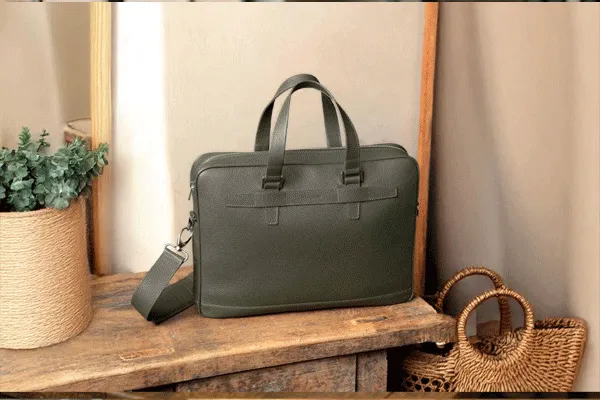
حقيبة كروس بودي مصنوعة من الجلد الصناعي بتصميم بلونين - حمل يومي أنيق ومضغوط
هل حقيبة السلاين أفضل من المائل أثناء السفر؟
يعتمد الأمر على أسلوب سفرك. حقيبة السلاين سريعة للتأرجح للأمام في الحشود ورائعة للوصول السريع. عادة ما تكون حقيبة المائل أكثر راحة لأيام المشي الطويلة والأحمال الثقيلة - العديد من الناس يحزمون كليهما لأيام سفر مختلفة.
ما هو أكبر فرق في الراحة بين السلاين مقابل المائل؟
في السلاين مقابل المائل، زاوية الحزام هي كسر صفقة الراحة. تركز السلاين الحمولة على كتف واحد أكثر. بينما تُوزع حقيبة المائل الوزن بشكل أكثر توازنًا، مما يجعلها غالبًا أكثر راحة عندما تكون الحقيبة أثقل.
أيها أكثر أمانًا في الأماكن المزدحمة: حقيبة السلاين أو المائل؟
يمكن أن تكون كلاهما آمنة إذا تم ارتداؤها بشكل صحيح. العديد من المسافرين يسحبون الحقيبة إلى الأمام ويحتفظون بالسحابات مواجهة للداخل. تجعل السلاين هذه الحركة أسرع، بينما تبقى حقيبة المائل مستقرة عندما تُرتدى بشكل محكم.
ما هي أفضل المواد لحقيبة السفر Sling؟
يفضل معظم المشترين استخدام المواد الاصطناعية الخفيفة والمقاومة للاحتكاك للسفر، ولكن الخطوط الممتازة قد تستخدم الجلد. قد تبدو الحقيبة فاخرة في جلد، ولكنها تضيف وزنًا وتكلفة - لذا يجب مطابقة المادة مع وضع العلامة التجارية.
كيف أختار الحجم المناسب للحقيبة للعلامة التجارية الخاصة؟
ابدأ من قائمة العناصر التي ستأخذها: الهاتف، المحفظة، المفاتيح، بنك الطاقة، النظارات الشمسية، جواز السفر. ثم قم بعمل نموذج لحجمين: حقيبة Sling مدمجة تناسب الضروريات، وحقيبة Crossbody متوسطة الحجم للاستخدام الأوسع. أكد تصميم الجيوب مع المستخدمين الحقيقيين قبل إنهاء التصميم.
ما هي أسرع طريقة لتطوير حقيبة Sling للعلامة التجارية الخاصة مقابل خط Crossbody؟
اعمل مع مصنع واحد يمكنه التعامل مع الأنماط، والعينات، ومصادر المواد، والعلامات التجارية، وضبط الجودة. كشريك OEM/ODM، نساعدك على تثبيت المواصفات مبكرًا، ثم زيادة الإنتاج مع الحفاظ على التناسق في التجهيز والخياطة والتغليف.
تتعلق حقيبة Sling بالسرعة والتحكم؛ بينما تتعلق حقيبة Crossbody بالراحة والثبات.
أفضل إجابة عن "حقيبة Sling vs Crossbody" تعتمد على حالة الاستخدام، والحمولة، ومدى تكرار فتح المستخدم للحقيبة.
بالنسبة للحقيبة الخاصة بالسفر، يخزن العديد من المشترين كلا النوعين: Sling للأيام التي تحتاج وصولاً سريعًا، وCrossbody لأيام الاستخدام الطويل.
انتبه لعيوب حقائب Sling (ضغط الحزام، الارتداد) وعيوب حقائب Crossbody (تدوير الحزام، الانخفاض المنخفض).
قم ببناء مجموعة حقائب ذكية مع حقيبة Crossbody رئيسية واحدة + حقيبة Sling مدمجة واحدة، ثم قم بالتوسع حسب المادة والحجم.
في OEM، تفوز المواصفات: مدى الحزام، جودة السحاب، خياطة الضغط، وتخطيط الامتثال تقلل من المرتجعات.
شريك التصنيع القوي يساعدك على اختيار الحقيبة الصحيحة وتقديم إمدادات جملة مستقرة - OEM، ODM، والعلامة التجارية الخاصة - دون مفاجآت.
سنرد عليك في غضون 24 ساعة. إذا كانت الحالة طارئة، يُرجى إضافة واتساب/وي شات: +86 15066236153,. أو اتصل على +86 17657177170 مباشرة.
*نحن نحترم سريتك وجميع معلوماتك محمية.
لن نستخدم معلوماتك إلا للرد على استفسارك ولن نرسل أبداً رسائل بريد إلكتروني غير مرغوب فيها أو رسائل ترويجية.
 آخر مدونة
