



أفضل مادة لحقائب التسوق القابلة لإعادة الاستخدام: كيفية اختيار حقيبة البقالة القابلة لإعادة الاستخدام المناسبة لعلامتك التجارية
25 فبراير 2026
يمكن أن تؤذي خيارات التعبئة والتغليف ذات الاستخدام الواحد علامتك التجارية بهدوء - تكاليف أعلى، عملاء غير راضين، وقصة استدامة لا تصمد تحت التدقيق. عندما تفشل الحقيبة الخاطئة (خياطة ممزقة، مقابض ضعيفة، طباعة قبيحة)، تصبح شكوى عامة. الحل بسيط: اختر أفضل مادة لحقيبة التسوق القابلة لإعادة الاستخدام بناءً على الاستخدام الحقيقي، والأحمال الحقيقية، واحتياجات سلسلة التوريد الحقيقية.
أفضل مادة لحقائب التسوق القابلة لإعادة الاستخدام تعتمد على كيفية استخدام عملائك للحقيبة. بالنسبة لمعظم الطلبات الكبيرة B2B، تعتبر حقائب البولي بروبيلين غير المنسوجة (PP) خيارًا رئيسيًا 'للبقالة اليومية' لأنها فعالة من حيث التكلفة، ودائمة، وخفيفة الوزن، وسهلة الطباعة. إذا كنت تحتاج إلى قيمة علامة تجارية مميزة، فإن أنماط الحقائب القماشية والقطنية تبدو راقية ولكن يجب إعادة استخدامها عدة مرات لتقليل الأثر البيئي الكلي في دراسات دورة الحياة. غالبًا ما تمزج التشكيلة الذكية بين PP للاستخدام اليومي والحقائب المعزولة (rPET / بطانة رقائق) للأصناف الباردة.

حقائب التسوق القابلة لإعادة الاستخدام
ما الذي يجعل حقيبة البقالة القابلة لإعادة الاستخدام 'الأفضل' لمشتري B2B؟
حقائب البولي بروبيلين غير المنسوجة: هل هي أفضل حقائب بقالة قابلة لإعادة الاستخدام للاستخدام اليومي؟
حقيبة القطن مقابل القماش: متى تصبح حقيبة طبيعية الخيار الأفضل القابل لإعادة الاستخدام؟
نايلون: لماذا تستخدم العديد من الحقائب القابلة لإعادة الاستخدام في السوق هذا للمسافرين والاستخدام الثقيل؟
حقائب rPET المصنوعة من البلاستيك المعاد تدويره: هل الصديق للبيئة أيضًا متين؟
حقيبة ورقية، حقيبة بلاستيكية، أو حقيبة قابلة لإعادة الاستخدام: ما هو الأثر البيئي الحقيقي؟
ما هي مادة الحقيبة الأفضل لأحمال تسوق البقالة والعناصر الثقيلة؟
هل تحتاج إلى عزل؟ اختيار الحقائب المعزولة وحقائب المنتوجات للبيع بالتجزئة
الطباعة، العلامة التجارية، والعلامات التجارية الخاصة: أي الحقائب تبدو الأفضل وتدوم لفترة أطول؟
اختيار أفضل مجموعة من الحقائب القابلة لإعادة الاستخدام للمستوردين ومالكي العلامات التجارية
عندما يسألني المشترون B2B عن الخيار الأفضل القابل لإعادة الاستخدام، أعود وأسأل: 'أفضل لماذا؟' قد تفشل حقيبة تعمل في حملة ترويج سوبر ماركت لعلامة تجارية خارجية. قد تبدو حقيبة جميلة رائعة في الصور لكنها تواجه صعوبة مع العناصر الثقيلة في رحلة حقيقية إلى متجر البقالة.
بالنسبة لمعظم المشترين بالجملة - المستوردين، الموزعين، المشترين من الشركات، وتجار التجزئة للعلامات الخاصة - تعني مادة الحقيبة 'الأفضل' عادةً:
المتانة (الخياطة، قوة المقبض، مقاومة تمزق القماش)
طباعة وثبات اللون (يجب أن يبقى شعارك واضحًا)
سعر جيد عند الكميات الكبيرة (لا تزال بحاجة إلى هامش)
لوجستيات سهلة (تنطوي flat، تعبئة جيدة، شحن بكفاءة)
قصة واضحة عن نهاية العمر (هل يمكن للناس إعادة تدويرها؟ هل تجنب مدافن النفايات؟)
كـ شركة تصنيع الحقائب المخصصة في الصين نقدم الإنتاج OEM وODM والعلامة الخاصة، نصمم المواد حول حالة الاستخدام الخاصة بك أولاً، ثم نOptimized التكلفة. هذه هي الطريقة التي تتجنب بها مشكلة 'عينة رائعة، إنتاج جماعي ضعيف'.
إذا كنت تريد حقيبة بقالة قابلة لإعادة الاستخدام موثوقة للسوق الشامل، فإن البولي بروبيلين غير المنسوج يصعب التفوق عليه. يُعتبر PP نوعًا من البلاستيك، ولكن في شكل قابل لإعادة الاستخدام يمكن أن يكون قويًا وخفيفًا ويدوم لوقت طويل بشكل مفاجئ. في تجارة التجزئة، غالبًا ما تكون هذه هي أفضل حقائب البقالة القابلة لإعادة الاستخدام للمهام اليومية لأنها تطوى بسهولة، وتحمل جيدًا، وتتحمل وزنًا معتدلًا دون التمدد كثيرًا.
لماذا يحب المشترون B2B حقائب البولي بروبيلين:
نصيحة المصنع: إذا كنت تريد PP يدوم لفترة أطول، حدد:
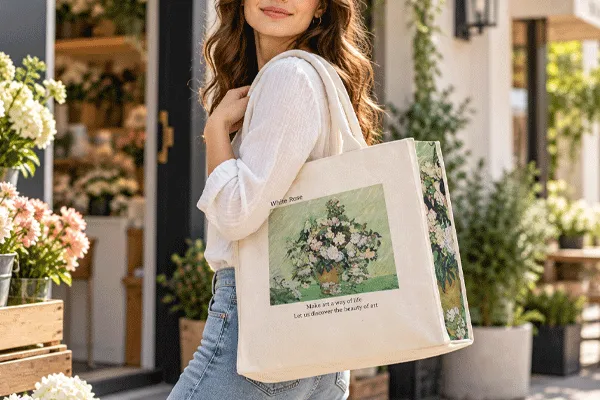
A حقيبة قطن تبدو وتشعر بأنها ذات جودة عالية. حقيبة قماش يبدو أنها مصممة لتدوم. بالنسبة لمالكي العلامات التجارية، وتجار التجزئة في نمط الحياة، ووكالات التسويق، تشير هذه المادة إلى الجودة منذ اللحظة التي يلمسها فيها العميل. ذلك التأثير العاطفي حقيقي.
ولكن هنا الجزء الذي يفتقر إليه العديد من المشترين: لدى القطن بصمة إنتاج أعلى من البلاستيك الرقيق في العديد من مقارنات دورة الحياة، لذا يجب إعادة استخدامه كثيرًا 'لسداد' تكلفته البيئية. وجدت دراسة دورة الحياة المنسوبة إلى وكالة البيئة في المملكة المتحدة أن الحقيبة القطنية تحتاج إلى 131 استخدامًا لتكون لديها قدرة أقل على الاحتباس الحراري مقارنةً بقاعدة الحقيبة HDPE ذات الاستخدام الواحد في ذلك النموذج.
وتظهر بعض التحليلات (مثل دراسة وكالة حماية البيئة الدنماركية) أعداد 'تكرر الاستخدام' 'القابلة للكسر' أعلى اعتمادًا على فئة الأثر والافتراضات.
فمتى يكون القطن/القماش هو أفضل مادة؟
نايلون هو حصان عمل. إنه خفيف الوزن، قوي، ويطوى إلى حجم صغير. لذلك تراه في أنماط الحقائب القابلة للتعبئة، وحقائب السفر، ومعدات العلامات التجارية في الهواء الطلق. العديد من المشترين يريدون حقيبة تسوق قابلة لإعادة الاستخدام تعيش في جيب أو صندوق قفازات. النايلون يناسب هذه الوظيفة.
حيث يتألق النايلون:
قابل للتعبئة وخفيف للرحلات التسوق المتكررة
قوي بما يكفي لتحمل الأحمال الثقيلة عندما تكون الخياطة صحيحة
جيد للمطر ومسح سريع
عظيم للاستخدام "الذي يتم حمله دائمًا" و"البقالة الطارئة"
التجارة-off: مثل الأقمشة البلاستيكية الأخرى، النايلون ليس قابلًا للتحلل البيولوجي، ويمكن أن يكون إعادة التدوير في نهاية الحياة محدودًا اعتمادًا على الأنظمة المحلية. إذا كنت تريد رسالة استدامة أقوى، اعتبر الحقائب المصنوعة من النايلون المعاد تدويره أو الانتقال إلى حقائب rPET حيثما كان ذلك مناسبًا.
نعم - عند تصميمها بشكل صحيح. يتم صنع حقائب rPET من PET المعاد تدويره، غالبًا من الزجاجات (المصنوعة من البلاستيك المعاد تدويره). بالنسبة لمالكي العلامات التجارية الذين يريدون قصة يفهمها العملاء، فإن rPET سهل التفسير: "هذه الحقيبة مصنوعة من زجاجات معاد تدويرها."
بالنسبة للمشترين بالجملة B2B، غالبًا ما يكون rPET هو الخيار الذكي:
ألياف قوية، إحساس جيد باليد
سطح طباعة ممتاز (خصوصًا مع الخيارات المنسوجة)
يدعم رواية واضحة حول إعادة التدوير
يساعد في تقليل الطلب على البلاستيك الجديد
ومع ذلك، لا يزال يعتمد المتانة على التصميم:
كثافة القماش
بناء المقHandles
تعزيز الخياطة
التغطية أو الطبقة إذا لزم الأمر
قاعدتي العملية: إذا كان مشتريك يريد "صديق للبيئة + متميز"، فإن rPET غالبًا ما يكون أسهل بيع - خاصة للهدايا الشركات وتجارة العلامات الخاصة.
يحب الناس الإجابات البسيطة مثل "الورق جيد، البلاستيك سيء." الحياة الحقيقية أكثر تعقيدًا.
تظهر دراسات تقييم دورة الحياة غالبًا أن عدد مرات الاستخدام يغير كل شيء. قدّرت دراسة وكالة البيئة البريطانية (حقائب الحمل) عدد الاستخدامات "التي توازن" مثل 11 استخدامًا لحقيبة PP قابلة لإعادة الاستخدام و131 استخدامًا لحقيبة قطنية (في نموذجها الافتراضي حول تأثيرات الاحتباس الحراري و الافتراضات).
كما تؤكد دراسة المبادرة العالمية لتقييم دورة الحياة للأمم المتحدة أن الآثار تعتمد بشكل كبير على عدد مرات استخدام المنتج وكيفية التعامل معه في نهاية حياته (الحرق، إعادة التدوير، المدافن).
| نوع الحقيبة | لماذا يتم استخدامها | رسالة "تحتاج إلى إعادة الاستخدامات" النموذجية (استنادًا إلى LCA) |
|---|---|---|
| رقيقة للاستخدام الفردي حقيبة بلاستيكية | رخيصة، خفيفة | بصمة منخفضة لكل وحدة، ولكن عمر قصير |
| PP القابلة لإعادة الاستخدام (غير المنسوجة) | يومية حقيبة تسوق قابلة لإعادة الاستخدام | غالبًا حوالي "~10+ استخدامات" في بعض النماذج |
| قطن/كانفاس | فاخر حقيبة | "عديد من الاستخدامات" (غالبًا 100+ حسب الافتراضات) |
| حقيبة ورقية | قابلة للتحلل البيولوجي | يمكن أن تكون أثقل وذات بصمة أعلى مما هو متوقع |
مهم: LCA لا يلتقط بالكامل مخاطر النفايات والتلوث البحري، والتي تشكل مصدر قلق رئيسي بالنسبة للحقائب البلاستيكية ذات الاستخدام الفردي. لذا ينظر المشترون الأذكياء إلى كل من بصمة المناخ ومخاطر تسرب النفايات.

حقيبة ورقية، حقيبة بلاستيكية
يجب أن تتكيف حقيبة التسوق الغذائية القابلة لإعادة الاستخدام مع الاستخدام الواقعي: الطعام المعلب، الزجاجات، الزوايا الحادة، و"شيء آخر" عند الخروج. إذا فشلت المقبض، فإن علامتك التجارية تفشل.
إليك دليل أداء بسيط:
الأفضل للتسوق اليومي الغذائي
الأفضل للأشياء الثقيلة
الأفضل للترويج الحساسة للأسعار
إذا كان عملاؤك يشترون أشياء مجمدة أو مبردة، فإن كيس التسوق العادي غير كافٍ. هنا تهم الحقائب المعزولة. يمكنها عزل العناصر الباردة وحماية الجودة في الطريق إلى المنزل.
البنية المعزولة الشائعة:
الخارج: كيس rPET / نايلون / بوليستر (يسميه البعض أسلوب كيس بوليستر)
الوسط: عزل رغوي أو EPE
الداخل: بطانة PEVA أو فويل
حالات الاستخدام حيث يكون العزل مجديًا:
عروض سلسلة التبريد في السوبر ماركت
ماركات مجموعات الوجبات
الت gifting الشركات بمنتجات غذائية
الصيدليات والمنتجات الحساسة لدرجة الحرارة
اعتبر أيضًا الإضافات الصغيرة:
حقائب منتجات شبكية أو خفيفة الوزن
مجموعة حقائب بسيطة (1 معزولة + 2 من الحقائب القياسية)
هذه استراتيجية علامة خاصة رائعة: تبيع نظامًا، وليس كيسًا واحدًا.
المشترون من الشركات لا يشترون مجرد حقيبة قابلة لإعادة الاستخدام الحقيبة— إنهم يشترون لافتة متحركة. جودة الطباعة هي متطلب عمل.
مواد صديقة للطباعة
PP المطلي (ألوان نظيفة وجريئة)
rPET المنسوج (مظهر فخم)
قماش (كلاسيكي، لكن اختيار الحبر مهم)
حيث تخسر العلامات التجارية المال
حبر غير صحيح للنسيج (تشقق أو تلاشي)
موضع خاطئ (تجعد الشعار عند الاستخدام)
حزام مقبض رخيص (يشعر العميل بأنه "منخفض الجودة")
عدم تطابق الألوان (تحكم سيئ في بانتون)
نصيحة OEM/ODM من الجانب المصنع:
إذا كنت ترغب في أن يبدو شعارك رائعًا بعد 50 رحلة تسوق، فلا تحسن القماش فقط. حسن الخياطة والمقبض ونقاط الضغط. المقبض هو الذي يخبر الحقيقة.
نمط واحد نادرًا ما يحقق النجاح في كل سيناريو. الخطوة الذكية هي خط إنتاج.
مجموعة القيمة (ترويج + تجزئة): 2x PP غير المنسوج + 1x حقيبة معزولة
مجموعة متميزة (علامة خاصة): 1x حقيبة قماش + 1x حقيبة rPET + 1x نايلون قابل للتعبئة
مجموعة بائع التجارة الإلكترونية: حقائب PP ذات علامة تجارية + حقيبة احتياطية قابلة للطي للعربات
إذا كانت حقيبة التسوق القابلة لإعادة الاستخدام تكلف أكثر لكنها تبقى في الاستخدام اليومي، فإنها تصبح قناة إعلانات منخفضة التكلفة. حقيبة استخدمت 2-3 مرات تكون إنفاقًا ضائعًا. حقيبة استخدمت أكثر من 50 مرة تصبح أصولًا للعلامة التجارية.
تحذير يتماشى مع التقارير الأخيرة: تشير بعض الدراسات والمراقبين إلى أن الحقائب القابلة لإعادة الاستخدام غالبًا ما تُستخدم بضع مرات فقط في الممارسة، مما يقلل من فوائدها. ولهذا السبب ينبغي عليك تصميمها لإعادة الاستخدام الحقيقي وتثقيف المستخدمين.

حقيبة قابلة لإعادة الاستخدام
أراد بائع تجزئة يحمل علامة تجارية خاصة أفضل حقائب البقالة القابلة لإعادة الاستخدام لعرض ترويجي على مستوى البلاد. كانت عينة أولى تستخدم بولي بروبيلين غير منسوج رقيق. بدت جيدة - لكن فشل الأجزاء كان واضحًا بسرعة في الاختبارات الداخلية.
قمنا بترقية ثلاثة تفاصيل:
نسيج بولي بروبيلين GSM أكثر سمكًا
حزام مقبض أقوى مع خياطة على شكل مربع-X
لوحة قاع مسطحة أوسع
النتيجة: شكاوى أقل، تصور أفضل للعلامة التجارية، وطلبات متكررة. هذه هي التعريف الحقيقي للأفضل القابلة لإعادة الاستخدام: إنها تتحمل من قبل عملاء حقيقيين.
ما هو أفضل مادة للحقائب القابلة لإعادة الاستخدام؟
لأغلب برامج B2B الكبيرة، فإن البولي بروبيلين غير المنسوج هو خيار قوي لأنه فعال من حيث التكلفة، خفيف، ودائم بما يكفي للتسوق اليومي. بالنسبة للعلامات التجارية المتميزة، فإن أنماط الحقائب القماشية والقطنية تعمل بشكل جيد إذا كان العملاء سيستخدمونها مرات عديدة.
هل الحقائب القطنية أكثر صديقة للبيئة من البلاستيك؟
ليس تلقائيًا. تظهر العديد من دراسات دورة الحياة أن القطن يحتاج إلى العديد من الاستخدامات للتعويض عن بصمته الإنتاجية الأعلى مقارنة بالحقائب ذات الاستخدام الواحد في تلك النماذج. تشير دراسة واحدة من وكالة البيئة في المملكة المتحدة إلى 131 استخدامًا للقَطن لتفوق حقيبة HDPE كخط أساس من حيث إمكانية الاحترار العالمي.
هل الحقائب البولي بروبيلين قابلة لإعادة التدوير؟
حقائب البولي بروبيلين هي نوع من البلاستيك. تعتمد إعادة التدوير على الأنظمة المحلية وكيفية صنع الحقيبة (التغليف، المواد المختلطة). يختار العديد من المشترين البولي بروبيلين لفترة استخدام طويلة أولاً، ثم يهدفون للتخلص المسؤول.
ما هي أفضل مادة للمواد الغذائية الثقيلة؟
للأشياء الثقيلة، اختر قماشًا سميكًا، أو بولي بروبيلين منسوج، أو نايلون قوي مع خياطة معززة. المقابض والخياطات مهمة بنفس قدر القماش.
هل حقائب الرPET جيدة للعلامة التجارية الخاصة؟
نعم. تقدم حقائب الرPET قصة واضحة "مصنوعة من مواد معاد تدويرها" ويمكن أن تبدو عصرية. تعتمد الأداء على كثافة القماش وتصميم المقبض.
هل أحتاج إلى حقائب قابلة لإعادة الاستخدام معزولة؟
إذا كنت تبيع منتجات مجمدة أو مبردة، فإن الحقائب المعزولة تساعد في عزل العناصر وحماية الجودة في الطريق إلى المنزل. تضيف العديد من العلامات التجارية حقيبة معزولة واحدة ضمن مجموعة الحقائب لزيادة القيمة المتصورة.
تعتمد أفضل مادة على الاستخدام: البولي بروبيلين للقيمة اليومية، والقماش/القطن للعلامات التجارية المتميزة، والنايلون للسفر القابل للتعبئة، والرPET لرواية القصص المعاد تدويرها.
تربح الحقيبة القابلة لإعادة الاستخدام فقط إذا أعاد الناس استخدامها بالفعل - صمم للحياة الحقيقية، وليس فقط لعينة جميلة.
غالباً ما تقدم حقائب البولي بروبيلين غير المنسوجة أفضل توازن من حيث التكلفة، والقدرة على الطباعة، والقوة اليومية للمشترين بكميات كبيرة.
يمكن أن تكون الحقائب القطنية/القماشية خيارات ممتازة، لكنها تحتاج إلى العديد من الاستخدامات لتبرير بصمتها في العديد من مقارنات دورة الحياة.
إذا كانت العناصر الباردة مهمة، أضف حقائب معزولة إلى خط إنتاجك لزيادة القيمة المتصورة وحماية جودة الطعام.
لنجاح العلامة التجارية الخاصة، ركز على المقابض، والخياطات، وقاع مسطح - هناك حيث تعيش المتانة.
سنرد عليك في غضون 24 ساعة. إذا كانت الحالة طارئة، يُرجى إضافة واتساب/وي شات: +86 15066236153,. أو اتصل على +86 17657177170 مباشرة.
*نحن نحترم سريتك وجميع معلوماتك محمية.
لن نستخدم معلوماتك إلا للرد على استفسارك ولن نرسل أبداً رسائل بريد إلكتروني غير مرغوب فيها أو رسائل ترويجية.
 آخر مدونة
