





حقائب حمل مخصصة 2026: كيفية تصميم حقيبة حمل مخصصة عالية الجودة لعلامتك التجارية وتحديد مصدرها وتوسيع نطاقها
فبراير 07 فبراير 2026
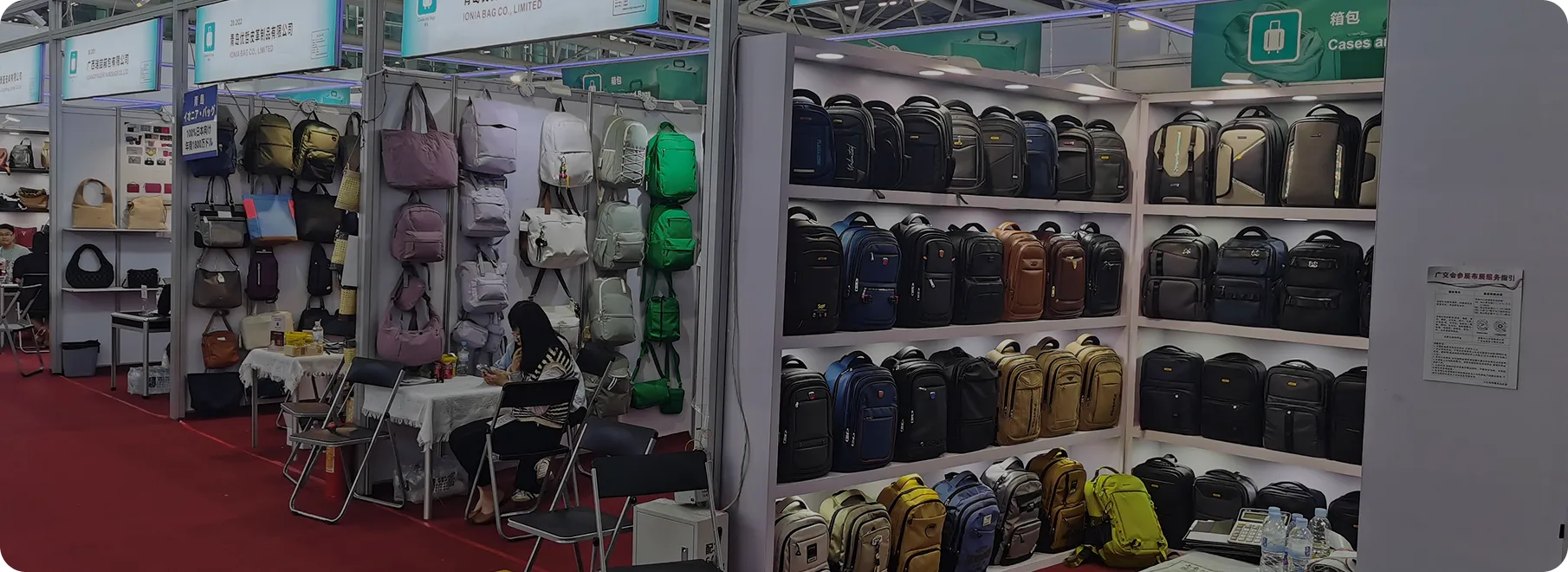
يبدو أن الحصول على حقيبة توتي أمر بسيط - حتى وصول أول طلب بالجملة مع طبعات باهتة، مقبض ضعيف، أو "حد أدنى" لم تخطط له. تلك الخطأ يكلف المال والثقة. لقد ساعدت مشترين عالميين في B2B على تجنب ذلك من خلال بناء مواصفات واضحة، واختيار المواد المناسبة، وضمان الجودة قبل الإنتاج.
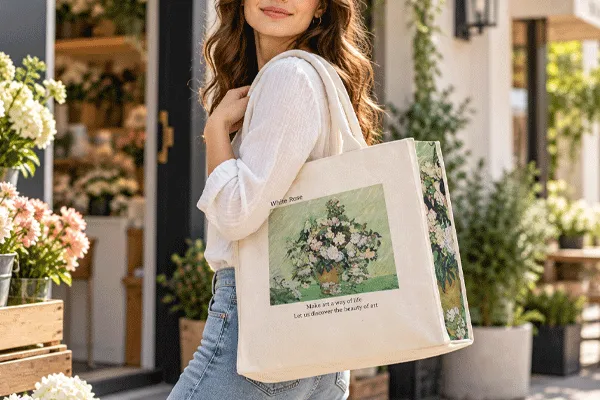
حقائب توتي مخصصة في عام 2026 هي أداة تسويقية وبيعية ذكية وقابلة لإعادة الاستخدام عندما تطابق القماش، وطريقة الطباعة، والبناء مع كيفية استخدام الناس الفعلي للحقيبة. أفضل نهج هو البدء باستخدامك المستهدف (تجزئة، معرض تجاري، حقيبة نبيذ، تجارة إلكترونية)، واختيار قماش كانفاس أو قطن متين، والتأكد من متطلبات الحد الأدنى الواقعية للطلب، ثم اختبار نموذج قبل الإنتاج حتى تبقى علامة علامتك التجارية حادة وتدوم الحقيبة.
حقيبة توتي مخصصة في عام 2026 هي أكثر من "أضف شعارك." في البرامج الحقيقية للجملة، حقيبة توتي مخصصة تصبح جزءًا من خط منتجاتك أو نظام المنتجات الترويجية الخاصة بك. المشترين الآن يطلبون مواصفات قابلة للتكرار: وزن القماش، الخياطة، تعزيز المقبض، محاذاة الطباعة، والتغليف. هذه هي الطريقة التي تحمي بها الجودة ورضا العملاء.
من جانبي كمصنع مقيم في الصين، يعني "قابل للتخصيص" أننا نستطيع تخصيص البنية الكاملة: الحجم، الجوانب، طول المقبض، الجيوب، الإغلاقات، والشعار والألوان. وهذا يعني أيضًا أننا نستطيع تقديم مجموعة من الخيارات المخصصة التي تناسب ميزانيات مختلفة - دون تحويل كل طلب إلى فوضى.
طريقة عملية للتفكير في الأمر: أن "خيارات التخصيص" التي تهم أكثر هي تلك التي يشعر بها المستخدمون كل يوم - الراحة، القوة، والراحة. إذا أصبحت حقيبتك جزءًا من روتين شخص ما، ستبقى علامتك التجارية.
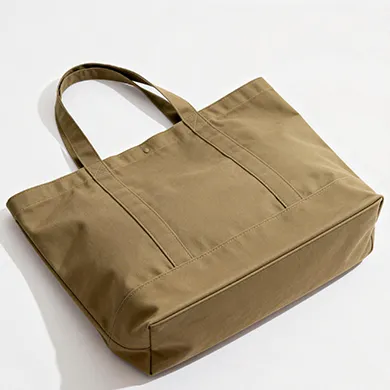
إذا كنت تبيع سلع صديقة للبيئة، فإن حقيبة القماش القطنية غالبًا ما تبدو "متميزة" وتشعر بالطبيعة. إذا كنت تدير فعاليات، يمكن أن يكون البوليستر أخف وأحيانًا يكون الطباعة أكثر إشراقًا. إذا كنت تريد حقيبة للاستخدام اليومي قوية، فإن القماش المتين (غالبًا ما يكون قماشًا أثقل) يعمل بشكل جيد.
إليك جدول مقارنة بسيط أشاركه مع المشترين في B2B الذين يبحثون عن حقائب توتي من القماش وحقائب توتي من القطن:
| المواد | الأفضل لـ | المزايا | تنبيهات |
| قماش قطن (أساسي) | بتكلفة منخفضة أكياس التسوق، ترويجات خفيفة | ناعمة، طباعة سهلة | قد تتجعد، بنية منخفضة |
| قماش قطني | تجزئة، حقائب توتي ذات علامة تجارية، نمط حياة | مظهر أقوى، متميز | تكلفة أعلى من القطن الرفيع |
| أقمشة معاد تدويرها | قصص الاستدامة، حقائب توتي معاد تدويرها برامج | سرد علامة تجارية جيد | يمكن أن يتغير العرض حسب الدفعة |
| بوليستر | استخدام خارجي، رياضي، مقاوم للماء | متينة، ثابتة اللون | "إحساس بلاستيكي" لبعض العلامات التجارية |
ملاحظة صادقة أخرى: "صديق للبيئة" ليس سحرًا. تشير بعض الدراسات إلى أن حقائب القطن يجب أن تُستخدم عدة مرات لتعويض تأثير الإنتاج، لذلك أفضل حركة هي تصميم حقيبة توتي قابلة لإعادة الاستخدام يحتفظ بها الناس حقًا ويعيد استخدامها - وليس قطعة تجميل قابلة للتخلص. (وجهة نظر "إعادة الاستخدام مهمة بالفعل" تتماشى مع أبحاث الاقتصاد الدائري ونماذج إعادة الاستخدام التي تقلل من تسرب البلاستيك.) مؤسسة إلين ماكارثر (ellenmacarthurfoundation.org)
لهذا السبب أدفع نحو المتانة: خياطة معززة، وزن قماش مناسب، ومواصفات تتوافق مع الحياة الواقعية.
كيف تختار طريقة الطباعة الصحيحة لحقائب توتي المخصصة (طباعة الشاشة، التطريز، نقل الحرارة)؟
اختيارك للطباعة يقرر ما إذا كانت علامة علامتك التجارية تبدو حادة بعد أشهر - أو تتشقق في الأسبوع الثاني.
طرق الطباعة المخصصة الشائعة:
When you حقائب توت مخصصةأوصي بتطابق الطريقة مع الاستخدام:
أيضًا، اختبر عملك الفني مبكرًا. يمكن أن تفشل تصميمات "مثالية للطباعة المخصصة" على الشاشة إذا كانت الخطوط رفيعة جدًا أو المسافات ضيقة جدًا. أطلب دائمًا أن يتم طباعة التصميم بصيغة شعاعية عندما يكون ذلك ممكنًا.
كل مشتري يسأل عن الحد الأدنى. الحقيقة: الحد الأدنى لطلب الشراء ليس مجرد رقم - إنه التحكم في المخاطر. يسمح متطلب الحد الأدنى الواقعي للمصنع بشراء المواد الصحيحة، وإجراء إنتاج مستقر، والحفاظ على نفس الجودة عبر الدفعة.
عند طلب مخصص، فإن المسار الأكثر أمانًا هو:
إذا كنت بحاجة إلى حد أدنى منخفض، يمكنك القيام بذلك - لكن قد يتطلب خيارات أبسط، وألوان محدودة، أو رسوم إضافية صغيرة للإعداد. هذا عادي وعادل.
إذا كنت ترغب في طلب حقائب توت مخصصة بسلاسة، اطلب من مورّنك أن يشرح كيف يؤثر الحد الأدنى على التكلفة ومدة التسليم، وليس مجرد "نعم / لا".
تبدو معظم عروض الأسعار الخاصة بالجملة مربكة لأن المشترين يقارنون مواصفات مختلفة. يتغير سعر الحقيبة بسرعة مع وزن القماش، ومساحة الطباعة، والملحقات، والتغليف.
إليك منطق التسعير الذي أستخدمه عند تقديم عروض أسعار لطلبات مخصصة بالجملة:
| محرك السعر | ما الذي يغير التكلفة أكثر؟ | كيفية التحكم فيه |
| قماش | القماش الأثقل يكلف أكثر | اختر الوزن بناءً على الاستخدام الفعلي |
| طباعة | الفن الكبير ذي الألوان الكاملة يكلف أكثر | بسط حجم الشعار / الألوان |
| البناء | جيوب، أضلاع، لوحة سفلية | أضف فقط ما يحتاجه المستخدمون |
| الإغلاق | بزراع بسحاب، أزرار | احتفظ بها للخطوط الممتازة |
| التعبئة والتغليف | كيس بولي خاص، بطاقة معلقة | استخدم تغليف "جيد بما فيه الكفاية" |
استخدم تغليف "جيد بما فيه الكفاية"
بالنسبة لأسعار الجملة، فإن الحجم مهم. تفكك الطلبات الأكبر خصومات بالجملة لأن تكلفة الإعداد تتوزع. إذا كنت تريد هوامش متوقعة، قم بتوحيد 1-2 قالب أساسي، ثم قم بتبديل العلامة التجارية أو الألوان.
نعم -حقائب توت الجملة تعمل البرامج بشكل أفضل عندما تخطط لإعادة الطلبيات. يحصل المشترون الذين يعتبرون هذا خط إنتاج على أسعار أفضل وجودة أكثر استقرارًا.
في عام 2026، يحب المشترون البناءات ذات الأولوية الوظيفية. الأساليب الأكثر طلبًا التي أراها:
إذا كان جمهورك يتنقل أو يسافر، فإن حقيبة مصممة تفوز. إذا كنت تقوم بإنتاج عناصر دعائية، فإن الأبسط غالبًا ما يكون أفضل - احتفظ بها خفيفة، لكن لا تتجاهل تعزيز المقبض. الحقيبة التي تفشل تصبح تسويقًا سلبيًا.
أخذ في الاعتبار أيضًا حالات الاستخدام الخاصة:
يمكن أن تفصل هذه التنسيقات المتخصصة عرضك عن "حقيبة توت عامة".
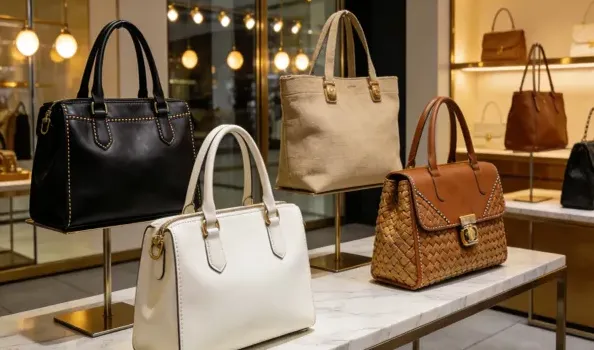
حقيبة التوت هي واحدة من المنتجات الدعائية القليلة التي يحتفظ بها الناس في الاستخدام العام. هذه الزيادة في الظهور هي السبب في كون حقائب التوت رائعة لتذكر العلامة التجارية.
غالبًا ما تسجل استطلاعات الصناعة احتفاظًا قويًا وذاكرة للمواد الترويجية؛ على سبيل المثال، شاركت ASI أبحاثاً للمستهلكين تفيد أن المنتجات الترويجية تبقى لفترة أطول من العديد من أنماط الإعلانات الأخرى.
نصيحتي العملية: لا تعامل الحقيبة كهدية رخيصة. عاملها كأداة تسويقية. إذا كنت تريد عائد استثمار قابل للقياس:
وإذا كنت ستقوم بعمل سحب، اختر حقيبة تتناسب مع نمط حياة عميلك. يجب على علامة تجارية رياضية ألا تقدم حقيبة قطنية صلبة ذات مقبض قصير. اجعل الوظيفة تتناسب مع الجمهور، وستتضاعف انطباعاتك.
تعتبر فشل التصميم واحدة من أكبر فخاخ التكلفة في مشاريع الحقائب المخصصة. إليك كيف أوجه المشترين:
قواعد التصميم التي توفر لك المال
قائمة التحقق من الأعمال الفنية
هذا يمنع "يبدو جيدًا على الشاشة، لكنه سيء على القماش." كما أنه يقلل من دورات العينة ويسرع من الموافقات.
قائمة فحص الجودة: ما أتحقق منه في حقائب توتي المصنوعة لطلبات الجملة
عندما نقوم بإنتاج بكميات كبيرة، أتحقق مثل المشتري - لأن كل عيب يؤذي علامتك التجارية.
تحقق الجودة عبر الإنترنت لأكياس الحقائب المصنعة بكميات كبيرة:
إذا كنت تبيع منتجات متميزة، اسأل عن معايير سلامة الأقمشة أيضًا. يفضل العديد من المشترين اختبار المواد الضارة المعتمدة؛ OEKO-TEX® STANDARD 100 هو أحد الملصقات المعروفة لاختبار سلامة الأقمشة. OEKO-TEX (oeko-tex.com)
هنا تصبح "عالية الجودة" حقيقية - ليست مجرد كلمة تسويقية.
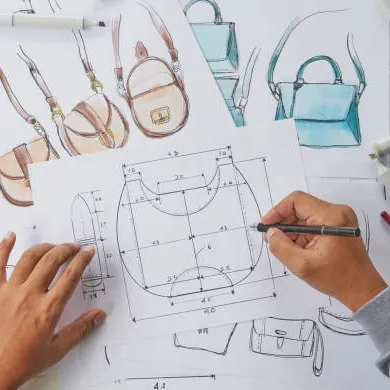
كيفية إنشاء تصميم مخصص ليتم طباعته ولن يفشل في الإنتاج
كشركة مصنعة تتواجد في الصين وتدعم المشترين العالميين بنظام B2B، نقوم بتنظيم المشاريع لتقليل المفاجآت. إليك العملية النظيفة التي أوصي بها عند طلب عرض سعر:
حول اللوجستيات: كن حذرًا من الوعود مثل الشحن المجاني. في التجارة B2B الحقيقية، عادة ما يتم اقتباس الشحن بشكل منفصل لأنه يعتمد على الطريق والموسم والحجم. ما تريده هو الشفافية: تكلفة المنتج + خيارات الشحن + الجدول الزمني.
أيضًا، بعض المشترين يسألون عن المنتجات الأمريكية الصنع - إذا كان ذلك متطلبًا صارمًا، قل ذلك مبكرًا. لا تزال العديد من العلامات التجارية تستورد من الصين لتحقيق الحجم والمرونة، لكن يجب أن تكون واضحًا بشأن توقعات الامتثال واحتياجات التسمية.
أتت إلينا علامة تجارية لنمط الحياة ترغب في حقائب تحمل علامة تجارية لكل من البيع بالتجزئة وفعاليات البوب. بدأت بتصميم واحد، لكنها كانت لديها حالتان استخدام مختلفتان جدًا.
من خلال تقسيم البرنامج، حماية الهامش وما زالت تقدم حقيبة أحبها العملاء. أصبحت حقيبة الحدث إعلانًا متحركًا، بينما أصبحت حقيبة البيع بالتجزئة منتجًا اشتراه الناس مرة أخرى. هذه هي قوة التصميم للسياق المناسب - خيارك المخصص الصحيح ليس "حقيبة واحدة لكل شيء"، بل "الحقيبة الصحيحة لكل هدف."
لدى معظم العلامات التجارية، يعتبر قماش القطن هو الأفضل من حيث الإحساس والقوة وأداء الطباعة. إذا كنت بحاجة إلى مقاومة الماء، قد يكون البوليستر أفضل. يعتمد "الاختيار الأفضل" على كيفية استخدام العملاء للحقيبة.
الحد الأدنى يعتمد على القماش، طريقة الطباعة، وعدد الخيارات التي تريدها. إذا كنت بحاجة إلى العديد من الألوان والإضافات، عادة ما يرتفع MOQ. أوصي بالتخطيط حول متطلبات الحد الأدنى الواضحة وتأكيد العينة قبل الشراء بكميات كبيرة.
نعم - يمكن أن تكون حقائب الكانفس القابلة لإعادة الاستخدام حقائب ترويجية ممتازة لأنها تدوم طويلاً ويحملها الناس في الأماكن العامة. فقط لا تذهب رفيعًا جدًا في الجودة، أو ستفشل الحقيبة وتضر بعلامتك التجارية.
اختر الطريقة المناسبة للطباعة (طباعة الشاشة، النقل، التطريز)، احتفظ بالتصميم جاهزًا للإنتاج، ووافق على عينة. تحقق أيضًا من مقاومة الاحتكاك وإرشادات الغسيل إذا لزم الأمر.
نعم. بصفتنا موردًا OEM/ODM، يمكننا بناء مواصفات قابلة للتخصيص بالكامل - الحجم، الجيوب، الإغلاقات، الملصقات، التعبئة والتغليف - وإرشادك إلى خيارات التخصيص المناسبة بناءً على الميزانية واستخدام الحالة.
يعتمد ذلك على المواد وتعقيد التصميم، ولكن أسرع البرامج هي تلك التي تحمل نموذجًا ثابتًا وملفات علامة تجارية واضحة. أخذ العينات والموافقات هي أكبر متغير زمني - لذا تأكد من تلك مبكرًا.
إذا كنت ترغب، ألصق سوقك المستهدف (الاتحاد الأوروبي/الولايات المتحدة/أستراليا)، وكمية الطلب المتوقعة، والأسلوب المفضل لديك (حقائب حمل من الكانفس / حقائب حمل من القطن / بوليستر). سأساعدك في تحويلها إلى مواصفة جاهزة للإنتاج يمكنك إرسالها للموردين - وطلب عرض أسعار للحصول على تسعير دقيق بسرعة.
سنرد عليك في غضون 24 ساعة. إذا كانت الحالة طارئة، يُرجى إضافة واتساب/وي شات: +86 15066236153,. أو اتصل على +86 17657177170 مباشرة.
*نحن نحترم سريتك وجميع معلوماتك محمية.
لن نستخدم معلوماتك إلا للرد على استفسارك ولن نرسل أبداً رسائل بريد إلكتروني غير مرغوب فيها أو رسائل ترويجية.
 آخر مدونة
