








What Are Reusable Shopping Bags Made Of? Plastic, Recycled, and Eco-Friendly Materials Explained
July 29, 2026
A reusable bag may look sustainable, yet the wrong fabric, coating, or construction can shorten its life and make disposal difficult. That creates waste, weakens brand claims, and disappoints buyers. The solution is to match the material, design, and reuse plan to the real shopping task.
Reusable أكياس التسوق are commonly made from non-woven polypropylene, woven polypropylene, recycled PET polyester, cotton, hemp, jute, paper, or thicker polyethylene plastic. The best material depends on load strength, reuse frequency, printing, washing, price, and local recycling access. A durable bag used many times usually offers more value than a “green” material used only once.
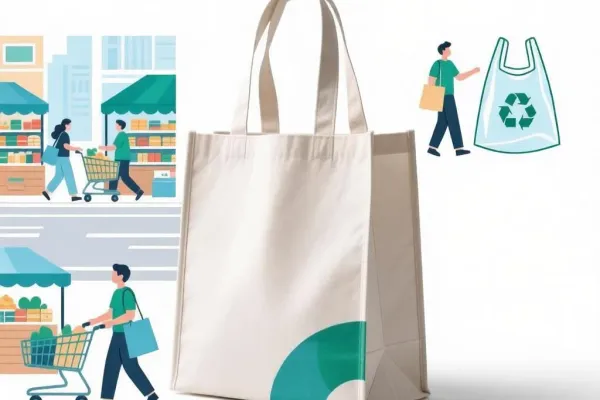
What Are Reusable Shopping Bags Made Of? Plastic, Recycled, and Eco-Friendly Materials Explained
A shopping bag becomes reusable through performance, not through a label alone. It must survive repeated loading, carrying, folding, storage, and cleaning. Strong handles, suitable seams, stable fabric, and a useful size all matter. If a reusable bag tears after two shopping trips, its material story has little value.
The United Nations Environment Programme reviewed several life-cycle studies and found that alternatives to a single-use plastic bag also create environmental impacts during manufacturing. Its central lesson is simple: reuse is critical. The final result depends on how often the product is used, how it is made, and what happens at the end of its life. The UNEP life-cycle report on single-use products explains why reusable products can offer better results when people use them repeatedly.
For brands and bulk buyers, this changes the first question. Do not ask only, “What is the most eco-friendly fabric?” Ask:
Which bag will our customers want to keep and reuse?
A reliable reusable grocery bag with comfortable handles, practical capacity, attractive artwork, and clear care instructions is more likely to replace disposable bags over time.
Non-woven polypropylene, often called NWPP, is one of the most common materials for an inexpensive reusable bag. Polypropylene plastic is melted, formed into fine fibers, and bonded into a sheet rather than woven as traditional yarn.
The finished material is:
Non-woven polypropylene bags can use stitched seams, heat-sealed seams, reinforced handles, side gussets, bottom gussets, pockets, or lamination. A simple grocery bag may remain very light, while a laminated tote bag can carry more weight and display full-color artwork.
However, lamination and mixed components can make the product harder to recycle in some local systems. A laminated surface may improve appearance and moisture resistance, but buyers should consider how it affects the end-of-life plan.
From a manufacturing point of view, fabric weight is only one part of strength. Handle width, handle attachment, bottom reinforcement, stitch density, seam allowance, and load direction matter just as much.
For many grocery stores, non-woven polypropylene bags offer a useful balance of:
| Requirement | NWPP performance |
|---|---|
| Bulk purchase price | Usually economical |
| Product weight | Lightweight |
| Printing area | Large and clear |
| Color selection | Wide range |
| Daily durability | Good when properly reinforced |
| Foldability | جيد |
| مقاومة الماء | معتدلة |
| Recycling access | Depends on the local market |
These bags should be built for repeated use rather than treated as another single-use bag.

What Are Reusable Shopping Bags Made Of? Plastic, Recycled, and Eco-Friendly Materials Explained
Woven polypropylene starts with narrow plastic tapes. Manufacturers cross these tapes together to create a strong woven fabric. This structure gives woven bags better tear resistance and load support than many lightweight non-woven bags.
The material is common in:
A woven polypropylene shopping bag can be laminated for moisture resistance and detailed printing. It can also include a bottom board, piping, zipper, inner pocket, long handles, or reinforced stitching.
These additions improve function, yet they may create a product made from several materials. For example, a single bag may contain a polypropylene body, polyester thread, a cardboard insert, metal zipper parts, and printed film.
When easy recycling is a goal, buyers should limit unnecessary layers and select compatible components where possible.
Polypropylene bags are durable, but the term recyclable should not be used without checking the destination market. Collection access for flexible polypropylene varies widely. The US Environmental Protection Agency advises consumers to check local recycling programs because a plastic resin number does not automatically mean that the product can be collected locally.
Many reusable bag
s made from recycled polyester use PET recovered from post-consumer packaging, including recycled plastic bottles. The recovered plastic goes through several stages before becoming fabric.
A simplified recycling process may include:
The material may be described as rPET, recycled polyester, or fabric made from recycled materials.
An rPET reusable bag can feel smooth, fold into a small pouch, accept detailed printing, and resist daily wear. These features make it suitable for travel brands, supermarkets, e-commerce promotions, corporate programs, and lifestyle collections.
Because bags are lightweight, customers can keep one in a car, حقيبة الظهر, حقيبة يد, or suitcase for unplanned purchases.
However, the phrase “made from recycled plastic bottles” should be supported by reliable documentation. Recycled content may come from post-consumer recycled inputs or pre-consumer factory waste, and the percentage can vary from one fabric to another.
Programs such as the Global Recycled Standard provide chain-of-custody requirements for verified recycled material. The Textile Exchange Global Recycled Standard is one recognized reference, but certification status, material scope, and transaction documents must be confirmed for each supplier and order.
For B2B buyers, recycled content and recyclability are two different matters:
A cotton bag offers a soft hand feel, a natural appearance, and a large print area. Cotton tote bags work well for bookstores, fashion retailers, museums, corporate gifts, exhibitions, lifestyle brands, and private-label collections.
Canvas weights can range from light promotional fabric to heavy, structured material with reinforced handles and inner pockets. Buyers can also select natural, bleached, dyed, printed, or organic cotton.
Cotton is renewable, but that does not make every cotton tote automatically better for the environment. Farming, spinning, weaving, dyeing, sewing, washing, packaging, and transportation all create impacts.
The final result depends on:
A cotton bag should therefore be durable enough—and attractive enough—to be reused many times.
Organic cotton may support a specific sourcing story, but buyers should request clear documentation before making organic claims. The same rule applies to recycled cotton. A product described as made from 100% recycled material needs evidence that supports that exact statement.
In practice, the best reusable cotton design often uses a sensible fabric weight, strong stitching, minimal unnecessary trim, and artwork that the customer wants to keep.
A heavier bag is not always better. Excessively heavy fabric can increase material use, shipping weight, carton size, and cost without adding useful performance.

What Are Reusable Shopping Bags Made Of? Plastic, Recycled, and Eco-Friendly Materials Explained
Hemp and jute bags appeal to brands that want a natural texture and a clear lifestyle identity.
Hemp fiber can produce strong fabric with a dry, linen-like feel. It may be used alone or blended with cotton to improve softness and sewing performance.
The European Commission notes that hemp fiber is used in textiles and highlights several agricultural benefits connected with hemp cultivation.
Hemp bags can suit:
Jute is coarser than cotton and often creates a rustic appearance. It is widely used for wine bags, food packaging, gift packaging, shopping totes, and agricultural product promotions.
A jute reusable bag may include cotton handles, a laminated inner surface, piping, or an internal coating. These parts can improve performance but change the way the complete product should be described.
“Bamboo bags” require special care in product descriptions. A fabric may contain:
These are not the same product.
Buyers should request the exact fiber composition instead of relying on a broad bamboo claim. Coatings, synthetic sewing thread, inks, labels, and plastic boards can also affect disposal.
A natural fiber does not automatically make the entire bag biodegradable.
Paper bags are typically made from kraft paper, sometimes with twisted-paper, flat-paper, ribbon, or textile handles. A reinforced paper shopping bag may be reused for light goods, but moisture and repeated folding can weaken it.
Paper bags work especially well for:
However, paper is not automatically impact-free. Manufacturing a paper bag requires raw materials, energy, water, converting, printing, adhesives, packaging, and transportation.
That is why “paper or plastic” is not a complete environmental comparison.
Thick plastic grocery bags are usually made from polyethylene, such as low-density polyethylene. Compared with a thin plastic bag, they can support repeated trips, resist water, and be wiped clean. They may also contain post-consumer recycled material.
Their real value depends on whether people reuse them enough and whether local systems accept them when they wear out.
A UK Environment Agency study compared several carrier formats, including conventional HDPE, heavy-duty LDPE, non-woven PP, paper, biopolymer, and cotton. The study showed that results change according to weight, capacity, reuse rate, and disposal assumptions.
Its life-cycle assessment of supermarket carrier bags remains a useful example of why no single bag material performs best under every possible condition.
The best reusable material is the one that fits the job.
A lightweight, foldable tote may use recycled PET. A high-volume promotional product may use nonwoven polypropylene. A large grocery carrier may need woven polypropylene. A fashion retailer may prefer cotton canvas, while a natural gift program may choose jute or hemp.
| Bag material | نقاط القوة الرئيسية | Common limits | Typical B2B uses |
|---|---|---|---|
| البولي بروبيلين غير المنسوج | Economical, light, printable | Can crease; recycling access varies | Promotions, events, grocery stores |
| البولي بروبيلين المنسوج | High load strength and durability | Often bulkier; lamination adds complexity | Supermarkets, warehouse retail |
| Recycled PET | Foldable, smooth, detailed printing | Recycled claims need traceability | Travel, retail, e-commerce |
| قماش قطني | Natural look, washable, premium feel | Heavier; should be reused often | Fashion, books, corporate gifts |
| Hemp or hemp blend | Strong texture and distinct identity | Higher cost and less color consistency | Lifestyle and natural brands |
| جوت | Rustic look and firm structure | Coarse feel; coatings affect disposal | Food, wine, agriculture, gifts |
| Thick polyethylene | Water resistant and easy to clean | Plastic-based; acceptance varies | Supermarkets and food bags |
| Reinforced paper | Familiar retail presentation | Moisture-sensitive and limited reuse | Apparel, cosmetics, gifts |
Lowest bulk cost          NWPP        █████
Heavy load strength       Woven PP    █████
Foldable travel use       rPET        █████
Natural retail feel       Cotton      █████
Rustic presentation       Jute        █████
Water resistance          PE / PP     █████
Premium lifestyle image   Cotton/Hemp ████
For global buyers, price should include more than fabric cost. Consider:
Producing reusable products with fewer failures often creates a better total result than selecting the cheapest material.
A durable shopping bag begins with a clear load target. Will it carry clothing, boxed products, canned food, produce, books, or bottles?
A grocery bag for heavy items needs stronger bottom construction and better handle attachment than a light conference tote. The bag requires a practical size, not simply the largest size available.
Useful design choices include:
A reusable tote also needs emotional value. Good color, useful artwork, and a comfortable shape increase the chance that customers will use the bags again.
Reusable shopping bags have become common promotional products. That creates another challenge: bags are everywhere. A plain, low-quality giveaway may be forgotten in a drawer.
A well-designed product can become part of a customer’s eco-friendly shopping routine. It also gives the sponsoring brand repeated visibility without requiring another advertising purchase each time the bag is carried.
Some reusable products can be recycled, but not every community accepts every bag material.
A plastic shopping bag may require store drop-off or a specialist collection stream. A laminated woven product may not fit standard recycling programs. Cotton, hemp, or jute may enter textile recycling programs in some regions, but collection remains uneven.
To recycle a product successfully, users need:
Mixed materials can interfere with the recycling process. A polypropylene body with polyester thread, a cardboard base, metal hardware, and printed plastic film may require separation that most consumers will not perform.
The US Federal Trade Commission’s Green Guides state that marketers should not misrepresent products as recyclable or degradable. The guidance applies to consumer and business-to-business marketing.
The FTC Green Guides are especially relevant for importers and private-label retailers making environmental claims in the United States.
Biodegradable claims also need defined conditions and reliable evidence. A natural-looking product may not break down as expected in a landfill.
Compostable material can also contaminate ordinary plastic recycling when placed in the wrong stream.
Avoid broad statements such as:
Use specific, provable wording instead.
The most practical strategy is to reduce unnecessary products, design for long use, and provide clear disposal guidance.
The EPA explains that waste prevention and reuse come before recycling because avoiding new waste reduces the need for additional production.
For a retailer, that may mean:
For a promotional supplier, it may mean improving product quality so the item remains useful long after an event.
For a brand owner, it may mean using less virgin plastic, increasing verified recycled content, reducing mixed trims, and creating a durable design.
Use environmental claims that describe a measurable feature:
Avoid claiming that a product is automatically better because it is paper, cotton, bamboo, plastic-free, or made from recycled material.
Environmental impact compared with another product depends on its full life cycle. Honest detail builds more trust than a vague leaf icon.
As a China-based custom bag manufacturer, we support OEM, ODM, and private-label projects for:
When buyers ask for the best reusable option, we start with the market and use case.
A supermarket may value low cost, load strength, and a large printing area. A premium retailer may prioritize fabric feel and brand image. A travel brand may need a small folded size, while a corporate buyer may need efficient packing and consistent logo placement.
Use this specification table before requesting a quotation:
| Decision | Questions to answer |
|---|---|
| Intended use | Which products and maximum load will the bag carry? |
| Target market | Which country, retailer, or customer group will receive it? |
| المواد | PP, recycled PET, cotton, hemp, jute, paper, or polyethylene? |
| البناء | Stitched, heat-sealed, woven, non-woven, laminated, or unlaminated? |
| الحجم | What capacity and folded size are required? |
| Handles | Hand carry, shoulder carry, or both? |
| العلامة التجارية | Screen printing, heat transfer, sublimation, embroidery, or label? |
| Claims | What recycled, organic, recyclable, or biodegradable evidence is available? |
| التعبئة والتغليف | Flat packed, folded, individually packed, or retail ready? |
| Testing | Which load, seam, colorfastness, or substance checks are needed? |
A clear product brief helps the factory recommend the right fabric weight, seam structure, handle design, and printing method.
It also prevents a common mistake: choosing a premium bag material and then weakening it with handles that are too narrow or seams that do not match the expected load.
A practical private-label process usually starts with the target customer, reference photographs, dimensions, order quantity, and price level.
The manufacturer then reviews:
A prototype allows the buyer to test the real load, handle comfort, appearance, capacity, and folded size before bulk production.
A promotional buyer first requested a very light non-woven bag for carrying bottled products. The low fabric weight met the target price, but the original handle area was not suitable for the expected load.
The revised design used stronger fabric at the main stress points, wider handles, and a reinforced bottom. It cost slightly more per unit, yet it provided a longer useful life and reduced the risk of failure.
This example shows an important principle:
The cheapest bag is not always the lowest-cost solution.
A product that breaks early can create complaints, replacements, poor reviews, and damage to the buyer’s brand.
That is the heart of good OEM and ODM work. We do not only ask what a bag is made of. We ask how the customer will carry it, how often it should be reused, how the logo must look, and what should happen when the product reaches the end of its useful life.
For a custom quotation, prepare:
These details allow a custom bag manufacturer to compare suitable materials and produce a more accurate sample.
They also make it easier to build a coordinated range of reusable bags for grocery stores, retailers, travel companies, exhibitions, corporate gifts, promotional campaigns, or private-label sales.
Many reusable grocery bags are made from non-woven polypropylene, woven polypropylene, recycled polyester, cotton canvas, or thick polyethylene. Each option offers a different balance of cost, strength, printing, weight, and end-of-life handling.
Yes. Non-woven polypropylene is a plastic material formed into bonded fibers. It is lightweight and durable, but local collection and recycling programs vary. Buyers should avoid making broad recyclable claims without checking market access.
Sometimes, but not automatically. An rPET bag may contain coatings, thread, labels, zippers, or other materials that affect recycling. The local system must also accept textile products. Recycled content and end-of-life recyclability are separate questions.
No. A cotton tote has production impacts and normally needs to be reused many times to spread those impacts across more shopping trips. Durability, fabric weight, washing, transportation, and actual use frequency all matter.
The natural fibers may biodegrade under suitable conditions, but the complete bag may contain synthetic thread, coatings, inks, labels, or plastic lining. Buyers should check the entire construction before making a biodegradable claim.
For low-cost, high-volume promotions, NWPP is common. For compact travel use, recycled polyester may work better. Cotton suits premium lifestyle programs, while woven PP supports heavier grocery loads. The best choice depends on the customer, budget, artwork, and expected reuse.



سنرد عليك في غضون 24 ساعة. إذا كانت الحالة طارئة، يُرجى إضافة واتساب/وي شات: +86 15066236153,. أو اتصل على +86 17657177170 مباشرة.
*نحن نحترم سريتك وجميع معلوماتك محمية.
لن نستخدم معلوماتك إلا للرد على استفسارك ولن نرسل أبداً رسائل بريد إلكتروني غير مرغوب فيها أو رسائل ترويجية.
 آخر مدونة
